


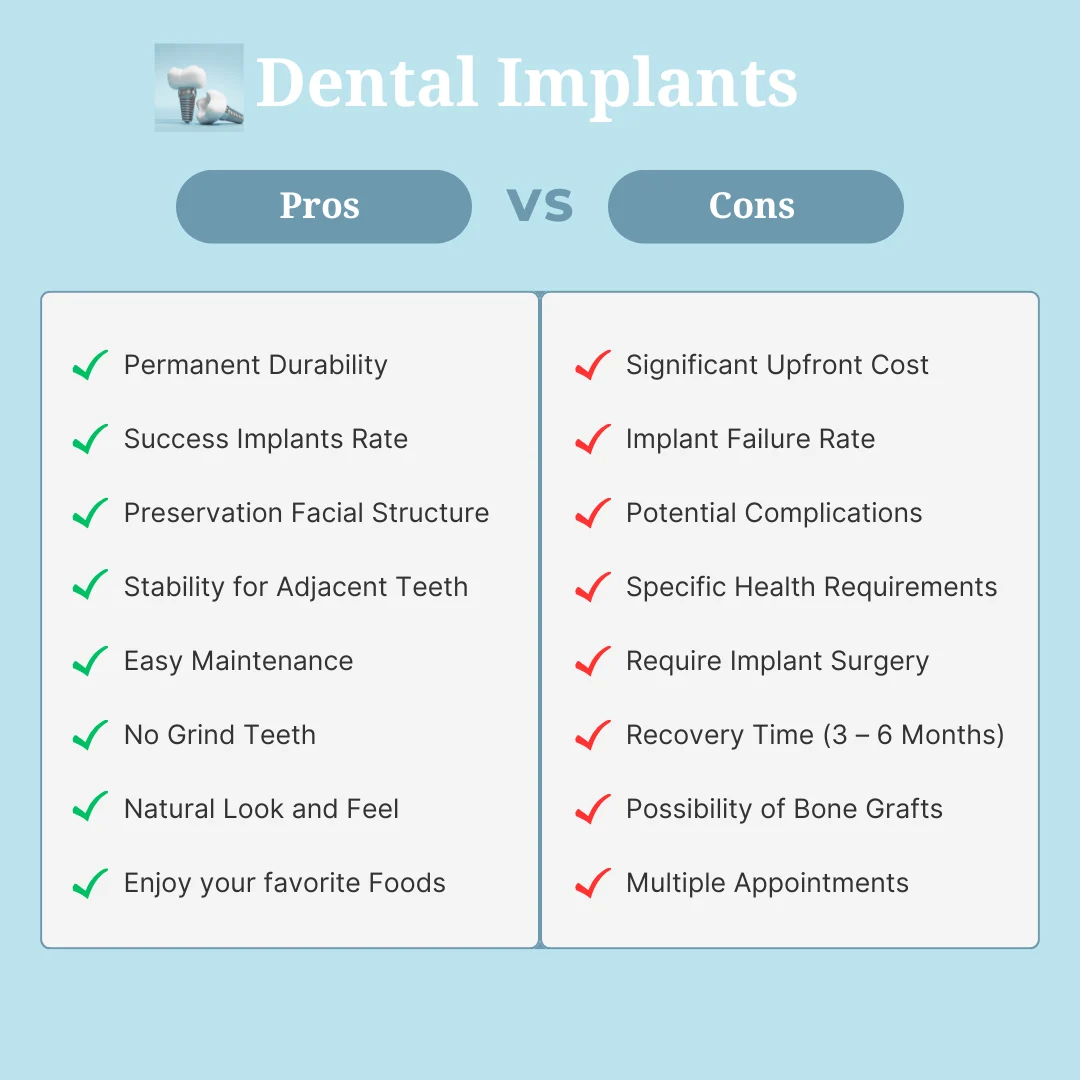
What is the downside to dental implants? Many people consider dental implants a long-term solution for missing teeth, but it is important to understand potential risks before making a decision.
Potential Health Risks of Dental Implants
When considering dental implants, it’s vital to be aware of the potential health risks. Like any surgical procedure, there are complications of dental implants that can arise. Understanding these risks of dental implants and potential side effects of dental implants allows you to make a well-informed decision. At Albania Dental Implants, we prioritize patient safety and transparency, ensuring you have all the information you need.
Common Complications: Infection, Nerve Damage, Sinus Problems
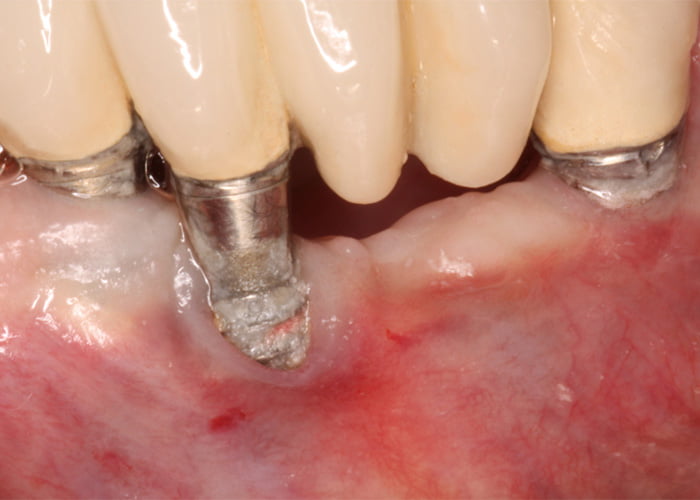
While dental implants boast a high success rate, certain complications can occur. Infection at the implant site, known as peri-implantitis, is a primary concern. This can lead to bone loss and potentially implant failure if not promptly addressed. Nerve damage is another potential risk, especially during the implant placement procedure. If a nerve is affected, it can result in numbness, tingling, or pain in the surrounding areas, such as the lips, chin, or gums. For upper implants, sinus problems can occur if the implant protrudes into the sinus cavity. This can cause sinus infections or discomfort.
Our experienced surgeons at Albania Dental Implants take meticulous precautions to minimize these risks. This includes thorough pre-operative assessments, precise surgical techniques, and stringent sterilization protocols to ensure a safe and successful procedure. We also offer advanced imaging techniques to accurately map the surgical site and avoid potential nerve or sinus complications. You can enhance the appearance of your smile by combining implants with cosmetic dentistry in Albania
Risks Specific to Health Conditions (e.g., Diabetes, Smoking)
Certain health conditions can significantly increase the risks associated with dental implants. Diabetes, if not well-controlled, can impair healing and increase the risk of infection. Smoking also negatively impacts healing by reducing blood flow to the gums, increasing the likelihood of implant failure. Patients with autoimmune diseases or those undergoing radiation therapy may also face a higher risk of complications. At Albania Dental Implants, we conduct comprehensive medical evaluations to identify any pre-existing conditions that could affect the success of your implant procedure. Our team will work closely with your physician to optimize your health before proceeding with surgery, mitigating potential risks and maximizing your chances of a positive outcome.
Possible Allergic Reactions to Implant Materials
Although rare, allergic reactions to dental implant materials can occur. Most implants are made of titanium, which is generally biocompatible. However, some individuals may have a sensitivity or allergy to titanium or other metals used in the implant components. Symptoms of an allergic reaction can range from mild skin rashes to more severe reactions, such as swelling or difficulty breathing. At Albania Dental Implants, we offer alternative implant materials, such as zirconia implants in Albania, for patients with known metal allergies. We also perform allergy testing when necessary to determine the most suitable and safe implant option for each individual.
Procedure-Related Disadvantages
Understanding the surgical process dental implants involves is crucial, as there are some procedure-related disadvantages to consider. While modern techniques aim to minimize discomfort, patients should be prepared for potential pain after dental implants and the necessary recovery time dental implants.
Pain and Swelling Post-Surgery
It is normal to experience some level of pain and swelling following dental implant surgery. The extent of discomfort varies depending on the complexity of the procedure and individual pain tolerance. Swelling typically peaks within the first 48-72 hours and gradually subsides over the following days. Pain can usually be managed with over-the-counter or prescription pain medication. At Albania Dental Implants, we provide detailed post-operative instructions to help you manage pain and swelling effectively. Our team also offers round-the-clock support to address any concerns or complications that may arise during your recovery period. Many people combine implants with hollywood smile in Albania
Required Healing Period (Osseointegration)
A significant disadvantage of dental implants is the required healing period, known as osseointegration. This is the process by which the implant fuses with the surrounding bone, providing a stable and secure foundation for the artificial tooth. Osseointegration typically takes several months to complete, during which time you may need to follow a special diet and avoid putting excessive pressure on the implant site. At Albania Dental Implants, we utilize advanced implant technologies and techniques to promote faster and more reliable osseointegration. We also offer temporary tooth replacement options to maintain aesthetics and function during the healing period.
Single vs. Multiple Stage Procedures
Dental implant procedures can be performed in either a single-stage or multiple-stage approach. In a single-stage procedure, the implant is placed and a healing abutment is attached in the same appointment, eliminating the need for a second surgery to expose the implant. In a multiple-stage procedure, the implant is placed and covered with gum tissue, requiring a second surgery to expose the implant and attach the abutment. The choice between these approaches depends on various factors, including bone quality, implant location, and individual patient needs. At Albania Dental Implants, our experienced surgeons will carefully evaluate your case and recommend the most appropriate approach to achieve optimal results.
Need for Bone Grafting or Sinus Lifts in Some Cases
In some cases, patients may require bone grafting or sinus lifts before or during dental implant placement. Bone grafting is necessary when there is insufficient bone volume in the jaw to support the implant. A sinus lift is required when the sinuses are too close to the upper jaw, preventing proper implant placement. These procedures add to the overall cost and treatment time. At Albania Dental Implants, we specialize in bone grafting and sinus lift procedures, utilizing advanced techniques and materials to restore adequate bone volume and create a stable foundation for dental implants. You can learn more about bone grafting in Albania on our website.
Long-term Downsides of Dental Implants
While dental implants are designed to be a long-term solution, it’s important to understand potential long-term dental implant problems. Consistent implant maintenance is key, and being aware of implant failure rates will help you make an informed decision.
Risk of Implant Failure (Rejection, Loosening, Peri-implantitis)
Despite high success rates, dental implants can fail. Failure can occur due to various reasons, including rejection, loosening, or peri-implantitis (infection around the implant). Rejection is rare but can happen if the body doesn’t properly integrate with the implant. Loosening can occur due to excessive forces on the implant or bone loss. Peri-implantitis, if left untreated, can lead to significant bone loss and implant failure. At Albania Dental Implants, we emphasize the importance of regular check-ups and professional cleanings to detect and address any potential problems early on. Our team also provides personalized oral hygiene instructions to help you maintain the health of your implants and prevent complications.
Ongoing Maintenance and Dental Visits
Dental implants require ongoing maintenance and regular dental visits to ensure their longevity. Just like natural teeth, implants can accumulate plaque and tartar, leading to gum disease and bone loss. Regular professional cleanings are necessary to remove these deposits and maintain the health of the surrounding tissues. Additionally, periodic check-ups are important to assess the stability of the implant and identify any potential problems. At Albania Dental Implants, we offer comprehensive maintenance programs to help you keep your implants in top condition. Our team will work with you to develop a personalized maintenance plan that meets your individual needs.
Potential for Bone Loss Around Implants Over Time
Even with proper maintenance, there is a potential for bone loss around implants over time. This can occur due to various factors, including aging, systemic diseases, or excessive forces on the implant. Bone loss can compromise the stability of the implant and increase the risk of failure. At Albania Dental Implants, we utilize advanced imaging techniques to monitor bone levels around implants and detect any signs of bone loss early on. We also offer treatments to address bone loss, such as bone grafting, to help maintain the long-term stability of your implants.
Financial Considerations
The dental implant cost is a significant consideration for many patients. It’s essential to understand the insurance for dental implants situation and explore affordable alternatives to implants.
Upfront and Ongoing Costs
Dental implants involve significant upfront costs, including the implant placement surgery, abutment, and crown. Additionally, there are ongoing costs associated with maintenance, such as regular check-ups and professional cleanings. The overall cost can vary depending on the complexity of the case, the type of implant used, and the location of the dental practice. At Albania Dental Implants, we strive to provide transparent and competitive pricing. Our team will provide you with a detailed cost estimate upfront, outlining all the expenses involved. We also offer flexible payment options to make dental implants more affordable.
Limited or No Coverage by Dental Insurance
Unfortunately, dental insurance often provides limited or no coverage for dental implants. This is because insurance companies often consider implants to be a cosmetic procedure, rather than a medically necessary one. However, some insurance plans may cover a portion of the cost, particularly if the implant is needed to replace a tooth lost due to an accident or medical condition. At Albania Dental Implants, our team can help you navigate your insurance coverage and explore any available benefits. We also offer financing options and payment plans to help you manage the cost of your treatment.
Comparison with Alternative Treatments (Bridges, Dentures)
Alternative treatments to dental implants include traditional bridges and removable dentures. Bridges are less expensive than implants but require the alteration of adjacent teeth and may not last as long. Dentures are a more affordable option but can be less stable and comfortable than implants. At Albania Dental Implants, we can help you weigh the pros and cons of each treatment option and determine the best solution for your individual needs and budget. To better understand the cost of dental implants in Albania please visit our webpage.
Suitability Concerns and Limitations
Dental implants are not suitable for everyone. There are who is not suitable for dental implants factors to consider, including age restrictions dental implants and other dental implant alternatives for those who aren’t ideal candidates.
Medical Conditions That May Prevent Eligibility
Certain medical conditions can prevent eligibility for dental implants. Uncontrolled diabetes, severe heart disease, autoimmune disorders, and bleeding disorders can all increase the risk of complications and implant failure. Patients undergoing radiation therapy to the head and neck area may also be ineligible. At Albania Dental Implants, we conduct thorough medical evaluations to identify any contraindications to dental implant surgery. Our team will work closely with your physician to determine whether dental implants are a safe and appropriate option for you.
Not Recommended for Certain Age Groups (e.g., Children, Teens)
Dental implants are generally not recommended for children and teenagers whose jaws are still growing. Placing implants in a growing jaw can interfere with normal development and lead to misalignment of the teeth. The ideal age for dental implants is typically after the jaw has fully matured, usually in the late teens or early twenties. At Albania Dental Implants, we carefully evaluate each patient’s age and development to determine the most appropriate timing for dental implant treatment. We also offer alternative tooth replacement options for younger patients until they are old enough to receive implants.
Anatomical Limitations (Insufficient Bone, Proximity to Nerves or Sinuses)
Anatomical limitations, such as insufficient bone volume or proximity to nerves or sinuses, can also prevent proper implant placement. Adequate bone volume is essential to support the implant and ensure its long-term stability. Nerves and sinuses must be avoided during surgery to prevent damage or complications. At Albania Dental Implants, we utilize advanced imaging techniques to assess bone volume and identify the location of nerves and sinuses. We also offer bone grafting and sinus lift procedures to address anatomical limitations and create a suitable environment for dental implants. For more complex cases, we may recommend alternative treatment options.
Alternative Options
If dental implants are not the right choice for you, there are several dental implant alternatives to consider. Understanding the differences between dentures vs implants and dental bridges vs implants is important.
Traditional Bridges
Traditional bridges are a common alternative to dental implants. A bridge consists of a false tooth (pontic) that is supported by two adjacent teeth (abutments). The abutment teeth are prepared to receive crowns, which are then cemented in place along with the pontic. Bridges are less expensive than implants and can be placed relatively quickly. However, they require the alteration of adjacent teeth, which can increase the risk of decay or damage. Bridges may also not last as long as implants and may need to be replaced after several years. At Albania Dental Implants, we offer high-quality bridges that are custom-designed to match your natural teeth and provide a comfortable and aesthetic solution.
Removable Dentures
Removable dentures are another alternative to dental implants. Dentures are artificial teeth that are supported by the gums and surrounding tissues. They are less expensive than implants and do not require surgery. However, dentures can be less stable and comfortable than implants and may require frequent adjustments. Dentures can also affect speech and taste and may not provide the same level of confidence as implants. At Albania Dental Implants, we offer both complete and partial dentures that are custom-made to fit your mouth and provide a natural-looking smile. We also offer implant-supported overdentures, which combine the stability of implants with the affordability of dentures.
Comparison of Pros and Cons
When considering tooth replacement options, it’s important to weigh the pros and cons of each treatment. Dental implants offer superior stability, longevity, and aesthetics compared to bridges and dentures. However, they are more expensive and require surgery. Bridges are less expensive but require the alteration of adjacent teeth and may not last as long. Dentures are the most affordable option but can be less stable and comfortable. At Albania Dental Implants, we will help you evaluate your individual needs and preferences to determine the best tooth replacement solution for you. We are experts in implantology in Albania and can help you find the best solution.
Frequently Asked Questions
What are common complications of dental implants?
Common complications of dental implants include infection, nerve damage, sinus problems, implant loosening, and bone loss around the implant. These risks can be minimized with proper planning, skilled surgical technique, and diligent post-operative care at a trusted dental clinic in Albania.
Is dental implant surgery painful?
Most patients experience minimal discomfort during dental implant surgery due to local anesthesia. Post-operative pain can be managed with over-the-counter or prescription pain medication. At Albania Dental Implants, we utilize advanced pain management techniques to ensure your comfort throughout the entire process.
Can dental implants fail, and why?
Yes, dental implants can fail due to various reasons, including infection (peri-implantitis), rejection, loosening, bone loss, or excessive forces on the implant. Proper oral hygiene, regular check-ups, and avoiding smoking can help prevent implant failure.
How long does recovery take after dental implant surgery?
The initial recovery period after dental implant surgery typically lasts for several days to a few weeks. Complete osseointegration (fusion of the implant with the bone) can take several months. During this time, you may need to follow a special diet and avoid putting excessive pressure on the implant site. Immediate loading dental implants in Albania can reduce the time between surgery and functional use.
Are there health conditions that prevent getting dental implants?
Yes, certain health conditions can prevent eligibility for dental implants, including uncontrolled diabetes, severe heart disease, autoimmune disorders, bleeding disorders, and radiation therapy to the head and neck area. At Albania Dental Implants, we conduct thorough medical evaluations to assess your suitability for dental implants.
Do dental implants require special maintenance?
Yes, dental implants require regular maintenance, including diligent oral hygiene practices and professional cleanings. This helps prevent plaque and tartar buildup, gum disease, and bone loss around the implant.
Are dental implants covered by insurance?
Dental insurance often provides limited or no coverage for dental implants. However, some plans may cover a portion of the cost if the implant is needed to replace a tooth lost due to an accident or medical condition. At Albania Dental Implants, our team can help you navigate your insurance coverage and explore any available benefits.
What are the long-term success rates of dental implants?
Dental implants have high long-term success rates, with many studies reporting success rates of 95% or higher over 10-20 years. However, success rates can vary depending on factors such as patient health, oral hygiene, and implant location.
Are there age restrictions for dental implants?
Dental implants are generally not recommended for children and teenagers whose jaws are still growing. The ideal age for dental implants is typically after the jaw has fully matured, usually in the late teens or early twenties.
What are the alternatives to dental implants?
Alternatives to dental implants include traditional bridges, removable dentures, and implant-supported overdentures. The best option depends on your individual needs, preferences, and budget.