



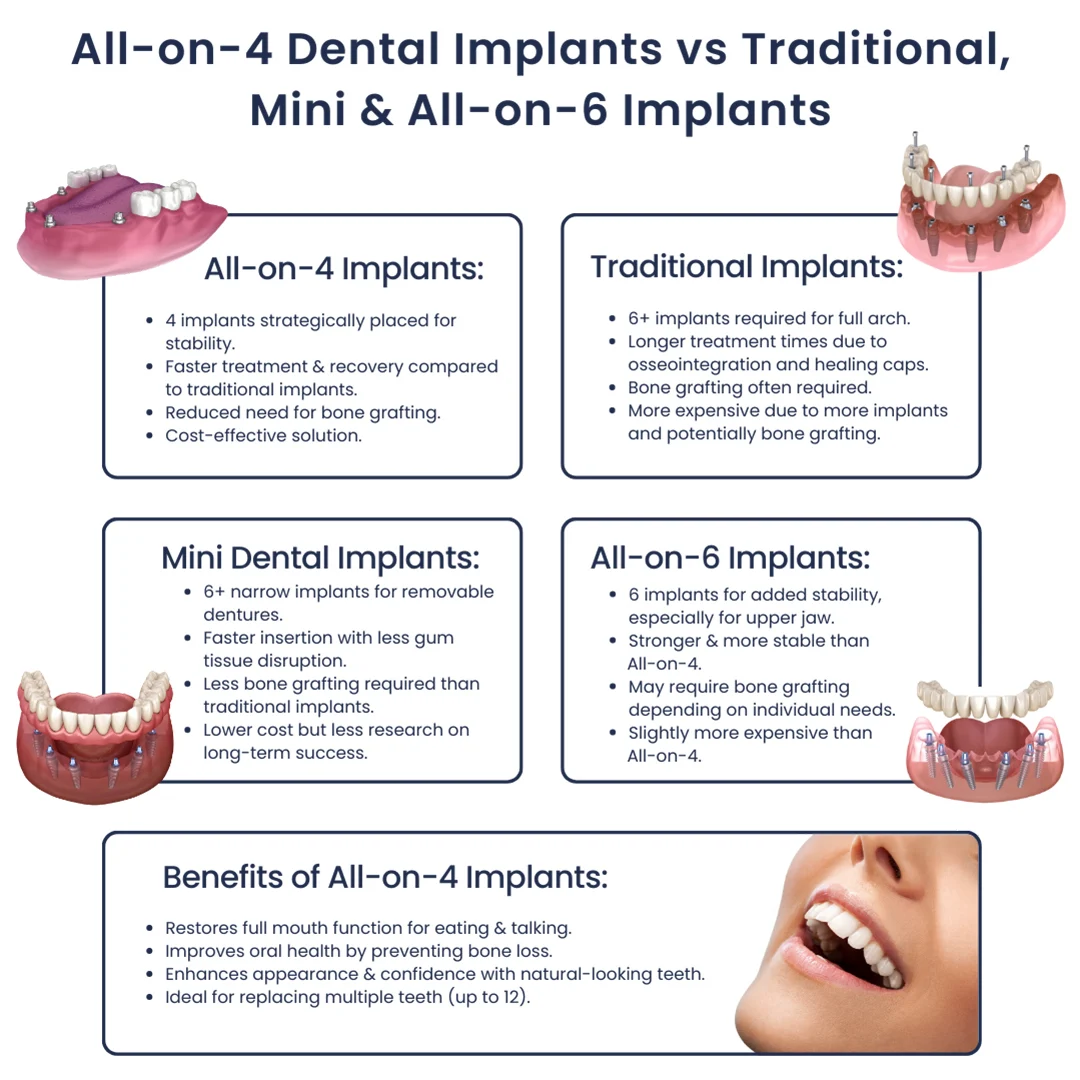
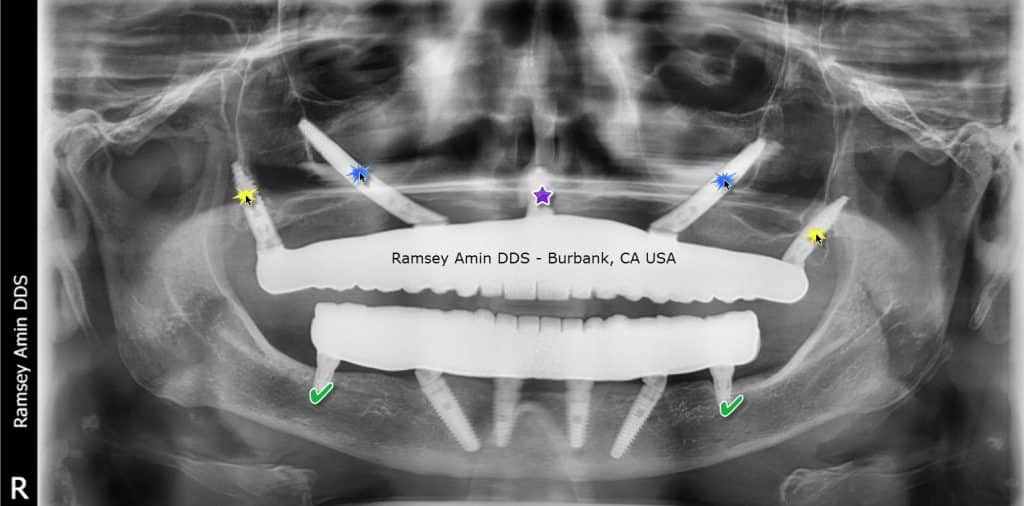
What is the failure rate of All-on-4 dental implants is a crucial consideration for anyone evaluating this restorative dental solution. Understanding the All-on-4 implant survival rate is essential for making an informed decision about your dental health and investment. At Albania Dental Implants, we provide comprehensive information and expert care to ensure the longevity and success of your All-on-4 dental implants in Albania.
What is the failure rate of All-on-4 dental implants?
Understanding the All-on-4 implant survival rate statistics is paramount for patients considering this life-changing procedure. While the All-on-4 technique boasts high success rates, it’s important to be aware of potential failures and factors that can influence them.
All-on-4 implant survival rate statistics
Generally, studies show that All-on-4 dental implants have a high success rate, often exceeding 90% over a 5 to 10-year period. However, it’s important to note that these numbers can vary based on the study, patient demographics, and the expertise of the dental professional. For example, a systematic review published in the Journal of Prosthodontics reported an average survival rate of 94.8% for All-on-4 implants over a 5-year period. These findings underscores the long-term success of All-on-4 implants when performed and maintained correctly. Albania Dental Implants is committed to achieving highest All-on-4 patient satisfaction by applying the best practices.
Short-term vs long-term failure rates
The short-term vs long-term failure rates of All-on-4 implants can differ. Short-term failures typically occur within the first year and can be attributed to factors such as infection, poor initial integration, or early mechanical issues. Long-term failures, on the other hand, can arise from peri-implantitis (inflammation around the implant), bone loss, or prosthetic complications. A study in the International Journal of Oral & Maxillofacial Implants found that early failures (within one year) accounted for about 3% of cases, while late failures (after one year) were around 5%. Regular maintenance and diligent oral hygiene are crucial for mitigating long-term risks.
Differences by study and geography
Reported All-on-4 failure rates can also vary depending on the study and geographical location. Factors like patient selection criteria, surgical techniques, and follow-up protocols can influence outcomes. For example, studies conducted in specialized dental centers with experienced surgeons may report higher success rates compared to those performed in general dental practices. Geography can also play a role, as access to advanced dental technology and specialized care may vary across different regions. Albania Dental Implants offers cutting-edge All-on-4 dental implant procedures in Albania, utilizing advanced technologies.
Factors that Influence Failure Rates
Several factors play a significant role in determining the success and longevity of All-on-4 dental implants. Being aware of these factors affecting All-on-4 failures allows patients and dental professionals to take proactive measures to minimize risks and optimize outcomes.
Patient oral health
A patient’s pre-existing patient oral health is a critical determinant of All-on-4 success. Conditions such as gum disease (periodontitis) and untreated tooth decay can significantly increase the risk of implant failure. A thorough oral examination and necessary treatments, such as scaling and root planing, should be performed before implant placement to ensure a healthy oral environment. Patients with good oral hygiene habits and a commitment to regular dental check-ups are more likely to experience long-term success with All-on-4 implants.
Smoking and lifestyle
Smoking and lifestyle choices can have a profound impact on implant survival. Smoking impairs blood flow and hinders the healing process, increasing the risk of infection and bone loss around the implants. Studies have shown that smokers have a significantly higher failure rate compared to non-smokers. Excessive alcohol consumption and poor dietary habits can also negatively affect oral health and compromise the integrity of the implants. Adopting a healthy lifestyle, including quitting smoking and maintaining a balanced diet, is crucial for optimizing implant success.
Bone density and jaw conditions
Bone density and jaw conditions are essential factors in determining the stability and integration of All-on-4 implants. Adequate bone volume and density are necessary to provide sufficient support for the implants. Patients with significant bone loss may require bone grafting procedures to augment the jawbone before implant placement. Conditions such as osteoporosis can also affect bone density and increase the risk of implant failure. A comprehensive evaluation of bone quality and quantity is essential for proper treatment planning and implant selection. At Albania Dental Implants, we may recommend bone grafting in Albania to increase the chance of success.
Quality of materials and provider experience
The quality of materials and provider experience are critical determinants of All-on-4 outcomes. High-quality implants made from biocompatible materials, such as titanium, are less likely to cause adverse reactions and promote better osseointegration (bone fusion). The experience and expertise of the dental surgeon and restorative dentist are also crucial. Skilled professionals can accurately assess the patient’s condition, develop a customized treatment plan, and execute the surgical and prosthetic procedures with precision. Choosing a reputable dental clinic with a track record of successful All-on-4 treatments is essential for minimizing risks and achieving optimal results.
Common Reasons for All-on-4 Failures
Understanding the complications with All-on-4 dental implants can help both patients and dental professionals take preventative measures. While All-on-4 implants generally have high success rates, certain factors can lead to failure.
Implant rejection and infection
Implant rejection and infection are potential complications that can lead to All-on-4 failure. Although rare, the body’s immune system may reject the implant, preventing osseointegration. Infections, such as peri-implantitis, can also develop around the implants, causing inflammation, bone loss, and eventual failure. Maintaining meticulous oral hygiene, following post-operative instructions, and attending regular check-ups can help minimize the risk of rejection and infection. Early detection and treatment of any signs of infection are crucial for preserving the integrity of the implants. Albania Dental Implants follows strict protocols to minimize the risk of infection and ensure proper healing.
Mechanical/prosthetic failures
Mechanical/prosthetic failures can also contribute to All-on-4 implant failure. These can include fractures of the prosthetic framework, loosening of screws, or breakage of the artificial teeth. Factors such as improper bite alignment, excessive biting forces, and inadequate prosthetic design can increase the risk of mechanical failures. Regular maintenance and adjustments by a qualified restorative dentist are essential for preventing and addressing these issues. Patients should also avoid habits such as teeth grinding or clenching, which can place excessive stress on the implants and prosthesis.
Peri-implantitis
Peri-implantitis is a common cause of long-term All-on-4 failure. It is an inflammatory condition that affects the tissues surrounding the implant, leading to bone loss and eventual implant instability. Peri-implantitis is typically caused by bacterial plaque accumulation and can be exacerbated by factors such as smoking, diabetes, and poor oral hygiene. Early signs of peri-implantitis include redness, swelling, and bleeding around the implant. Prompt treatment, including professional cleaning, antibiotics, and, in some cases, surgical intervention, is essential for managing peri-implantitis and preventing further bone loss. Albania Dental Implants emphasizes the importance of preventive care and provides comprehensive peri-implantitis management.
Improper load distribution
Improper load distribution can also lead to All-on-4 failure. If the biting forces are not evenly distributed across the implants, certain areas may experience excessive stress, leading to bone loss and implant instability. Factors such as poor implant placement, inadequate prosthetic design, and parafunctional habits (e.g., teeth grinding) can contribute to improper load distribution. A thorough evaluation of the bite and prosthetic adjustments may be necessary to ensure proper load distribution and prevent implant failure. Patients should also be educated on the importance of avoiding habits that can place excessive stress on the implants.
All-on-4 vs Other Dental Implant Systems
When considering dental implants, it’s essential to understand the All-on-4 vs traditional implants failure rates and the factors that make each system suitable for different patients.
Failure rates compared to traditional implants
Generally, the failure rates compared to traditional implants are comparable. Studies have shown that both All-on-4 and traditional dental implants have high success rates, with similar long-term outcomes. However, some studies suggest that All-on-4 may have a slightly higher success rate in certain cases, particularly when bone volume is limited. This is because All-on-4 utilizes angled implants to maximize bone contact, potentially reducing the need for bone grafting. Ultimately, the choice between All-on-4 and traditional implants depends on the individual patient’s needs, preferences, and anatomical considerations.
Why All-on-4 might be chosen over alternatives
There are several reasons why All-on-4 might be chosen over alternatives. One key advantage is its ability to restore an entire arch of teeth with just four implants, reducing the complexity and cost of the procedure. All-on-4 also offers a faster treatment timeline, as the implants can often be immediately loaded with a temporary prosthesis. This allows patients to enjoy a functional and aesthetic smile sooner than with traditional implants, which typically require a healing period before loading. Furthermore, All-on-4 can be a viable option for patients with significant bone loss, as the angled implant placement can maximize bone contact and minimize the need for bone grafting.
Patient suitability considerations
Patient suitability considerations are paramount when determining whether All-on-4 is the right choice. Ideal candidates for All-on-4 are those who have lost most or all of their teeth in one or both arches, have adequate bone volume (or are willing to undergo bone grafting), and are in good overall health. Patients with uncontrolled medical conditions, such as diabetes or autoimmune disorders, may not be suitable candidates for All-on-4. A thorough evaluation of the patient’s medical history, oral health, and anatomical factors is essential for determining their suitability for All-on-4 and maximizing the chances of success. The cost of dental implants in Albania is more affordable.
How to Minimize the Risk of All-on-4 Failure
How to reduce All-on-4 failure is a critical aspect of ensuring the long-term success of this dental implant system. By taking proactive measures before, during, and after the procedure, patients and dental professionals can significantly minimize the risk of complications and optimize outcomes.
Pre-surgery preparation
Pre-surgery preparation is essential for setting the stage for a successful All-on-4 procedure. This includes a comprehensive evaluation of the patient’s medical and dental history, a thorough oral examination, and necessary diagnostic tests, such as X-rays or CT scans. Any pre-existing oral health issues, such as gum disease or tooth decay, should be addressed before implant placement. Patients should also be educated on the procedure, potential risks, and post-operative instructions. Smoking cessation and optimization of overall health are also important steps to take before surgery. Pre-surgery preparation can include a sinus lift in Albania if bone density is low.
Post-surgery care and hygiene tips
Post-surgery care and hygiene tips are crucial for promoting healing and preventing infection after All-on-4 implant placement. Patients should follow the dentist’s instructions regarding pain management, medication use, and dietary restrictions. Gentle rinsing with a salt water solution can help keep the surgical site clean and promote healing. Soft foods should be consumed during the initial healing period to avoid placing excessive stress on the implants. Meticulous oral hygiene, including brushing and flossing around the implants, is essential for preventing plaque accumulation and peri-implantitis. Regular checkups and professional cleanings are also necessary for maintaining long-term implant health. Albania Dental Implants provides detailed post-operative instructions and ongoing support to ensure optimal healing and implant maintenance.
Importance of regular follow-ups
The importance of regular follow-ups cannot be overstated when it comes to All-on-4 implants. Regular check-ups with the dentist allow for early detection and treatment of any potential problems, such as peri-implantitis, mechanical issues, or bite discrepancies. The dentist can also assess the stability of the implants, evaluate the health of the surrounding tissues, and make any necessary adjustments to the prosthesis. Follow-up appointments also provide an opportunity for patients to ask questions, address concerns, and receive personalized oral hygiene instructions. Adhering to the recommended follow-up schedule is crucial for ensuring the long-term success and stability of All-on-4 implants.
Managing and Addressing Implant Failures
Even with the best care and precautions, implant failures can still occur. Knowing how to address these situations is vital. Addressing Managing and Addressing Implant Failures is crucial for maintaining your oral health and exploring potential solutions.
Can failed implants be replaced?
The question, “Can failed implants be replaced?” is a common one. In many cases, yes, failed implants can be replaced. However, the approach depends on the reason for the initial failure and the condition of the surrounding bone and tissues. If bone loss is a factor, bone grafting may be necessary before placing a new implant. The dentist will conduct a thorough evaluation to determine the best course of action, which may involve removing the failed implant, allowing the site to heal, and then placing a new implant.
Signs and symptoms of implant failure
Recognizing the signs and symptoms of implant failure is crucial for early intervention and preventing further complications. These may include:
- Increased pain or discomfort around the implant
- Swelling or redness of the gums
- Bleeding when brushing or flossing
- Loose or wobbly implant
- Difficulty chewing
- Receding gums around the implant
- Changes in bite alignment
If you experience any of these symptoms, it’s important to contact your dentist immediately for an evaluation.
What to do if your All-on-4 fails
Knowing what to do if your All-on-4 fails can alleviate anxiety and ensure prompt action. If you suspect an implant failure, schedule an appointment with your dentist as soon as possible. The dentist will conduct a thorough examination, including X-rays, to determine the cause and extent of the failure. Treatment options may include removing the failed implant, bone grafting, placing a new implant, or exploring alternative restorative solutions. In some cases, the All-on-4 prosthesis may need to be adjusted or replaced. Early intervention and appropriate treatment can help restore your smile and prevent further complications.
FAQ Section
This section provides answers to some frequently asked questions about All-on-4 dental implant failure rates.
What is the average failure rate for All-on-4 dental implants?
The average failure rate for All-on-4 dental implants is generally low, with success rates often exceeding 90% over a 5 to 10-year period. However, failure rates can vary depending on factors such as patient health, lifestyle, and the experience of the dental professional. Regular maintenance and diligent oral hygiene are crucial for maximizing long-term success.
What are the most common causes of All-on-4 implant failure?
The most common causes of All-on-4 implant failure include infection (peri-implantitis), mechanical/prosthetic failures, improper load distribution, and patient-related factors such as smoking and poor oral hygiene. Addressing these factors through preventative measures and prompt treatment can help minimize the risk of failure.
Is the All-on-4 system more or less likely to fail than other dental implant options?
The All-on-4 system is generally comparable in terms of failure rates to other dental implant options. Some studies suggest that All-on-4 may have a slightly higher success rate in certain cases, particularly when bone volume is limited. However, the choice between All-on-4 and other implant systems depends on the individual patient’s needs and anatomical considerations.
Who is at higher risk for All-on-4 failures?
Individuals at higher risk for All-on-4 failures include smokers, patients with uncontrolled medical conditions (e.g., diabetes), those with poor oral hygiene habits, and individuals with significant bone loss. A thorough evaluation of the patient’s medical and dental history is essential for identifying risk factors and taking appropriate measures to minimize them.
How long do All-on-4 dental implants typically last?
With proper care and maintenance, All-on-4 dental implants can last for many years, often exceeding 10 years or more. The longevity of the implants depends on factors such as patient health, lifestyle, oral hygiene, and regular follow-up appointments with the dentist.
What maintenance is required to keep All-on-4 implants healthy?
Maintenance for All-on-4 implants involves diligent oral hygiene practices, including brushing and flossing around the implants, as well as regular check-ups and professional cleanings with the dentist. Patients should also avoid habits such as smoking and teeth grinding, which can place excessive stress on the implants and prosthesis.
Can failed All-on-4 dental implants be replaced?
Yes, failed All-on-4 dental implants can often be replaced. The approach depends on the reason for the initial failure and the condition of the surrounding bone and tissues. Bone grafting may be necessary before placing a new implant. A thorough evaluation by the dentist is essential for determining the best course of action.
What are the symptoms of a failing All-on-4 implant?
Symptoms of a failing All-on-4 implant may include increased pain or discomfort, swelling or redness of the gums, bleeding when brushing or flossing, a loose or wobbly implant, difficulty chewing, receding gums, and changes in bite alignment. If you experience any of these symptoms, contact your dentist immediately.
Will insurance cover replacing a failed All-on-4 implant?
Insurance coverage for replacing a failed All-on-4 implant varies depending on the specific insurance plan. Some plans may cover a portion of the replacement cost, while others may not offer any coverage. It’s important to check with your insurance provider to determine the extent of your coverage.
How much does it cost to fix or replace a failed implant?
The cost of All-on-4 replacements due to failure can vary depending on the complexity of the case and the treatment required. Factors such as bone grafting, implant removal, and the type of prosthesis used can influence the overall cost. A consultation with the dentist is necessary to obtain an accurate estimate. Consider dental tourism in Albania for affordable solutions.
At Albania Dental Implants, we are dedicated to providing exceptional All-on-4 dental implant services. With our expertise, state-of-the-art technology, and commitment to patient care, we can help you achieve a healthy, functional, and beautiful smile. Contact us today to schedule a consultation and learn more about our services. Visit our dental clinic in Albania to experience the best dental care.