


The least expensive way to fix teeth often depends on the specific dental problem and its severity. However, several low-cost dental treatment options exist, offering affordable solutions for patients seeking dental care without breaking the bank. Let’s explore these options and guide you toward making informed decisions for your oral health while considering your budget.
Understanding Affordable Dental Treatment Options
When exploring low-cost dental solutions, it’s essential to set realistic expectations. While some severe dental issues might require more costly procedures, many effective and affordable treatments are available. These range from preventive measures and basic restorations to more innovative, budget-friendly approaches like dental tourism. Understanding these options empowers you to prioritize your oral health without compromising your financial stability. Remember, neglecting dental problems can lead to more significant issues down the road, potentially increasing expenses in the long run.
The Importance of Early Intervention
Addressing dental problems early can save you money and prevent more severe issues. For example, a small cavity fixed with a filling is far less expensive than a root canal and crown needed if the cavity is left untreated. Regular dental check-ups are critical because they allow dentists to identify and address problems when they are still minor. This proactive approach can minimize the need for expensive treatments and maintain your overall dental health. Additionally, early intervention often results in less invasive procedures, which are generally more comfortable and require shorter recovery times. Therefore, prioritizing regular dental visits is a wise investment in your long-term oral health and financial well-being.
The Role of Prevention in Minimizing Costs
Preventive care is another cornerstone of affordable dentistry. Proper oral hygiene practices, such as brushing twice daily, flossing daily, and using fluoride toothpaste, can significantly reduce the risk of cavities and gum disease. Furthermore, making lifestyle changes, like reducing sugar intake and quitting smoking, can further protect your teeth and gums. Combining these habits with regular professional cleanings removes plaque and tartar buildup, preventing more serious dental problems. Investing in preventive care not only safeguards your smile but also saves you money by reducing the need for costly restorative treatments.
Cheapest Professional Dental Procedures in the UK
Navigating the landscape of cheap dental procedures for adults in the UK requires understanding the various avenues available. The NHS provides a structured system, while private clinics offer alternative budget-friendly options. Let’s delve into the details.
NHS Dental Bands and Fee Structure
The NHS offers dental treatments under a banded system. As of 2024, these bands are:
- Band 1 (£26.80): This covers examinations, diagnosis, advice, and preventive care, such as scale and polish and fluoride varnish.
- Band 2 (£73.50): This includes all treatments covered in Band 1, plus additional treatments like fillings, root canals, and extractions.
- Band 3 (£319.10): This covers all treatments in Bands 1 and 2, along with more complex procedures such as crowns, dentures, and bridges.
For those eligible, certain exemptions apply, providing free NHS dental care. These exemptions include individuals under 18, pregnant women, and those receiving specific benefits like Income Support or Universal Credit. Understanding these bands and exemptions can help you access necessary treatments at a reduced cost. While the NHS provides essential dental care, it’s worth noting that some cosmetic treatments might not be covered.
Private Clinic Budget Treatments
While private dental clinics often have higher fees, they can sometimes offer cheap dental procedures for adults through special promotions, discounts, or package deals. Some clinics might also offer budget-friendly materials for treatments like fillings or crowns. For example, composite fillings are generally more affordable than porcelain or gold options. Similarly, acrylic dentures are less expensive than those made from more durable materials. It’s wise to research and compare prices among different private practices to find the most cost-effective solutions. Additionally, discussing your budget with your dentist can open the door to alternative treatment plans that align with your financial constraints. Some private clinics also offer in-house payment plans to help spread the cost of more extensive treatments.
Does the NHS provide free or cheap dental work for adults?
The NHS provides subsidized dental care for adults, making it a relatively affordable option. The cost depends on the treatment band, as outlined above. Some adults are also eligible for free NHS dental care if they meet certain criteria, such as receiving specific benefits or being pregnant. While NHS dental care might not be entirely free for all adults, it offers a more accessible and cost-effective alternative to private dental care. It’s advisable to check your eligibility for free dental care and explore the available treatment options within the NHS framework.
Tooth Repair Without Insurance: What Are Your Options?
Navigating tooth repair without insurance in the UK can seem daunting, but several options are available to make dental care more affordable. Understanding these alternatives can help you access the necessary treatments without breaking the bank.
Dental Discount Plans UK
Dental discount plans UK offer a viable alternative to traditional dental insurance. These plans work by providing members with access to a network of dentists who offer reduced fees for their services. In exchange for an annual membership fee, you can save a significant percentage on various dental treatments. Unlike insurance, discount plans typically have no waiting periods, annual limits, or exclusions for pre-existing conditions. This makes them an attractive option for individuals who need immediate dental care or have specific dental issues that might not be covered by insurance. However, it’s essential to compare different plans to ensure that the participating dentists are conveniently located and offer the treatments you need.
Community Dental Clinics
Community dental clinics are another valuable resource for accessing affordable dental care. These clinics are often run by local councils or charities and provide dental services at reduced rates. They might also offer free dental care to individuals who meet certain income criteria or have specific healthcare needs. Community dental clinics typically prioritize providing essential dental treatments, such as fillings, extractions, and preventive care. While the range of services might be limited compared to private practices, community clinics offer a lifeline for those who cannot afford traditional dental care. It’s advisable to contact your local council or health authority to find community dental clinics in your area and inquire about their eligibility requirements.
Are dental discount plans worth it?
Dental discount plans can be a worthwhile investment, especially if you require regular dental care or have ongoing dental issues. However, it’s essential to weigh the cost of the membership fee against the potential savings on treatments. If you anticipate needing several dental procedures throughout the year, the discounts offered by the plan could easily offset the membership fee. Furthermore, discount plans often provide access to a network of dentists, giving you more choices and flexibility. However, it’s crucial to research the plan thoroughly, understand its terms and conditions, and ensure that the participating dentists offer the treatments you need at reasonable rates.
Free and Charitable Dental Clinics: How to Qualify
For those facing severe financial hardship, free dental clinics and charities can provide essential dental care. Understanding the eligibility requirements and available resources is crucial for accessing this support.
Finding Free Dental Clinics
Locating free dental clinics and charities often requires research and networking. Several organizations and directories can help you find these resources in your area. The British Dental Health Foundation and the Oral Health Foundation websites might list free dental clinics or charitable programs. Additionally, contacting local community centers, social services, or religious organizations can provide valuable leads. Many dental schools also offer free or reduced-cost dental care to patients as part of their training programs. These clinics are typically supervised by experienced dentists and provide a range of services. However, eligibility requirements might vary, so it’s essential to inquire about the specific criteria and application process.
Qualifying for Charitable Dental Care
Qualifying for charitable dental care typically involves meeting specific income criteria and demonstrating financial need. Charities might also prioritize individuals with disabilities, chronic illnesses, or other vulnerable populations. The application process usually requires providing documentation of income, expenses, and any relevant medical information. Some charities might also conduct interviews or assessments to determine eligibility. It’s important to be honest and transparent in your application and provide all the necessary information to support your case. Keep in mind that demand for charitable dental care often exceeds the available resources, so it might take time to receive assistance. However, persistence and patience can pay off in the long run.
What are the best charities for free dental treatment?
Several charities in the UK provide free or subsidized dental treatment to those in need. The Dentaid charity provides dental outreach programs and mobile dental clinics to underserved communities. The Oral Health Foundation offers advice and support to individuals struggling to access dental care. Additionally, some local charities and religious organizations might run dental clinics or provide financial assistance for dental treatments. Researching and contacting these organizations can help you identify the best resources for your specific needs.
At-Home Alternatives and Temporary Solutions
While not a substitute for professional dental care, home remedies for temporary tooth repair can provide short-term relief and stability. However, caution and informed decision-making are crucial.
Temporary Fillings and Dental Cement
Over-the-counter temporary filling materials and dental cement can be used to address minor chips, cracks, or lost fillings. These products typically come in a kit and are relatively easy to apply. However, it’s essential to follow the instructions carefully and avoid using excessive force. Temporary fillings are not intended to be a long-term solution and should be replaced with professional restorations as soon as possible. Similarly, dental cement can be used to reattach a loose crown or bridge temporarily. However, it’s crucial to ensure that the underlying tooth structure is healthy and stable before attempting to reattach the restoration. If you experience pain, swelling, or any other complications, seek professional dental care immediately.
Maintaining Oral Hygiene with Damaged Teeth
Maintaining oral hygiene is crucial when you have damaged teeth. Gently brush and floss around the affected area to remove plaque and prevent further decay. Use a soft-bristled toothbrush and avoid applying excessive pressure. Rinse your mouth with warm salt water after brushing to soothe any irritation and promote healing. If you have a broken or chipped tooth, avoid biting down on hard or sticky foods that could cause further damage. It’s also advisable to avoid acidic drinks, which can erode tooth enamel and worsen the problem. By taking these precautions, you can minimize the risk of complications and maintain your oral health until you can receive professional dental care.
Can I fix my teeth at home safely?
While some at-home remedies can provide temporary relief, it’s generally not safe to attempt to fix your teeth permanently at home. Dental problems require professional diagnosis and treatment to prevent complications and ensure long-term oral health. Attempting to fix your teeth at home could lead to infection, nerve damage, or other serious issues. It’s always best to consult with a qualified dentist for appropriate treatment options.
Preventive Care to Minimise Future Costs
Emphasizing preventive dental care to save money is the smartest long-term strategy. Good oral hygiene, check-ups, and lifestyle changes can significantly reduce future dental expenses.
The Power of Regular Check-ups and Cleanings
Regular dental check-ups and cleanings are essential for maintaining optimal oral health and preventing costly dental problems. During a check-up, your dentist can identify early signs of decay, gum disease, or other oral health issues. Professional cleanings remove plaque and tartar buildup, preventing cavities and gum inflammation. These preventive measures not only protect your smile but also save you money by reducing the need for more extensive treatments. Furthermore, regular check-ups allow your dentist to provide personalized advice on oral hygiene practices and lifestyle changes that can further improve your dental health.
Lifestyle Choices for Healthy Teeth
Your lifestyle choices can significantly impact your dental health. A balanced diet that is low in sugar and acidic foods can help prevent tooth decay. Sugary snacks and drinks provide fuel for bacteria in your mouth, leading to acid production that erodes tooth enamel. Similarly, acidic foods and drinks can directly damage tooth enamel. Avoiding tobacco products is also crucial for maintaining healthy teeth and gums. Smoking and chewing tobacco increase the risk of gum disease, tooth loss, and oral cancer. Furthermore, managing stress and getting enough sleep can also benefit your dental health. Stress can weaken your immune system, making you more vulnerable to oral infections.
For example, choosing water over soda, snacking on vegetables instead of sweets, and maintaining a healthy sleep schedule can all contribute to better oral health and reduce the need for costly dental treatments.
Dental Payment Plans and Financing Options
When faced with significant dental expenses, exploring dental payment plans and financing options can make necessary procedures more accessible.
In-House Payment Plans
Many dental practices offer in-house payment plans, allowing you to spread the cost of treatment over a period. These plans typically involve making monthly payments until the balance is paid off. In-house payment plans can be a convenient option, as they often have lower interest rates or fees compared to traditional financing options. However, it’s essential to understand the terms and conditions of the plan, including the interest rate, payment schedule, and any penalties for late payments. Some dental practices might also require a down payment or credit check before approving a payment plan. It’s advisable to discuss your financial situation with the dental practice and explore the available payment plan options to find one that fits your budget.
Dental Loans and Credit Cards
Dental loans and credit cards are another option for financing dental treatments. Several financial institutions offer loans specifically designed for healthcare expenses, including dental work. These loans typically have fixed interest rates and repayment terms, making it easier to budget for your dental expenses. Credit cards can also be used to finance dental treatments, especially if you can take advantage of introductory offers or rewards programs. However, it’s essential to be mindful of interest rates and fees, as these can add significantly to the overall cost of treatment. Comparing different loan and credit card options can help you find the most affordable financing solution for your needs.
Are payment plans available for expensive dental procedures?
Yes, payment plans are often available for expensive dental procedures. Many dental practices offer in-house payment plans or partner with third-party financing companies to provide payment options. These plans can make expensive treatments more manageable by spreading the cost over a period. It’s advisable to inquire about payment plans when discussing treatment options with your dentist.
Considering Dental Tourism in Albania for Cost-Effective Solutions
For UK residents seeking significant savings on dental procedures, considering dental tourism in Albania with Albania Dental Implants can be a highly attractive option. Albania has emerged as a popular destination for dental tourism, offering high-quality dental care at considerably lower prices compared to the UK. This section will explore the benefits of choosing Albania for your dental needs.
Cost Savings on Major Dental Procedures
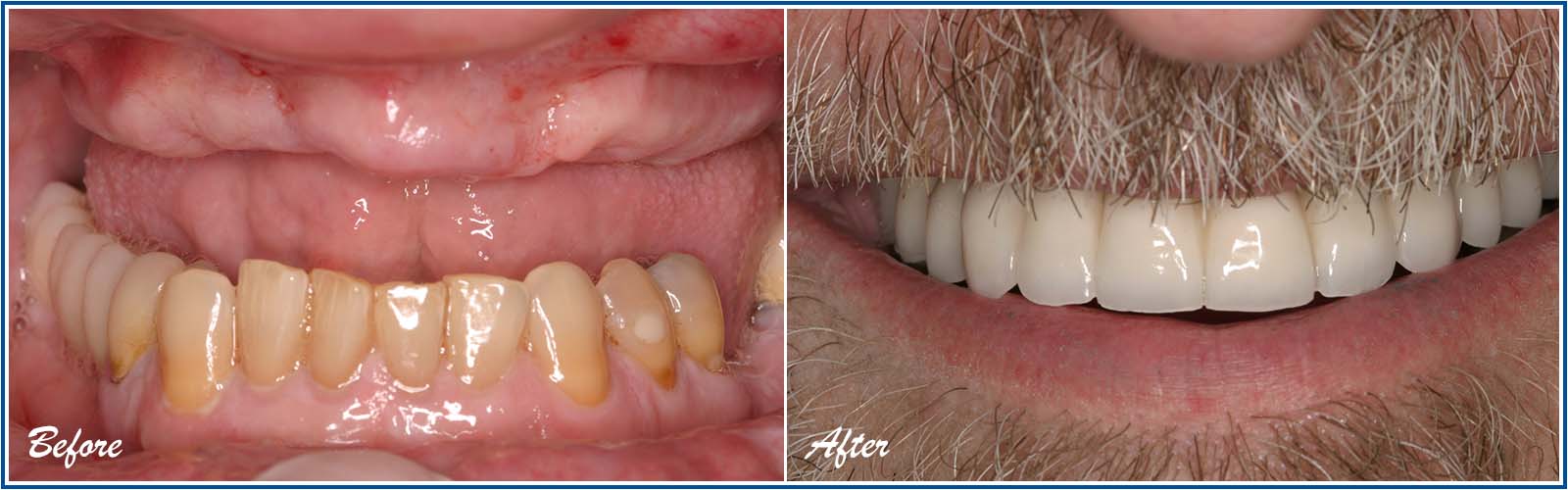
One of the primary reasons people choose Albania for dental work is the substantial cost savings. Procedures like dental implants in Albania, full mouth reconstructions, and cosmetic dentistry can be significantly cheaper in Albania compared to the UK. For example, a dental implant that might cost several thousand pounds in the UK could be available for a fraction of the price in Albania. These savings can make otherwise unaffordable treatments accessible.
High-Quality Dental Care with Modern Technology
Despite the lower costs, dental clinics in Albania often maintain high standards of care and use modern technology. Albania Dental Implants, for example, is equipped with state-of-the-art facilities and staffed by experienced dental professionals trained in the latest techniques. You can expect the same level of quality and expertise as you would find in the UK, but at a more affordable price.
Many dentists in Albania have received international training and are proficient in procedures such as all on 4 dental implants in Albania, dental veneers in Albania, and other advanced treatments.
Combining Dental Treatment with a Holiday
Another advantage of dental tourism in Albania is the opportunity to combine your dental treatment with a holiday. Albania offers beautiful beaches, historical sites, and vibrant cities to explore. This allows you to recover from your dental procedure while enjoying a relaxing vacation. Dental tourism provides a unique opportunity to save money on dental care and experience a new culture.
Conclusion: Making Informed Choices for Affordable Dental Care
Finding the least expensive way to fix teeth requires careful consideration of your individual needs, financial situation, and available resources. By understanding the options outlined in this article and taking proactive steps to prioritize your oral health, you can achieve a healthy and beautiful smile without breaking the bank.
If you’re seeking a combination of high-quality and affordable dental care, consider exploring dental tourism in Albania with Albania Dental Implants. We offer a range of services, from dental implants in Albania to cosmetic dentistry, all at competitive prices. Contact Albania Dental Implants today to learn more about our services and how we can help you achieve your dental goals while saving money.