



What percentage of people reject dental implants? This article explores the common reasons for dental implant rejection, failure rates, and how patients and dentists can reduce the chance of rejection, offering valuable insights for those considering dental implants as a solution for missing teeth.
What Is the Success Rate and Rejection Rate of Dental Implants?
Understanding the dental implant failure rate and success rate of dental implants is crucial before undergoing the procedure. While the term “rejection” is often used, it’s essential to distinguish between surgical, biological failure, and general complications.
Latest Research/Statistics: Rejection vs. Failure vs. Complications
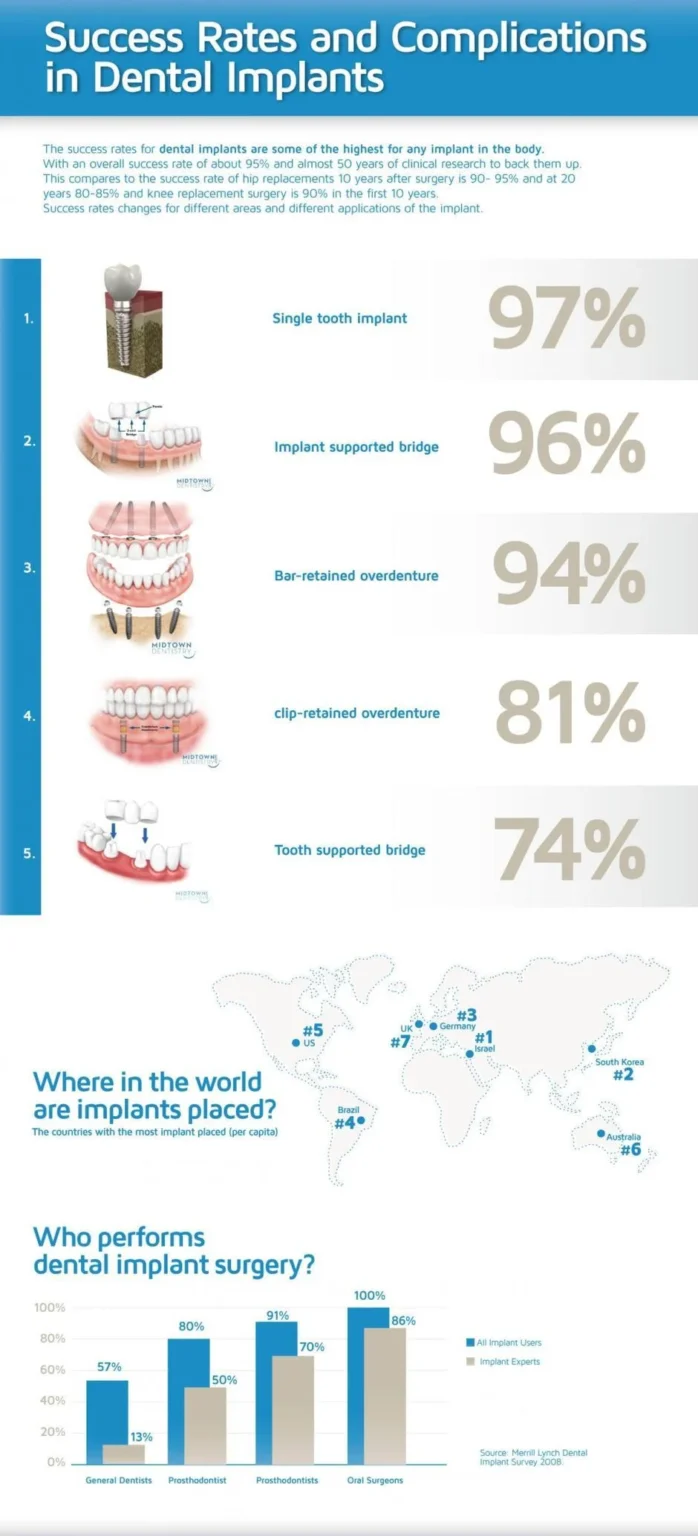
Dental implant success rates are generally high, with many studies reporting success rates above 95%. However, it’s important to differentiate between “success” and “survival.” A successful implant is one that functions well and meets the patient’s aesthetic needs, while a surviving implant simply remains in the jawbone. True “rejection,” in the sense of an immune system attack on the implant material (usually titanium), is exceedingly rare. Failures are typically due to other factors. Complications, such as infection or nerve damage, can occur but don’t always lead to implant failure.
Surgical vs. Biological Failure Explained
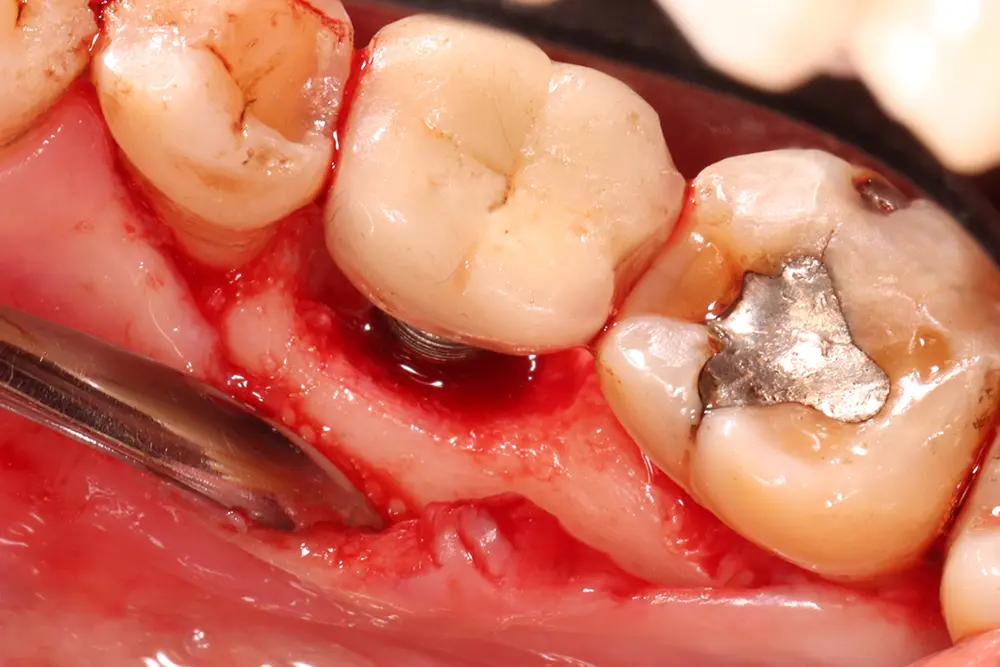
Surgical failures often occur early in the process, resulting from inadequate bone support, improper implant placement, or infection during the initial surgery. Biological failures, on the other hand, usually happen later and can be caused by factors like peri-implantitis (inflammation around the implant) or systemic diseases affecting bone metabolism. While the implant itself rarely gets “rejected,” the surrounding bone and tissues can fail to integrate properly with the implant, leading to its eventual loss. Patients seeking dental implants in Albania can be assured that skilled surgeons are highly trained to minimize these surgical risks. Albania Dental Implants Services ensures that every aspect of the implant process is carefully considered.
How Often Do Dental Implants Fail Within the First Year vs. Long-Term?
Most dental implant failures happen within the first year following placement, often due to issues with osseointegration (the process of the implant fusing with the jawbone). Studies suggest that early failures account for around 2-5% of cases. Long-term failures are less common but can occur due to factors like poor oral hygiene, bruxism (teeth grinding), or systemic conditions. Regular dental check-ups and meticulous oral hygiene practices are essential for long-term success. The longevity of your dental implants can also be influenced by selecting the right type of implant such as zirconia implants in Albania, known for their biocompatibility.
Why Are Dental Implants Rejected?
When considering dental implants, it’s important to understand the reasons dental implants are rejected, focusing on the distinction between true immune rejection and other causes of failure, such as infection and bone loss. Recognizing the potential implant rejection symptoms can lead to timely intervention and better outcomes.
Immune Response and “Rejection” vs. Other Failures
A true immune response leading to dental implant rejection is very rare. Titanium, the most common material used in dental implants, is generally biocompatible, meaning it doesn’t trigger a strong immune reaction. The vast majority of “rejections” are actually failures due to other factors, like infection or poor bone integration. Therefore, understanding the real reasons behind dental implant failure is important for effective prevention and treatment.
Main Causes: Bone Loss, Infection, Poor Oral Hygiene, Improper Placement, Medical Conditions
Several factors can contribute to dental implant failure:
- Bone Loss: Insufficient bone density or bone loss around the implant can lead to instability and eventual failure. Bone grafting in Albania may be necessary to address this issue.
- Infection: Peri-implantitis, an infection affecting the tissues surrounding the implant, can cause bone loss and implant failure.
- Poor Oral Hygiene: Inadequate brushing and flossing can lead to plaque buildup and infection, jeopardizing the implant’s stability.
- Improper Placement: Incorrect positioning of the implant during surgery can put undue stress on the implant, leading to failure.
- Medical Conditions: Certain medical conditions, like uncontrolled diabetes or autoimmune diseases, can impair healing and increase the risk of implant failure.
Maintaining good oral hygiene and managing underlying medical conditions are crucial for preventing these issues. For those considering implants, the initial consultation at a reputable dental clinic in Albania is essential for evaluating suitability and planning a successful treatment.
Who Is at Higher Risk of Dental Implant Failure?
Understanding who is not suitable for dental implants is essential for ensuring the success of the procedure. Certain patient factors and medical conditions can increase the risk of dental implant failure, requiring careful case selection and pre-treatment assessment.
Patient Factors: Age, Bone Density, Smoking, Diabetes, Gum Disease
Several patient-related factors can elevate the risk of dental implant failure:
- Age: While age itself isn’t a contraindication, older patients may have lower bone density or underlying health conditions that increase risk.
- Bone Density: Insufficient bone density in the jaw can compromise implant stability. Bone grafting may be required.
- Smoking: Smoking impairs healing and increases the risk of infection, significantly raising the failure rate.
- Diabetes: Uncontrolled diabetes can impair healing and increase the risk of infection, making implant placement more challenging.
- Gum Disease: Active gum disease can lead to bone loss around the implant, increasing the risk of failure.
Addressing these factors before implant placement can improve the chances of success. Understanding who should not get dental implants is important.
Case Selection and Pre-Treatment Assessment
Careful case selection and thorough pre-treatment assessment are crucial for identifying potential risk factors and planning a successful implant procedure. This includes:
- Comprehensive Medical History: Reviewing the patient’s medical history to identify any underlying health conditions that could affect healing or implant success.
- Clinical Examination: Assessing the patient’s oral health, including gum health, bone density, and bite alignment.
- Radiographic Evaluation: Using X-rays or CT scans to assess bone density and identify any anatomical limitations.
- Treatment Planning: Developing a detailed treatment plan that addresses any identified risk factors and ensures optimal implant placement.
Patients who might not be suitable for traditional implants may benefit from exploring alternatives such as implant overdentures in Albania, which can be a viable option for those with limited bone density. For individuals who are not suitable for implants, there are alternatives to dental implants.
Common Dental Implant Complications and How to Prevent Them
Being aware of potential dental implant complications and implant rejection symptoms is vital for ensuring long-term success. Preventative care and monitoring, along with diligent aftercare, play a crucial role in avoiding problems.
Signs and Symptoms of Implant Problems
Recognizing the signs and symptoms of implant problems early can help prevent more serious complications:
- Pain or Discomfort: Persistent pain or discomfort around the implant site.
- Swelling or Inflammation: Swelling or inflammation of the gums around the implant.
- Bleeding: Bleeding when brushing or flossing around the implant.
- Loose Implant: A feeling that the implant is loose or moving.
- Receding Gums: Gums pulling away from the implant, exposing the implant threads.
- Infection: Signs of infection, such as pus or a foul odor.
If you experience any of these symptoms, it’s important to seek immediate dental attention.
Preventative Care and Monitoring
Preventative care and regular monitoring are essential for maintaining the health of your dental implants:
- Regular Dental Check-ups: Visiting your dentist for regular check-ups and professional cleanings.
- Proper Oral Hygiene: Brushing and flossing daily to remove plaque and prevent infection.
- Avoid Smoking: Quitting smoking to improve healing and reduce the risk of complications.
- Manage Underlying Health Conditions: Controlling medical conditions like diabetes to promote healing and prevent infection.
Adopting these practices can significantly reduce the risk of implant problems. This will help you protect your investment in Albania Dental Implants.
Importance of Aftercare and Dentist Follow-Up
Proper aftercare and regular follow-up appointments with your dentist are crucial for ensuring the long-term success of your dental implants:
- Follow Post-operative Instructions: Carefully follow your dentist’s instructions for aftercare, including medication and diet recommendations.
- Attend Follow-up Appointments: Attend all scheduled follow-up appointments to monitor the implant and address any potential problems.
- Maintain Good Oral Hygiene: Continue to practice good oral hygiene habits at home to prevent plaque buildup and infection.
With proper care and attention, dental implants can provide a long-lasting and functional solution for missing teeth. For patients undergoing immediate loading dental implants in Albania, diligent aftercare is even more critical to ensure successful osseointegration.
What Are the Alternatives to Dental Implants?
While dental implants are an excellent option for many, it’s important to explore alternatives to dental implants. Options like bridges and dentures offer different advantages and disadvantages, making them suitable for various patient needs and circumstances.
Bridges, Dentures, Mini-Implants—Pros/Cons
Here’s a comparison of common alternatives to dental implants:
- Dental Bridges:
- Pros: Less invasive than implants, more affordable, can be completed in fewer visits.
- Cons: Requires altering adjacent teeth, may not last as long as implants, can increase the risk of decay in supporting teeth.
- Dentures:
- Pros: Least expensive option, non-invasive, can replace multiple teeth at once.
- Cons: Can be uncomfortable, may affect speech and taste, require regular adjustments, and can lead to bone loss over time.
- Mini-Implants:
- Pros: Less invasive than traditional implants, more affordable, can be used to stabilize dentures.
- Cons: Not suitable for all patients, may not be as stable as traditional implants, and have a higher risk of failure.
The best alternative depends on your individual needs, preferences, and budget. A consultation with a dentist can help you determine the most suitable option. Those seeking a less invasive and more affordable option might consider mini dental implants, although they are not suitable for everyone.
What is the average dental implant rejection rate?
The average dental implant rejection rate is relatively low, generally ranging from 2% to 5%. However, it’s crucial to distinguish between true rejection (an immune response) and other causes of failure, such as infection or poor bone integration. Regular check-ups with your dentist can help ensure long-term success.
What is the most common reason a dental implant is rejected?
The most common reasons a dental implant fails are infection (peri-implantitis) and insufficient bone support. While true immune rejection is rare, these factors can prevent osseointegration, leading to implant instability and eventual failure.
How can you tell if a dental implant is failing?
Several signs can indicate a failing dental implant, including persistent pain or discomfort, swelling or inflammation around the implant site, bleeding when brushing or flossing, a feeling that the implant is loose, receding gums, and signs of infection like pus or a foul odor. Seeking prompt dental attention if you experience any of these symptoms is essential.
Who should not get dental implants?
While dental implants are a great option, there are some people who should not get dental implants. Certain medical conditions and lifestyle factors can make individuals unsuitable candidates for dental implants. Those include uncontrolled diabetes, heavy smoking, active gum disease, insufficient bone density, certain autoimmune diseases, and a history of radiation therapy to the jaw. A thorough evaluation by a qualified dentist is necessary to determine suitability.
How can you reduce the risk of implant failure or rejection?
You can reduce the risk of implant failure or rejection through good oral hygiene, regular dental check-ups, quitting smoking, managing underlying health conditions, and following your dentist’s post-operative instructions carefully. Choosing a skilled and experienced implant dentist is also essential.
What happens if your body rejects a dental implant?
If a dental implant fails, the dentist will typically remove the implant and address the underlying cause of the failure, such as infection or bone loss. Depending on the situation, bone grafting may be necessary before attempting another implant placement. Alternatives like bridges or dentures can also be considered.
What are the symptoms of dental implant failure?
The symptoms of dental implant failure include persistent pain or discomfort, swelling or inflammation around the implant site, bleeding when brushing or flossing, a feeling that the implant is loose, receding gums, and signs of infection like pus or a foul odor. These symptoms warrant prompt dental evaluation.
What are effective alternatives to dental implants?
Effective alternatives to dental implants include dental bridges, dentures, and mini-implants. The best option depends on individual needs, preferences, and budget. Each option has its own pros and cons, and a consultation with a dentist can help determine the most suitable choice. Remember that the cost of dental implants in Albania can be significantly lower, making it a more accessible option for many.
Dental implants offer a reliable and long-lasting solution for replacing missing teeth, but it’s important to be aware of the potential risks and complications. While true rejection is rare, implant failure can occur due to various factors. By understanding these factors, practicing good oral hygiene, and working with an experienced dental professional, you can significantly increase your chances of a successful outcome. Consider Albania Dental Implants for high-quality, affordable dental implant treatment.
Ready to restore your smile and confidence? Contact Albania Dental Implants today for a consultation and discover how our expert team can help you achieve a healthy, beautiful smile with dental implants.