



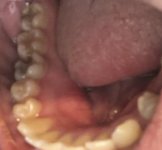

If you haven’t gone to the dentist in 10 years, it’s normal to feel anxious, but there are clear steps to restore your oral health and regain your confident smile with options like Albania Dental Implants. This guide will provide actionable advice, helping you book an appointment and address any neglected oral health issues and can be the start to a beautiful smile, whether with full mouth implants or a simple checkup. Many people avoid the dentist due to fear, cost, or simply not prioritizing it, but returning is crucial for preventing serious dental problems.
Introduction
CLUSTER: Dental neglect, oral health risks, common fears about dentists
It’s understandable to feel apprehension about returning to the dentist after a long absence. Perhaps past experiences were unpleasant, or maybe you’re worried about the potential cost of treatment. Whatever the reason, prolonged dental neglect can lead to significant oral health risks. However, with the right approach, you can overcome your fears and take control of your dental well-being.
Common Reasons for Dental Neglect
- Fear of the dentist: Dental anxiety is a real and common issue.
- Cost concerns: Dental treatment can be expensive, especially without insurance.
- Lack of time: Busy schedules can make it difficult to prioritize dental appointments.
- Past negative experiences: A bad experience can create a lasting fear.
- Embarrassment: Some people feel ashamed about the condition of their teeth after a long absence.
Why Returning is Important
Regardless of the reason for your absence, it’s vital to return to the dentist. Early detection and treatment of dental problems can prevent them from escalating into more serious and costly issues. A professional cleaning can remove plaque and tartar buildup, reducing the risk of gum disease and cavities. Furthermore, a dentist can identify potential problems that you might not be aware of, such as oral cancer.
At Albania Dental Implants we are here to assure you that your smile is safe with us, whether its dental tourim in albania or simple information regarding general dentistry, we welcome all.
Why Regular Dental Visits Matter
CLUSTER: Dental check-up frequency, oral health maintenance, preventable dental issues
Regular dental visits are crucial for maintaining optimal oral health and preventing serious dental problems. Neglecting dental care can have significant consequences, impacting not only your teeth and gums but also your overall well-being. Understanding the importance of professional cleaning and early intervention is key to making dental health a priority.
Consequences of Neglecting Dental Care
When you skip dental visits, plaque and tartar accumulate on your teeth, creating a breeding ground for bacteria. This can lead to:
- Gum disease (gingivitis and periodontitis): Inflammation and infection of the gums, which can lead to tooth loss.
- Cavities (tooth decay): Damage to the tooth enamel, leading to holes and potential infections.
- Advanced tooth problems: Cracks, chips, and other structural damage that can require extensive and costly treatment.
- Bad breath (halitosis): Persistent bad breath caused by bacteria buildup.
- Increased risk of oral cancer: Dentists can detect early signs of oral cancer during routine check-ups.
- Systemic health issues: Oral bacteria can enter the bloodstream and contribute to heart disease, diabetes, and other health problems.
The Role of Professional Cleaning and Early Intervention
Professional dental cleanings remove plaque and tartar that you can’t get rid of with brushing and flossing alone. This helps prevent gum disease and cavities. Early intervention can also address minor problems before they become major issues. For example, a small cavity can be filled quickly and easily, preventing the need for a root canal later on. Regular checkups are important to prevent serious issues and can be affordable at dental clinics in albania.
How Often Should You Visit the Dentist?
The general recommendation is to visit the dentist every six months for a check-up and cleaning. However, your individual needs may vary. If you have a history of gum disease or other dental problems, your dentist may recommend more frequent visits. Some dentists use dental recall schedule to help with reminders and keep their patients on track.
Why is it important to visit the dentist even after 10 years?
Even after a decade, a dental visit is crucial. It allows for a comprehensive assessment of your oral health, identifying any underlying issues like decay, gum disease, or even oral cancer in its early stages. The dentist can provide necessary treatments and guidance to prevent further damage and restore your oral health.
Preparing for Your First Visit in a Decade
CLUSTER: How to book a dentist appointment, what to expect at the dentist, managing dental anxiety
Preparing for your first dental visit after a decade involves several important steps, from researching and booking an appointment to managing any anxieties you may have. A little preparation can go a long way in making the experience more comfortable and productive.
Step-by-Step Instructions: Researching, Booking, and Preparing
- Research dentists in your area: Ask for recommendations from friends, family, or your doctor. Look for dentists who are experienced and have good reviews.
- Check dentist credentials: Ensure that the dentist is licensed and has a good standing with the dental board.
- Book an appointment: Call the dentist’s office and schedule a convenient time. Be sure to mention that it’s been a while since your last visit.
- Gather your medical history: Compile a list of any medical conditions you have, medications you’re taking, and allergies.
- Prepare a list of questions: Write down any questions you have for the dentist, such as concerns about specific teeth or treatment options.
- Consider your insurance coverage: If you have dental insurance, check what services are covered and what your co-pay will be. If not, it can be more affordable with dental tourism in albania.
Tips to Manage Nerves and Expectations
- Acknowledge your anxiety: It’s okay to feel nervous. Recognizing your feelings is the first step in managing them.
- Communicate with the dentist: Let the dentist and staff know about your anxiety. They can help you feel more comfortable.
- Use relaxation techniques: Practice deep breathing, meditation, or visualization exercises before your appointment.
- Bring a friend or family member: Having someone with you can provide support and comfort.
- Ask questions: Understanding what to expect can reduce anxiety. Don’t hesitate to ask the dentist about the procedures they’ll be performing.
- Consider sedation options: If your anxiety is severe, talk to your dentist about sedation options, such as nitrous oxide (laughing gas) or oral sedatives.
What should I expect during my first appointment back?
Your first appointment will likely involve a comprehensive examination, including X-rays to assess the condition of your teeth and jawbone. The dentist will also perform a thorough cleaning to remove plaque and tartar. They will discuss any findings, recommend necessary treatments, and answer any questions you may have.
What Happens During the Appointment?
CLUSTER: Dental examination process, X-rays, teeth cleaning, possible treatments
Understanding what happens during a typical first-visit procedure can help ease anxiety and prepare you for a successful appointment. Knowing the steps involved in a full mouth examination, X-rays, and scale and polish can make the experience less daunting.
Overview of Typical First-Visit Procedures for Returning Patients
Your first appointment will typically include:
- Review of medical history: The dentist will ask about your medical history, medications, and allergies.
- Comprehensive oral examination: The dentist will examine your teeth, gums, and mouth for any signs of decay, gum disease, or other problems.
- X-rays: X-rays provide a more detailed view of your teeth and jawbone, allowing the dentist to identify problems that aren’t visible to the naked eye.
- Scale and polish (professional cleaning): A dental hygienist will remove plaque and tartar from your teeth.
- Treatment planning: If any problems are found, the dentist will discuss treatment options with you.
Full Mouth Examination, X-Rays, and Scale and Polish
- Full mouth examination: The dentist will use a mirror and other instruments to examine each tooth, checking for cavities, cracks, and other damage. They’ll also assess your gums for signs of inflammation or bleeding.
- X-rays: Typically, you’ll have a set of bitewing X-rays to check for cavities between your teeth. You may also have a panoramic X-ray to get a broader view of your jawbone and sinuses.
- Scale and polish: The hygienist will use specialized tools to remove plaque and tartar from your teeth, including areas that are hard to reach with brushing and flossing. They’ll then polish your teeth to remove stains and make them feel smooth.
Common Next Steps: Treatment Planning
After the examination and cleaning, the dentist will discuss their findings with you. If any problems are identified, they’ll explain the treatment options and help you develop a plan. This may include:
- Fillings: To repair cavities.
- Deep cleaning (scaling and root planing): To treat gum disease.
- Root canal: To treat infected teeth.
- Crowns: To protect and strengthen damaged teeth.
- Extractions: To remove teeth that are too damaged to be saved.
Will I need painful treatments if I haven’t been in so long?
It’s possible you might require some treatments, but modern dentistry emphasizes pain management. Local anesthesia and sedation options are available to minimize discomfort during procedures. Early detection and treatment can also prevent the need for more extensive, potentially painful interventions later on.
Dealing with Dental Issues After a Long Absence
CLUSTER: Treating gum disease, fillings, tooth extraction, dental restoration options
After a long absence from the dentist, it’s common to discover some dental issues that need attention. Understanding the typical findings and how dentists address them can help you prepare for the next steps in restoring your oral health.
Typical Findings: Cavities, Plaque, Tartar, Gum Disease
After 10 years without a dental visit, you might find:
- Cavities: Small holes in your teeth caused by decay.
- Plaque: A sticky film of bacteria that constantly forms on your teeth.
- Tartar (calculus): Hardened plaque that can only be removed by a professional cleaning.
- Gingivitis: Early stage of gum disease, characterized by red, swollen, and bleeding gums.
- Periodontitis: Advanced stage of gum disease, which can lead to tooth loss and bone damage.
- Tooth wear: Grinding or clenching of teeth during sleep that can be corrected with a tooth cap.
How Dentists Address These (Fillings, Deep Cleaning, Possible Referral)
- Fillings: Cavities are typically treated with fillings. The dentist will remove the decayed portion of the tooth and fill the space with a material such as composite resin or amalgam.
- Deep cleaning (scaling and root planing): Gum disease is treated with a deep cleaning, which involves removing plaque and tartar from below the gum line. The dentist may also smooth the tooth roots to help the gums heal.
- Root canal: If a tooth is severely infected, a root canal may be necessary to remove the infected pulp and save the tooth.
- Extractions: In some cases, a tooth may be too damaged to be saved and will need to be extracted.
- Referral to a specialist: For complex cases, your dentist may refer you to a specialist, such as a periodontist (gum specialist) or an oral surgeon.
Cost Considerations and NHS/Private Treatment Options (UK context)
In the UK, you have the option of receiving dental treatment through the NHS or privately. NHS treatment is generally more affordable, but there may be waiting lists and limited treatment options. Private treatment offers more flexibility and a wider range of options, but it can be more expensive.
- NHS dental charges: NHS dental charges are divided into bands, with each band covering a different range of treatments.
- Private dental costs: Private dental costs vary depending on the dentist and the type of treatment you need.
- Dental insurance: Dental insurance can help cover the cost of private treatment.
How do dentists address these (fillings, deep cleaning, possible referral)?
Cavities are typically treated with fillings, removing the decayed portion and restoring the tooth. Gum disease may require deep cleaning (scaling and root planing) to remove plaque and tartar below the gum line. In some cases, a referral to a specialist like a periodontist might be necessary for advanced gum disease or complex issues.
Can I get NHS dental treatment in the UK after a long absence?
Yes, you can access NHS dental treatment even after a long absence. You’ll need to register with an NHS dentist, and you’ll be subject to the standard NHS dental charges. The dentist will assess your oral health and provide necessary treatments based on clinical need.
Preventing Further Issues & Setting a Routine
CLUSTER: Oral hygiene tips, follow-up appointments, dental recall schedule
Once you’ve addressed any existing dental problems, it’s important to establish a routine to prevent future issues. Daily care, regular check-ups, and a consistent dental schedule are essential for maintaining long-term oral health.
Daily Care: Brushing, Flossing, Mouthwash
- Brushing: Brush your teeth twice a day for two minutes each time, using fluoride toothpaste.
- Flossing: Floss once a day to remove plaque and food particles from between your teeth.
- Mouthwash: Use an antibacterial mouthwash to help kill bacteria and freshen your breath.
How to Set Reminders for Regular Check-Ups
- Use a calendar: Schedule your dental appointments in your calendar and set reminders.
- Sign up for email or text reminders: Ask your dentist’s office if they offer email or text reminders.
- Enlist a friend or family member: Ask someone to remind you about your appointments.
Long-Term Benefits of Consistent Care
- Reduced risk of gum disease and cavities: Regular brushing, flossing, and professional cleanings help prevent these common dental problems.
- Improved overall health: Good oral health is linked to better overall health.
- Whiter, brighter smile: Regular cleanings and good oral hygiene habits can help keep your teeth white and bright.
- Increased confidence: A healthy, attractive smile can boost your confidence and self-esteem.
- Cost savings: Preventing dental problems can save you money in the long run.
How can I prevent issues once I’ve restarted dental visits?
Maintaining a diligent oral hygiene routine is key. Brush twice daily with fluoride toothpaste, floss daily, and use an antibacterial mouthwash. Regular check-ups, typically every six months, are crucial for early detection and prevention of potential problems.
How do I manage dental anxiety or embarrassment?
Communicate your feelings to the dentist and dental team. Many practices are experienced in managing dental anxiety and can offer solutions like relaxation techniques, distraction methods, or sedation options. Remember, dentists are there to help you, not judge you.
Frequently Asked Questions (FAQ)
What are the risks of ignoring dental care for so long?
Ignoring dental care for a decade can lead to severe consequences, including advanced gum disease, tooth loss, chronic pain, increased risk of oral cancer, and potential systemic health problems such as heart disease and diabetes.
How much does it cost to go back to the dentist after years away?
The cost varies depending on the extent of treatment needed. An initial examination and cleaning can range from £50 to £150. Fillings, deep cleanings, or other procedures will add to the cost. Discussing a treatment plan and associated costs with your dentist is essential for budgeting and planning. Look at options such as cost of dental implants in albania for more affordable options.
What dental problems might I have after 10 years without a check-up?
After a decade without dental care, you might experience tooth decay (cavities), gum disease (gingivitis or periodontitis), tartar buildup, tooth discoloration, bad breath, and potentially more serious issues like oral infections or tumors.
What steps should I take if I’m afraid of criticism from the dentist?
Remember that dentists are healthcare professionals focused on improving your oral health. If you’re concerned about criticism, choose a dentist known for their compassionate and understanding approach. Be open and honest about your anxieties, and focus on working together to achieve a healthier smile.
Conclusion
Returning to the dentist after 10 years might feel daunting, but it’s a crucial step toward restoring your oral health and preventing serious problems. By preparing for your visit, managing your anxiety, and establishing a consistent oral hygiene routine, you can regain control of your dental well-being and enjoy a healthy, confident smile with dental implants.
Take Action Today!
Don’t let fear or anxiety hold you back any longer. Contact Albania Dental Implants today to schedule your consultation and take the first step toward a healthier, happier smile. Our experienced and compassionate team will provide you with the care and support you need to achieve your dental goals.
Your journey to a brighter, healthier smile starts now! Get in touch with us to discover how our dental services can transform your life.