



Wondering when are dental implants not recommended? While dental implants are a popular and effective solution for replacing missing teeth, they aren’t suitable for everyone. Several medical, dental, and lifestyle factors can make individuals unsuitable candidates. Before exploring implant options, it’s crucial to understand these contraindications to ensure the success and longevity of the treatment. At Albania Dental Implants, we prioritize patient safety and satisfaction, carefully evaluating each case to determine the best course of action.
What are the main contraindications for dental implants?
Several medical and dental factors can act as dental implant contraindications. A thorough assessment by a qualified dentist is essential to determine if dental implants are the right choice for you. These contraindications can be classified as absolute or relative.
Absolute vs. relative contraindications
- Absolute contraindications: These are conditions that make dental implant placement completely inadvisable due to significant risks. Examples include active intravenous bisphosphonate use, uncontrolled systemic diseases, and certain psychological conditions.
- Relative contraindications: These are factors that increase the risk of implant failure but don’t necessarily rule out the procedure entirely. Careful management and treatment modifications may allow for successful implant placement in some cases. Examples include smoking, controlled diabetes, and certain bone disorders.
It’s important to note that this list isn’t exhaustive, and a dentist will consider each patient’s unique circumstances before recommending dental implants. In many cases, Albania Dental Implants Services can help you assess your options.
Who is not suitable for dental implants?
Determining who is not suitable for dental implants involves considering various factors that can impact the success of the procedure. Age, lifestyle choices, and oral hygiene habits all play a role in determining candidacy.
Age limitations
While there’s generally no upper age limit for dental implants, age can be a factor. Older patients may have underlying health conditions or bone density issues that need to be addressed. Younger patients, on the other hand, need to have reached skeletal maturity before implants can be placed to ensure proper jaw development.
Smoking and tobacco use
Smoking and tobacco use significantly increase the risk of dental implant failure. Nicotine impairs blood flow to the gums and bone, hindering the healing process and increasing the risk of infection. Dentists typically advise patients to quit smoking before undergoing dental implant surgery.
Poor oral hygiene
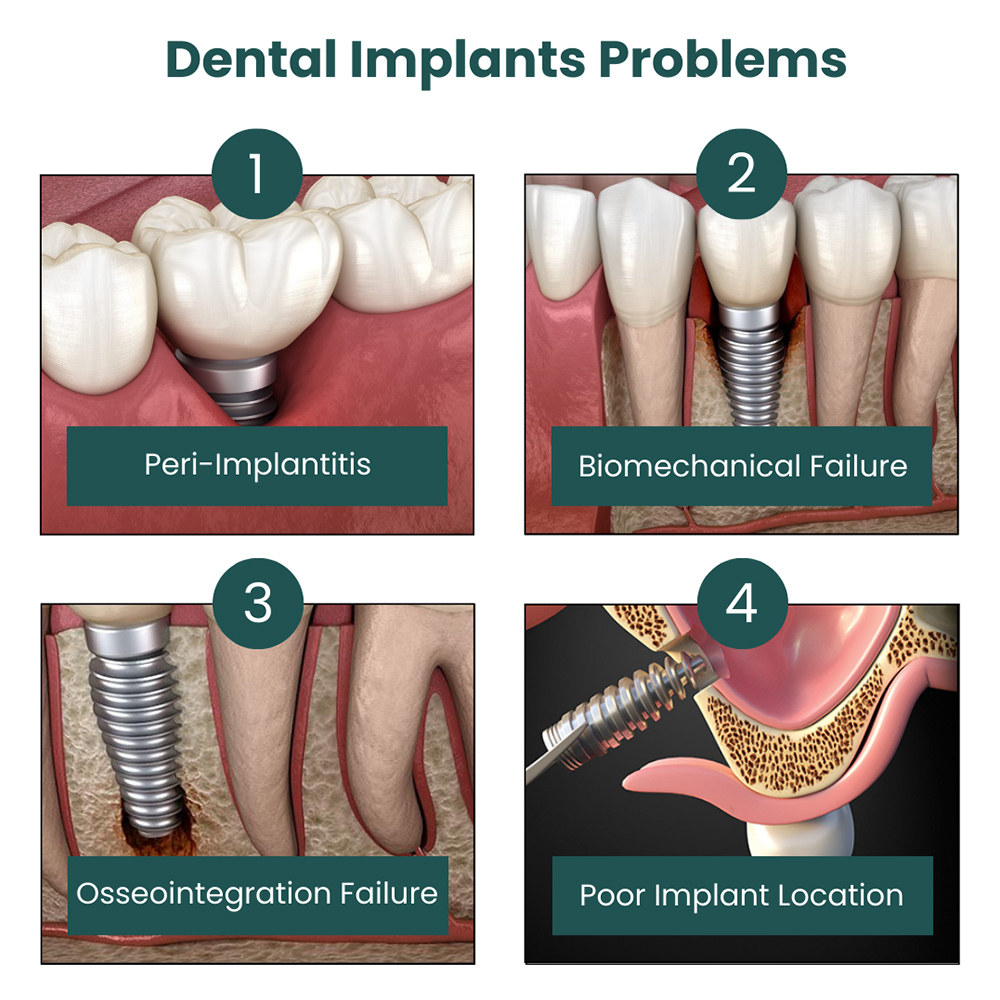
Maintaining good oral hygiene is crucial for the long-term success of dental implants. Patients with poor oral hygiene habits are at a higher risk of developing peri-implantitis, an infection that can lead to implant failure. Regular brushing, flossing, and professional cleanings are essential for keeping the gums and bone around the implant healthy.
Which medical conditions prevent dental implant placement?
Certain medical conditions preventing dental implants can significantly increase the risk of complications and implant failure. It’s essential to disclose your complete medical history to your dentist to ensure a safe and successful procedure.
Uncontrolled diabetes
Uncontrolled diabetes can impair the body’s ability to heal, increasing the risk of infection and implant failure. Patients with diabetes must have their blood sugar levels under control before undergoing dental implant surgery.
Immunosuppression
Individuals with weakened immune systems, such as those undergoing chemotherapy or taking immunosuppressant medications, are at a higher risk of infection and implant failure. The dentist will carefully evaluate the patient’s immune status before recommending dental implants.
Recent heart attack or stroke
Patients who have recently experienced a heart attack or stroke may need to postpone dental implant surgery. The dentist will consult with the patient’s cardiologist or physician to determine the appropriate timing for the procedure.
Bone disorders
Certain bone disorders, such as osteoporosis or Paget’s disease, can affect bone density and increase the risk of implant failure. In some cases, bone grafting may be necessary to improve bone quality before implant placement. A bone grafting in albania procedure can greatly improve your chances for success.
What are the risks and complications of dental implants?
While dental implants are generally safe and effective, it’s important to be aware of the potential risks and complications of dental implants.
Infection
Infection is a potential risk with any surgical procedure. In the case of dental implants, infection can occur at the implant site, leading to inflammation, pain, and potentially implant failure. Proper oral hygiene and antibiotic prophylaxis can help minimize the risk of infection.
Implant failure
Although dental implants have a high success rate, implant failure can occur. This can be due to various factors, including infection, poor bone quality, or improper implant placement. Failed implants may need to be removed and replaced with a new implant.
Nerve damage
Nerve damage is a rare but potential complication of dental implant surgery. Damage to nerves in the jaw can cause numbness, tingling, or pain in the lips, chin, or tongue. Careful surgical planning and technique can help minimize the risk of nerve damage.
For more information about what is the downside to dental implants please get in contact.
What are the alternatives to dental implants?
If dental implants aren’t the right choice for you, there are several alternatives to dental implants to consider.
Dentures
Dentures are removable appliances that replace missing teeth. They can be a more affordable option than dental implants, but they may not be as stable or comfortable.
Dental bridges
Dental bridges are fixed appliances that bridge the gap between missing teeth. They involve attaching a false tooth to the adjacent natural teeth. Bridges can be a good option for replacing one or two missing teeth, but they may require altering the adjacent teeth. Or, you can have multiple implants with bridges in albania.
What factors increase the risk of dental implant failure?
Several dental implant failure risk factors can increase the likelihood of implant complications. Understanding these factors can help patients make informed decisions and take steps to minimize their risk.
Bruxism (teeth grinding)
Bruxism, or teeth grinding, can put excessive stress on dental implants, increasing the risk of failure. Patients with bruxism may need to wear a nightguard to protect their implants.
Insufficient bone density
Adequate bone density is crucial for the successful integration of dental implants. Patients with insufficient bone density may require bone grafting to improve bone quality before implant placement.
Previous radiation therapy to the jaw
Radiation therapy to the jaw can damage bone and reduce blood flow, increasing the risk of implant failure. The dentist will carefully evaluate the patient’s radiation history before recommending dental implants.
Frequently Asked Questions (FAQs) about dental implant suitability
Here are some frequently asked questions about dental implant suitability:
Can you get dental implants with gum disease?
Active gum disease, also known as periodontitis, is a serious infection that can damage the soft tissues and bone supporting your teeth. If you have gum disease, it needs to be treated and brought under control before you can be considered for dental implants. Untreated gum disease can lead to peri-implantitis, an infection around the implant that can cause bone loss and implant failure.
Are dental implants safe for elderly patients?
In general, yes, dental implants are often safe for elderly patients. However, success depends more on overall health and bone density than age alone. Elderly patients may have other underlying health conditions that increase the risk of complications, however, can it be too late for dental implants? This is a very important consideration.
Can allergies prevent getting dental implants?
Allergies to titanium, the material most dental implants are made from, are very rare. However, if you suspect you have a metal allergy, allergy testing can be performed prior to implant placement. Alternative implant materials, such as zirconia implants in albania, are also available for patients with titanium allergies.
What medications interfere with dental implants?
Certain medications can interfere with the success of dental implants. Bisphosphonates, often prescribed for osteoporosis, can impair bone healing and increase the risk of osteonecrosis of the jaw. Immunosuppressant medications can also increase the risk of infection. It is very important that you discuss your medication usage when you contact albania dental implants.
How does osteoporosis affect dental implant success?
Osteoporosis, a condition characterized by decreased bone density, can affect the success of dental implants. Reduced bone density can make it difficult for the implant to integrate properly with the jawbone. Your dentist will assess your bone density and may recommend bone grafting or other treatments to improve bone quality before implant placement.
Dental implants offer a reliable and long-lasting solution for missing teeth, but they are not right for every patient. At Albania Dental Implants, our team of experienced dental professionals provides comprehensive evaluations to determine your suitability for dental implants. We prioritize your safety and satisfaction, and we are committed to helping you achieve a healthy, beautiful smile. We also provide a range of services, including cosmetic dentistry in albania and general dentistry in albania.
Ready to find out if dental implants are right for you? Contact us today to schedule a consultation and learn more about our dental implant options. Let Albania Dental Implants help you restore your smile and confidence!