




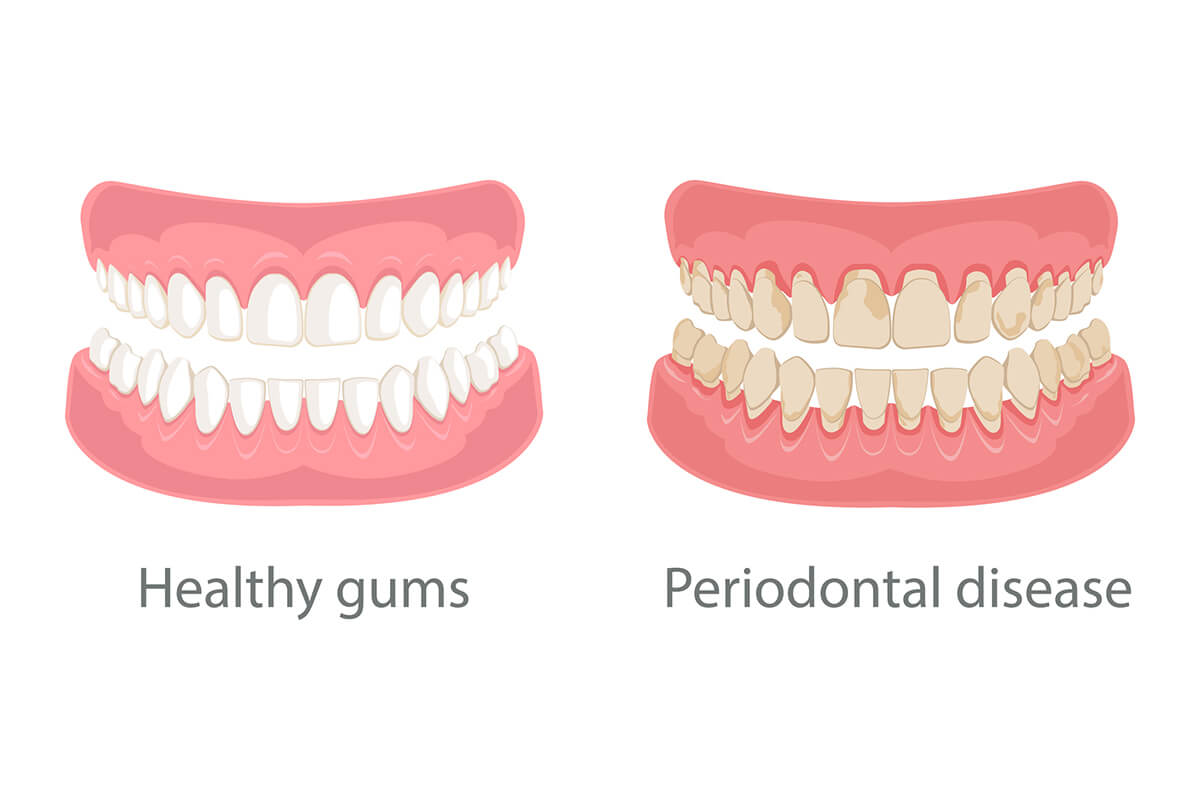
When is it too late to fix receding gums? This is a critical question for anyone noticing changes in their gum line. While early intervention offers the best chance of successful treatment, understanding the point of no return is essential for making informed decisions about your oral health. Let’s explore the factors that determine whether receding gums can be fixed and what options are available at different stages of recession. Albania Dental Implants offer a range of services for gum recession and tooth replacement, including dental implants in Albania, to help restore your smile and confidence.
Understanding Gum Recession
Related keywords: what is gum recession, signs of receding gums, causes of gum recession
Gum recession is the gradual process where the margin of the gum tissue that surrounds the teeth pulls back, exposing more of the tooth or the tooth’s root. This exposure can lead to increased sensitivity, an increased risk of cavities, and eventually, tooth loss if left untreated. Understanding what is gum recession is the first step toward addressing the problem.
How Gum Recession Develops
Gum recession doesn’t happen overnight. It’s a slow process, often developing over months or years. Several factors can contribute to its development, including:
- Poor Oral Hygiene: Inadequate brushing and flossing can lead to a buildup of plaque and tartar, irritating the gums.
- Aggressive Brushing: Brushing too hard or using a hard-bristled toothbrush can wear away gum tissue.
- Gum Disease (Periodontitis): This infection destroys the tissues that hold teeth in place, including the gums.
- Genetics: Some individuals are genetically predisposed to gum recession.
- Smoking or Tobacco Use: These habits weaken the immune system and make it harder for gums to heal.
Early Signs of Receding Gums
Recognizing the early signs of receding gums is essential for prompt intervention. These signs may include:
- Increased Tooth Sensitivity: Exposure of the tooth root can cause sensitivity to hot, cold, or sweet foods.
- Visible Roots: Noticing that your teeth appear longer than usual, with more of the root exposed.
- Bleeding After Brushing or Flossing: Inflamed gums are more likely to bleed.
- Red, Swollen Gums: These are signs of inflammation and potential gum disease.
- Bad Breath: Bacteria accumulating in the pockets formed by receding gums can cause bad breath.
Causes and Risk Factors
Related keywords: gum disease, periodontitis, poor oral hygiene, genetics, aggressive brushing
Several risk factors increase your chances of developing receding gums. Recognizing these factors can help you take preventive measures to protect your gums and overall oral health.
Major Risk Factors
The major risk factors that contribute to gum recession include:
- Poor Oral Hygiene: Neglecting to brush and floss regularly allows plaque and tartar to accumulate, irritating the gums and leading to inflammation.
- Aggressive Brushing: Using excessive force or a hard-bristled toothbrush can erode the gum tissue over time.
- Gum Disease (Periodontitis): This advanced form of gum disease destroys the supporting tissues of the teeth, including the gums and bone.
- Genetics: Some individuals are genetically predisposed to developing receding gums, regardless of their oral hygiene habits.
- Smoking and Tobacco Use: Smoking weakens the immune system, making it harder for gums to fight off infection and heal properly.
- Hormonal Changes: Fluctuations in hormone levels, such as during puberty, pregnancy, or menopause, can make gums more sensitive and susceptible to recession.
- Clenching or Grinding Teeth (Bruxism): This habit can put excessive force on the teeth and gums, leading to recession.
- Misaligned Teeth: Crooked or misaligned teeth can be more difficult to clean, increasing the risk of plaque buildup and gum recession.
- Lip or Tongue Piercings: Jewelry rubbing against the gums can cause irritation and recession.
How Periodontitis Accelerates Gum Loss
Periodontitis, also known as advanced gum disease, is a major cause of gum recession. It’s an infection that damages the soft tissues and bone that support your teeth. Here’s how periodontitis accelerates gum loss:
- Inflammation: The bacteria in plaque produce toxins that trigger an inflammatory response in the gums. This chronic inflammation damages the gum tissue and bone.
- Pocket Formation: As the gums pull away from the teeth, pockets form between the teeth and gums. These pockets become filled with plaque, tartar, and bacteria, making it difficult to clean the teeth properly.
- Bone Loss: Over time, the inflammation and infection associated with periodontitis lead to the destruction of the bone that supports the teeth.
- Tooth Loosening: As the bone loss progresses, the teeth become loose and may eventually fall out.
Regular dental checkups and good oral hygiene are essential for preventing and managing periodontitis.
Can receding gums be fixed?
Related keywords: receding gums treatment, gum graft, reversing gum recession, dental procedures
The good news is that receding gums can often be fixed, especially when addressed in the early stages. Receding gums treatment aims to halt the progression of gum recession, restore lost gum tissue, and protect the exposed tooth roots. The specific treatment options will depend on the severity of the recession and the underlying cause.
Treatment Options for Different Stages of Recession
The treatment options for receding gums vary depending on the stage of recession:
- Early-Stage Recession: In the early stages, when the recession is mild, treatment may involve improving oral hygiene practices, such as using a soft-bristled toothbrush and proper brushing techniques. Professional dental cleanings to remove plaque and tartar buildup are also important.
- Moderate Recession: For moderate recession, scaling and root planing (deep cleaning) may be recommended. This procedure removes plaque and tartar from below the gum line and smooths the tooth roots to help the gums reattach.
- Advanced Recession: In cases of advanced recession, when significant gum tissue has been lost, surgical procedures like gum grafts may be necessary.
Non-Surgical and Surgical Methods
Several non-surgical and surgical methods are available to treat receding gums:
- Non-Surgical Treatments:
- Scaling and Root Planing (Deep Cleaning): This procedure removes plaque and tartar from below the gum line and smooths the tooth roots to promote gum reattachment.
- Antibiotics: Antibiotics may be prescribed to control bacterial infection and reduce inflammation.
- Surgical Treatments:
- Gum Grafting: This procedure involves taking tissue from another area of the mouth (usually the palate) and attaching it to the receded gum area to cover the exposed tooth root.
- Pinhole Surgical Technique: This minimally invasive technique uses a small hole to loosen the gum tissue and slide it over the exposed tooth root.
- Regenerative Procedures: In some cases, regenerative materials, such as bone grafts or tissue-stimulating proteins, may be used to encourage the growth of new gum tissue and bone.
When is it too late to fix receding gums?
Related keywords: severe gum recession, irreversible gum loss, tooth loss, advanced periodontal disease
While various treatments can address receding gums, there comes a point when the damage is too extensive to fully reverse. Understanding when is it too late to fix receding gums involves recognizing the signs of irreversible gum and bone loss. In such cases, while complete restoration may not be possible, treatments can still focus on managing the condition and preventing further deterioration.
The Point of Irreversible Gum Recession
Gum recession becomes irreversible when the supporting structures of the teeth, including the gums and bone, are severely compromised. This can occur due to:
- Extensive Bone Loss: Significant bone loss around the teeth weakens their support, making it difficult to stabilize them, even with gum grafting.
- Severe Gum Tissue Damage: If the gum tissue is severely damaged or destroyed, it may not be possible to regenerate enough tissue to cover the exposed tooth roots.
- Tooth Mobility: When teeth become excessively loose due to bone loss and gum recession, they may be beyond saving.
- Advanced Periodontal Disease: Uncontrolled periodontal disease can lead to irreversible damage to the gums and bone, making it challenging to restore the tissues.
Compromised Tooth and Bone Support
When teeth and bone support are too compromised for repair, the focus shifts to managing the condition to prevent further tooth loss and maintain oral health. This may involve:
- Extraction: Severely affected teeth may need to be extracted to prevent the spread of infection and bone loss to adjacent teeth.
- Bone Grafting: If bone loss is significant, bone grafting may be performed to rebuild the bone structure and provide a foundation for dental implants. If you need bone grafting in Albania, Albania Dental Implants services can help you.
- Dental Implants: After bone grafting, dental implants can be placed to replace missing teeth and restore function and aesthetics.
- Dentures or Bridges: In some cases, dentures or bridges may be used to replace missing teeth.
Prevention and Early Intervention
Related keywords: oral hygiene tips, preventing gum recession, how to stop gum recession
Prevention is always better than cure, especially when it comes to gum recession. Embracing good oral hygiene habits and seeking early intervention can significantly reduce your risk of developing receding gums and preserve your smile. Learning how to stop gum recession starts with understanding preventive measures.
Practical Tips for Preventing Gum Recession
Here are some practical tips to help prevent gum recession:
- Brush Gently: Use a soft-bristled toothbrush and brush with gentle, circular motions. Avoid scrubbing, which can erode the gum tissue.
- Floss Daily: Floss at least once a day to remove plaque and food particles from between your teeth and along the gum line.
- Use Fluoride Toothpaste: Fluoride helps strengthen tooth enamel and protect against cavities.
- Quit Smoking: Smoking weakens the immune system and makes it harder for gums to heal.
- Maintain a Healthy Diet: Eat a balanced diet rich in vitamins and minerals to support healthy gums and teeth.
- Manage Bruxism: If you clench or grind your teeth, wear a mouthguard at night to protect your teeth and gums.
- Address Misaligned Teeth: Consult with an orthodontist to correct misaligned teeth, making them easier to clean. You can find Invisalign aligners in Albania with Albania Dental Implants
- Avoid Lip and Tongue Piercings: Remove lip and tongue piercings to prevent irritation and recession of the gums.
Importance of Early Detection and Routine Dental Checkups
Early detection of gum recession is crucial for successful treatment. Regular dental checkups allow your dentist to identify early signs of recession and recommend appropriate treatment options. Routine dental checkups should include:
- Gum Examination: Your dentist will examine your gums for signs of recession, inflammation, and pocket formation.
- Plaque and Tartar Removal: Professional dental cleanings remove plaque and tartar buildup, preventing gum irritation and recession.
- Oral Hygiene Instructions: Your dentist or dental hygienist will provide personalized oral hygiene instructions to help you maintain healthy gums and teeth.
What to expect from treatments
Related keywords: gum surgery recovery, treatment success, dental prognosis
Understanding what to expect from receding gum treatments can help you make informed decisions and prepare for the process. The gum surgery recovery period, treatment success rates, and long-term outlook can vary depending on the type of treatment and individual factors. It’s important to have realistic expectations about the outcome and commit to the necessary maintenance and follow-up care.
Recovery Process, Side Effects, and Long-Term Outlook
The recovery process, potential side effects, and long-term outlook following gum recession treatment depend on the specific procedure performed:
- Scaling and Root Planing:
- Recovery: You may experience some mild discomfort, sensitivity, and swelling after the procedure, which usually subsides within a few days.
- Side Effects: Potential side effects include temporary tooth sensitivity and gum soreness.
- Long-Term Outlook: With proper oral hygiene and regular dental checkups, scaling and root planing can effectively halt the progression of gum recession and improve gum health.
- Gum Grafting:
- Recovery: The recovery period after gum grafting can take several weeks. You may experience pain, swelling, and bleeding at the graft site and the donor site (usually the palate).
- Side Effects: Potential side effects include infection, bleeding, and graft failure.
- Long-Term Outlook: Gum grafting can successfully restore lost gum tissue and protect exposed tooth roots. However, maintaining good oral hygiene and addressing underlying causes of recession are essential for long-term success.
Maintenance and Follow-Up Care
Proper maintenance and follow-up care are crucial for the long-term success of receding gum treatments. This includes:
- Good Oral Hygiene: Continue to brush gently with a soft-bristled toothbrush, floss daily, and use fluoride toothpaste.
- Regular Dental Checkups: Visit your dentist for regular checkups and professional cleanings to monitor your gum health and prevent recurrence of recession.
- Mouthwash: Using antibacterial mouthwash recommended by your dentist.
- Avoid Smoking: Smoking increases the risk of treatment failure.
- Diet: Eating a healthy, balanced diet and staying hydrated.
Frequently Asked Questions
Here are some frequently asked questions about receding gums:
Can receding gums grow back naturally?
Unfortunately, receding gums cannot grow back naturally. Unlike some other tissues in the body, gum tissue does not regenerate on its own. Once the gum tissue has receded, it will not spontaneously regrow to cover the exposed tooth roots. However, there are several treatment options available to help restore lost gum tissue and protect the teeth, such as gum grafting and the pinhole surgical technique.
Is it ever too late to seek dental help for receding gums?
While early intervention is ideal, it’s rarely too late to seek dental help for receding gums. Even in advanced cases, treatments can help manage the condition, prevent further damage, and improve overall oral health. It is important to remember it is never to late to contact Albania Dental Implants for help.
How long does gum graft surgery take to heal?
The healing time for gum graft surgery varies depending on the extent of the procedure and individual factors. Generally, the initial healing period lasts for 1 to 2 weeks, during which time you may experience some discomfort, swelling, and bleeding. Complete healing and integration of the graft tissue can take several months.
What are the risks if receding gums are left untreated?
If receding gums are left untreated, several risks can arise, including:
- Increased Tooth Sensitivity: Exposed tooth roots can cause sensitivity to hot, cold, and sweet foods.
- Tooth Decay: Exposed tooth roots are more susceptible to decay.
- Tooth Loss: Gum recession can lead to bone loss and eventual tooth loss.
- Aesthetic Concerns: Receding gums can make teeth appear longer and less attractive.
- Increased Risk of Infection: Pockets formed by receding gums can harbor bacteria, increasing the risk of infection.
Which treatments work best for severe recession?
For severe recession, surgical treatments like gum grafting are often the most effective option. Gum grafting involves taking tissue from another area of the mouth and attaching it to the receded gum area to cover the exposed tooth roots. This procedure can restore lost gum tissue, protect the teeth, and improve aesthetics.
How can I tell if my gum recession is fixable?
The best way to determine if your gum recession is fixable is to consult with a dentist or periodontist. They will examine your gums and teeth, assess the extent of the recession, and recommend the most appropriate treatment options. Factors that influence fixability include the amount of bone loss, the severity of gum tissue damage, and the presence of any underlying medical conditions.
Is receding gum line an emergency?
Receding gum line itself is not typically considered an emergency. However, it’s important to seek prompt dental care to prevent further damage and complications. Untreated gum recession can lead to tooth sensitivity, decay, and eventual tooth loss.
What is the cost of fixing receding gums in the UK?
The cost of fixing receding gums in the UK varies depending on the treatment. Non-surgical treatments like scaling and root planing can cost between £150 and £500 per quadrant. Surgical treatments like gum grafting can range from £600 to £3000 per tooth. For affordable options, you can consider dental tourism in Albania.
Conclusion
In conclusion, while early intervention is key, it’s not always too late to address receding gums. Recognizing the signs, understanding the causes, and seeking prompt dental care can help you preserve your smile and oral health. Even in advanced cases, treatments can manage the condition and prevent further deterioration. At Albania Dental Implants, we offer a range of services to treat gum recession and restore your smile. Contact us today to schedule a consultation and learn more about your treatment options and the possibility of dental tourism in Albania for affordable solutions, including dental implants. Are you considering a single tooth implant? We can help.