



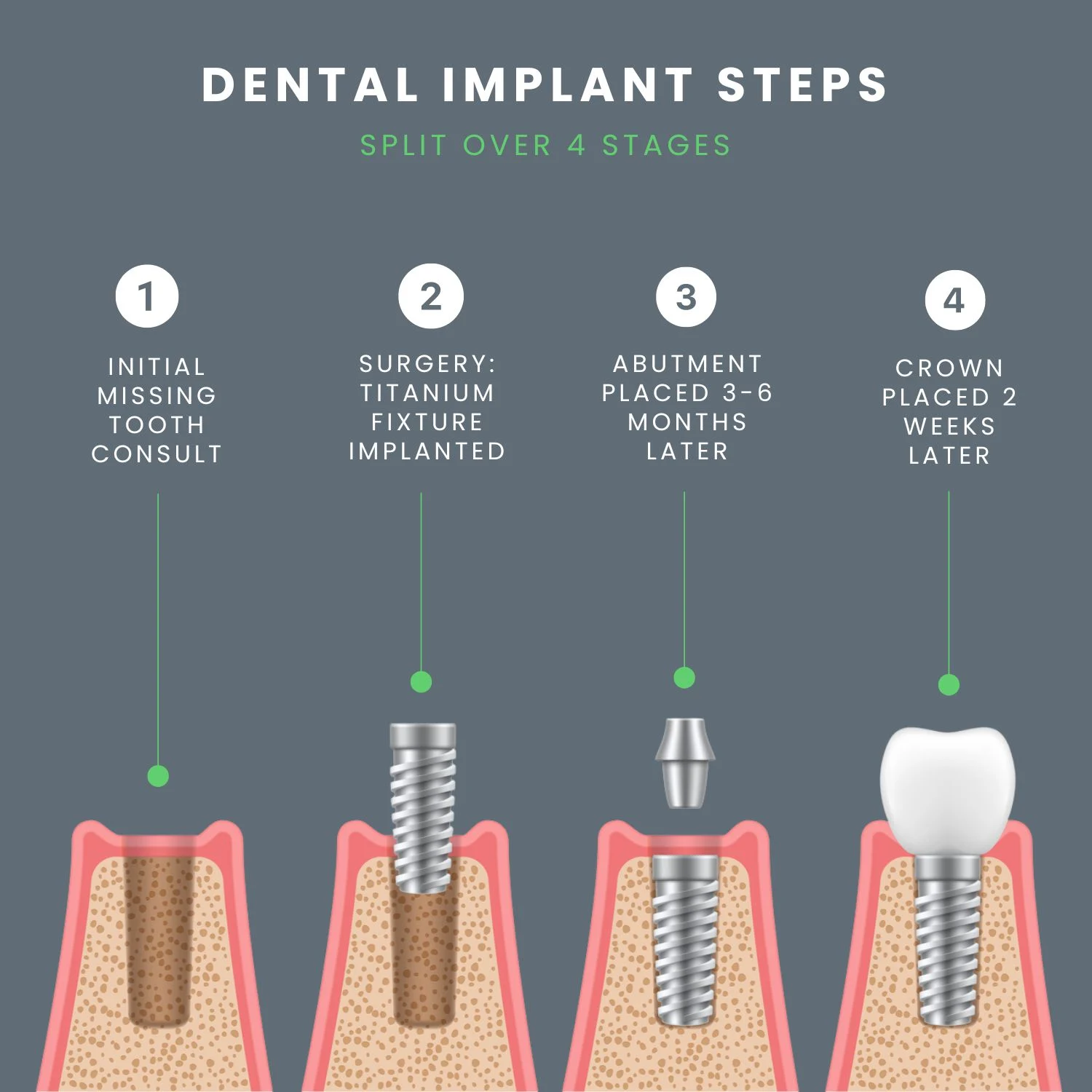

When is it too late to get an implant after tooth extraction? It’s a common concern for individuals who have experienced tooth loss, and the answer depends on several factors, including bone health, overall health, and the length of time since the extraction.
Understanding Dental Implants After Extraction
Dental implant timing after extraction is crucial for ensuring the long-term success of the implant. After a tooth is extracted, the body begins a natural process of healing and remodelling the bone in the jaw.
What happens in the jaw after a tooth is removed?
When a tooth is removed, the bone that once supported it no longer receives stimulation. This lack of stimulation leads to bone resorption, a process where the bone gradually shrinks and loses density. The rate of bone loss varies from person to person and depends on factors such as age, overall health, and the location of the extraction.
Role of healing in implant success
The healing process is vital for implant success. Ideally, the implant should be placed when there is sufficient bone volume and density to provide adequate support. If too much time passes after extraction, the bone may become too thin or weak to support an implant, potentially requiring a bone grafting procedure to restore the bone volume.
The goal at Albania Dental Implants is to achieve predictable and lasting results for our patients and to provide the best Albania Dental Implants Services possible, paying attention to the timing of implant placement to ensure optimal outcomes.
Ideal Timing for Dental Implant Placement
Immediate vs. delayed dental implant placement presents different advantages and disadvantages. Choosing the right timing depends on your individual circumstances and the health of the extraction site.
What is same-day (“immediate”) implant placement?
Same-day, or immediate, implant placement involves placing the implant immediately after the tooth extraction. This approach offers several benefits:
- Reduced treatment time
- Minimised number of surgical procedures
- Potential for better aesthetic results
However, immediate implant placement is not suitable for everyone. It requires sufficient bone volume and density, as well as a healthy extraction site free from infection.
What is “early” vs. “late” implant placement?
Delayed implant placement is categorised into “early” and “late” approaches:
- Early implant placement: This usually takes place 2-3 months after extraction. By this time, the soft tissues have healed, but significant bone loss hasn’t yet occurred.
- Late implant placement: This involves waiting for several months or even years after extraction. While it allows for complete bone healing, it can also lead to substantial bone loss.
Healing periods and clinical guidelines
Clinical guidelines suggest that early implant placement (2-3 months after extraction) often provides a good balance between allowing for soft tissue healing and preventing excessive bone loss. Late implant placement may require bone grafting to ensure adequate support for the implant. At Albania Dental Implants we assess each situation carefully to make the best decision for our patients.
How Bone Loss Influences Implant Timing
Bone loss after tooth extraction is a critical factor in determining the ideal timing for dental implant placement. Understanding the rate and timeline of bone resorption is essential for successful implant integration.
Rate and timeline of bone resorption post-extraction
Following a tooth extraction, the alveolar bone (the bone that surrounds and supports the tooth) begins to resorb. Studies show that the most significant bone loss occurs within the first few months after extraction. Within the first year, you can expect a decrease in both the width and height of the bone.
Consequences for late implant placement
Delayed implant placement can lead to several challenges:
- Insufficient bone volume: The bone may become too thin or short to adequately support the implant.
- Need for bone grafting: Additional surgical procedures may be required to restore bone volume. At Albania Dental Implants, we perform bone grafting in Albania to help patients who have experienced bone loss.
- Compromised aesthetic results: Bone loss can affect the appearance of the gums and surrounding tissues.
To mitigate these consequences, dentists often recommend socket preservation techniques at the time of extraction to help maintain bone volume.
Is There a Cut-off Point?
Late implant placement risks increase the longer you wait after a tooth extraction. While there isn’t a strict cut-off point, certain conditions can make implant placement more challenging or even unfeasible.
How long can you wait before implants are no longer viable?
There’s no absolute “too late” point, but the longer you wait, the more likely you will need additional procedures like bone grafting. After several years, significant bone loss can occur, making implant placement complex. However, with advances in bone grafting techniques, even patients with substantial bone loss can become candidates for dental implants.
Critical bone volume thresholds
Dentists assess bone volume using clinical examinations and imaging techniques like CBCT scans. Specific dimensions are needed to ensure implant stability. If these thresholds aren’t met, bone augmentation is necessary.
Can grafting restore eligibility years later?
Yes, bone grafting can often restore eligibility for dental implants, even years after tooth extraction. Bone grafting involves transplanting bone tissue to the deficient area, stimulating new bone growth and increasing bone volume. It is important to remember that the cost of dental implants in Albania may increase if bone grafting is required.
Options When Too Much Time Has Passed
Alternatives if too late for implant placement are available if dental implants are not immediately feasible due to bone loss or other factors.
Socket preservation at extraction
Socket preservation is a procedure performed immediately after tooth extraction to minimise bone loss. It involves placing a bone grafting material into the empty socket to maintain bone volume and density. This technique is particularly useful for patients who are considering dental implants in the future.
Bone grafting for extensive bone loss
For patients with significant bone loss, more extensive bone grafting procedures may be necessary. These can include:
- Sinus lifts: To increase bone height in the upper jaw
- Ridge augmentation: To widen or heighten the jawbone
- Block bone grafts: To transplant larger segments of bone
These procedures require a healing period before dental implants can be placed. At Albania Dental Implants, we specialize in oral surgery in Albania including bone grafting, to restore the jawbone to a suitable condition for implants.
Other prosthetic options (bridges, dentures)
If dental implants are not an option, other tooth replacement solutions include:
- Dental bridges: Bridges involve anchoring a false tooth to adjacent natural teeth.
- Dentures: Dentures are removable appliances that replace missing teeth.
These options offer a solution to missing teeth but do not provide the same stability and long-term benefits as dental implants.
Frequently Asked Questions
Tooth extraction healing for implants is a key aspect of the overall dental implant process. Many patients have questions about the timing and process.
How soon after extraction can I get an implant?
The timing for implant placement varies based on individual circumstances. Immediate implant placement can be done on the same day as extraction if there’s sufficient bone and no infection. Early implant placement is usually 2-3 months after extraction, while late placement can be several months or years later, often requiring bone grafting.
Is there a maximum time limit for implantation after extraction?
While there is no hard maximum time limit, the longer you wait, the more bone loss occurs, potentially complicating implant placement. Years after extraction, significant bone loss can make the procedure more challenging, often requiring bone grafting to restore adequate bone volume. However, this is not always a barrier to treatment and a consultation is the best way to determine the best course of action.
What happens if I wait too long for an implant?
If you wait too long, the bone in the jaw may shrink, becoming less dense and making it difficult to support a dental implant. This bone loss can also affect the aesthetics of your smile. In such cases, a bone graft may be needed to rebuild the bone before an implant can be placed.
Can bone grafting make late dental implants possible?
Yes, bone grafting can often make late dental implants possible. This procedure involves transplanting bone tissue to the deficient area, stimulating new bone growth, and increasing bone volume. Bone grafting can restore the jawbone to a condition suitable for supporting a dental implant.
Are late implants as successful as immediate ones?
While immediate implants offer benefits like reduced treatment time, late implants can be just as successful with proper bone grafting and planning. Success rates depend more on the quality of the bone, the patient’s overall health, and the dentist’s expertise than on the timing alone.
What are the risks of delayed implant placement?
Delayed implant placement carries several risks:
- Increased bone loss
- Need for bone grafting
- Potential for compromised aesthetic results
- Longer overall treatment time
What are alternatives to implants if it’s too late?
If dental implants are not an option, alternatives include dental bridges and dentures. Dental bridges involve anchoring a false tooth to adjacent natural teeth, while dentures are removable appliances that replace missing teeth. While these offer a solution to missing teeth, they do not provide the same stability and long-term benefits as dental implants.
Don’t let tooth loss affect your confidence and quality of life. At Albania Dental Implants, we offer a range of implant solutions tailored to your specific needs. From immediate implants to complex bone grafting procedures, our expert team is here to help you achieve a healthy and beautiful smile. Contact Albania Dental Implants today for a consultation and take the first step towards restoring your smile. Let us help you find the perfect implantology in Albania solution for you!





