


Which is the disadvantage of the dental implants? Dental implants are a highly effective and durable solution for replacing missing teeth, offering numerous benefits over traditional options. However, it’s crucial to understand their potential drawbacks before deciding if they’re the right choice for you. This article delves into the downsides of dental implants, exploring potential risks, financial considerations, and long-term maintenance requirements, especially in the context of options available like Albania Dental Implants.
Common Disadvantages of Dental Implants
While dental implants boast a high success rate, it’s essential to be aware of the potential downsides of dental implants. These downsides can range from minor inconveniences to more significant complications. Understanding these issues upfront allows you to make an informed decision and prepare for the dental implant process.
Downsides of Dental Implants: An Overview
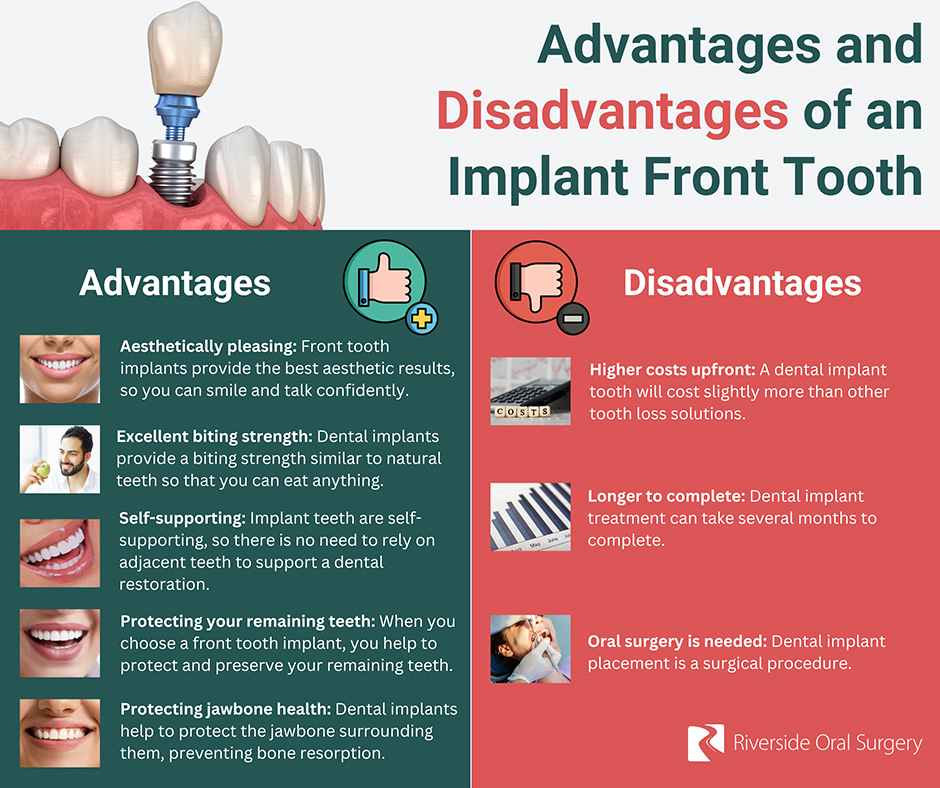
- Initial Cost: The upfront cost of dental implants is significantly higher than other tooth replacement options like dentures or bridges.
- Treatment Time: The entire dental implant process, from initial consultation to final restoration, can take several months.
- Surgical Procedure: Dental implant placement requires a surgical procedure, which carries inherent risks and potential complications.
- Not Suitable for Everyone: Certain medical conditions or lifestyle factors can make some individuals unsuitable candidates for dental implants.
- Maintenance: While durable, dental implants require diligent oral hygiene and regular dental check-ups to ensure long-term success.
Dental Implant Complications and Most Common Problems
While rare, dental implant complications can occur. Some of the most common problems associated with dental implants include:
- Infection: Infection at the implant site, also known as peri-implantitis, can lead to bone loss and implant failure.
- Nerve Damage: Damage to surrounding nerves during implant placement can result in pain, numbness, or tingling in the gums, lips, or chin.
- Sinus Problems: Implants placed in the upper jaw can sometimes protrude into the sinus cavity, causing sinus infections or other complications, though a sinus lift in Albania can counter this issue.
- Implant Failure: In some cases, the implant may not properly fuse with the jawbone (osseointegration), leading to implant failure.
- Loose Implant: The implant can become loose due to poor bone quality, infection, or excessive force on the implant.
- Aesthetic Issues: Poorly placed or designed implants can result in an unnatural or unaesthetic appearance.
Choosing an experienced and qualified implant dentist can significantly reduce the risk of these complications. Proper planning, precise surgical technique, and meticulous aftercare are crucial for successful dental implant outcomes.
Medical Risks and Complications
Dental implant surgery, like any surgical procedure, carries inherent medical risks. It’s important to understand these risks and discuss them with your dentist or oral surgeon before proceeding with implant placement.
Risks of Dental Implants: What to Be Aware Of
While dental implants have a high success rate, potential risks include:
- Infection: As mentioned earlier, infection at the implant site is a significant concern.
- Bleeding: Excessive bleeding during or after surgery can occur, especially in individuals with bleeding disorders or those taking blood-thinning medications.
- Nerve Damage: Damage to nerves during implant placement can cause persistent pain, numbness, or tingling.
- Sinus Problems: Implants in the upper jaw can sometimes affect the sinuses.
- Delayed Healing: Certain medical conditions, such as diabetes or autoimmune disorders, can delay the healing process after implant surgery.
- Adverse Reactions to Anesthesia: Although rare, adverse reactions to anesthesia can occur during the surgical procedure.
Dental Implant Infection and Implant Rejection
Dental implant infection, or peri-implantitis, is a serious complication that can lead to bone loss around the implant and eventual implant failure. Symptoms of infection include redness, swelling, pain, and pus around the implant site. Prompt treatment with antibiotics and professional cleaning is essential to control the infection and prevent further damage.
True implant rejection, where the body’s immune system attacks the implant material (usually titanium), is extremely rare. However, failure of osseointegration, where the implant doesn’t properly fuse with the jawbone, can occur. This can be due to factors such as poor bone quality, infection, or smoking.
Nerve Damage from Dental Implants: A Potential Concern
Nerve damage is a potential risk during dental implant placement, particularly in the lower jaw where the inferior alveolar nerve is located. Damage to this nerve can result in numbness or tingling in the lower lip, chin, and gums. In most cases, nerve damage is temporary and resolves within a few weeks or months. However, in rare cases, the damage can be permanent. Careful surgical planning and technique can help minimize the risk of nerve damage.
Financial and Procedural Considerations
Beyond the medical aspects, financial and procedural considerations play a significant role in the decision-making process for dental implants. Understanding the cost implications and the length of the treatment process is crucial for making an informed choice.
Cost of Dental Implants: A Significant Investment
The cost of dental implants is a major factor for many individuals. Dental implants are generally more expensive than other tooth replacement options like dentures or bridges. The cost of dental implants in Albania can vary significantly depending on several factors, including:
- Number of Implants: The more implants you need, the higher the overall cost.
- Type of Implant: Different types of implants, such as titanium or zirconia implants, have varying costs.
- Bone Grafting: If you require bone grafting to augment the jawbone, this will add to the overall cost.
- Location: The cost of dental implants can vary depending on the geographic location.
- Dentist’s Experience: More experienced and qualified implant dentists may charge higher fees.
While the initial cost may seem high, it’s important to consider the long-term value of dental implants. Implants are a durable and long-lasting solution that can improve your oral health, function, and aesthetics.
Dental Implant Insurance: What to Expect
Dental insurance coverage for dental implants varies widely. Some insurance plans may cover a portion of the implant cost, while others may not cover implants at all. It’s essential to check with your insurance provider to determine your coverage. Even if your insurance doesn’t cover implants, some dental offices offer financing options or payment plans to make implants more affordable.
Length of Dental Implant Procedure: A Time Commitment
The dental implant procedure typically involves multiple steps and appointments, which can span several months. The process generally includes:
- Initial Consultation: This involves a thorough examination, X-rays, and treatment planning.
- Implant Placement: The surgical placement of the implant into the jawbone.
- Healing Period: A period of several months is required for the implant to fuse with the jawbone (osseointegration).
- Abutment Placement: Once osseointegration is complete, an abutment (connector) is attached to the implant.
- Crown Placement: Finally, a custom-made crown is attached to the abutment to complete the restoration.
While the entire process can take several months, the results are typically worth the wait. Dental implants offer a stable, functional, and aesthetically pleasing solution for missing teeth.
Long-term Maintenance and Aftercare
To ensure the longevity and success of dental implants, proper long-term maintenance and aftercare are crucial. This includes diligent oral hygiene practices and regular dental check-ups.
Aftercare for Dental Implants: Essential Practices
Following your dentist’s aftercare instructions is essential for promoting healing and preventing complications. Aftercare typically includes:
- Pain Management: Taking prescribed pain medication to manage discomfort.
- Oral Hygiene: Gently brushing and flossing around the implant site.
- Dietary Restrictions: Avoiding hard or sticky foods that could damage the implant.
- Smoking Cessation: Smoking can impair healing and increase the risk of implant failure.
- Regular Check-ups: Attending regular dental check-ups to monitor the implant and surrounding tissues.
Long-term Effects of Dental Implants: Maintaining Oral Health
With proper care, dental implants can last for many years, even a lifetime. However, neglecting oral hygiene can lead to problems such as peri-implantitis (infection around the implant), which can ultimately lead to implant failure. Maintaining good oral hygiene practices, including brushing twice daily, flossing daily, and using an antimicrobial mouthwash, is essential for preventing infection and preserving the health of your implants. Regular dental check-ups and professional cleanings are also crucial for monitoring the implant and surrounding tissues.
Dental Implant Maintenance: Keeping Your Implants Healthy
In addition to diligent home care, professional dental maintenance is essential for long-term implant success. Your dentist or dental hygienist will examine your implants, check for any signs of problems, and provide professional cleaning to remove plaque and tartar buildup. They may also recommend specific products or techniques to help you maintain optimal oral hygiene around your implants.
Who Should Avoid Dental Implants?
While dental implants are a viable option for many, they are not suitable for everyone. Certain medical conditions, lifestyle factors, and anatomical considerations can make dental implants a less favorable choice.
Dental Implant Suitability: Factors to Consider
Determining your suitability for dental implants involves a comprehensive evaluation by a qualified dentist or oral surgeon. This evaluation typically includes:
- Medical History: A thorough review of your medical history to identify any conditions that could affect implant success.
- Dental Examination: A comprehensive examination of your teeth, gums, and jawbone.
- X-rays and Scans: Imaging studies to assess the quality and quantity of your jawbone.
- Lifestyle Factors: Assessment of lifestyle factors such as smoking and alcohol consumption.
Contraindications for Dental Implants: When Implants Are Not Recommended
Certain conditions may make dental implants a less suitable option. These contraindications can include:
- Uncontrolled Medical Conditions: Conditions such as uncontrolled diabetes, heart disease, or autoimmune disorders can increase the risk of complications.
- Smoking: Smoking significantly impairs healing and increases the risk of implant failure.
- Severe Bone Loss: Insufficient bone in the jaw may make implant placement difficult or impossible without bone grafting.
- Active Infection: Active infection in the mouth can compromise the success of implant surgery.
- Certain Medications: Some medications, such as bisphosphonates, can interfere with bone healing.
Alternatives to Dental Implants: Exploring Other Options
If you are not a suitable candidate for dental implants, several alternative tooth replacement options are available, including:
- Dentures: Removable appliances that replace missing teeth.
- Bridges: Fixed appliances that anchor to adjacent teeth to replace a missing tooth.
- Implant-Supported Dentures: Dentures that are anchored to dental implants for improved stability and retention, possibly using implant overdentures in Albania.
The best alternative for you will depend on your individual needs, preferences, and budget. Discuss your options with your dentist to determine the most appropriate treatment plan.
Comparing Dental Implants vs. Other Tooth Replacement Options
When considering tooth replacement, it’s important to weigh the pros and cons of each option. This section compares dental implants to dentures and bridges, highlighting the advantages and disadvantages of each.
Dental Implants vs. Dentures: A Comparison
Dentures are a removable option for replacing missing teeth. While dentures are less expensive than dental implants, they have several limitations:
- Stability: Dentures can be unstable and may shift or slip during eating or speaking.
- Function: Dentures can reduce chewing efficiency and make it difficult to eat certain foods.
- Bone Loss: Dentures can accelerate bone loss in the jawbone.
- Aesthetics: Dentures may not look as natural as dental implants.
Dental implants, on the other hand, offer superior stability, function, and aesthetics. Implants also help to preserve bone in the jawbone. However, implants are more expensive than dentures and require a surgical procedure.
Dental Implants vs. Bridges: Weighing the Options
Bridges are a fixed option for replacing missing teeth. Bridges involve anchoring a false tooth (pontic) to adjacent teeth. While bridges are less expensive than dental implants, they have some drawbacks:
- Tooth Preparation: Bridges require the preparation (shaping) of the adjacent teeth, which can weaken them.
- Bone Loss: Bridges do not prevent bone loss in the jawbone.
- Hygiene: Cleaning around a bridge can be more challenging than cleaning around natural teeth.
- Longevity: Bridges typically have a shorter lifespan than dental implants.
Dental implants do not require the preparation of adjacent teeth and help to preserve bone in the jawbone. Implants also tend to be more durable and long-lasting than bridges. However, implants are more expensive than bridges and require a surgical procedure.
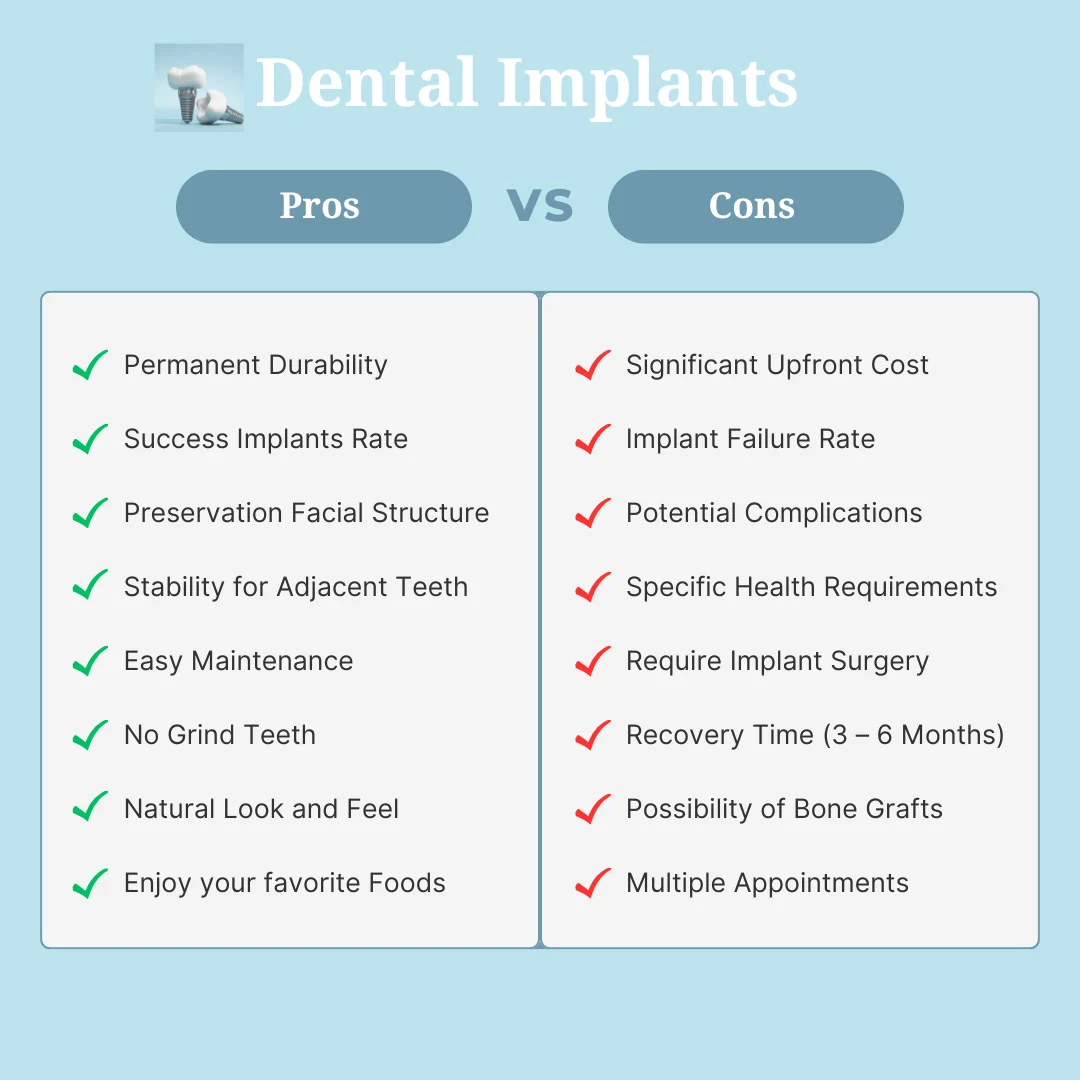
Pros and Cons of Dental Implants: A Summary
Here’s a summary of the pros and cons of dental implants:
Pros:
- Durable and long-lasting
- Stable and secure
- Natural-looking and feeling
- Preserves bone in the jawbone
- Improves chewing efficiency
- Enhances self-confidence
Cons:
- More expensive than other options
- Requires a surgical procedure
- Involves a longer treatment time
- Not suitable for everyone
- Potential for complications
Ultimately, the best tooth replacement option for you will depend on your individual needs, preferences, and circumstances. Consulting with a qualified dentist or oral surgeon is essential for making an informed decision.
FAQ About Disadvantages of Dental Implants
Here are some frequently asked questions about the disadvantages of dental implants:
What are the main disadvantages of dental implants?
The main disadvantages include the higher cost compared to alternatives, the surgical procedure involved, the extended treatment time, and the potential for complications such as infection or nerve damage. Suitability is also a factor, as not everyone is a good candidate.
How long do dental implants last and what can go wrong over time?
With proper care, dental implants can last for many years, even a lifetime. However, problems can arise over time, such as peri-implantitis (infection around the implant), loosening of the implant, or damage to the crown. Regular dental check-ups and diligent oral hygiene are essential for preventing these problems.
Are there any health risks or side effects to dental implants?
Yes, there are potential health risks and side effects associated with dental implants. These can include infection, bleeding, nerve damage, sinus problems, delayed healing, and adverse reactions to anesthesia. Choosing an experienced and qualified implant dentist and following their aftercare instructions can help minimize these risks.
Why might a dental implant fail?
Dental implants can fail for various reasons, including poor bone quality, infection, smoking, uncontrolled medical conditions, or improper implant placement. Early detection and treatment of any problems can improve the chances of saving the implant.
How much do dental implants cost and are they covered by insurance?
The cost of dental implants varies depending on the number of implants, the type of implant, the need for bone grafting, and the location. Dental insurance coverage varies widely; some plans may cover a portion of the cost, while others may not cover implants at all. It’s essential to check with your insurance provider to determine your coverage. You could also consider dental tourism to Albania where dental tourism in Albania offers competitive prices without compromising on quality.
What is the process of recovery like for dental implants?
The recovery process for dental implants varies depending on the individual and the complexity of the procedure. After implant placement, you may experience some pain, swelling, and bruising. Your dentist will provide pain medication and specific aftercare instructions to promote healing. It’s important to follow these instructions carefully and attend all follow-up appointments.
Who should not get dental implants?
Individuals with uncontrolled medical conditions, smokers, those with severe bone loss, those with active infections in the mouth, and those taking certain medications may not be suitable candidates for dental implants. A thorough evaluation by a qualified dentist or oral surgeon is essential to determine your suitability.
What are the alternatives if dental implants are not suitable?
If dental implants are not suitable for you, alternative tooth replacement options include dentures, bridges, and implant-supported dentures. The best alternative will depend on your individual needs, preferences, and budget.
Can dental implants cause allergies or rejection?
True allergic reactions to dental implants are extremely rare, as the implants are typically made of biocompatible materials like titanium. Rejection, where the body’s immune system attacks the implant, is also very rare. However, failure of osseointegration, where the implant doesn’t properly fuse with the jawbone, can occur due to factors such as poor bone quality or infection.
How do complications of dental implants compare to dentures or bridges?
Dental implants, dentures, and bridges each have their own potential complications. Dental implants can have complications like infection, nerve damage, or implant failure. Dentures can cause gum irritation, bone loss, and difficulty eating. Bridges can lead to tooth decay in the supporting teeth. Consulting with your dentist about the risks and benefits of each option can help you make an informed decision.
Conclusion: Weighing the Disadvantages for a Confident Decision
While dental implants offer a highly effective and long-lasting solution for tooth replacement, understanding the disadvantages is crucial for making an informed decision. The higher cost, surgical procedure, extended treatment time, and potential for complications are all factors to consider. By carefully weighing these disadvantages against the numerous benefits of dental implants, you can determine if they are the right choice for restoring your smile and improving your oral health. If you’re seeking high-quality and affordable dental implant treatment, consider the excellent Albania Dental Implants Services.
Ready to explore if dental implants are right for you? Contact us today for a consultation!