



Dental implants are not suitable for everyone; various factors may exclude some patients from this treatment. Understanding these limitations is crucial for ensuring the success and safety of the procedure. This comprehensive guide explores the various reasons why someone might not be a good candidate for dental implants, helping you make an informed decision about your oral health. At Albania Dental Implants, we prioritize your well-being and provide personalized assessments to determine the best course of action for your unique situation. We believe in transparency and want you to be fully aware of all aspects of dental implant treatment, including potential contraindications.
Dental implant contraindications: Who is unsuitable?
Dental implant contraindications refer to specific factors that make a patient unsuitable for receiving dental implants. These can range from underlying medical conditions to lifestyle choices that negatively impact healing and implant success. Identifying these contraindications is essential for minimizing risks and ensuring the longevity of the implants. Careful evaluation by a qualified dental professional is necessary to determine if dental implants are the right option for you. At Albania Dental Implants Services, we conduct thorough assessments to ensure patient safety and optimal outcomes. We believe in a patient-centered approach, where your health and well-being are our top priorities.
Overview of General Contraindications
General contraindications can be divided into absolute and relative categories. Absolute contraindications are conditions that completely preclude dental implant placement, while relative contraindications require careful consideration and management before proceeding. Understanding these distinctions is vital for making informed decisions about your oral health. Some general factors include:
- Uncontrolled systemic diseases
- Active infections at the implant site
- Certain psychological disorders
- Severe parafunctional habits
List of Major Medical or Dental Conditions
Certain medical conditions can significantly impact the success of dental implants. These conditions may compromise the body’s ability to heal properly or increase the risk of complications. It’s important to disclose your complete medical history to your dentist to ensure a safe and effective treatment plan. In some cases, managing these conditions can improve your eligibility for implants. The expert team at Albania Dental Implants is experienced in handling complex cases and finding solutions that work for you. Our focus is on providing safe and effective treatment, tailored to your unique needs.
Medical reasons not to have dental implants
Medical reasons can significantly impact dental implant eligibility. Certain chronic illnesses, immunosuppressive treatments, and other health conditions can compromise the body’s ability to heal and integrate the implant. Open communication with your dentist about your medical history is critical for ensuring a successful outcome. Alternative solutions might be recommended if implants are deemed unsuitable. At Albania Dental Implants, we consider all aspects of your health to provide the best possible care. Our dentists are highly trained and experienced in managing patients with complex medical histories. We strive to provide the highest standard of care and ensure your safety and comfort throughout the entire process.
Chronic illnesses (e.g., uncontrolled diabetes)
Uncontrolled diabetes can severely impair the healing process after dental implant surgery. High blood sugar levels can lead to increased risk of infection and poor bone integration, significantly reducing the chances of implant success. Managing your diabetes effectively through medication and lifestyle changes can improve your eligibility for implants. According to the American Diabetes Association, individuals with well-controlled diabetes can often undergo dental implant procedures with similar success rates as non-diabetics. Albania Dental Implants collaborates with your physician to manage your diabetes and make sure you have the best possible oral health. We prioritize patient safety and optimal results. We believe that with proper preparation and care, many patients with diabetes can successfully receive dental implants.
Immunosuppressive treatments (chemotherapy, organ transplant)
Immunosuppressive treatments, such as chemotherapy and those required after organ transplant, can weaken the body’s immune system, making it more susceptible to infection and hindering the healing process after dental implant surgery. These treatments can significantly increase the risk of implant failure. Careful planning and coordination with your medical team are essential. In some cases, delaying implant placement until after the immunosuppressive treatment is complete may be recommended. A study published in the “Journal of Oral Implantology” found that patients undergoing immunosuppressive therapy have a higher risk of implant failure compared to healthy individuals. Albania Dental Implants provides comprehensive assessment and individualized treatment planning for your dental health needs. Our experts work closely with your medical team to ensure the best possible results and to prioritize your health.
Severe osteoporosis
Severe osteoporosis, a condition characterized by decreased bone density, can make it difficult for the jawbone to properly integrate with dental implants. The reduced bone density can compromise the stability and long-term success of the implants. Bone grafting procedures may be necessary to improve bone density before implant placement. Research from the National Osteoporosis Foundation suggests that maintaining adequate calcium and vitamin D intake can help improve bone health. Albania Dental Implants provides bone grafting in Albania to ensure sufficient bone support for the implants. We use advanced techniques and materials to maximize bone regeneration and improve your chances of a successful outcome. We will help you determine if your bone density is sufficient for implant placement and explore all available options to achieve the smile you deserve.
Bleeding disorders
Bleeding disorders can pose a significant risk during dental implant surgery. These disorders can increase the risk of excessive bleeding, which can complicate the procedure and hinder the healing process. Careful management with your hematologist is necessary to minimize these risks. Pre-operative blood tests and adjustments to medication may be required. Albania Dental Implants takes extra precautions when treating patients with bleeding disorders. Our dentists work closely with your medical team to ensure a safe and successful procedure. We utilize specialized techniques and equipment to minimize bleeding and promote optimal healing.
Oral health risks and dental implants
Oral health risks play a significant role in determining your suitability for dental implants. Untreated gum disease, insufficient jawbone, and ongoing oral infections can compromise the success and longevity of the implants. Addressing these issues before proceeding with implant placement is crucial for ensuring a positive outcome. At Albania Dental Implants, we prioritize your oral health and provide comprehensive treatment to address any existing issues. Our commitment to excellence ensures you get the best possible care.
Untreated gum disease (periodontitis)
Untreated gum disease, also known as periodontitis, can lead to bone loss and inflammation, compromising the stability of dental implants. The infection and inflammation can prevent proper osseointegration, the process by which the implant fuses with the jawbone. Treating gum disease before implant placement is essential for ensuring long-term success. According to the American Academy of Periodontology, successful implant outcomes rely heavily on healthy periodontal tissues. Albania Dental Implants offers comprehensive periodontal treatment to address gum disease and prepare your mouth for implants. Our expert periodontists use advanced techniques to eliminate infection and restore healthy gums. This proactive approach greatly increases the chances of implant success.
Insufficient jawbone or bone density
Insufficient jawbone or bone density can make it difficult to place dental implants securely. The implants require adequate bone support to ensure stability and proper function. Bone loss can occur due to various factors, including tooth extraction, gum disease, or trauma. Bone grafting procedures can be used to augment the jawbone and create a suitable foundation for implants. A study published in the “International Journal of Oral & Maxillofacial Implants” found that bone grafting significantly improves implant success rates in patients with insufficient bone volume. Albania Dental Implants specializes in bone augmentation techniques to address bone loss and improve implant eligibility. Our experienced surgeons use cutting-edge technology and materials to achieve optimal bone regeneration and ensure long-term implant stability. This approach allows us to provide dental implants in Albania to more patients, even those with significant bone loss.
Ongoing oral infections
Ongoing oral infections, such as tooth abscesses or infected root canals, can compromise the healing process and increase the risk of implant failure. The infection can spread to the implant site, preventing proper osseointegration and leading to implant instability. Resolving any oral infections before implant placement is crucial. Albania Dental Implants thoroughly assesses your oral health to identify and treat any existing infections before proceeding with implants. Our comprehensive approach ensures a clean and healthy environment for successful implant integration. Our dentists are highly skilled in diagnosing and treating all types of oral infections, ensuring the best possible outcome for your implant procedure.
Lifestyle factors affecting dental implant eligibility
Lifestyle factors significantly influence dental implant eligibility. Habits like heavy smoking and poor oral hygiene can negatively impact healing and implant success. Addressing these factors can improve your chances of a positive outcome. At Albania Dental Implants, we emphasize the importance of a healthy lifestyle for maximizing the longevity and success of your implants. We provide guidance and support to help you make the necessary changes for optimal oral health.
Heavy smoking and poor oral hygiene
Heavy smoking significantly impairs the healing process after dental implant surgery. Smoking reduces blood flow to the gums, hindering tissue regeneration and increasing the risk of infection. Poor oral hygiene can lead to plaque buildup and gum disease, further compromising implant stability. Quitting smoking and improving your oral hygiene routine can significantly improve your eligibility for implants. A study published in the “Journal of Periodontology” found that smokers have a significantly higher risk of implant failure compared to non-smokers. Albania Dental Implants strongly advises patients to quit smoking before undergoing implant surgery. We provide resources and support to help you quit and improve your oral hygiene habits. We also offer comprehensive cleaning and maintenance programs to ensure the long-term health of your implants.
Age-related factors (very young, jaw not fully developed)
Age-related factors can influence dental implant eligibility. In very young patients, the jawbone may not be fully developed, making implant placement premature. In older adults, certain age-related health conditions may increase the risk of complications. Careful evaluation and planning are necessary to determine the appropriate timing for implant placement. The best age for dental implants is when the jaw has finished growing. Albania Dental Implants assesses each patient individually to determine the optimal time for implant placement. Our experienced dentists consider all age-related factors to ensure a safe and successful procedure. We believe in providing personalized care that meets the unique needs of each patient.
Alternatives to dental implants
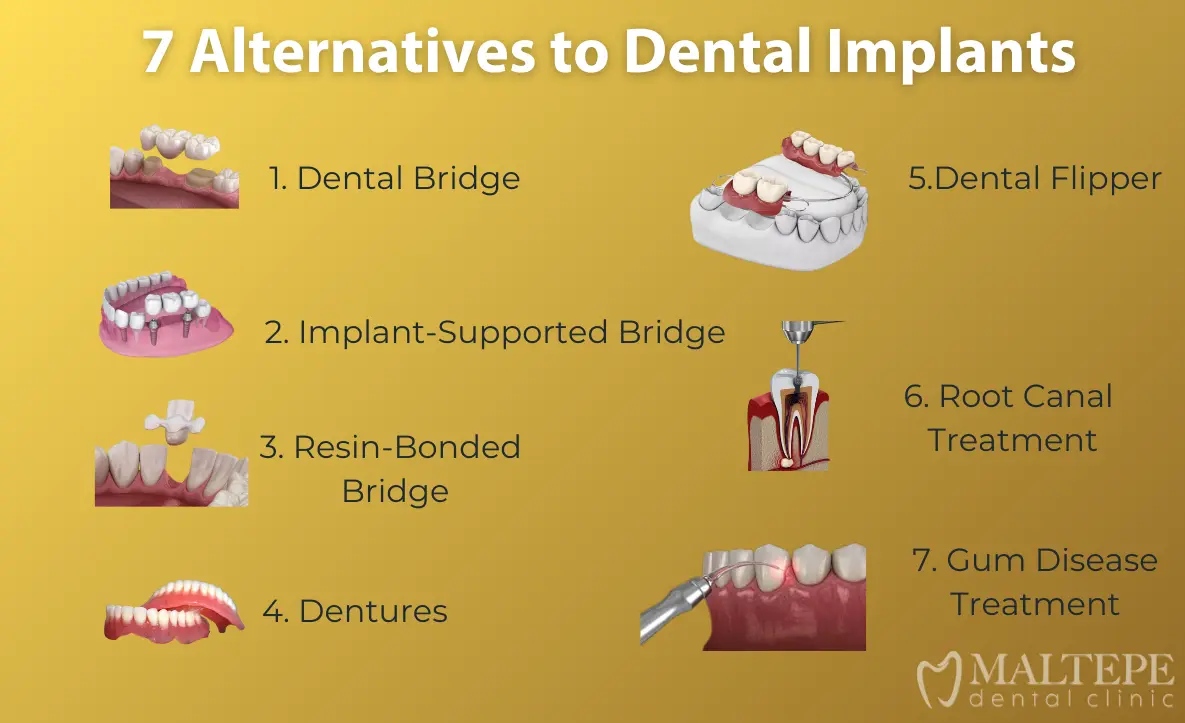
Alternatives to dental implants offer viable solutions for individuals who are not suitable candidates for implants or who prefer a less invasive option. These alternatives include dentures, bridges, and partial implants, each with its own advantages and disadvantages. Understanding these options can help you make an informed decision about restoring your smile. At Albania Dental Implants, we offer a range of tooth replacement solutions to meet your individual needs and preferences. Our team will carefully evaluate your situation and recommend the best option for you.
Dentures
Dentures are removable appliances that can replace missing teeth. They are a more affordable alternative to dental implants but may not provide the same level of stability and function. Dentures require regular maintenance and may need to be adjusted over time. There are three types of dentures, and each has unique advantages. Albania Dental Implants offers custom-fitted dentures that provide a comfortable and natural-looking solution for missing teeth. Our dentures are made from high-quality materials and are designed to last. We also provide ongoing support and adjustments to ensure a perfect fit.
Bridges
Bridges are fixed dental restorations that span the gap between missing teeth. They are supported by the adjacent teeth, which may need to be prepared to accommodate the bridge. Bridges provide a more stable and functional solution than dentures but may not be as durable as dental implants. An implant bridge offers a solid support for missing teeth. Albania Dental Implants offers a variety of dental bridges to restore your smile and improve your chewing function. Our skilled technicians create bridges that blend seamlessly with your natural teeth. We prioritize aesthetics and functionality to give you a confident and comfortable smile.
Partial implants
Partial implants, such as mini dental implants, offer a less invasive and more affordable alternative to traditional implants. These implants are smaller in diameter and require less bone support, making them suitable for patients with mild bone loss. Mini implants are often used to stabilize dentures or replace smaller teeth. At Albania Dental Implants, we utilize advanced techniques and materials to maximize the benefits of partial implants. Our experienced surgeons ensure precise placement and optimal stability. Our team will help you determine if partial implants are the right solution for your individual needs.
FAQ: Common Questions About Who Can’t Have Dental Implants
Understanding who is not a good candidate for dental implants is essential for making informed decisions about your oral health. This FAQ section addresses common questions and concerns about dental implant eligibility, risks, and alternatives. At Albania Dental Implants, we believe in empowering our patients with knowledge so they can make the best choices for their smile. We encourage you to contact us with any additional questions or concerns you may have.
Who is considered ineligible for dental implants?
Individuals with certain uncontrolled medical conditions, such as severe diabetes or bleeding disorders, may be considered ineligible for dental implants. Patients with insufficient jawbone or ongoing oral infections may also not be suitable candidates. Heavy smokers and those with poor oral hygiene habits may face a higher risk of implant failure. In addition, people that have severe osteoporosis. A comprehensive evaluation by a qualified dental professional is necessary to determine your eligibility. Albania Dental Implants conducts thorough assessments to identify any potential risk factors and ensure a safe and successful outcome.
Can people with osteoporosis get dental implants?
People with osteoporosis can get dental implants, but the success of the procedure depends on the severity of the condition and the quality of the bone. Mild to moderate osteoporosis may not be a contraindication, but severe osteoporosis can compromise the stability and long-term success of the implants. Bone grafting procedures may be necessary to improve bone density before implant placement. Albania Dental Implants utilizes advanced bone augmentation techniques to address bone loss and improve implant eligibility for patients with osteoporosis. We work closely with your physician to manage your condition and optimize your chances of a successful outcome.
Does gum disease disqualify me from implants?
Gum disease, also known as periodontitis, does not automatically disqualify you from getting dental implants, but it must be treated and controlled before implant placement. Untreated gum disease can lead to bone loss and inflammation, compromising the stability of the implants. Successful implant outcomes rely heavily on healthy periodontal tissues. Albania Dental Implants offers comprehensive periodontal treatment to address gum disease and prepare your mouth for implants. Our expert periodontists use advanced techniques to eliminate infection and restore healthy gums. This proactive approach greatly increases the chances of implant success.
Are smokers unable to have dental implants?
Smokers are not necessarily unable to have dental implants, but they face a higher risk of implant failure compared to non-smokers. Smoking impairs the healing process, reduces blood flow to the gums, and increases the risk of infection. Quitting smoking can significantly improve your eligibility and increase the chances of a successful outcome. Albania Dental Implants strongly advises patients to quit smoking before undergoing implant surgery. We provide resources and support to help you quit and improve your oral hygiene habits. We also offer comprehensive cleaning and maintenance programs to ensure the long-term health of your implants.
Do age restrictions apply for dental implants?
Age restrictions do apply for dental implants, particularly in very young patients whose jawbones are not fully developed. Implant placement is generally not recommended until the jaw has reached its full growth potential. In older adults, certain age-related health conditions may increase the risk of complications. Careful evaluation and planning are necessary to determine the appropriate timing for implant placement. Albania Dental Implants assesses each patient individually to determine the optimal time for implant placement. Our experienced dentists consider all age-related factors to ensure a safe and successful procedure. We believe in providing personalized care that meets the unique needs of each patient.
What are alternatives if I can’t get dental implants?
If you are not a suitable candidate for dental implants, several alternatives are available, including dentures, bridges, and partial implants. Dentures are removable appliances that can replace missing teeth. Bridges are fixed dental restorations that span the gap between missing teeth. Partial implants, such as mini dental implants, offer a less invasive and more affordable option. Albania Dental Implants offers a range of tooth replacement solutions to meet your individual needs and preferences. Our team will carefully evaluate your situation and recommend the best option for you.
If you’re looking for more affordable options, consider exploring dental tourism in Albania.
Dental implants offer a life-changing solution for missing teeth, but understanding who can’t have dental implants is equally important. Albania Dental Implants is committed to providing personalized assessments and comprehensive treatment plans to ensure the best possible outcome for every patient. Whether you are a good candidate for implants or require an alternative solution, we are here to help you restore your smile and improve your oral health. Contact Albania Dental Implants today to schedule a consultation and take the first step towards a confident and healthy smile!