



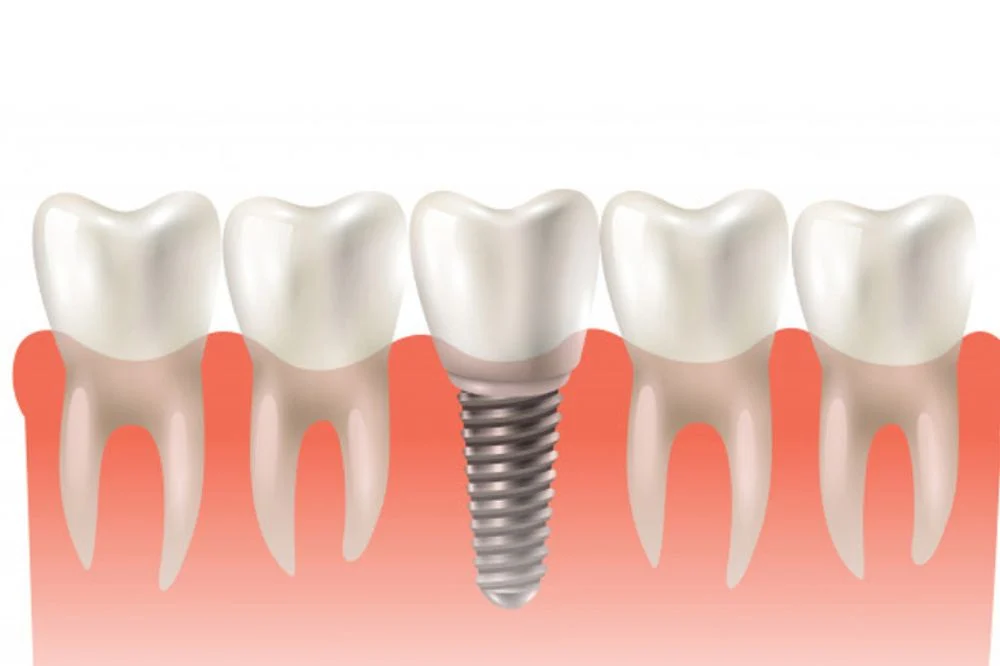

A poor candidate for dental implants is typically an individual who has certain medical, dental, or lifestyle conditions that significantly limit the success of implant treatment. Understanding the various factors impacting dental implant eligibility is crucial before considering this tooth replacement option. At Albania Dental Implants, we prioritize patient safety and successful outcomes, carefully evaluating each individual’s suitability for implant procedures.
Dental implant contraindications
Certain medical conditions, insufficient bone, gum disease, and poor hygiene can present as dental implant contraindications. Assessing these factors is critical for ensuring a successful implant procedure. Here at Albania Dental Implants, we conduct thorough evaluations to determine candidacy.
Severe medical conditions
Severe uncontrolled systemic diseases such as diabetes can compromise healing and osseointegration (the process of the implant fusing with the bone). Cancer patients undergoing active treatment, particularly radiation therapy to the head and neck, may also be unsuitable due to compromised bone health and immune function. Similarly, individuals with significant immunosuppression (e.g., organ transplant recipients on anti-rejection medication) face a higher risk of infection and implant failure. If you are considering dental implants in Albania a through medical checkup is neccesary.
Insufficient bone volume or density
Dental implants require adequate bone support for stability and long-term success. Individuals with significant bone loss in the jaw, often due to prolonged tooth loss or periodontal disease, may not have enough bone to support an implant. Osteoporosis, a condition characterized by decreased bone density, can also affect implant stability. In such cases, procedures like bone grafting in Albania may be necessary to augment the bone before implant placement.
Chronic gum disease (periodontitis)
Active or uncontrolled periodontitis can jeopardize the success of dental implants. Gum disease causes inflammation and bone loss around the teeth, and this inflammation can easily spread to the implant, leading to peri-implantitis (inflammation around the implant). Peri-implantitis can eventually lead to implant failure. Eradicating gum disease and maintaining excellent oral hygiene are essential before considering dental implants.
Poor oral hygiene habits
Maintaining good oral hygiene is paramount for the long-term success of dental implants. Individuals with poor oral hygiene habits are at a higher risk of developing infections and peri-implantitis. Thorough brushing, flossing, and regular dental check-ups are crucial for preventing these complications. At Albania Dental Implants, we emphasize patient education on proper oral hygiene techniques for maintaining implant health.
Medical conditions affecting dental implants
Certain medical conditions affecting dental implants can significantly influence treatment outcomes. Managing these conditions effectively is paramount for ensuring implant success. We collaborate with patients and their physicians to develop comprehensive treatment plans at Albania Dental Implants.
Uncontrolled systemic diseases (diabetes, heart disease)
Uncontrolled diabetes can impair wound healing and increase the risk of infection, potentially leading to implant failure. Similarly, individuals with severe heart disease may not be suitable candidates due to the risks associated with surgical procedures. Proper management of these systemic diseases is crucial before considering dental implants. According to the American Diabetes Association, maintaining stable blood sugar levels significantly improves the success rate of dental implants in diabetic patients.
Patients receiving radiation therapy to the jaw
Radiation therapy to the jaw can damage bone cells and reduce blood supply, increasing the risk of osteoradionecrosis (bone death) and impairing osseointegration. Dental implant placement in irradiated bone is generally not recommended, or requires special considerations and protocols. Consulting with an oncologist and a skilled implantologist is essential for assessing the risks and benefits.
Autoimmune disorders
Autoimmune disorders, such as rheumatoid arthritis and lupus, can affect the body’s healing response and increase the risk of inflammation. These conditions may compromise osseointegration and increase the risk of implant failure. A thorough evaluation and consultation with a rheumatologist are necessary to assess the suitability for dental implants. Certain medications used to manage autoimmune disorders, such as corticosteroids, can also affect bone health and healing.
Bone loss and dental implants
The connection between bone loss and dental implants is crucial. Adequate bone is essential for implant stability. In cases of significant bone loss, procedures like bone grafting are often necessary. Albania Dental Implants offers specialized bone grafting in Albania to address bone deficiencies.
Advanced bone loss in the jaw
Advanced bone loss, resulting from factors like prolonged tooth loss, periodontal disease, or trauma, can significantly reduce the amount of available bone for implant placement. This can lead to instability and eventual implant failure. Radiographic evaluations, such as cone-beam computed tomography (CBCT) scans, are essential for accurately assessing the extent of bone loss and planning appropriate treatment strategies.
Osteoporosis
Osteoporosis, a systemic disease characterized by decreased bone density and increased bone fragility, can affect the jawbone and compromise implant stability. While osteoporosis doesn’t automatically disqualify someone from getting dental implants, it does increase the risk of failure. Bone density assessments and medical management of osteoporosis are crucial for optimizing implant success. According to the National Osteoporosis Foundation, proper calcium and vitamin D intake, along with prescribed medications, can improve bone density and reduce fracture risk.
Lack of bone grafting options
In some cases, even with bone grafting procedures, it may not be possible to regenerate enough bone to support dental implants. This may occur due to anatomical limitations, poor blood supply, or underlying medical conditions that impair bone healing. In such situations, alternative tooth replacement options, such as dentures or bridges, may be more suitable.
Gum disease and dental implants
Gum disease and dental implants have an inverse relationship: Active gum disease is a major risk factor for implant failure. Addressing gum disease is a prerequisite for successful implant treatment. At Albania Dental Implants, we prioritize periodontal health prior to implant placement.
Active or untreated periodontitis
Active periodontitis (gum disease) creates an inflammatory environment that can easily spread to the tissues surrounding the dental implant, leading to peri-implantitis. Peri-implantitis is a serious condition that can cause bone loss around the implant and eventually lead to implant failure. Before considering dental implants, it is essential to undergo thorough periodontal treatment to eliminate the infection and stabilize the gums.
History of failed periodontal therapy
Individuals with a history of failed periodontal therapy may be at a higher risk of developing peri-implantitis, even after successful implant placement. This is because the underlying susceptibility to gum disease may still be present. In such cases, meticulous oral hygiene and regular periodontal maintenance are crucial for preventing complications. Patients might consider dental tourism in Albania.
Lifestyle factors influencing dental implant outcomes
Certain lifestyle factors influencing dental implant outcomes can significantly impact the success of dental implants. Modifying these habits can improve the chances of a positive outcome. We counsel our patients on the importance of lifestyle choices at Albania Dental Implants.
Heavy smoking or tobacco use
Smoking and all forms of tobacco use significantly impair wound healing and increase the risk of infection, both of which can lead to implant failure. Smoking reduces blood flow to the gums and jawbone, hindering osseointegration. Smokers have a significantly higher risk of developing peri-implantitis and implant failure compared to non-smokers. Quitting smoking is strongly recommended before considering dental implants. According to the Centers for Disease Control and Prevention (CDC), smokers are nearly twice as likely to experience implant failure compared to non-smokers.
Excessive alcohol consumption
Excessive alcohol consumption can also impair wound healing and increase the risk of infection. Alcohol can interfere with bone metabolism and reduce bone density, potentially affecting implant stability. Moderate alcohol consumption is generally considered safe, but heavy or chronic alcohol use can negatively impact implant outcomes.
Poor commitment to postoperative care
Following the dentist’s instructions for postoperative care is essential for successful implant healing and long-term maintenance. This includes taking prescribed medications, maintaining excellent oral hygiene, and attending regular follow-up appointments. Poor commitment to postoperative care can increase the risk of infection, inflammation, and implant failure. At Albania Dental Implants, we provide comprehensive postoperative instructions and support to ensure optimal healing and implant longevity. And when considering cost of dental implants in Albania, the investment is substantial.
Alternatives to dental implants for poor candidates
Even if you’re a poor candidate for dental implants, there are viable alternatives to dental implants. These options can still restore your smile and improve oral function. At Albania Dental Implants, we offer a range of alternative solutions tailored to individual needs.
Dentures
Dentures are removable appliances that replace missing teeth. Complete dentures replace all the teeth in an arch, while partial dentures replace only some teeth. Dentures are a more affordable alternative to dental implants, but they can be less stable and require more maintenance. While dentures are still an option, many of our clients prefer to explore the possibility of dental implants in Albania.
Bridges
Dental bridges are fixed prosthetic devices that span the gap created by one or more missing teeth. A traditional bridge consists of a pontic (artificial tooth) that is supported by crowns placed on the adjacent teeth. Bridges are a less invasive alternative to dental implants, but they do require altering the adjacent teeth. The cost of a dental bridge is also typically lower than that of a dental implant. Learn about the advantages of full mouth reconstruction in Albania.
Partial prostheses
Partial prostheses, also known as removable partial dentures, are similar to partial dentures but are typically made of metal framework with acrylic teeth. Partial prostheses are another option for replacing missing teeth, but they can be less comfortable and stable than dental implants or bridges.
Risks and complications for unsuitable candidates
For unsuitable candidates, the risks of dental implants are significantly increased. Understanding these risks is essential for making informed decisions. We prioritize patient safety and transparency at Albania Dental Implants, thoroughly discussing potential complications.
Higher risk of implant failure
Unsuitable candidates are at a significantly higher risk of experiencing implant failure, which can be a frustrating and costly experience. Implant failure can occur due to various reasons, including poor osseointegration, infection, or mechanical overload. Addressing the underlying risk factors before considering dental implants is crucial for minimizing the risk of failure.
Potential complications (infection, poor osseointegration, implant rejection)
Unsuitable candidates are also at a higher risk of developing various complications after implant placement, such as infection, poor osseointegration (failure of the implant to fuse with the bone), and, in rare cases, implant rejection. These complications can require additional treatment and may ultimately lead to implant failure. According to a study published in the Journal of Periodontology, patients with uncontrolled diabetes have a three times higher risk of developing peri-implantitis compared to patients with well-controlled diabetes.
What medical conditions make someone a poor candidate for dental implants?
Several medical conditions can make someone a poor candidate for dental implants. These include uncontrolled diabetes, severe heart disease, active cancer treatment (especially radiation therapy to the head and neck), autoimmune disorders, and significant immunosuppression. These conditions can compromise healing, increase the risk of infection, or affect bone metabolism, all of which can negatively impact implant success. A through medical checkup at our dental clinic in Albania is neccesary.
How does bone loss affect the eligibility for dental implants?
Bone loss significantly impacts eligibility for dental implants. Adequate bone volume and density are essential for providing stability and support to the implant. If there is insufficient bone, the implant may not be able to properly osseointegrate, leading to instability and eventual failure. In cases of bone loss, bone grafting in Albania may be necessary to augment the bone before implant placement.
Can gum disease disqualify you from getting dental implants?
Yes, active or untreated gum disease (periodontitis) can disqualify you from getting dental implants. Gum disease causes inflammation and bone loss around the teeth, and this inflammation can easily spread to the implant, leading to peri-implantitis. Peri-implantitis can cause bone loss around the implant and eventually lead to implant failure. Therefore, it is essential to undergo thorough periodontal treatment to eliminate gum disease before considering dental implants.
Why does smoking make someone a poor candidate for dental implants?
Smoking and dental implants are a bad combination. Smoking impairs wound healing, reduces blood flow to the gums and jawbone, and increases the risk of infection. All of these factors can negatively impact osseointegration and increase the risk of implant failure. Smokers are also at a higher risk of developing peri-implantitis. Quitting smoking is strongly recommended before considering dental implants.
Are there alternatives if you’re a poor candidate for dental implants?
Yes, there are several alternatives to dental implants if you’re deemed a poor candidate. These include dentures, bridges, and partial prostheses. Dentures are removable appliances that replace missing teeth, while bridges are fixed prosthetic devices that span the gap created by missing teeth. Partial prostheses are removable appliances that replace some, but not all, of the teeth in an arch. The best alternative depends on your individual needs, preferences, and budget. Many of our patients decide to consider dental tourism in Albania if the alternatives are not an option.
What are the risks if dental implants are placed in poor candidates?
The risks of dental implants are amplified in poor candidates. Placing dental implants in individuals with contraindicating medical conditions or lifestyle factors increases the risk of implant failure, infection, poor osseointegration, and other complications. These complications can require additional treatment and may ultimately lead to implant loss. It’s crucial to consult with a qualified implantologist to assess your individual risk factors and determine your suitability for dental implants.
How can a patient improve their eligibility for dental implants?
A patient can take several steps to improve their eligibility for dental implants. These include managing underlying medical conditions, quitting smoking, improving oral hygiene, and undergoing bone grafting if necessary. Proper management of medical conditions, such as diabetes, can improve wound healing and reduce the risk of infection. Quitting smoking can significantly improve blood flow to the gums and jawbone. Meticulous oral hygiene can prevent gum disease and peri-implantitis. Bone grafting can augment the bone in cases of bone loss. Contact contact Albania Dental Implants for more information.
What happens if a dental implant fails in a poor candidate?
If a dental implant fails in a poor candidate, it typically requires removal. The area may need to be cleaned and treated to address any infection or inflammation. Depending on the reason for the failure, additional bone grafting may be necessary before attempting to place another implant. In some cases, alternative tooth replacement options, such as dentures or bridges, may be more suitable. The team at Albania Dental Implants Services are specialized in these kinds of procedures.
Considering Dental Implants? Choose Albania Dental Implants for Expert Care
Dental implants offer a life-changing solution for missing teeth, restoring both function and confidence. However, not everyone is an ideal candidate. At Albania Dental Implants, we prioritize your health and safety, conducting comprehensive evaluations to determine your suitability for implant procedures. Our experienced team of implantologists utilizes the latest technology and techniques to ensure optimal outcomes. If you’re considering dental implants, contact us today for a consultation. We can assess your individual needs, discuss your options, and help you achieve a healthy, beautiful smile. Furthermore, you can save significantly on the cost of dental implants in Albania.