


Many people consider dentures as a solution for missing teeth, but who is not suitable for dentures? This guide explores the medical, dental, and lifestyle factors that may make dentures an unsuitable option for certain individuals.
Understanding Denture Suitability
Millions of people worldwide rely on dentures to restore their smile and chewing function. However, dentures aren’t a one-size-fits-all solution. Suitability depends on various factors, including your overall health, the condition of your mouth, and your lifestyle. This article aims to provide a comprehensive overview of the factors that determine whether dentures are the right choice for you. If dentures are not a viable solution, consider Dental Tourim Albania for alternative treatments.
Denture Suitability Factors
Several factors can influence whether dentures are a suitable option for you. These include:
- Medical Conditions: Certain health conditions can increase the risk of complications or affect the fit and comfort of dentures.
- Dental Issues: The health of your gums and jawbone plays a crucial role in supporting dentures.
- Lifestyle: Habits like smoking and dry mouth can impact denture wear.
What This Article Will Cover
This article will delve into the following:
- Medical conditions that may make dentures unsuitable.
- Dental and oral health issues that can prevent denture use.
- Lifestyle and practical factors to consider.
- Potential risks and complications for unsuitable candidates.
- Alternatives to dentures.
- When to consult a dentist for professional advice.
Medical Conditions That Make Dentures Unsuitable
Cluster keyword: Denture contraindications
Certain medical conditions can significantly impact the success and comfort of dentures. It’s essential to consider these factors before deciding on dentures as a tooth replacement option. People with allergies or specific medical conditions should seek the advice of a qualified dentist to explore suitable options. Consider cosmetic dentistry in albania.
FAQ: Who should not get dentures?
Several medical conditions can make dentures a less than ideal option. These conditions can affect healing, increase the risk of infection, or compromise the fit and stability of the dentures.
Severe Uncontrolled Diabetes
Patients with severe, uncontrolled diabetes are often at higher risk of infection and experience impaired healing. This can lead to complications with denture fit and increased discomfort. Good blood sugar control is paramount before considering dentures. Stats show that uncontrolled diabetics have a 2-3 times higher risk of oral infections. The NHS also advises caution in denture fitting for individuals with uncontrolled diabetes due to the risk of poor wound healing.
Autoimmune Diseases
Autoimmune diseases, such as lupus and Sjögren’s syndrome, can affect the mouth’s ability to tolerate dentures. Sjögren’s syndrome, in particular, causes severe dry mouth, which can make denture wear extremely uncomfortable and increase the risk of sores and infections. A dry mouth can contribute to the instability of dentures. Autoimmune diseases may increase the risk of denture complications.
Blood Disorders
Blood disorders like haemophilia and leukaemia can also pose challenges. These conditions can increase the risk of bleeding and infection during any dental procedures, including denture fitting. Individuals with blood disorders need careful evaluation and management to minimize potential complications.
Immunosuppression
Individuals with weakened immune systems, such as those with HIV/AIDS or those undergoing post-transplant immunosuppression, are more susceptible to infections. Wearing dentures can further increase this risk. It is critical to discuss this with your dentist or care provider.
Allergies to Denture Materials
Some people may have allergies to the materials used in dentures, such as acrylic or metal. Allergic reactions can cause irritation, swelling, and discomfort. If you suspect you have an allergy, it’s important to undergo allergy testing before getting dentures. If metal allergies are a concern, then Zirconia implants in albania may be an option.
Dental and Oral Health Issues That Prevent Denture Use
Cluster keyword: Denture eligibility
In addition to medical conditions, certain dental and oral health issues can also make dentures unsuitable. A healthy oral environment is crucial for denture success. You can contact Albania Dental Implants to find out more about denture alternatives.
FAQ: Can people with gum disease get dentures?
While dentures can replace missing teeth, they may not be a viable option for individuals with severe or untreated gum disease. The condition of the gums and supporting bone structure significantly impacts denture stability and comfort.
Severe Gum Disease (Periodontitis)
Severe gum disease, or periodontitis, can cause significant bone loss and gum recession. This compromises the foundation needed to support dentures. Attempting to fit dentures over diseased gums can lead to further irritation, infection, and accelerated bone loss. Dental association guidelines recommend addressing gum disease before considering dentures. Oral surgery in albania to prepare the mouth for dentures or implants may be an option.
Untreated Oral Infections
Active oral infections, such as abscesses or fungal infections, must be resolved before getting dentures. Wearing dentures over an infection can worsen the condition and hinder healing. Untreated oral infections will complicate denture fitting.
Severe Jawbone Loss
Significant jawbone loss, often resulting from prolonged tooth loss or advanced gum disease, can make it difficult to achieve a stable and comfortable denture fit. Without sufficient bone, dentures may lack adequate support and cause pain or difficulty chewing. Consider bone grafting in albania as a possible solution.
Poor Oral Hygiene Habits
Maintaining good oral hygiene is crucial for denture wearers. Individuals with poor oral hygiene habits are at higher risk of developing infections, gum disease, and other complications that can compromise denture use. Good oral hygiene habits are essential for successful denture wear.
Lifestyle and Practical Factors
Cluster keyword: Who should avoid dentures
Beyond medical and dental health, certain lifestyle and practical factors can also influence denture suitability. These factors relate to how well you can adapt to and maintain dentures in your daily life.
FAQ: Are dentures suitable for people with dry mouth?
Dry mouth, or xerostomia, can significantly impact denture comfort and stability. Saliva plays a crucial role in lubricating the mouth, aiding chewing, and protecting against infections. A lack of saliva can make denture wear uncomfortable and increase the risk of sores and infections. If you suffer from dry mouth you may not be suitable for dentures.
Chronic Dry Mouth (Xerostomia)
Chronic dry mouth, often caused by medications, medical conditions, or radiation therapy, can make denture wear extremely challenging. Saliva helps to keep dentures in place and protect the gums from irritation. Without sufficient saliva, dentures can rub against the gums, causing discomfort and sores. People with dry mouth often find dentures difficult to wear.
Difficulty Adapting to Dentures
Some individuals, particularly elderly patients or those with cognitive issues, may find it difficult to adapt to wearing dentures. It requires practice and patience to learn how to speak and eat comfortably with dentures. Difficulty adapting to dentures can lead to frustration and poor compliance.
Poor Manual Dexterity
Proper denture care requires good manual dexterity to clean and handle the dentures effectively. Individuals with arthritis or other conditions that limit manual dexterity may find it challenging to maintain good denture hygiene. Difficulty cleaning dentures can increase the risk of infections and gum problems.
Smoking
Smoking can increase the risk of complications associated with denture wear. It can impair healing, increase the risk of infection, and contribute to gum disease and bone loss. Smoking can significantly compromise denture success. Patients testimonials can attest to the complications arising from smoking and denture use.
Risks and Complications for Unsuitable Candidates
Cluster keyword: Denture health risks
Wearing dentures when you’re not a suitable candidate can lead to various risks and complications. It’s essential to be aware of these potential problems before making a decision. Patients who are unsuitable for dentures face increased health risks.
FAQ: What are the risks of wearing dentures for unsuitable candidates?
If you are not a good candidate for dentures, wearing them can lead to several complications, ranging from discomfort and irritation to more serious health issues. It is important to take these into account.
Increased Risk of Infection
Unsuitable candidates are at a higher risk of developing oral infections, such as stomatitis (inflammation of the mouth) or fungal infections. Poor denture fit, inadequate oral hygiene, and underlying medical conditions can contribute to this increased risk. Clinical studies have shown a higher incidence of oral infections in denture wearers with compromised immune systems. Increased risk of infection is a significant concern for unsuitable denture candidates.
Poor Fit, Discomfort, and Sores
If dentures don’t fit properly due to bone loss, gum disease, or other factors, they can cause discomfort, irritation, and sores. Ill-fitting dentures can rub against the gums, leading to pain and inflammation. Poorly fitting dentures cause discomfort and increase risk of sores.
Difficulty Eating and Speaking
Dentures that are not well-supported or properly fitted can make it difficult to eat and speak clearly. This can affect your nutrition and social interactions. Patients may also experience frustration and low self-esteem. Poorly fitted dentures can affect eating and speaking abilities.
Psychological Impact
The challenges and complications associated with wearing dentures when you’re not a suitable candidate can also have a psychological impact. Frustration, discomfort, and difficulty adapting to dentures can lead to low self-esteem and reduced quality of life. Clinical studies highlight the psychological impact of ill-fitting dentures on patient well-being.
Alternatives to Dentures
Cluster keyword: Denture alternatives
If dentures aren’t the right choice for you, several alternative tooth replacement options are available. Each option has its own advantages and disadvantages, so it’s important to discuss them with your dentist. Alternatives to dentures include dental implants and bridges.
FAQ: What are the alternatives to dentures for people who can’t wear them?
Several alternatives to dentures are available, each offering a different approach to replacing missing teeth. These options vary in terms of cost, invasiveness, and long-term outcomes. Finding the right option depends on your dental needs and budget.
Dental Implants
Dental implants are a popular and long-lasting alternative to dentures. They involve surgically placing a titanium post into the jawbone, which then supports a crown, bridge, or denture. Dental implants offer excellent stability and a natural-looking appearance. They are a great alternative to dentures. However, they require sufficient bone density, cost of dental implants in albania must be taken into account. Depending on the amount of teeth missing, you may need: How Many Implants Do You Need for 3 Missing Teeth?.
Bridges
Dental bridges are a non-surgical option for replacing one or more missing teeth. A bridge consists of a false tooth (pontic) that is anchored to adjacent teeth with crowns. Bridges are less invasive than implants but may not be as stable or long-lasting. Bridges offer a less invasive tooth replacement option.
Partial Dentures
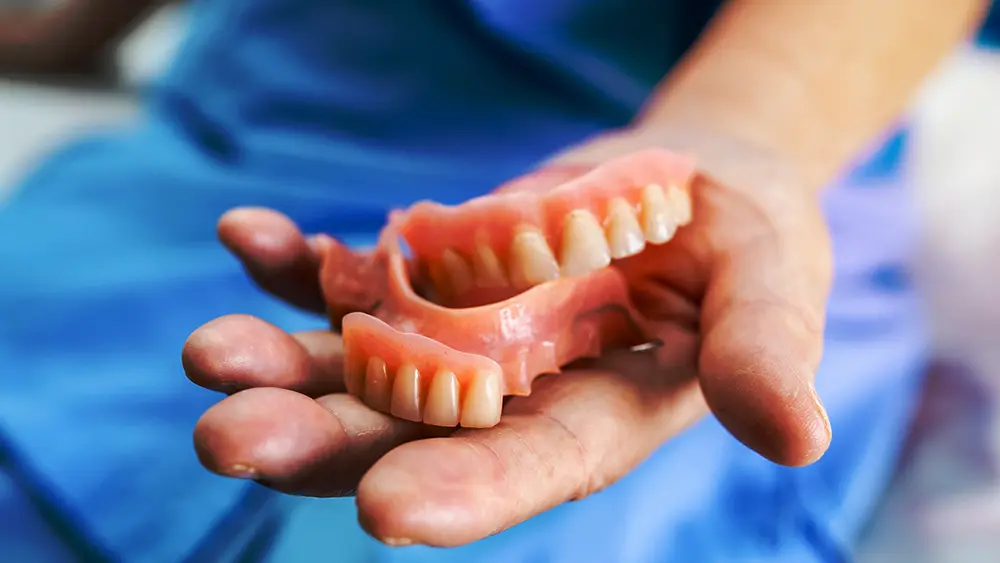
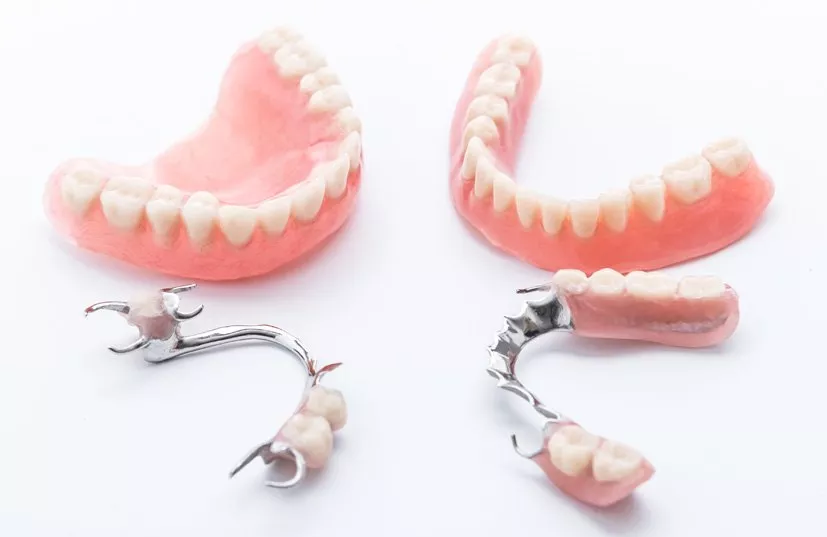
Partial dentures are similar to full dentures but are used to replace only a few missing teeth. They are removable and can be a more affordable alternative to implants or bridges. If full dentures are unsuitable then partial dentures could be the solution.
No Treatment
While not recommended, some individuals may choose to forgo tooth replacement altogether. However, this can lead to various oral health problems, such as shifting of adjacent teeth, bone loss, and difficulty chewing. No treatment can lead to further dental problems. Patients are advised to seek advice from a dentist. A dentist will guide you in making the best decision for yourself.
When to Consult a Dentist
Cluster keyword: Denture suitability factors
The best way to determine if dentures are suitable for you is to consult with a dentist. A professional assessment can help you identify any potential risks and explore the most appropriate tooth replacement options. An expert dental opinion is the best way to determine denture suitability.
FAQ: Are dentures safe for elderly patients?
Dentures can be a safe and effective tooth replacement option for elderly patients, but certain considerations are important. Elderly individuals may have underlying medical conditions or cognitive issues that can affect their ability to adapt to and care for dentures. Elderly patients may face challenges with denture use.
Importance of Professional Assessment
A comprehensive dental exam is essential to assess your oral health and identify any potential issues that could affect denture success. The dentist will evaluate your gums, jawbone, and overall oral hygiene. Professional assessment ensures proper denture fit and comfort. They will also take the time to discuss any denture alternatives that may work.
Signs You May Not Be Suitable for Dentures
If you experience any of the following, you may not be a suitable candidate for dentures:
- Severe gum disease
- Significant jawbone loss
- Chronic dry mouth
- Difficulty adapting to removable appliances
- Allergies to denture materials
Questions to Ask Your Dentist
When consulting with your dentist, ask the following questions:
- Am I a good candidate for dentures based on my oral health?
- What are the potential risks and complications associated with dentures in my case?
- What alternative tooth replacement options are available to me?
- How long will it take to adapt to wearing dentures?
- What is the best way to care for my dentures?
The NHS also offers valuable advice on dental care and treatment options. It is wise to seek information from different sources to inform your dental decisions. Consider visiting Dental Clinic in Albania if it better suits your dental needs.
Conclusion
Deciding whether dentures are right for you involves careful consideration of various medical, dental, and lifestyle factors. While dentures can be a viable solution for many people with missing teeth, they are not a one-size-fits-all option. Factors such as uncontrolled diabetes, severe gum disease, and chronic dry mouth can make dentures unsuitable.
A thorough assessment and discussion with a dental professional are crucial in determining the best tooth replacement option for your individual needs. Remember that alternatives like dental implants and bridges may offer a more stable and comfortable solution for some individuals.
Don’t hesitate to seek expert advice and explore all available options to restore your smile and improve your quality of life. Book a consultation today with Albania Dental Implants to discuss your options and determine the most appropriate treatment plan for you. We offer dental tourism in albania to cater to our clients with a limited budget.