



Who should not get dental implants is an essential consideration for anyone exploring tooth replacement options. While dental implants are a popular and effective solution for missing teeth, certain medical, anatomical, and lifestyle factors can make individuals unsuitable candidates. Understanding these contraindications is crucial for ensuring the success and safety of the procedure. At Albania Dental Implants, we prioritize patient safety and provide thorough evaluations to determine the best treatment plan for each individual. Contact us to explore your dental options in Albania!
Understanding Dental Implant Suitability
Dental implant suitability is paramount for a successful and lasting outcome. Before considering dental implants, it’s important to understand what they are and how they work. We will look at the general criteria that makes someone a good candidate.
What are dental implants and how do they work?
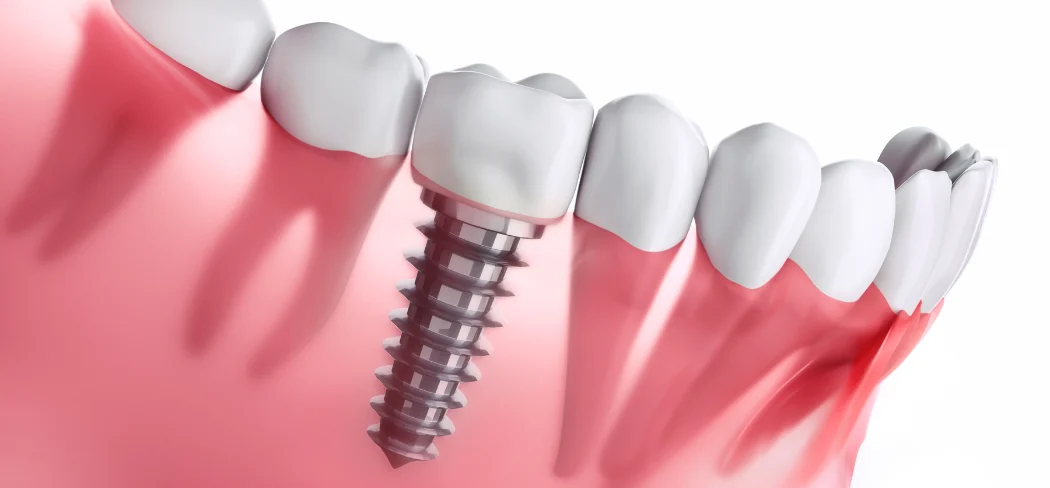
Dental implants are artificial tooth roots, typically made of titanium, that are surgically placed into the jawbone. Over time, the implant fuses with the bone through a process called osseointegration, providing a stable foundation for a replacement tooth or teeth. A crown, bridge, or denture is then attached to the implant, restoring the appearance and function of natural teeth. At Albania Dental Implants, we use the latest techniques and high-quality materials to ensure optimal results for our patients.
The process begins with a comprehensive evaluation, including X-rays and CT scans, to assess bone density and identify any potential issues. If the patient is a suitable candidate, the implant is placed during a minor surgical procedure. After a healing period of several months, the final restoration is attached, providing a durable and natural-looking solution for missing teeth.
General criteria for being a good candidate
Several factors determine whether someone is a good candidate for dental implants. These include:
- Sufficient bone density: Adequate bone volume in the jaw is necessary to support the implant.
- Good oral health: The gums and remaining teeth should be healthy and free from disease.
- Overall health: The patient should be in good general health and able to undergo minor surgery.
- Commitment to oral hygiene: Regular brushing, flossing, and dental check-ups are essential for long-term implant success.
Individuals with certain medical conditions or lifestyle habits may not be ideal candidates for dental implants. These factors will be discussed in more detail in the following sections. At Albania Dental Implants, we conduct thorough assessments to ensure that each patient meets the necessary criteria for successful implant placement. Consider Albania Dental Implants Services to get your dental implants done and fitted.
Medical Conditions That Prevent Dental Implants
Dental implant contraindications can arise from various medical conditions. Certain systemic diseases and health issues can significantly impact the success rate of dental implants. It’s important to identify these conditions beforehand to avoid potential complications. Here, we will discuss some of the most common medical conditions that may prevent someone from getting dental implants.
Uncontrolled diabetes
Uncontrolled diabetes can impair the body’s ability to heal, increasing the risk of infection and implant failure. High blood sugar levels can interfere with osseointegration, the process by which the implant fuses with the jawbone. Patients with diabetes need to have their condition well-managed before considering dental implants. This typically involves working closely with their physician to achieve stable blood sugar levels.
Studies have shown that individuals with well-controlled diabetes have a similar success rate with dental implants as non-diabetics. However, those with poorly controlled diabetes are at a significantly higher risk of complications. At Albania Dental Implants, we require diabetic patients to provide documentation from their physician confirming that their condition is under control before proceeding with implant treatment.
Autoimmune disorders
Autoimmune disorders, such as rheumatoid arthritis, lupus, and Sjogren’s syndrome, can affect the body’s immune system and inflammatory response. These conditions may increase the risk of implant failure due to impaired healing and increased susceptibility to infection. Certain medications used to treat autoimmune disorders, such as corticosteroids and immunosuppressants, can also interfere with osseointegration.
Patients with autoimmune disorders should consult with their rheumatologist and dentist to determine if dental implants are a suitable option. A thorough evaluation of their overall health and medication regimen is necessary to assess the potential risks and benefits. In some cases, alternative tooth replacement options may be recommended.
Blood clotting disorders
Blood clotting disorders, such as hemophilia and thrombocytopenia, can increase the risk of excessive bleeding during and after implant surgery. Patients with these conditions may require special precautions, such as pre-operative blood transfusions or medication adjustments, to minimize the risk of bleeding complications. It’s crucial to inform your dentist about any blood clotting disorders or medications you are taking.
A hematologist should be consulted to assess the patient’s bleeding risk and provide recommendations for managing their condition during the implant procedure. In some cases, dental implants may not be advisable due to the increased risk of bleeding. At Albania Dental Implants, we prioritize patient safety and take all necessary precautions to minimize the risk of complications.
Cancer (especially with radiation to the jaw)
Cancer treatment, particularly radiation therapy to the head and neck, can have detrimental effects on oral health. Radiation can damage the salivary glands, leading to dry mouth (xerostomia), which increases the risk of tooth decay and gum disease. It can also weaken the jawbone, making it more susceptible to fracture and impairing osseointegration. Furthermore, radiation can cause osteoradionecrosis, a condition in which the bone dies due to radiation damage.
Patients who have undergone radiation therapy to the jaw may not be suitable candidates for dental implants. The weakened bone and impaired healing ability increase the risk of implant failure and complications. A thorough evaluation of the patient’s medical history and oral health is necessary to determine if dental implants are a viable option. In some cases, alternative tooth replacement options may be recommended. You might need bone grafting in Albania.
Severe osteoporosis
Severe osteoporosis, a condition characterized by decreased bone density, can affect the success of dental implants. Osteoporotic bone is weaker and less able to support the implant, increasing the risk of implant failure. Women after menopause are particularly at risk of osteoporosis.
A bone density test (DEXA scan) may be recommended to assess the patient’s bone density before considering dental implants. If osteoporosis is present, treatment with medications such as bisphosphonates may be necessary to improve bone density. In some cases, bone grafting may be required to augment the jawbone and provide adequate support for the implant. At Albania Dental Implants, we offer comprehensive bone grafting services to enhance implant success rates.
Oral Health Issues That May Disqualify You
Poor candidates for dental implants often have existing oral health issues that need to be addressed before considering implant placement. Untreated gum disease, insufficient jawbone density, and ongoing oral infections can significantly impact the success of dental implants. Let’s take a closer look at these oral health issues and how they can affect implant eligibility.
Untreated gum disease (periodontitis)
Untreated gum disease, also known as periodontitis, is a bacterial infection that affects the gums and supporting bone structures of the teeth. It can cause inflammation, bleeding, and eventually, tooth loss. Patients with active periodontitis are at a higher risk of implant failure because the infection can spread to the implant site, interfering with osseointegration and leading to peri-implantitis (inflammation around the implant). To prevent this, it is very important to see your dentist frequently, especially if you are having symptoms.
Before considering dental implants, patients with gum disease need to undergo thorough periodontal treatment to eliminate the infection and stabilize their oral health. This may involve scaling and root planing (deep cleaning), antibiotic therapy, or periodontal surgery. Once the gum disease is under control, the patient can be re-evaluated for dental implant suitability. Regular maintenance appointments are essential to prevent recurrence of the infection. Contact Albania Dental Implants to help you with your oral health.
Insufficient jawbone density
Insufficient jawbone density is another common obstacle to dental implant placement. The jawbone needs to have adequate volume and density to provide stable support for the implant. Bone loss can occur due to various factors, including tooth extraction, gum disease, trauma, and long-term denture wear. Without sufficient bone, the implant may not be able to fuse properly with the jawbone, leading to implant failure.
Fortunately, bone grafting procedures can be performed to augment the jawbone and create a solid foundation for dental implants. Bone grafting involves transplanting bone tissue from another area of the body (or using synthetic bone material) to the deficient area of the jaw. After a healing period of several months, the grafted bone integrates with the existing bone, providing sufficient support for implant placement. Sinus lift in Albania can also help with bone density.
Ongoing oral infections
Ongoing oral infections, such as tooth abscesses or osteomyelitis (bone infection), can compromise the success of dental implants. These infections can spread to the implant site, interfering with osseointegration and leading to implant failure. It’s important to address any oral infections before considering dental implants.
Treatment for oral infections may involve root canal therapy, tooth extraction, or antibiotic therapy. Once the infection is resolved and the area has healed, the patient can be re-evaluated for dental implant suitability. Maintaining good oral hygiene and attending regular dental check-ups are essential for preventing future infections. Sometimes, oral surgery in Albania may be the best option for you.
Lifestyle Factors and Habits
Dental implant risk factors extend beyond medical and oral health conditions. Certain lifestyle factors and habits can also significantly impact the success of dental implants. Smoking, excessive alcohol consumption, and poor oral hygiene compliance can all increase the risk of implant failure. Let’s explore these lifestyle factors in more detail.
Smoking and tobacco use
Smoking and tobacco use are major risk factors for dental implant failure. Nicotine and other chemicals in tobacco smoke can impair blood flow to the gums and jawbone, hindering the healing process and interfering with osseointegration. Smokers are also more prone to gum disease, which can further compromise implant success.
Studies have shown that smokers have a significantly higher rate of implant failure compared to non-smokers. Quitting smoking is strongly recommended before considering dental implants. Even reducing the number of cigarettes smoked per day can improve the chances of success. At Albania Dental Implants, we advise our patients to quit smoking at least several weeks before the implant procedure and to avoid smoking during the healing period. Patients that quit before the procedure have a greater chance of success.
Excessive alcohol consumption
Excessive alcohol consumption can also negatively impact dental implant success. Alcohol can interfere with the body’s healing process and increase the risk of infection. It can also contribute to dry mouth, which can promote tooth decay and gum disease. The effects can become compounded when mixed with poor dental hygiene.
Moderate alcohol consumption is generally considered safe, but excessive drinking should be avoided. Patients who are considering dental implants should limit their alcohol intake and maintain good oral hygiene to minimize the risk of complications. If you need multiple implants with bridges in Albania, it is important to follow these tips.
Poor oral hygiene compliance
Poor oral hygiene compliance is a significant risk factor for dental implant failure. Regular brushing, flossing, and dental check-ups are essential for maintaining the health of the gums and supporting bone structures around the implant. Neglecting oral hygiene can lead to the accumulation of plaque and bacteria, which can cause gum disease and peri-implantitis.
Patients who are considering dental implants need to be committed to maintaining excellent oral hygiene. This includes brushing at least twice a day, flossing daily, and attending regular dental check-ups for professional cleanings and evaluations. At Albania Dental Implants, we provide our patients with detailed instructions on proper oral hygiene techniques and recommend specific products to help them maintain their implant health. You can get general dentistry in Albania for your routine appointments.
Age-Related Considerations
Suitability for dental implants can also be influenced by age-related factors. While there is no strict age limit for dental implants, certain considerations need to be taken into account for children and adolescents, as well as older adults. Let’s examine these age-related considerations in more detail.
Children and adolescents (unfinished jaw growth)
Dental implants are generally not recommended for children and adolescents whose jawbones are still growing. Placing implants in a growing jaw can interfere with normal bone development and cause misalignment of the teeth. The jawbone needs to be fully developed before considering dental implants.
In most cases, dental implants are not considered until the late teens or early twenties, when jaw growth is complete. Alternative tooth replacement options, such as removable dentures or bridges, may be recommended for younger patients until they are old enough for dental implants. Your dentist can recommend temporary solutions.
Older adults (case-by-case)
While there is no upper age limit for dental implants, the overall health and bone density of older adults need to be carefully evaluated. Older patients are more likely to have underlying medical conditions, such as diabetes, osteoporosis, and heart disease, which can increase the risk of implant failure. They may also be taking medications that can interfere with healing and osseointegration.
A thorough medical evaluation and bone density test are essential for older adults who are considering dental implants. If the patient is in good general health and has sufficient bone density, dental implants can be a viable option. However, alternative tooth replacement options may be recommended for patients with significant health issues or bone loss. You can get Albania Dental Implants Reviews from elderly patients.
When to Choose Alternatives to Dental Implants
Alternatives to dental implants are important to consider when implants are not a suitable option. Several tooth replacement options are available for individuals who are not candidates for dental implants due to medical, anatomical, or lifestyle factors. These alternatives include dentures, bridges, and other non-surgical options. It’s also important to compare alternatives based on cost.
Dentures
Dentures are removable appliances that replace missing teeth. They can be either full dentures, which replace all of the teeth in an arch, or partial dentures, which replace only some of the teeth. Dentures are a less invasive and more affordable option than dental implants, but they also have some limitations. They can be less stable and comfortable than implants, and they may require periodic adjustments.
There are several types of dentures available, including conventional dentures, immediate dentures, and implant-supported dentures. Conventional dentures are made after the teeth have been extracted and the tissues have healed. Immediate dentures are made before the teeth are extracted and are placed immediately after extraction. Implant-supported dentures are anchored to dental implants, providing greater stability and retention. If you want implant overdentures in Albania, contact us.
Bridges
Bridges are fixed appliances that replace missing teeth by spanning the gap between two adjacent teeth. A bridge consists of a false tooth (pontic) that is attached to two crowns, which are placed on the adjacent teeth (abutment teeth). Bridges are a more stable and comfortable option than dentures, but they require the abutment teeth to be healthy and strong.
There are several types of bridges available, including traditional bridges, cantilever bridges, and resin-bonded bridges. Traditional bridges are the most common type and involve placing crowns on the abutment teeth. Cantilever bridges are used when there is only one abutment tooth available. Resin-bonded bridges are attached to the adjacent teeth with a resin material and require minimal preparation of the abutment teeth.
Other non-surgical options
Other non-surgical options for tooth replacement include resin-bonded bridges and removable partial dentures. These options may be suitable for patients who are not candidates for dental implants or bridges due to medical or anatomical factors. They are less invasive and more affordable than implants, but they also have some limitations in terms of stability and comfort.
The best tooth replacement option depends on the individual’s specific needs and circumstances. A thorough evaluation by a dentist is essential to determine the most appropriate treatment plan. At Albania Dental Implants, we offer a range of tooth replacement options and work closely with our patients to help them make informed decisions about their oral health.
How to Assess Your Candidacy Safely
Success rate of dental implants hinges on assessing your candidacy safely. Determining whether you are a suitable candidate for dental implants requires a comprehensive medical evaluation and consultation with a dental professional. Here are the steps involved in assessing your candidacy safely.
Medical evaluation steps
A thorough medical evaluation is the first step in assessing your candidacy for dental implants. This involves reviewing your medical history, current medications, and any underlying health conditions. Your dentist will also perform a physical examination to assess your overall health and identify any potential risk factors. For example, can people with heart conditions get dental implants?
Certain medical conditions, such as uncontrolled diabetes, autoimmune disorders, and blood clotting disorders, can increase the risk of implant failure. It’s important to inform your dentist about any medical conditions you have and any medications you are taking. Your dentist may also consult with your physician to obtain additional information and ensure that you are medically stable for the implant procedure.
Consulting a dental professional for personalized advice
Consulting with a dental professional is essential for obtaining personalized advice about your suitability for dental implants. Your dentist will perform a comprehensive oral examination to assess the health of your gums, teeth, and jawbone. They will also take X-rays and CT scans to evaluate bone density and identify any anatomical limitations.
Based on the results of the medical evaluation and oral examination, your dentist will develop a customized treatment plan that is tailored to your specific needs and circumstances. They will also discuss the potential risks and benefits of dental implants, as well as alternative tooth replacement options. Is bone grafting an option for those with low bone density? At Albania Dental Implants, our experienced team of dental professionals is dedicated to providing personalized care and helping you achieve a healthy, beautiful smile.
Remember, a dental implant is a long term investment, so it is important to explore all your options. For example, what are the risks of ignoring contraindications?
Frequently Asked Questions (FAQs)
Here are some frequently asked questions related to dental implants:
Are dental implants painful?
The dental implant procedure is typically performed under local anesthesia, so you should not feel any pain during the surgery. After the procedure, you may experience some mild discomfort, swelling, and bruising, which can be managed with over-the-counter pain medication. Most patients report that the discomfort is less than they expected.
How can smokers improve their chances of successful implants?
Quitting smoking is the best way to improve your chances of successful implants. If you are unable to quit, reducing the number of cigarettes you smoke per day can also help. It’s important to inform your dentist about your smoking habits so they can monitor your healing progress closely.
Are dental implants safe for elderly patients?
Dental implants can be safe for elderly patients if they are in good general health and have sufficient bone density. A thorough medical evaluation and bone density test are essential to assess the patient’s suitability for dental implants. Elderly patients may require more frequent maintenance appointments to ensure the long-term success of their implants.
What if I have allergies to metals?
Most dental implants are made of titanium, which is a biocompatible metal that is rarely associated with allergic reactions. However, if you have a known allergy to titanium, alternative implant materials, such as zirconia, may be an option. Zirconia implants in Albania can be a great choice for you.
Can you get dental implants after cancer treatment?
It depends on the type of cancer treatment you received and the location of the cancer. Radiation therapy to the head and neck can damage the jawbone and increase the risk of implant failure. Chemotherapy can also weaken the immune system and impair healing. A thorough evaluation by your dentist and oncologist is necessary to determine if dental implants are a viable option after cancer treatment.
Is medication (e.g. bisphosphonates) a contraindication?
Bisphosphonates, medications used to treat osteoporosis, can increase the risk of osteonecrosis of the jaw (ONJ), a rare but serious condition that can cause bone death in the jaw. Patients who are taking bisphosphonates should inform their dentist before considering dental implants. In some cases, it may be necessary to discontinue bisphosphonate therapy before proceeding with implant treatment. Your dentist will work with your physician to determine the best course of action.
Conclusion: Making an Informed Choice
Dental implant suitability requires careful consideration of various factors, including medical conditions, oral health issues, lifestyle habits, and age-related considerations. While dental implants are a popular and effective solution for missing teeth, they are not suitable for everyone. By understanding the contraindications and risk factors associated with dental implants, you can make an informed choice about your treatment options and maximize your chances of success.
If you are considering dental implants, it’s essential to consult with a qualified dental professional for personalized advice. At Albania Dental Implants, we offer comprehensive evaluations and customized treatment plans to help you achieve a healthy, beautiful smile. Contact us today to schedule a consultation and learn more about our services in Albania. Our team of experienced dentists is committed to providing the highest quality care and ensuring your comfort and satisfaction. Discover the possibilities of dental tourism in Albania with Albania Dental Implants.