



Dentists often insist on crowns to protect, strengthen, and restore damaged, weakened, or heavily filled teeth to full function and appearance. A dental crown, expertly placed, can be the key to preserving your natural tooth and preventing more extensive and costly treatments down the line.
Dental crowns explained
Understanding dental crowns is crucial for making informed decisions about your oral health. A dental crown explained is essentially a custom-made cap that fits over a damaged or weakened tooth, restoring its shape, size, strength, and appearance. They’re like little helmets for your teeth, protecting them from further damage.
What is a dental crown?
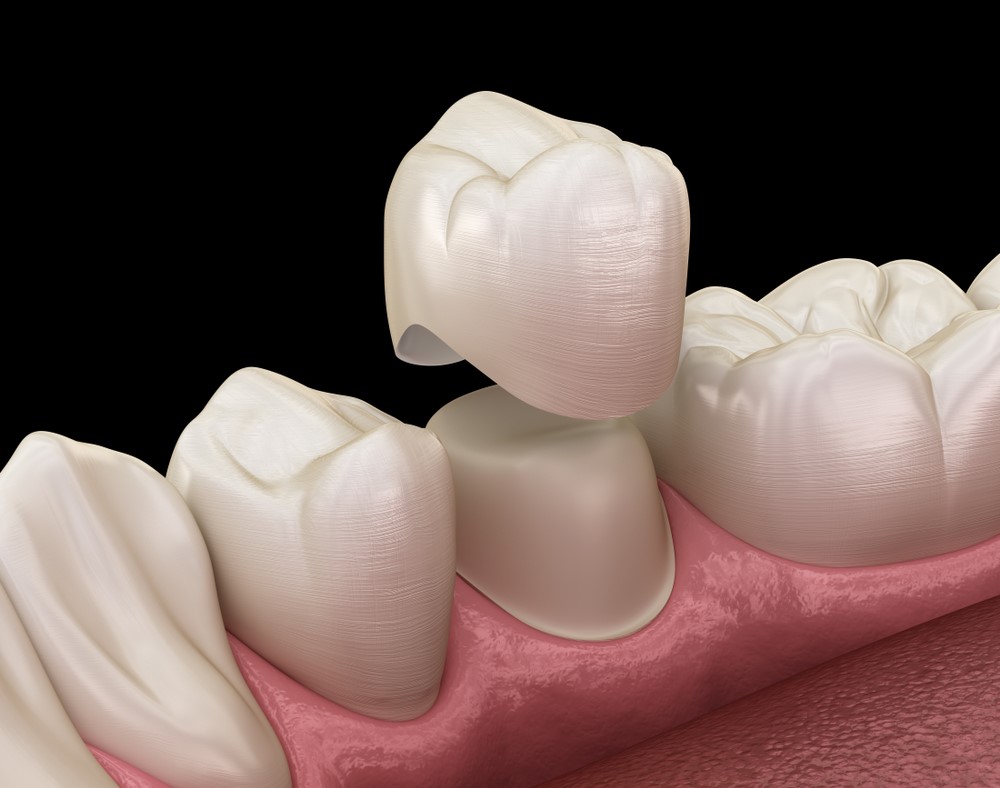
A dental crown is a tooth-shaped covering cemented over a prepared tooth. Unlike fillings that fill a small portion of a tooth, a crown covers the entire visible portion of a tooth above the gum line. Think of it as a protective shield, encasing the tooth to safeguard it from further decay, cracks, or fractures. We also offer high-quality dental crowns in albania at affordable rates to help make oral health accessible.
Types of crowns
There are several types of dental crowns, each with its unique properties and aesthetic appeal. Common materials include: Porcelain: Known for their natural look, porcelain crowns are often used for front teeth. Porcelain-fused-to-metal (PFM): These crowns offer a balance of strength and aesthetics, with a metal base for durability and a porcelain overlay for a natural appearance. Zirconia: Highly durable and biocompatible, zirconia crowns are a popular choice for both front and back teeth. Gold: While not as aesthetically pleasing, gold crowns are incredibly strong and long-lasting, making them suitable for molars. E-max: Made from lithium disilicate ceramic, emax veneers in albania offer excellent aesthetics and durability, making them ideal for front teeth.
How crowns work
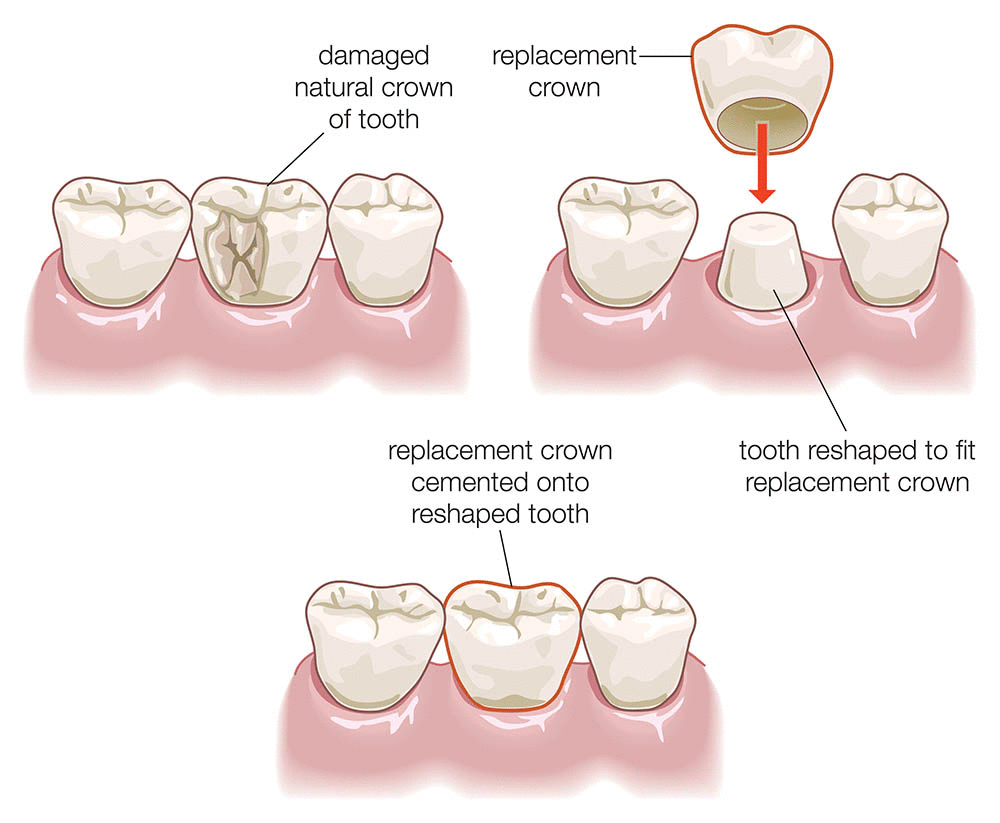
Crowns work by completely covering the damaged tooth, providing support and preventing further deterioration. The dentist will first prepare the tooth by removing any decay and shaping it to properly fit the crown. An impression is then taken and sent to a lab to create a custom crown. A temporary crown is placed while the permanent one is being made. Once the permanent crown is ready, it is cemented onto the prepared tooth, restoring its function and appearance.
Reasons for dental crowns
There are numerous reasons for dental crowns, all aimed at preserving your natural teeth and improving your oral health. Understanding these reasons can help you appreciate the importance of this restorative treatment.
Protecting compromised teeth
One of the primary reasons dentists recommend crowns is for protecting compromised teeth. If a tooth has extensive decay, cracks, or has undergone a root canal, it becomes structurally weak and susceptible to further damage. A crown acts as a protective barrier, preventing the tooth from fracturing or breaking under pressure.
Restoring broken, cracked, or heavily filled teeth
Crowns are also essential for restoring broken, cracked, or heavily filled teeth. When a tooth has a large filling, the remaining tooth structure can be weak and prone to fracture. Similarly, broken or cracked teeth can be painful and may lead to infection if left untreated. A crown reinforces the tooth, restoring its strength and function, allowing you to chew and speak comfortably.
Covering for root canal-treated teeth
After a root canal, a tooth becomes brittle and more vulnerable to fracture. Covering for root canal-treated teeth with a crown is crucial to protect the tooth from further damage. The crown provides support and prevents the tooth from breaking, extending its lifespan and maintaining your overall oral health.
Preventing further damage
By encasing the entire tooth, a crown helps in preventing further damage. It protects the tooth from acids, bacteria, and the forces of chewing, reducing the risk of new decay or fractures. This preventive measure is particularly important for teeth that have already been compromised.
When is a dental crown necessary?
Determining when is a dental crown necessary involves assessing the condition of your teeth and understanding the potential risks of not addressing the issue. Dentists typically recommend crowns in specific situations where the tooth is significantly compromised.
Severe tooth decay
Severe tooth decay can weaken a tooth to the point where it can no longer support a filling. In such cases, a crown becomes necessary to protect the remaining tooth structure and prevent further decay. The crown encases the tooth, preventing bacteria from entering and causing more damage.
After root canal treatment
As mentioned earlier, after root canal treatment, a tooth becomes brittle and prone to fracture. A crown is essential to protect the tooth from breaking, ensuring it remains functional for years to come. Without a crown, the tooth is at a high risk of fracturing, potentially leading to extraction. If extraction does occur, dental implants in albania are a great way to restore function.
Large filling or structural weakness
If a tooth has a large filling or structural weakness, it is at risk of fracturing. A crown provides the necessary support and protection to prevent the tooth from breaking under the forces of chewing. This is especially important for molars, which bear the brunt of chewing forces.
Cosmetic indications
While primarily a restorative treatment, crowns also have cosmetic indications. They can be used to improve the appearance of teeth that are discoloured, misshapen, or have gaps. Crowns can create a uniform and aesthetically pleasing smile, boosting your confidence. For purely cosmetic reasons, dental veneers are also an option, depending on the extent of the damage.
Alternatives to crowns
While crowns are often the best solution for certain dental issues, there are alternatives to crowns that may be suitable in some cases. Discussing these options with your dentist is crucial to determine the best course of treatment for your specific needs.
Fillings
Fillings are a common alternative for smaller areas of decay. However, fillings are not suitable for teeth with extensive damage or structural weakness. They are best used for minor cavities where the remaining tooth structure is strong enough to support the filling.
Inlays and onlays
Inlays and onlays are similar to fillings but are made outside of the mouth and then cemented onto the tooth. They are used for larger cavities than fillings but smaller than those requiring a crown. Inlays fit within the cusps (points) of a tooth, while onlays cover one or more cusps.
Veneers
Veneers are thin, custom-made shells that cover the front surface of a tooth. They are primarily used for cosmetic purposes, such as correcting discolouration, chips, or minor misalignments. Veneers do not provide the same level of support and protection as crowns.
Monitoring without treatment
In some cases, if the damage is minimal and not causing any pain or discomfort, the dentist may recommend monitoring without treatment. This involves regular check-ups to assess the condition of the tooth and determine if further intervention is necessary. This approach is only suitable for very minor issues that do not pose an immediate threat to the tooth’s integrity.
Dental crown procedure
The dental crown procedure typically involves a few steps, from the initial consultation to the final placement of the crown. Understanding these steps can help you feel more prepared and at ease during the process.
Consultation and diagnosis
The first step is the consultation and diagnosis. Your dentist will examine your teeth, take X-rays, and assess the overall condition of your oral health. They will discuss your options and determine if a crown is the best solution for your specific needs. This is also an opportunity to ask any questions and address any concerns you may have.
Tooth preparation
Tooth preparation involves removing any decay and shaping the tooth to properly fit the crown. The dentist will carefully remove a layer of enamel to create space for the crown. The amount of enamel removed depends on the type of crown being used.
Impression taking
After the tooth is prepared, an impression taking is performed to create a model of your tooth. This impression is sent to a dental lab, which uses it to fabricate a custom crown that fits precisely over your prepared tooth. Digital impressions are becoming increasingly common for greater accuracy.
Temporary vs permanent crowns
While the permanent crown is being made, a temporary vs permanent crowns is placed to protect the prepared tooth. Temporary crowns are typically made of acrylic or stainless steel and are not as durable as permanent crowns. Once the permanent crown is ready, the temporary crown is removed, and the permanent crown is cemented into place.
Long-term benefits of crowns
The long-term benefits of crowns extend beyond simply restoring a damaged tooth. They contribute to your overall oral health and quality of life.
Durability and function
Crowns are designed to be durable and function like natural teeth. They allow you to chew, speak, and smile comfortably without worrying about pain or sensitivity. With proper care, crowns can last for many years, providing a long-term solution to dental problems.
Prevention of tooth loss
By protecting damaged and weakened teeth, crowns play a crucial role in the prevention of tooth loss. They help preserve your natural teeth, avoiding the need for more extensive treatments like extractions and implants. If a tooth is lost, we offer high-quality, affordable dental implants in albania.
Improved appearance
Crowns can significantly enhance your improved appearance. They can correct discolouration, misshapen teeth, and gaps, creating a more uniform and aesthetically pleasing smile. This can boost your self-esteem and confidence.
Risks of avoiding crowns
Understanding the risks of avoiding crowns is essential for making informed decisions about your dental health. Delaying or refusing a crown when it is recommended can lead to serious complications.
Possible tooth fracture
One of the most significant risks is a possible tooth fracture. A weakened tooth without a crown is highly susceptible to breaking, especially under the forces of chewing. A fracture can be painful and may require more extensive treatment, such as extraction.
Need for extraction
If a tooth fractures or becomes severely decayed, it may become irreparable, leading to the need for extraction. Extracting a tooth can have a ripple effect, affecting the alignment of surrounding teeth and potentially leading to further dental problems. At this point, you’ll want to research how to fix missing teeth without implants.
Increased dental costs
Delaying a crown can result in increased dental costs in the long run. Addressing the issue early with a crown can prevent the need for more expensive treatments like root canals, extractions, and implants. Preventative care is always more cost-effective.
Cost of dental crowns
The cost of dental crowns in the UK can vary depending on several factors. Understanding these factors can help you budget for this essential dental treatment.
Typical costs in the UK
Typical costs in the UK for a dental crown can range from £500 to £1200 per crown. The exact cost depends on the material used, the complexity of the case, and the dentist’s fees. Prices also differ depending on if you go via NHS or private clinics.
Private vs NHS
Private vs NHS dental care can significantly impact the cost of a crown. NHS dental crowns are typically more affordable, but the available materials and treatment options may be limited. Private dental care offers a wider range of materials and personalized treatment plans, but at a higher cost.
Factors affecting price
Several factors affecting price of dental crowns: Material: Porcelain and zirconia crowns tend to be more expensive than PFM or gold crowns. Location: Dental practices in London and other major cities often have higher fees. Complexity: More complex cases that require additional procedures, such as a root canal, will increase the overall cost. Dentist’s experience: Experienced dentists may charge higher fees for their expertise. Consider dental tourism in albania to make dental treatments more affordable.
Cosmetic vs. restorative crowns
While all crowns serve a restorative purpose, it’s important to understand the difference between cosmetic vs. restorative crowns.
Purely aesthetic crowns
Purely aesthetic crowns are primarily focused on improving the appearance of teeth. They are used to correct issues like discolouration, minor misalignments, or gaps. While they provide some structural support, their main goal is to enhance your smile.
Functional crowns
Functional crowns are primarily focused on restoring the strength and function of damaged or weakened teeth. They are used in cases of severe decay, fractures, or after root canal treatment. While they also improve appearance, their main goal is to protect and reinforce the tooth.
How to care for crowns
Proper how to care for crowns is essential for extending their lifespan and maintaining your oral health.
Hygiene
Maintaining good hygiene is crucial. Brush your teeth at least twice a day with fluoride toothpaste and floss daily to remove plaque and bacteria. Pay special attention to the area around the crown, as this is where plaque tends to accumulate.
Longevity
The longevity of a crown depends on various factors, including oral hygiene, diet, and lifestyle habits. With proper care, crowns can last for 10-15 years or even longer. Regular dental check-ups are essential to monitor the condition of your crown and address any issues early.
When to replace
When to replace a crown depends on its condition. Signs that a crown may need replacement include: Cracks or chips in the crown Loose crown Pain or sensitivity around the crown Receding gums around the crown Decay around the edges of the crown
FAQs
Here are some frequently asked questions about dental crowns:
Are dental crowns painful to get?
No, getting a dental crown should not be painful. The dentist will use local anaesthetic to numb the area before preparing the tooth. You may experience some sensitivity after the procedure, but this can usually be managed with over-the-counter pain medication.
How long do crowns last?
With proper care, crowns can last for 10-15 years or even longer. Regular dental check-ups and good oral hygiene are essential for extending the lifespan of your crown.
Can crowns be removed or replaced?
Yes, crowns can be removed or replaced if necessary. If a crown is damaged, loose, or causing problems, the dentist can remove it and replace it with a new one.
Are there health risks with crowns?
While crowns are generally safe, there are some potential health risks. These include: Sensitivity or pain Chipped or cracked crown Loose crown Allergic reaction to the crown material Decay around the edges of the crown Choosing a crown offers protection for damaged teeth while procedures such as bone grafting in albania offers extra bone density to help with further treatment. For safe, affordable treatments that will last, look to us today.