



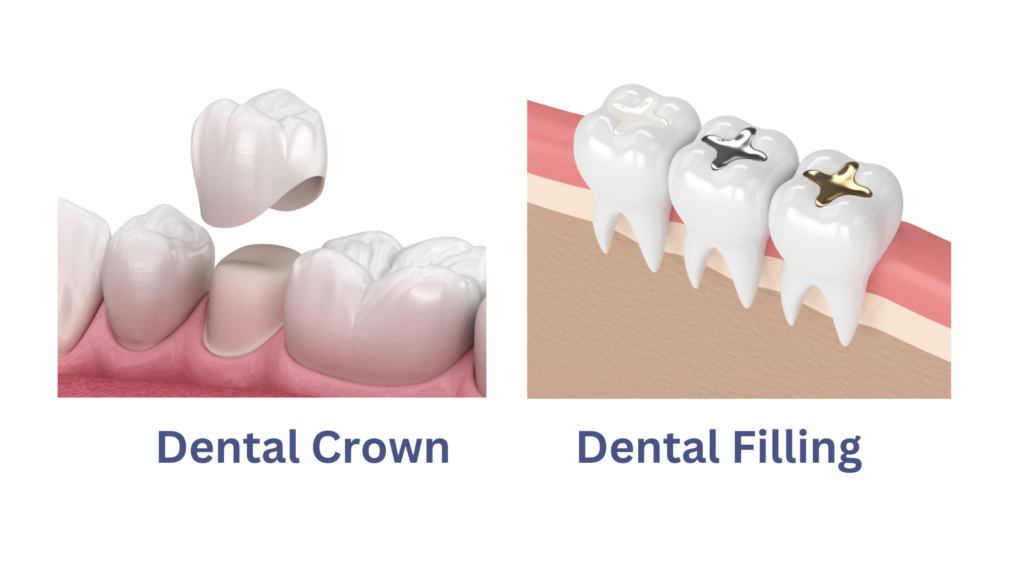

Why do dentists push crowns? Many patients wonder if dental crowns are always necessary or if other options exist. Understanding the reasons behind these recommendations can help you make informed decisions about your oral health.
Common Reasons Dentists Recommend Crowns
Dentists recommend crowns for a variety of reasons related to the dental crown necessity, primarily to address structural damage and protect the long-term health of your teeth. When a tooth is significantly compromised, a crown can be the most effective solution. Let’s delve into specific scenarios.
What dental conditions typically require a crown?
Several dental conditions make a crown the most suitable treatment option:
- Extensive Tooth Decay: When tooth decay is too large to be repaired with a filling, a crown provides comprehensive coverage and protection.
- Cracked or Broken Tooth: A crown can hold a broken tooth together and prevent further damage.
- Weakened Tooth: If a tooth is weakened, perhaps due to a large filling or root canal, a crown provides strength and support.
- Damaged Tooth: Severely damaged tooth, like one with significant erosion or fractures, benefits from the full coverage of a crown.
Crowns are also used after a root canal to protect the treated tooth from further damage. The treatment itself can weaken the tooth, making it more susceptible to breakage. A crown adds a layer of defense, ensuring the longevity of the root canal.
When is a filling or alternative appropriate instead?
While crowns are essential in certain situations, fillings or other alternatives may be more appropriate in other cases. If the decay or damage is small, a filling may suffice. Alternatives like inlays and onlays can also be used for larger cavities but don’t require as much tooth structure removal as crowns. Dental veneers are also a good choice to improve aesthetics, and you can get dental veneers in Albania.
The decision between a crown and an alternative depends on a thorough evaluation of the tooth’s condition. Dentists consider the amount of remaining healthy tooth structure, the location and extent of the damage, and the patient’s overall oral health.
The Benefits of Dental Crowns
Dental crowns offer a range of benefits, going beyond just repairing a damaged tooth. They play a crucial role in restorative dentistry, enhancing both the function and aesthetics of your smile. When considering treatment options, understanding these benefits is key.
How do crowns protect tooth structure and restore function?
The primary benefit of a crown is its ability to protect tooth structure. By encasing the entire visible portion of the tooth, a crown prevents further damage from decay, cracks, or fractures. It acts as a shield, bearing the brunt of chewing forces and protecting the underlying tooth. Crowns also restore function by allowing you to chew and speak comfortably, especially if the original tooth was damaged or misshapen.
A crown helps distribute biting forces evenly, reducing the risk of stress fractures or further damage to the tooth. This is particularly important for teeth that have undergone root canals or have large fillings, making the tooth weaker.
What are the appearance improvement , cosmetic and structural benefits?
Beyond structural support, crowns offer several appearance improvement and cosmetic advantages:
- Enhanced Aesthetics: Crowns can be matched to the color and shape of your natural teeth, creating a seamless and natural-looking smile.
- Improved Confidence: By restoring damaged or discolored teeth, crowns can significantly boost your confidence in your smile.
- Corrected Alignment: Crowns can slightly alter the alignment of a tooth, improving the overall appearance of your bite. If you need some adjustment to your teeth, you can explore the option of orthodontics in Albania.
Structurally, crowns prevent further damage and provide long-term stability. The longevity of crown is crucial because it restores the original shape and size of a tooth, allowing it to function properly within the bite. In addition, crowns prevent further damage to the underlying tooth structure by sealing it off from bacteria and harmful substances.
Are Dentists Over-Prescribing Crowns?
The question of whether dentists are over-prescribing crowns is a sensitive one, often debated within the dental community and among patients. While crowns are a necessary treatment in many situations, concerns arise about potential unnecessary dental crowns and the dental ethics involved. It’s important to explore why some patients feel pressured and whether financial incentives play a role.
Why do some patients feel pressured?
Some patients report feeling pressured to get a crown when they believe other options might be available. This feeling can stem from several factors:
- Lack of Information: If the dentist doesn’t fully explain alternative treatments, patients may feel like a crown is the only option.
- Aggressive Sales Tactics: In some cases, dentists may use aggressive sales tactics to promote crowns over less expensive alternatives.
- Perceived Motives: Patients may suspect that dentists are recommending crowns for financial gain rather than genuine need.
A trustworthy dentist will take the time to educate you about all available options, explaining the pros and cons of each and addressing any concerns you may have. Open communication and transparency are crucial in building trust between a dentist and their patient.
Are financial incentives a factor?
The financial aspect of dental practice can influence treatment recommendations. Crowns are a more expensive procedure than fillings, leading to concerns that dental practice revenue may be a factor in recommending them. While most dentists prioritize patient care, the potential for financial gain cannot be ignored. For patients seeking more affordable options, they can explore Albania Dental Implants Services for cheaper solutions.
Ethical dentists adhere to a strict code of conduct, placing the patient’s best interests above financial gain. They recommend crowns only when they are the most appropriate treatment option for the patient’s specific condition. However, the system’s structure, where dentists are compensated more for complex procedures, can create an incentive for overtreatment.
How common is unnecessary treatment?
Determining the exact prevalence of overtreatment in dentistry is challenging, as it’s difficult to define what constitutes “unnecessary” treatment. However, studies suggest that overtreatment does occur, with some research indicating that a significant percentage of dental procedures may be avoidable. Factors that contribute to overtreatment include:
- Defensive Dentistry: Dentists may recommend more aggressive treatments to protect themselves from potential litigation.
- Variations in Diagnostic Criteria: Different dentists may have varying opinions on when a crown is necessary.
- Patient Demand: Some patients may request crowns for cosmetic reasons, even if they are not medically necessary.
It’s important to remember that most dentists are ethical and provide appropriate care. However, being informed and seeking second opinions can help ensure you receive the best possible treatment.
Alternatives to Dental Crowns
While dental crowns are a reliable solution for many dental problems, there are several alternatives to dental crowns that may be suitable depending on the specific situation. Understanding these options allows patients to make more informed decisions about their oral health. Let’s explore some less invasive techniques including minimally invasive dentistry.
What are less invasive alternatives?
Several less invasive alternatives exist, each with its own set of benefits and limitations:
- Dental Fillings: Used for small cavities, fillings restore the tooth’s structure without requiring extensive removal of tooth structure.
- Onlays and Inlays: These are indirect fillings made outside the mouth and then bonded to the tooth. They’re suitable for larger cavities than fillings but less extensive than crowns.
- Bonding: This involves applying a tooth-colored resin to repair minor chips, cracks, or discoloration.
- Dental Veneers: Thin shells of porcelain or composite resin bonded to the front surface of teeth to improve their appearance. Veneers may be an alternative to dental crowns in Albania for aesthetic purposes.
The choice between a crown and an alternative depends on the amount of damage to the tooth, its location, and the patient’s aesthetic goals. It’s important to discuss these options with your dentist to determine the most appropriate treatment plan.
Who is a candidate for these options?
Candidates for dental fillings, inlays, onlays, and bonding typically have smaller cavities or minor damage to their teeth. Veneers are best suited for individuals who want to improve the appearance of their teeth but have relatively healthy underlying tooth structure. To be a candidate for dental implants, you need to be healthy. You can check Who is not suitable for implants.
Patients with extensive tooth decay, cracks, or fractures may not be suitable for these alternatives, as crowns provide more comprehensive coverage and protection. The dentist will assess the tooth’s condition and recommend the most appropriate treatment option based on individual needs.
What to Do if You’re Unsure About a Crown Recommendation
If you find yourself questioning a dentist’s recommendation for a crown, it’s important to advocate for your oral health and seek clarity. It is best to get a second opinion dentist if you are not sure. Understanding your dental patient rights and practicing informed consent are crucial steps in making confident decisions about your treatment.
Should you seek a second opinion?
Seeking a second opinion is always a good idea when you have doubts about a recommended treatment. A second dentist can provide an unbiased assessment of your situation, confirming the need for a crown or suggesting alternative options. Seeking a second opinion doesn’t undermine your current dentist, but it ensures that you’re making the best decision for your oral health. Plus, you can contact Albania Dental Implants to get an expert opinion on your teeth.
A second opinion can provide peace of mind, knowing that you’ve explored all available options and made an informed choice. It’s especially valuable when the recommended treatment is expensive or invasive.
What questions should you ask your dentist?
When discussing a crown recommendation with your dentist, ask these questions:
- What are the specific reasons you’re recommending a crown?
- Are there alternative treatments that could address the problem?
- What are the pros and cons of each treatment option?
- What are the potential risks and complications associated with a crown?
- What is the expected lifespan of the crown?
- How much will the crown cost, and what are my payment options?
By asking these questions, you can gain a better understanding of your situation and make a more informed decision. Don’t hesitate to ask for clarification if anything is unclear.
What are signs of trustworthy dental advice?
Trustworthy dental advice is characterized by:
- Transparency: The dentist fully explains the reasons behind their recommendations and answers your questions honestly.
- Patient-Centered Approach: The dentist prioritizes your needs and preferences, considering your individual circumstances.
- Evidence-Based Practice: The dentist relies on scientific evidence and proven techniques to guide their treatment decisions.
- Ethical Conduct: The dentist adheres to a strict code of ethics, placing your best interests above financial gain.
- Open Communication: The dentist encourages open communication and welcomes questions and concerns.
Be cautious of dentists who pressure you into treatment, dismiss your concerns, or fail to provide clear explanations. Trustworthy dentists empower you to make informed decisions about your oral health.
FAQ Section
Why do dentists often recommend crowns instead of large fillings?
Dentists often recommend crowns over large fillings when a tooth has extensive decay, is cracked, or is structurally weakened. A filling may not provide enough support for a significantly damaged tooth, increasing the risk of breakage. Crowns offer more comprehensive protection and reinforcement, encasing the entire tooth and distributing biting forces evenly. They reduce the risk of future damage and prolong the life of the tooth.
How can I tell if my tooth really needs a crown?
Determining whether a tooth truly needs a crown requires a professional evaluation by a dentist. However, certain signs may indicate the necessity of a crown, such as:
- A large filling that takes up a significant portion of the tooth.
- Visible cracks or fractures in the tooth.
- A tooth that has undergone a root canal.
- Significant tooth decay that cannot be adequately repaired with a filling.
A dentist will examine the tooth, take X-rays, and assess its overall condition to determine if a crown is the best course of action.
Is it possible to repair a heavily decayed or broken tooth without a crown?
In some cases, it may be possible to repair a heavily decayed or broken tooth without a crown. Alternatives like fillings, inlays, or onlays can be used for smaller cavities or damage. Bonding can also repair minor chips or cracks. However, if the damage is extensive, a crown is typically the most reliable solution to restore the tooth’s structure and prevent further problems.
What risks are there if I delay or avoid getting a recommended crown?
Delaying or avoiding a recommended crown can lead to several risks:
- Further damage to the tooth, potentially requiring more extensive treatment in the future.
- Increased risk of tooth breakage, leading to pain and infection.
- Spread of decay to other teeth.
- Changes in bite alignment, causing discomfort and jaw problems.
Addressing dental problems promptly is essential to prevent complications and maintain optimal oral health.
Are there signs my dentist may be recommending unnecessary crowns?
While most dentists are ethical, there are some signs that a dentist may be recommending unnecessary crowns:
- Pressure to accept treatment without fully explaining alternatives.
- Dismissal of your concerns or questions.
- Lack of transparency about the reasons for recommending a crown.
- Promotion of crowns over less expensive options without clear justification.
If you notice any of these signs, seeking a second opinion is essential to ensure you receive the best possible care.
How much do dental crowns typically cost, and are they covered by insurance?
The cost of dental crowns varies depending on the material used, the location of the dental practice, and the complexity of the procedure. In the UK, crowns can range from £500 to £1200 per tooth. Many dental insurance plans cover a portion of the cost of crowns, but coverage varies depending on the specific plan. It’s important to check with your insurance provider to determine your coverage and out-of-pocket expenses. If costs are an issue, look at the cost of dental implants in Albania.
Can I get a second opinion on my dentist’s recommendation?
Yes, seeking a second opinion is always recommended if you’re unsure about your dentist’s recommendation. A second dentist can provide an unbiased assessment of your situation, confirming the need for a crown or suggesting alternative options. This can help you make a more informed decision about your dental care.
What are the main types of dental crowns and their pros/cons?
The main types of dental crowns include:
- Porcelain Crowns: Offer excellent aesthetics and natural-looking results. However, they may be more prone to chipping than other materials.
- Porcelain-Fused-to-Metal (PFM) Crowns: Provide a balance of aesthetics and durability. However, the metal base can sometimes show through as a dark line near the gumline.
- Metal Crowns: Highly durable and resistant to chipping. However, they are not as aesthetically pleasing as porcelain or PFM crowns.
- Zirconia Crowns: Offer excellent strength, durability, and aesthetics. They are biocompatible and less likely to cause allergic reactions.
The choice of crown material depends on factors like the tooth’s location, aesthetic concerns, and budget.
How long do dental crowns last?
Dental crowns typically last between 5 and 15 years, depending on factors like oral hygiene, diet, and bruxism (teeth grinding). Proper care, including regular brushing, flossing, and dental checkups, can extend the life of a crown.
What should I expect during and after a crown procedure?
During a crown procedure, the dentist will first numb the tooth and surrounding area. They will then prepare the tooth by removing any decay or damage and shaping it to fit the crown. An impression of the tooth is taken and sent to a dental lab, which creates the custom crown. A temporary crown is placed to protect the tooth until the permanent crown is ready. During the second visit, the permanent crown is fitted and cemented into place.
After the procedure, you may experience some sensitivity or discomfort, which can be managed with over-the-counter pain relievers. It’s important to follow your dentist’s instructions for post-operative care, including avoiding sticky or hard foods and maintaining good oral hygiene.
Conclusion
Understanding the reasons behind a dentist’s recommendation for a crown empowers you to make informed decisions about your oral health. While crowns are a valuable restorative treatment, it’s important to explore all available options, seek second opinions when needed, and trust your instincts. Prioritizing open communication with your dentist and advocating for your needs ensures you receive the best possible care. If you are concerned about the cost of dental care in your country, explore the affordable options for dental work and dental tourism in Albania. A healthy smile is an investment in your overall well-being, and making informed choices is key to achieving long-term success.