



Experiencing pain when chewing after receiving a dental implant can be concerning. This article will explore the various reasons why your dental implant might hurt when you chew, the potential seriousness of the pain, and what solutions are available to address the issue and return you to comfortable, confident eating. At Albania Dental Implants, we’re committed to providing comprehensive information and top-quality care for all your dental implant needs.
Understanding Dental Implant Pain When Chewing
: dental implant pain, pain when chewing with implant
After investing in a dental implant, discomfort while eating is the last thing you want. However, it’s crucial to understand what’s normal and what requires professional attention. Albania Dental Implants is the right destination for those seeking dental care and guidance, as we offer a range of comprehensive services.
Is it normal for a dental implant to hurt when you bite down?
Generally, no. A properly integrated and healthy dental implant should not cause pain when chewing. Some mild sensitivity is expected in the immediate post-operative period, but this should subside within a few days. Persistent or sharp pain is a sign that something may be wrong.
How much discomfort should you expect after getting an implant?
In the first few days following implant placement, you might experience mild soreness, swelling, and bruising. Over-the-counter pain medication usually manages this discomfort effectively. However, intense pain that doesn’t respond to medication, or pain that worsens over time, needs to be evaluated by your dentist.
Common Causes of Pain in Dental Implants
: causes of dental implant pain, implant discomfort
Several factors can contribute to pain when chewing with a dental implant. Identifying the root cause is essential for effective treatment. Albania Dental Implants Services are ready to assist you.
What are the typical causes of pain (e.g., healing, infection, misalignment)?
Common culprits include:
- Early Post-Surgical Pain: Normal healing can cause temporary discomfort.
- Infection (Peri-Implantitis): Bacteria can infect the tissues surrounding the implant.
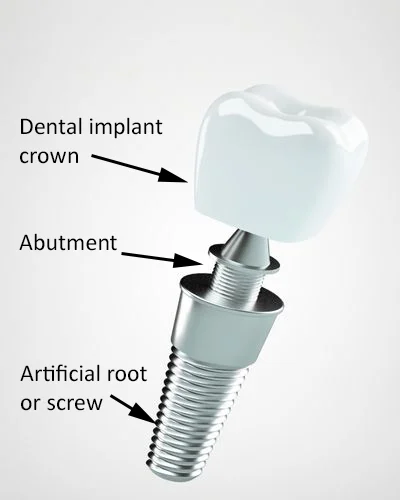
- Mechanical Issues: Loose implants or problems with the crown.
- Nerve Damage: Although rare, nerve damage during surgery can cause chronic pain.
- Misalignment: If the implant is not correctly aligned, it can cause pressure and pain when chewing.
Can a new dental implant hurt when chewing, and why?
Yes, some discomfort is expected with a new dental implant, especially during the healing phase. This pain is usually due to the surgical trauma and the body’s natural inflammatory response. It is important to distinguish this from a serious problem. If your pain is severe or doesn’t improve after a few days, contact your dentist.
Early Post-Surgery Discomfort
: dental implant healing
Immediately following dental implant surgery, it’s natural to experience some level of discomfort. Understanding the expected timeline and how to manage post-operative pain is crucial for a smooth recovery.
How long does normal post-surgical pain last?
Typically, post-surgical pain peaks within the first 24-72 hours and gradually subsides over the next 5-7 days. Over-the-counter pain relievers like ibuprofen or acetaminophen are usually sufficient to manage this pain. Following your dentist’s post-operative instructions carefully can also minimize discomfort.
When does pain become abnormal?
If the pain intensifies after the first few days, or if you experience throbbing pain, excessive swelling, redness, or pus discharge around the implant site, it’s a sign of a potential complication, such as an infection. Do not wait to seek professional help.
Infection and Peri-Implantitis
: implant infection symptoms
One of the most concerning causes of pain when chewing with a dental implant is infection, specifically peri-implantitis. This condition affects the tissues surrounding the implant and, if left untreated, can lead to implant failure. Maintaining excellent oral hygiene is essential to prevent infection. Consider cosmetic dentistry in Albania to resolve the smile and teeth issues caused by peri-implantitis.
Symptoms and risks of infection at the implant site
Signs of an implant infection include:
- Redness and swelling around the implant
- Tenderness or pain when touched
- Pus discharge
- Bleeding when brushing
- Loose implant
Risk factors for infection include poor oral hygiene, smoking, diabetes, and a compromised immune system.
What should you look out for?
Pay close attention to any changes in the soft tissues around your implant. Regular check-ups with your dentist are crucial for early detection and treatment of peri-implantitis. Early intervention can often prevent the need for more extensive treatments. Don’t forget to view the Albania dental implants reviews to stay informed.
Mechanical Complications
: loose dental implant
Sometimes, the source of pain when chewing lies in the mechanical components of the implant. A loose implant or a poorly fitting crown can cause significant discomfort and should be addressed promptly.
Can an implant become loose and cause pain?
Yes, an implant can become loose, usually due to bone loss around the implant (osseointegration failure) or damage to the connecting components. A loose implant will cause pain when chewing, as the forces are not evenly distributed.
What does biting pain usually suggest about implant stability?
Biting pain often indicates that the implant is not fully integrated with the jawbone or that there is excessive stress on the implant. This can be due to factors like bruxism (teeth grinding), improper implant placement, or a poorly designed crown. In Albania dental implants, implant stability is vital to patient care.
Nerve Issues and Other Complications
: nerve pain dental implant
Although less common, nerve-related issues can also contribute to pain when chewing with a dental implant. Furthermore, other unforeseen complications might arise, leading to discomfort.
Could nerves be affected by the implant?
Yes, although rare, nerve damage can occur during implant placement, especially in the lower jaw where the inferior alveolar nerve is located. If the nerve is compressed or damaged, it can cause chronic pain, numbness, or tingling.
What does sharp, electric, or radiating pain mean?
Sharp, electric, or radiating pain may indicate nerve involvement. This type of pain requires immediate attention from your dentist or an oral surgeon. Further diagnostic tests, such as a cone-beam CT scan, may be necessary to assess the extent of the nerve damage.
Risk Factors and How to Recognise Implant Problems
: dental implant aftercare, signs of implant failure
Certain factors can increase the risk of experiencing pain or complications with dental implants. Recognizing potential problems early can significantly improve the outcome of your implant treatment. When in doubt it’s crucial to contact Albania Dental Implants.
What might put someone at risk of implant pain or failure?
Risk factors include:
- Poor oral hygiene: Inadequate brushing and flossing can lead to infection.
- Smoking: Smoking impairs healing and increases the risk of peri-implantitis.
- Diabetes: Uncontrolled diabetes can compromise the body’s ability to heal.
- Osteoporosis: This condition can weaken the jawbone, affecting implant stability.
- Bruxism: Grinding or clenching your teeth can put excessive stress on the implant.
How to distinguish between normal discomfort and a developing problem
Normal post-operative discomfort usually diminishes within a week. However, signs of a developing problem include:
- Increasing pain
- Swelling that doesn’t subside
- Redness or pus around the implant
- Loose implant
- Difficulty chewing
If you experience any of these symptoms, contact your dentist immediately.
What To Do If Your Dental Implant Hurts When You Chew
: when to see dentist for implant pain
If you’re experiencing pain when chewing with your dental implant, it’s crucial to take appropriate steps to address the issue. Depending on the severity and nature of the pain, you may be able to manage it with at-home care, or you may need to seek professional dental assistance.
At-home care vs. when to contact a dentist
For mild discomfort, try the following at-home remedies:
- Over-the-counter pain relievers
- Warm salt water rinses
- Soft diet
However, it’s important to know when self-care isn’t enough. Contact your dentist if:
- The pain is severe or doesn’t improve with medication
- You notice signs of infection
- The implant feels loose
- You experience numbness or tingling
When is urgent assessment needed?
Seek urgent dental assessment if you experience any of the following:
- Sudden, intense pain
- Significant swelling that affects breathing or swallowing
- High fever
- Uncontrolled bleeding
Preventing and Managing Chewing Pain After Dental Implants
: dental implant aftercare, managing implant pain
Preventing pain after dental implants requires diligent aftercare and lifestyle adjustments. Knowing how to manage discomfort can contribute to the long-term success of your dental implants. Albania Dental Implants focuses on patient care.
Aftercare tips to reduce chances of pain
Follow these aftercare tips to minimize the risk of pain and complications:
- Maintain excellent oral hygiene: Brush twice daily and floss daily, paying close attention to the area around the implant.
- Use an antimicrobial mouthwash: This can help reduce bacteria in the mouth and prevent infection.
- Avoid hard or sticky foods: These can put excessive stress on the implant during the healing phase.
- Quit smoking: Smoking significantly impairs healing.
- Attend regular check-ups: Your dentist can monitor the health of your implant and identify potential problems early.
Possible treatments your dentist might recommend
Depending on the cause of your chewing pain, your dentist may recommend one or more of the following treatments:
- Antibiotics: To treat infection.
- Debridement: Cleaning around the implant to remove bacteria and infected tissue.
- Occlusal adjustment: Adjusting the bite to reduce stress on the implant.
- Bone grafting: To restore bone loss around the implant.
- Implant revision or replacement: In severe cases, the implant may need to be removed and replaced.
Frequently Asked Questions
Here, we address some common questions about pain associated with dental implants, providing clear and concise answers to help you better understand this important topic.
What are the most common causes of pain when chewing with a dental implant?
The most common causes include early post-surgical discomfort, infection (peri-implantitis), mechanical complications like loose implants or crowns, nerve damage, and misalignment.
Is it normal for a dental implant to hurt when you bite down?
No, it is not normal. A well-integrated dental implant should be pain-free during chewing. Any pain should be investigated by a dentist.
How long should dental implant pain last after placement?
Typical post-surgical pain lasts for 5-7 days, peaking within the first 72 hours. If pain persists or worsens beyond this timeframe, it’s a cause for concern.
Can a dental implant become infected?
Yes, dental implants can become infected, leading to peri-implantitis. Poor oral hygiene, smoking, and certain health conditions increase the risk of infection.
What are signs of implant failure?
Signs of implant failure include increasing pain, swelling, redness, pus discharge, a loose implant, and difficulty chewing. Implants turning black and issues a year later are also possible failures.
What should I do if my dental implant hurts when I chew?
Start with at-home care like over-the-counter pain relievers and warm salt water rinses. If the pain persists or worsens, contact your dentist immediately.
Should I worry about a mild ache vs. sharp pain?
A mild ache in the days immediately following surgery is often normal. However, sharp pain, especially if it’s sudden or accompanied by other symptoms, should be evaluated by a dentist.
What are possible complications leading to chewing pain with implants?
Possible complications include infection, nerve damage, implant loosening, improper crown placement, and bone loss around the implant.
How can chewing pain after dental implant surgery be managed or prevented?
Chewing pain can be managed with good oral hygiene, antimicrobial mouthwash, avoiding hard foods, quitting smoking, and attending regular dental check-ups. The cost of dental implants in Albania can be far less than the UK, making the solution even more accessible.
When should you see your implant dentist?
See your implant dentist if you experience increasing pain, swelling, redness, pus discharge, a loose implant, difficulty chewing, or any other concerning symptoms. Early intervention is key to preventing further complications. Consider dental tourism in Albania to get your concerns resolved effectively.
Conclusion
Experiencing pain when chewing with a dental implant is not normal and requires prompt attention. While mild discomfort in the immediate post-operative period is expected, persistent or worsening pain is a sign of a potential complication. Common causes include infection, mechanical issues, and nerve damage. By understanding the risk factors, recognizing the signs of a problem, and seeking timely professional care, you can ensure the long-term success of your dental implant. At Albania Dental Implants, we are dedicated to providing exceptional care and helping you achieve a comfortable, confident smile. If you’re experiencing any discomfort with your dental implant, don’t hesitate to contact Albania dental implants for a comprehensive assessment and personalized treatment plan.
If you are considering affordable dental implants, visit Albania Dental Implants today to learn more about our comprehensive services. Contact Albania Dental Implants for a consultation.