



Why is getting a crown so expensive? This is a question many people ask when faced with the need for this common dental restoration. The cost of a dental crown can seem surprisingly high, but understanding the factors that contribute to the overall price can shed light on the investment involved. From the materials used to the expertise of the dentist and the dental lab fees, several components contribute to the final dental crown cost. At Albania Dental Implants, we believe in transparent pricing and providing high-quality dental solutions, and offer affordable options for dental tourism in Albania for those seeking quality dental care at a reduced cost. Let’s explore the reasons behind the price tag and consider the long-term value a dental crown can offer.
What Determines the Cost of a Dental Crown?
Several factors contribute to the overall dental crown cost. Understanding these elements can help you appreciate the investment and make informed decisions about your oral health. These factors include the type of materials, the specific dental crown cost, and the kind of dental crown you choose.
Materials Used in Crowns and Their Impact on Price
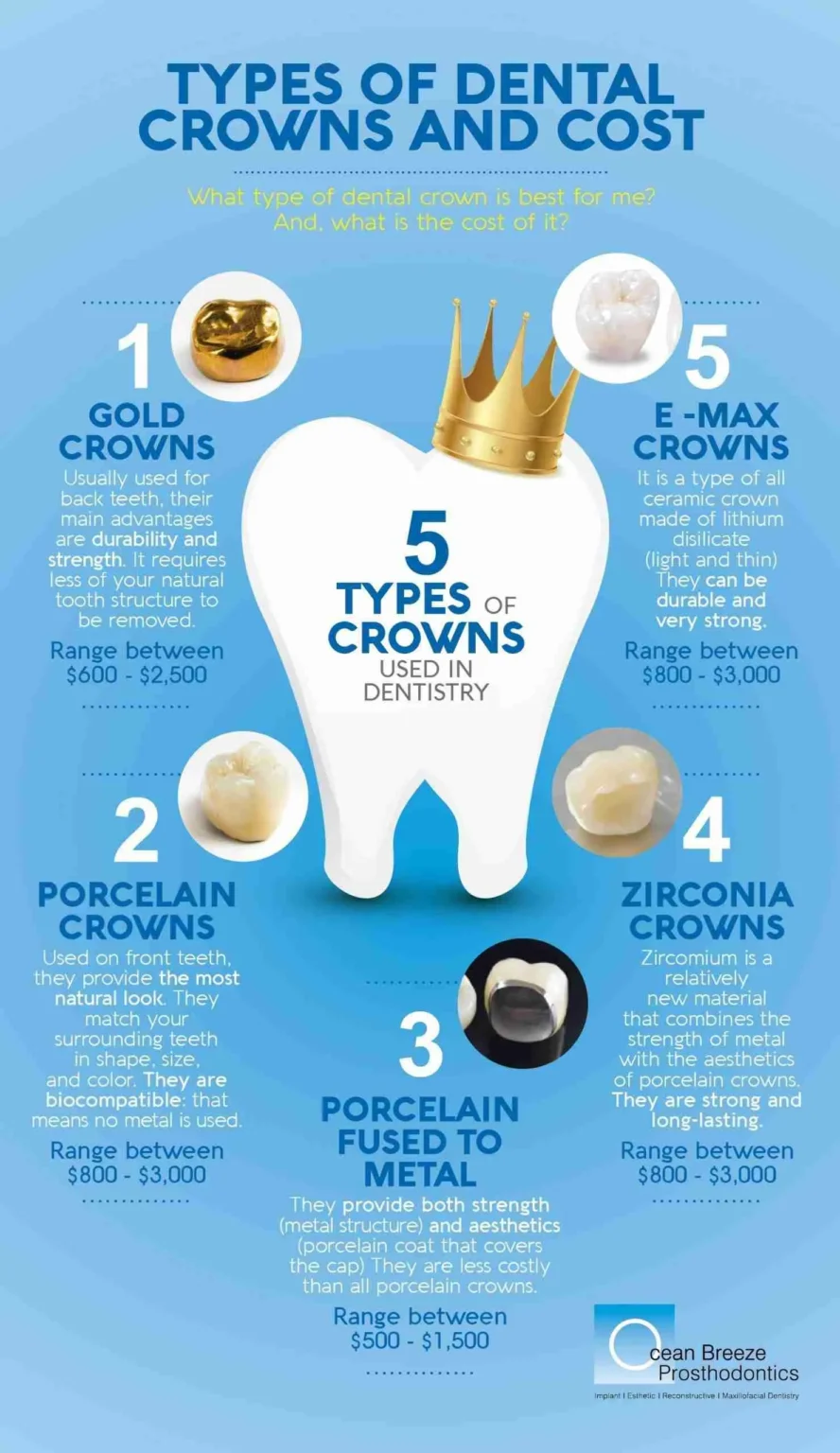
The material used for your dental crown significantly affects the price. Here’s a look at common crown materials and their associated costs:
- Porcelain-fused-to-metal (PFM): A combination of metal for strength and porcelain for aesthetics, PFM crowns are a mid-range option.
- All-ceramic or all-porcelain: These crowns offer the most natural appearance and are a popular choice for front teeth. However, they can be more expensive than PFM crowns.
- Zirconia: Known for its strength and natural look, zirconia is a durable and aesthetically pleasing option, often costing more than porcelain.
- Gold: Gold crowns are incredibly durable and biocompatible but are less popular due to their distinct appearance. They are typically among the more expensive options.
- Resin: While among the least expensive crowns, resin crowns are more prone to wear and staining.
The choice of material depends on factors like the tooth’s location, aesthetic requirements, and your budget. Discuss these options with your dentist to determine the best fit for you. Keep in mind that at Albania Dental Implants, we offer a range of dental crowns in albania at competitive prices without compromising on quality, including zirconia implants in albania.
Types of Dental Crowns and Their Cost Variations
Different types of dental crowns cater to varying needs and budgets. Besides the material, the fabrication method can also influence the cost. For example:
- Traditional crowns: These are custom-made in a dental lab based on impressions of your tooth.
- CAD/CAM crowns: These crowns are designed and milled using computer-aided technology, often allowing for same-day placement.
The complexity of the case also plays a role. A severely damaged tooth might require more preparation, increasing the overall cost. Consider exploring options like dental tourism to Albania, where you can find significant cost savings on various types of dental crowns in albania. The expertise of our dentists combined with advanced technology ensures you receive the best possible care.
What are the main factors affecting the cost of dental crowns?
The main factors affecting the cost of dental crowns include:
- The material used for the crown (e.g., porcelain, zirconia, gold)
- The complexity of the case (e.g., extent of tooth damage, need for additional procedures)
- The location of the dental practice (e.g., urban vs. rural areas, UK vs Albania)
- The expertise and experience of the dentist
- Dental lab fees for custom crown fabrication
- Whether the treatment is received under the NHS or private care
How Do Dental Lab Fees Impact Price?
A significant portion of the dental crown cost comes from dental lab fees. These fees cover the fabrication of the crown, which requires precision and artistry.
The Role of Dental Labs in Crown Fabrication
Dental labs are specialized facilities that create custom dental prosthetics, including crowns. Your dentist takes an impression of your prepared tooth and sends it to the lab. Skilled technicians then use this impression to craft a crown that fits perfectly and matches the shade of your surrounding teeth.
The lab fees cover the technician’s time, the cost of materials, and the use of specialized equipment like CAD/CAM machines. Labs that invest in advanced technology and employ highly skilled technicians may charge higher fees, but this often translates to better quality and a more natural-looking crown.
Customisation in Crown Fabrication and Its Effect on Cost
A well-fitting and aesthetically pleasing crown requires a high degree of customization. The lab technician carefully considers factors like the tooth’s shape, size, color, and bite to create a crown that seamlessly integrates with your smile.
Customization can involve:
- Shade matching: Precisely matching the crown’s color to your natural teeth.
- Anatomical considerations: Ensuring the crown fits comfortably and functions correctly with your bite.
- Material layering: Using different layers of porcelain to mimic the translucency of natural teeth.
This level of detail takes time and expertise, increasing the dental lab fees. However, the result is a crown that looks and feels natural, providing long-term satisfaction. At Albania Dental Implants, we understand the importance of customized dental solutions and work with skilled technicians to ensure every dental crown in albania is crafted to perfection.
Private vs NHS: Does Where You Get a Crown Matter?
The cost of a dental crown can vary significantly depending on whether you choose NHS or private dental care. Let’s compare the options, considering insurance dental cover and regional variations in the UK.
NHS vs Private Crowns: A Cost and Quality Comparison
The NHS provides dental care at subsidized rates, but the options for dental crowns are often limited. NHS crowns are typically made from porcelain-fused-to-metal (PFM) or occasionally, gold. While functional, these crowns may not offer the same aesthetic qualities as the all-ceramic or zirconia crowns available privately.
Private dental care offers a wider range of crown materials and techniques, allowing for more customized and natural-looking results. However, private treatment comes at a higher cost. The quality of care can also vary between providers, so it’s essential to research and choose a reputable dentist. For affordable alternatives, consider exploring options abroad; many UK residents are choosing dental tourism in Albania.
Insurance Dental Cover and Its Impact on Affordability
Dental insurance can help offset the cost of dental crowns, but the level of cover varies depending on your policy. Some policies may cover a percentage of the total cost, while others have fixed limits. It’s crucial to review your policy details to understand what is covered and any waiting periods or exclusions that may apply.
Even with insurance, you may still need to pay a portion of the cost out-of-pocket. Therefore, comparing prices and exploring financing options is advisable to make treatment more affordable. If you have dental insurance, make sure to check if you can use it for dental tourism in albania.
Regional Variations in the UK and Their Influence on Price
Dental costs can vary across the UK, with London and the South East generally having higher prices than other regions. This is due to factors like higher overhead costs and greater demand for private dental care.
If you’re willing to travel, you may find more affordable options in other parts of the UK. However, it’s essential to factor in travel expenses and the inconvenience of travelling for multiple appointments. For more significant savings, consider exploring treatment options abroad. At Albania Dental Implants, we offer affordable, high-quality dental care in a modern facility, making it a worthwhile option for many UK residents. Our services include a range of general dentistry in albania procedures.
How much does a dental crown cost in the UK (NHS vs private)?
The cost of a dental crown in the UK varies significantly between NHS and private dental care:
- NHS: Under NHS Band 3 charges (which covers crowns, bridges, and dentures), a crown will cost £319.10 in England. This is a set price regardless of the material used.
- Private: The cost can range from £500 to £1200 or more, depending on the material (e.g., porcelain, zirconia, gold) and the dentist’s fees.
Is a private dental crown better than an NHS crown?
A private dental crown is not necessarily “better” than an NHS crown, but it often offers some advantages:
- Material Choices: Private care offers a wider selection of materials, allowing for more aesthetic and durable options.
- Customization: Private dentists often have more time and resources to provide highly customized crowns.
- Technology: Private clinics are more likely to use advanced technology like CAD/CAM for precise crown fabrication.
However, NHS crowns are still functional and can be a suitable option for many patients, particularly those on a budget.
Dentist’s Expertise and Treatment Complexity
The cost of a dental crown is also influenced by the dentist’s expertise and the complexity of the treatment. More experienced dentists may charge higher fees, and complex cases may require additional procedures, increasing the overall cost.
Dentist Fees and Experience: What to Expect
Dentists with advanced training and years of experience often charge higher fees. Their expertise can lead to better outcomes, especially in complex cases. When choosing a dentist, consider their qualifications, experience, and patient reviews. A skilled dentist can accurately assess your needs, recommend the best treatment options, and ensure a comfortable and successful procedure.
While it may be tempting to choose the cheapest option, investing in a qualified and experienced dentist can save you money in the long run by avoiding complications and ensuring the longevity of your crown. At Albania Dental Implants, our team comprises highly skilled and experienced dental professionals dedicated to providing exceptional care.
Treatment Planning and Preparation: Impact on Cost
Proper treatment planning and preparation are essential for a successful dental crown procedure. This involves:
- Thorough examination: Assessing the tooth’s condition and surrounding tissues.
- X-rays: Identifying any underlying issues, such as decay or infection.
- Impressions: Taking accurate impressions of your tooth to create a custom-fit crown.
- Temporary crown: Protecting the prepared tooth while the final crown is being fabricated.
These steps require time and resources, contributing to the overall cost. However, they are crucial for ensuring the crown fits properly, functions correctly, and lasts for many years. In some cases, a root canal may be necessary before placing a crown, further impacting the price.
Complications and Related Procedures: How They Affect the Final Bill
In some cases, complications can arise during or after the dental crown procedure, leading to additional costs. These complications may include:
- Root canal treatment: If the tooth is severely decayed or infected, a root canal may be necessary before placing the crown.
- Gum disease treatment: If you have gum disease, it needs to be treated before getting a crown to ensure a healthy foundation.
- Crown lengthening: If there isn’t enough tooth structure to support a crown, a crown lengthening procedure may be required.
These related procedures can significantly increase the final bill. Discuss potential complications and their associated costs with your dentist beforehand to avoid surprises. Choosing to have your procedure done abroad is a great way to avoid excessive costs. For instance, dental tourism to Albania is on the rise, with more and more patients finding affordable solutions at clinics such as Albania Dental Implants. Our team can manage complex cases with expertise, while keeping costs low.
Are Crowns Worth the Money? Comparing Long-Term Value
While the upfront cost of a dental crown can be substantial, it’s essential to consider the long-term value and benefits it offers. Let’s explore alternatives to crowns, the long-term value and durability of crowns, and the potential need for replacements.
Alternatives to Crowns: Weighing the Pros and Cons
Depending on the extent of the damage to your tooth, there may be alternatives to a dental crown. These include:
- Fillings: Suitable for small cavities or minor damage.
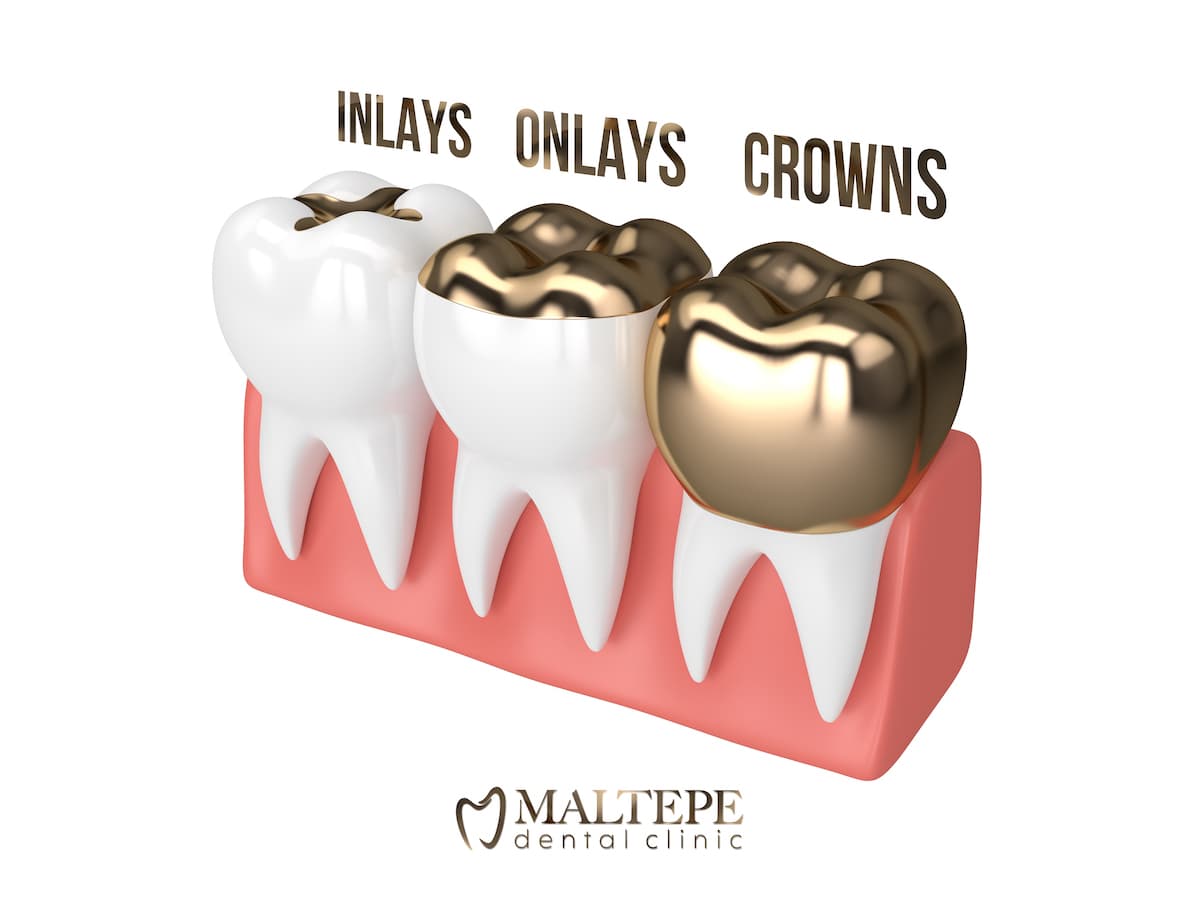
- Inlays and onlays: Custom-made restorations that fit into or onto the tooth.
- Veneers: Thin shells that cover the front surface of the tooth, primarily for cosmetic purposes.
- Extraction: Removing the tooth altogether, which may be necessary if the tooth is severely damaged.
Each of these options has its pros and cons regarding cost, durability, and aesthetics. Discuss these alternatives with your dentist to determine the best solution for your specific needs. In some situations, a dental bridge or even a dental implant may be more suitable.
Long-Term Value and Durability: Why Crowns Can Be a Good Investment
Dental crowns are designed to be a long-lasting solution for damaged or weakened teeth. With proper care, a crown can last for 10-15 years, or even longer. The benefits of a dental crown include:
- Restoring tooth function: Allowing you to chew and speak comfortably.
- Protecting the tooth: Preventing further damage or decay.
- Improving aesthetics: Enhancing your smile and confidence.
- Maintaining bite alignment: Preventing shifting of adjacent teeth.
Considering these benefits, a dental crown can be a worthwhile investment in your long-term oral health and quality of life. If you factor in the cost of potential future complications from neglecting a damaged tooth, the crown may even save you money in the long run.
Potential Need for Replacements and Associated Costs
Although dental crowns are durable, they are not indestructible. Over time, crowns can wear down, chip, or crack. In some cases, decay can develop underneath the crown, requiring replacement.
The cost of replacing a crown can be similar to the cost of the initial crown. To extend the life of your crown, practice good oral hygiene, avoid biting on hard objects, and visit your dentist regularly for check-ups and cleanings. Considering the cost of replacements, it’s wise to invest in quality materials and skilled dental work upfront. We offer affordable dental services without compromising on quality. The long-term value of our treatments makes them an excellent investment in your oral health.
How long do dental crowns last?
Dental crowns typically last between 5 to 15 years. However, with proper care and maintenance, they can last much longer. Factors affecting their lifespan include:
- Oral hygiene practices
- Dietary habits
- The material of the crown
- The skill of the dentist and lab technician
Are there affordable alternatives to dental crowns?
Yes, depending on the condition of the tooth, affordable alternatives to dental crowns include:
- Fillings: For small cavities or minor damage.
- Inlays and Onlays: Custom-made fillings that fit into or onto the tooth.
- Dental Bonding: A tooth-colored resin applied to repair minor chips or cracks.
However, these alternatives may not be suitable for extensively damaged teeth.
How Can You Make Dental Crowns More Affordable?
If the cost of a dental crown seems prohibitive, several strategies can make treatment more affordable. These include exploring dental insurance options, inquiring about payment plans and finance, and seeking multiple quotes.
Dental Insurance Options: Maximizing Your Coverage
Dental insurance can significantly reduce the out-of-pocket cost of a dental crown. Review your policy to understand the coverage for crowns, any waiting periods, and annual limits. Some policies may cover a percentage of the total cost, while others have fixed limits for specific procedures.
If you don’t have dental insurance, consider purchasing a policy. Compare different plans to find one that meets your needs and budget. Keep in mind that some policies have waiting periods before certain procedures are covered, so plan accordingly. While dental insurance can help, it may not cover the entire cost of the crown, so explore other affordability strategies as well.
Payment Plans and Finance: Spreading the Cost Over Time
Many dental practices offer payment plans or financing options to help patients spread the cost of treatment over time. These plans may involve:
- In-house payment plans: The dental practice allows you to pay the cost in installments over several months.
- Third-party financing: Companies like CareCredit offer dental financing with low-interest rates or deferred interest options.
These options can make dental crowns more accessible by breaking the cost into manageable monthly payments. Discuss payment plan options with your dentist to find a solution that fits your budget. Keep in mind the potential for interest charges and fees associated with financing.
Seeking Multiple Quotes: Comparing Prices and Services
Dental costs can vary significantly between practices, so it’s wise to seek multiple quotes before making a decision. Contact several dentists in your area and ask for a written estimate for the cost of a dental crown. Be sure to specify the type of material you’re interested in and any other relevant details.
When comparing quotes, consider not only the price but also the dentist’s qualifications, experience, and the quality of materials used. A slightly higher price may be worth it for better care and a more durable crown. If cost is a major concern, consider exploring dental tourism options, where you can find significant savings without compromising on quality. For example, Albania Dental Implants offers high-quality dental crowns at a fraction of the cost in the UK.
Can dental insurance help with the cost?
Yes, dental insurance can definitely help with the cost of a dental crown. The extent of the coverage depends on your specific policy, but many plans cover a significant portion of the cost.
What tips help reduce the cost of getting a crown?
Here are several tips to help reduce the cost of getting a crown:
- Explore dental insurance options and maximize your coverage.
- Inquire about payment plans and financing options.
- Seek multiple quotes from different dental practices.
- Consider dental tourism for affordable, high-quality care abroad.
- Maintain good oral hygiene to prevent future dental problems and the need for more extensive treatments.
Conclusion
While the initial cost of a dental crown might seem substantial, understanding the factors that contribute to the price can help you appreciate the investment. From the materials used and the expertise of the dentist to the dental lab fees and potential complications, several elements influence the final cost. By exploring strategies to make dental crowns more affordable, such as dental insurance, payment plans, and seeking multiple quotes, you can find a solution that fits your budget. Consider the long-term value and benefits a dental crown offers, including restoring tooth function, protecting against further damage, improving aesthetics, and maintaining bite alignment. If you’re seeking affordable and high-quality dental care, explore the possibility of dental tourism to Albania. At Albania Dental Implants, we offer a range of dental crown options at competitive prices, ensuring you receive the best possible care without breaking the bank. Contact Albania Dental Implants today to schedule a consultation and learn more about our dental crown services in Albania.