



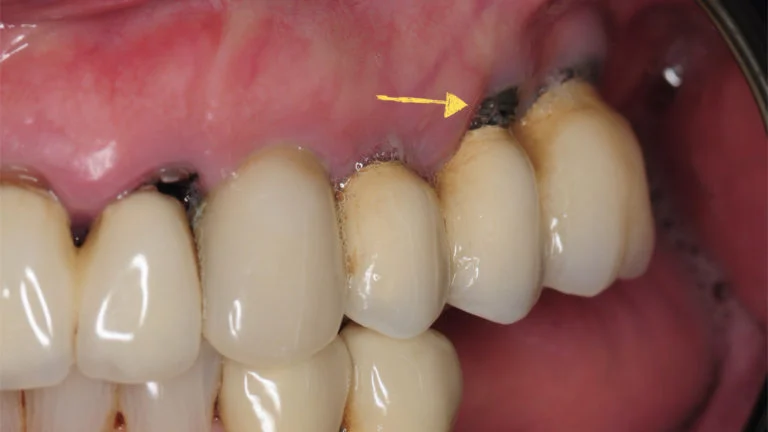
If you’ve noticed your dental implant turning black, understanding the potential causes is essential for maintaining your oral health. Dental implant discoloration can be alarming, but identifying the underlying issues can help you take prompt action and ensure the longevity of your implant. Albania Dental Implants specializes in diagnosing and treating dental implant complications, offering solutions tailored to restore your smile’s health and aesthetics.
What causes dental implants to turn black?
Dental implant discoloration can stem from several factors. Understanding these causes is the first step in addressing the problem. Several factors can cause dental implant discoloration that may lead to blackening. These include titanium exposure, peri-implantitis, and staining of the abutment or crown.
Titanium exposure and gum recession
One of the most common reasons for a dental implant to appear black is the exposure of the titanium component. Gum recession, where the gum tissue pulls back from the tooth or implant, can reveal the underlying titanium. This titanium, being a metal, has a dark, grayish color that contrasts sharply with the natural pink of healthy gums. Over time, bone loss can exacerbate gum recession, further exposing the implant. At Albania Dental Implants, we address gum recession through advanced grafting techniques, ensuring a stable and aesthetically pleasing gumline.
Peri-implantitis and infection
Peri-implantitis, an inflammatory condition affecting the tissues around the implant, can also contribute to discoloration. This condition is often caused by bacterial infection and can lead to bone loss and gum recession. The inflamed tissues may appear dark red or even black, signaling a serious problem. Moreover, chronic infections can cause discoloration due to the presence of bacteria and the body’s inflammatory response. Immediate loading dental implants in Albania are a great options if you are looking for a same day fix
Abutment or crown staining
While the implant itself is made of titanium, the abutment (the connector between the implant and the crown) and the crown itself can also suffer from staining. Certain foods, drinks, and habits like smoking can cause surface stains that make the implant appear darker. In some cases, the materials used in the abutment or crown may corrode or discolor over time, especially if they are of lower quality. Regular maintenance and high-quality materials are vital in preventing these issues.
How does gum health affect implant color?
Gum health plays a critical role in the overall appearance of a dental implant. Healthy gums provide a natural and aesthetically pleasing frame for the implant, while unhealthy gums can lead to discoloration and other issues. Addressing a black dental implant gum requires understanding the relationship between gum health and implant appearance.
Role of soft tissue in aesthetics
The soft tissue, or gums, around a dental implant is crucial for its aesthetic success. Healthy gums are pink, firm, and fit snugly around the implant, creating a seamless appearance. The gum tissue not only covers the underlying bone and implant but also protects it from infection. When gums are healthy, they enhance the natural look of the implant, blending it seamlessly with the surrounding teeth. If you are looking for a complete smile make over consider the services of cosmetic dentistry in Albania.
Risk factors for gum recession
Several factors can contribute to gum recession dental implant, leading to the exposure of the dark metal beneath. These include:
- Poor oral hygiene: Inadequate brushing and flossing can lead to plaque buildup and gum inflammation, eventually causing recession.
- Smoking: Smoking reduces blood flow to the gums, making them more susceptible to recession.
- Bruxism: Grinding or clenching your teeth can put excessive force on the gums, leading to recession.
- Aggressive brushing: Brushing too hard or using a hard-bristled toothbrush can damage gum tissue.
- Thin gums: Some people naturally have thinner gums, making them more prone to recession.
At Albania Dental Implants, we provide personalized oral hygiene instructions and treatments to manage and prevent gum recession.
Restorative options for darkened implants
When gum recession leads to a darkened appearance around the implant, several restorative options are available. Gum grafting can restore lost tissue, covering the exposed implant and improving aesthetics. Alternatively, a new crown or abutment made of a different material (such as zirconia) can be used to eliminate the dark line. These restorative solutions can help restore both the health and appearance of your smile.
Is a black implant a sign of a serious problem?
The appearance of a black implant can indeed indicate a serious underlying issue. Recognizing the signs and symptoms early can prevent further complications. It is important to understand that a black implant is typically a sign of potential dental implant complications and should not be ignored.
Symptoms indicating infection or failure
Several symptoms may accompany a black implant, indicating infection or failure:
- Pain or discomfort around the implant
- Swelling or redness of the gums
- Bleeding when brushing or flossing
- Loose implant
- Bad breath or a foul taste in the mouth
- Visible pus or discharge
These symptoms should prompt an immediate visit to the dentist to assess the situation. Ignoring these signs can lead to further bone loss, implant failure, and systemic health issues. We can address all of these symptoms with oral surgery in Albania.
When to seek professional help
If you notice any blackness around your dental implant, it’s crucial to seek professional help immediately. Early detection and treatment can prevent minor issues from becoming major problems. A dentist can evaluate the implant, identify the cause of the discoloration, and recommend the appropriate treatment plan. Delaying treatment can result in more extensive and costly interventions. At Albania Dental Implants, we offer comprehensive implant evaluations to diagnose and treat any issues promptly.
How to prevent discoloration of dental implants?
Prevention is always better than cure when it comes to dental implant discoloration. Proper oral hygiene and regular dental visits can significantly reduce the risk of this issue. Maintaining excellent oral hygiene dental implants is paramount in preventing discoloration and ensuring the longevity of your investment.
Daily care guidelines
Here are some essential daily care guidelines to help prevent discoloration:
- Brush at least twice a day with a soft-bristled toothbrush.
- Floss daily to remove plaque and debris from around the implant.
- Use an interdental brush to clean hard-to-reach areas.
- Rinse with an antimicrobial mouthwash to reduce bacteria.
- Avoid using abrasive toothpaste that can scratch the implant surface.
Following these guidelines can help keep your implant clean and prevent staining and infection. In order to save money consider Albania Dental Implants Services, which offers the best services in all of Europe.
Regular dental visits
Regular dental visits are crucial for maintaining the health and appearance of your dental implant. During these visits, your dentist can:
- Assess the health of your gums and bone around the implant.
- Remove any plaque or tartar buildup.
- Check for signs of infection or inflammation.
- Provide professional cleaning and polishing.
- Recommend any necessary adjustments or treatments.
These regular check-ups can help catch potential problems early, before they lead to discoloration or other complications. A comprehensive dental clinic in Albania is a great place to start when it comes to maintaing proper oral hygene.
Choosing materials (ceramic vs titanium)
The materials used in your implant can also affect its susceptibility to discoloration. While titanium is strong and biocompatible, it can sometimes show through thin gums. Ceramic implants, on the other hand, are tooth-colored and offer better aesthetics, especially in areas with thin gums. When considering materials, discuss the pros and cons of each with your dentist to make an informed decision. Zirconia implants in Albania offer great aesthetics and biocompatibility.
Treatment options for black dental implants
If your dental implant has already turned black, several treatment options are available to restore its appearance and health. Addressing darkened implants requires a tailored approach that considers the underlying cause and severity of the issue. Treatment for black dental implants range from non-invasive to surgical approaches.
Non-invasive approaches
In some cases, non-invasive treatments can address the discoloration:
- Professional cleaning: Removing surface stains and plaque buildup can improve the implant’s appearance.
- Polishing: Polishing the implant surface can remove minor stains and smooth the surface.
- Topical treatments: Applying fluoride or other treatments can help strengthen the implant and prevent further discoloration.
These non-invasive approaches are often the first line of defense in addressing minor discoloration issues. Regular general dentistry in Albania can help maintain the appearance of your implants.
Surgical and prosthetic solutions
For more severe cases of discoloration, surgical or prosthetic solutions may be necessary:
- Gum grafting: Restoring lost gum tissue can cover exposed titanium and improve aesthetics.
- Abutment replacement: Replacing a discolored or corroded abutment with a new one can restore the implant’s appearance.
- Crown replacement: Replacing a stained or damaged crown with a new one can improve the overall look of the implant.
- Implant removal: In rare cases, if the implant is severely damaged or infected, it may need to be removed and replaced.
These more involved solutions can help restore both the health and appearance of your dental implant. Also consider other options like multiple implants with bridges in Albania.
FAQs (Questions that must be answered in detail)
Why is my dental implant turning black?
Your dental implant may be turning black due to several reasons, including titanium exposure from gum recession, peri-implantitis (an infection around the implant), or staining of the abutment or crown. Gum recession reveals the dark metal of the titanium implant, while peri-implantitis causes inflammation and potential discoloration due to infection. Staining from foods, drinks, or smoking can also darken the implant’s appearance. Determining the exact cause requires a professional evaluation to ensure appropriate treatment.
Is black discoloration dangerous for my implant?
Yes, black discoloration can be dangerous for your implant. It often indicates underlying issues such as infection (peri-implantitis) or gum recession, which can lead to bone loss and implant failure. Peri-implantitis, in particular, can compromise the stability of the implant and affect your overall oral health. It’s essential to seek immediate dental care to address the problem and prevent further complications. With services in Albania Dental Implants we can provide the best treatment to fix the dental implant issues.
Can titanium dental implants corrode?
While titanium is highly resistant to corrosion, it is not entirely immune. In rare cases, particularly with lower-quality implants or in individuals with specific health conditions, titanium can corrode. Corrosion can lead to discoloration around the implant and may also compromise its structural integrity. High-quality titanium implants are less likely to corrode, but proper maintenance and regular check-ups are still necessary. For a permanent solution consider a full mouth reconstruction in Albania.
How can gum recession make my implant look black?
Gum recession can make your implant look black by exposing the underlying titanium post. Healthy gums cover the top of the implant, providing a natural, aesthetically pleasing appearance. When the gums recede, the dark metal of the titanium becomes visible, creating a black line or shadow around the implant. Gum recession can be caused by factors such as poor oral hygiene, aggressive brushing, smoking, or bruxism. Addressing gum recession through grafting can help restore the natural appearance of the implant.
What is peri-implantitis, and can it cause darkening?
Peri-implantitis is an inflammatory condition affecting the tissues around a dental implant, often caused by bacterial infection. It can lead to bone loss, gum recession, and the formation of pockets around the implant. The inflammation and infection associated with peri-implantitis can cause the gums to appear red, swollen, and sometimes dark or black. Untreated peri-implantitis can result in implant failure, making early detection and treatment crucial. As a result, bone grafting in Albania is the most efficient method for peri-implantitis.
Can the blackness be reversed or treated?
Yes, the blackness around a dental implant can often be reversed or treated, depending on the cause. If the discoloration is due to staining, professional cleaning and polishing can help. Gum recession can be addressed with gum grafting to cover the exposed titanium. Peri-implantitis requires treatment to eliminate the infection and inflammation, which may involve antibiotics, scaling, and root planing. In some cases, surgical intervention may be necessary to clean and regenerate damaged tissues. The key is to identify the cause early and seek appropriate treatment. Consider dental tourism in Albania as we offer great prices.
Should I replace my implant if it turns black?
Whether you should replace your implant if it turns black depends on the severity of the underlying issue. If the discoloration is due to minor staining or gum recession, conservative treatments may suffice. However, if the blackness is a result of severe peri-implantitis, significant bone loss, or implant failure, replacement may be necessary. A dentist will need to evaluate the implant and surrounding tissues to determine the best course of action. We also offer orthodontics in Albania.
Which is better for aesthetics: ceramic or titanium implants?
Ceramic implants, particularly those made of zirconia, are generally considered better for aesthetics than titanium implants. Ceramic implants are tooth-colored, which means they blend more seamlessly with the natural teeth and gums. This is especially important in areas with thin gums or when gum recession is a concern. Titanium implants, while strong and biocompatible, have a dark metal color that can be visible if the gums recede. The cost of dental implants in Albania is relatively cheaper.
How do I maintain the appearance of my dental implant?
Maintaining the appearance of your dental implant involves several key steps:
- Brush twice daily with a soft-bristled toothbrush.
- Floss daily to remove plaque and debris.
- Use an interdental brush to clean hard-to-reach areas.
- Rinse with an antimicrobial mouthwash.
- Avoid smoking and excessive consumption of staining foods and drinks.
- Schedule regular dental check-ups for professional cleaning and evaluation.
These practices will help keep your implant clean, healthy, and aesthetically pleasing.
When should I see a dentist about discoloration?
You should see a dentist immediately if you notice any discoloration around your dental implant. Early detection and treatment can prevent minor issues from becoming major problems. Signs to watch out for include blackness around the implant, red or swollen gums, bleeding when brushing or flossing, pain or discomfort, and a loose implant. Prompt dental care can help identify the cause of the discoloration and ensure appropriate treatment to restore the health and appearance of your implant.
Considering Dental Implants in Albania?
If you’re considering dental implants and looking for high-quality, affordable solutions, look no further than Albania Dental Implants. Our state-of-the-art clinic offers a range of services, from single tooth implants to full mouth reconstructions. We use only the best materials and the latest techniques to ensure optimal results. Plus, our dental tourism packages make it easy to combine your dental treatment with a relaxing vacation in beautiful Albania.
Benefits of Choosing Albania Dental Implants:
- Affordable prices: Save up to 70% compared to dental costs in the UK.
- Experienced dentists: Our team consists of highly skilled and experienced implant specialists.
- State-of-the-art technology: We use the latest equipment and techniques to ensure optimal results.
- Personalized care: We tailor our treatments to meet your individual needs and goals.
- Dental tourism packages: Combine your dental treatment with a relaxing vacation in Albania.
Don’t let discoloration or other issues compromise your dental implant. Contact Albania Dental Implants today to schedule a consultation and learn more about our comprehensive implant services. Restore your smile and confidence with our expert care. Contact Albania Dental Implants to schedule a consultation and take the first step towards a healthier, more beautiful smile. You can find more information about our services, including all on 4 dental implants in Albania, on our website.