



Will my tooth be OK without a crown? This is a common question, and the answer depends on several factors, including the extent of the damage, the location of the tooth, and your overall oral health. This article explores the risks and benefits of choosing not to get a dental crown, alternatives available, and when a crown is medically necessary.
What Is a Dental Crown and When Is It Needed?
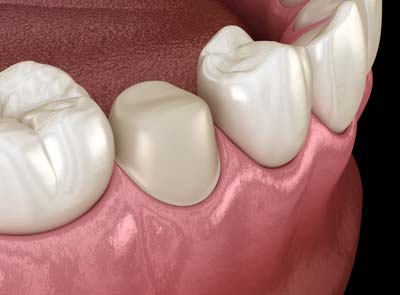
A dental crown, also known as a “cap,” is a custom-made covering that fits over a damaged or weakened tooth. Understanding teeth needing crowns is essential for making informed decisions about your oral health. Crowns restore the tooth’s shape, size, strength, and appearance. They are typically made of porcelain, ceramic, metal, or a combination of materials.
Common Reasons a Dentist Recommends a Crown
- To protect a weak tooth: If a tooth is cracked, decayed, or has a large filling, a crown can prevent further damage.
- To restore a broken tooth: Crowns can repair teeth that have been fractured or chipped.
- To cover a dental implant: A crown is placed on top of a dental implant to provide a functional and natural-looking tooth.
- To hold a dental bridge in place: Crowns are used to anchor a dental bridge, which replaces missing teeth.
- To cover a discolored or misshapen tooth: Crowns can improve the appearance of teeth that are severely stained or poorly shaped.
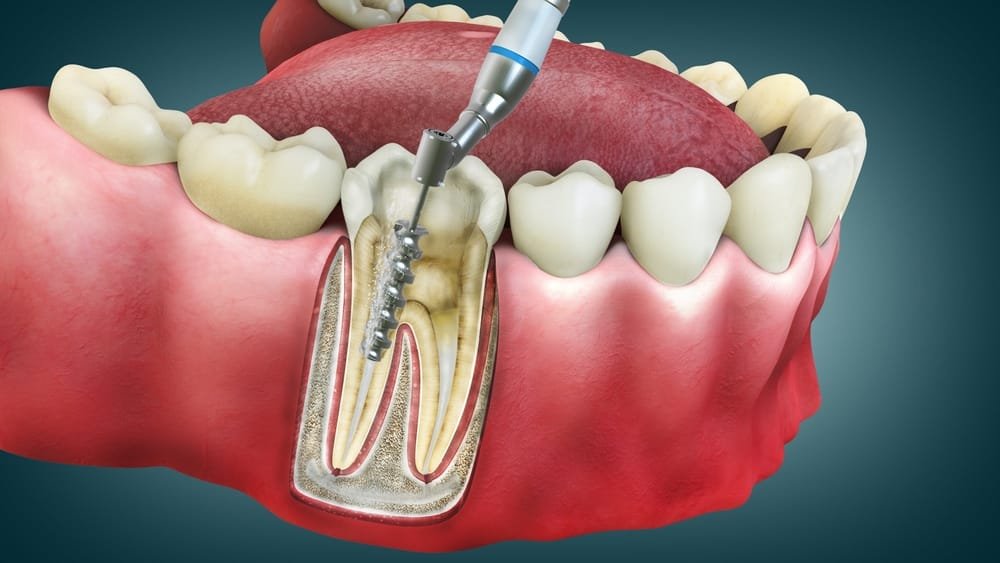
- After a root canal: Often, a tooth becomes brittle after a root canal and needs a crown for protection.
Teeth at Risk
Certain teeth are more likely to need crowns than others. Teeth that have undergone root canal therapy often require crowns because the procedure can weaken the tooth structure. Teeth with large fillings are also at risk, as the filling can compromise the tooth’s integrity over time. Cracked teeth, even those with minor fractures, can benefit from a crown to prevent further breakage. Patients considering Albania Dental Implants for services can benefit from our high-quality and affordable options for restoring damaged teeth.
What Happens If I Don’t Get a Crown?
Deciding against a crown when your dentist recommends one can have significant consequences. Understanding the risk of not getting a dental crown is crucial for making an informed decision about your dental health.
Short-Term vs. Long-Term Outcomes
In the short term, you might experience increased tooth pain without crown, sensitivity to hot and cold, or discomfort when chewing. Long-term, the risks are more severe. The tooth could fracture further, leading to the need for extraction. Ignoring a dentist’s recommendation could result in more extensive and costly treatments down the line.
Risk Factors
- Pain: Without a crown, the tooth may become increasingly sensitive and painful, especially when exposed to pressure or temperature changes.
- Infection: Cracks and fractures can allow bacteria to enter the tooth, leading to infection and potentially an abscess.
- Further Breakage: An unprotected tooth is more likely to break or chip, potentially requiring extraction.
Realistic Time Span Before Issues Occur
The time it takes for problems to develop without a crown varies. Some teeth may last for months or even years without a crown, while others may deteriorate rapidly. Factors such as the extent of the damage, the tooth’s location, and your biting forces play a role. Regularly scheduled check-ups at a dental clinic in albania can help monitor the status of your oral health.
Patients Who MAY Be Suitable Without a Crown
In some limited cases, a tooth might be okay without a crown. This is usually when the damage is very minor, and the tooth is not subjected to heavy biting forces. However, this is a decision that should only be made in consultation with your dentist. Understanding the long-term prognosis of uncrowned teeth is critical. To determine if you are a candidate, please contact albania dental implants to schedule a consultation.
Are There Alternatives to a Dental Crown?
While dental crowns are a common solution for damaged teeth, several alternatives exist. Exploring tooth crown alternatives can help you find the best option for your specific needs and budget.
Inlays/Onlays
Inlays and onlays are indirect fillings made of porcelain, composite resin, or gold. They are used to repair teeth with mild to moderate decay or damage. Inlays fit inside the cusps (pointed edges) of the tooth, while onlays extend over one or more cusps. The advantage of inlays/onlays is that they conserve more of the natural tooth structure compared to crowns.
Fillings
Fillings are used to repair small cavities or minor damage to teeth. They are typically made of composite resin, amalgam, or gold. Fillings are a more conservative option than crowns, but they are not suitable for teeth with extensive damage or decay. Patients who have silver fillings may wish to explore cosmetic dentistry in albania to discover new filling options.
Temporary Solutions
Temporary fillings can serve as a temporary solution to protect a tooth while you consider a more permanent restoration. However, temporary fillings are not designed for long-term use and will eventually need to be replaced. Understanding temporary filling vs crown is important to ensure the best care for your teeth.
Suitability and Limitations of Each
The suitability of each alternative depends on the extent and location of the damage. Inlays and onlays are best for moderate damage, while fillings are ideal for minor cavities. Temporary solutions are only appropriate for short-term protection. Crowns are generally recommended for teeth with significant damage or after root canal therapy. At Albania Dental Implants, we can help determine the best solution to fit your individual needs.
Cost and Longevity Comparison
The cost of alternatives varies depending on the material and the extent of the repair. Fillings are typically the least expensive option, followed by inlays and onlays. Crowns are generally the most expensive, but they also offer the longest-lasting protection. Fillings may last 5-10 years, inlays/onlays 10-20 years, and crowns 15-25 years or longer with proper care.
Additional Complications and Considerations
Skipping a crown can lead to various complications, especially if you have had a root canal or have significant tooth damage. Knowing the potential long-term consequences and understanding the implications for your oral health is crucial.
Sensitivity and Pain Risks
Without a crown, the underlying tooth structure is more vulnerable to temperature changes, pressure, and acidic foods. This can result in increased tooth sensitivity after root canal and pain when chewing. The tooth may also become more susceptible to decay and further damage. If you experience pain, consider a consultation at Albania Dental Implants for options for diagnostics and treatment.
What Happens After a Root Canal If You Skip a Crown?
After a root canal, the tooth is more brittle and prone to fracture. A crown is typically recommended to protect the tooth from breaking. Skipping a crown after a root canal can significantly increase the risk of tooth fracture, potentially leading to the need for extraction. You may wish to consider zirconia implants in albania as an option for long term and affordable relief.
How Lack of Crown Impacts Overall Dental Health
A compromised tooth can affect your overall dental health. If a tooth is painful or damaged, you may avoid chewing on that side of your mouth, leading to uneven wear on other teeth. An untreated tooth can also contribute to gum disease and other oral health problems. Proper care of the remaining teeth is very important. A consultation at Albania Dental Implants will ensure your mouth is functioning to its full potential.
The Cost of Crowns in the UK and Financial Options
The cost of dental crowns in the UK can vary widely. Understanding the typical UK crown costs and exploring financial options can help you make an informed decision about your dental care.
Typical UK Crown Costs
- NHS: The cost of a crown on the NHS falls under Band 3, which includes all necessary treatment, including crowns and bridges.
- Private: The cost of a private crown can range from £500 to £1200 or more, depending on the material and the dentist’s fees.
Insurance and Payment Plans
Some dental insurance plans cover a portion of the cost of crowns. Check your policy to see what is included. Many dental practices also offer payment plans to help you spread the cost of treatment over time. Consider the value vs risk of not crowning when making this determination. Patients looking for the cheapest implants uk should be aware that payment plans can be arranged for that procedure as well.
Value vs. Risk of Not Crowning
While crowns can be a significant investment, they can also prevent more costly problems down the line. Weigh the cost of a crown against the potential risks of not getting one, such as tooth extraction and implant placement. In many cases, a crown is the most cost-effective solution in the long run. If you are concerned about the cost of implants, consider full mouth reconstruction in albania.
Professional Advice – When a Crown Is Essential
While there may be instances where delaying a crown is possible, there are certain situations where a crown is medically necessary. Listen to your dentist’s expert advice to determine the best course of action for your oral health.
Cases Where a Crown Is Medically Necessary
A crown is typically essential in cases where the tooth is severely damaged, cracked, or has undergone root canal therapy. It is also necessary when a large filling has compromised the tooth’s structural integrity. In these situations, a crown is the best way to protect the tooth from further damage and prevent extraction. Red flags if delaying a crown include, pain when chewing, teeth are at risk and tooth is cracked.
When It Is (Sometimes) Safe to Decline or Delay
In some cases, it may be safe to delay or decline a crown. This is usually when the damage is minor, and the tooth is not subjected to heavy biting forces. However, this decision should only be made in consultation with your dentist. Delaying treatment may lead to further complications, so it is important to weigh the risks and benefits carefully. You can consider dental tourism in albania if costs are a concern.
Questions to Ask Your Dentist
If you are unsure whether you need a crown, ask your dentist the following questions:
- What are the risks of not getting a crown?
- Are there any alternatives to a crown?
- What is the long-term prognosis for my tooth if I don’t get a crown?
- What type of crown do you recommend, and why?
- What is the cost of the crown, and are there any payment options available?
By asking these questions, you can make an informed decision about your dental care. Don’t delay, contact albania dental implants and book a consultation.
FAQ Section
Can a tooth survive without a crown after a root canal?
While a tooth can technically survive without a crown after a root canal, it’s generally not recommended. Root canal therapy removes the nerve and blood supply, which makes the tooth more brittle and susceptible to fracture. A crown provides essential protection and support, significantly increasing the tooth’s long-term survival. A good analogy would be a building, if you take away the support beams, what happens to the structure of the building? It is not recommended to skip this step. If the tooth is at the back of the mouth, a crown should be considered.
Is it ever safe to delay or decline a crown?
Delaying or declining a crown should only be done after a thorough discussion with your dentist. It might be considered if the damage is minimal, the tooth is not under heavy stress, and you maintain excellent oral hygiene. However, remember that delaying treatment increases the risk of further damage and more extensive procedures later. At Albania Dental Implants, we prioritize educating our patients on all the implications of any path that they choose.
What are signs I need a crown immediately?
Signs that you might need a crown immediately include:
- Severe tooth pain
- A cracked or fractured tooth
- A large filling that has failed
- A tooth that has undergone root canal therapy
- Increased sensitivity to hot and cold
If you experience any of these symptoms, consult your dentist as soon as possible.
Will my tooth hurt if I don’t get a crown?
Your tooth might hurt if you don’t get a crown. The pain can range from mild sensitivity to sharp, throbbing discomfort, depending on the extent of the damage and the tooth’s proximity to the nerve. Neglecting a tooth that needs a crown can lead to inflammation, infection, and ultimately, more pain.
Can I use a filling instead of a crown?
A filling can be used instead of a crown in some cases, but it depends on the size and location of the damage. Fillings are best suited for small cavities or minor damage. If a tooth has a large cavity or is cracked or weakened, a crown is generally the better option. A filling may not provide sufficient support and protection, increasing the risk of further damage.
What happens if my tooth breaks before I get a crown?
If your tooth breaks before you get a crown, the situation can become more complicated. Depending on the extent of the break, you may need a root canal, extraction, or other more extensive treatment. It’s always best to address dental issues proactively to prevent more serious problems from developing. A consultation with albania dental implants should be scheduled right away if this happens.
Are crowns covered by the NHS or insurance?
Crowns are covered by the NHS, but the materials available may be limited. Private insurance may cover a portion of the cost of crowns, depending on your policy. It’s important to check your insurance coverage and discuss payment options with your dentist. When discussing materials, you may want to consider emax veneers in albania, or other affordable alternatives.
How long can I wait before getting a crown?
The amount of time you can wait before getting a crown varies. Some teeth may be stable for months or even years without a crown, while others may deteriorate rapidly. It’s essential to discuss your situation with your dentist and weigh the risks and benefits of delaying treatment. Remember, that what may save you in the short term, will end up costing more in the long term. The best age for dental implants is at any age, so you can always consider that option as well.
How do I care for a tooth that needs a crown but I haven’t had one fitted yet?
While you wait for a crown, it’s essential to take extra care of the affected tooth. Brush gently, floss daily, and avoid chewing hard or sticky foods on that side of your mouth. Use a sensitive toothpaste if the tooth is sensitive. See your dentist regularly for check-ups to monitor the tooth and prevent further damage.
What are the risks of not getting a crown in the UK compared to just a filling?
The risks of not getting a crown in the UK compared to just a filling are primarily related to the extent of damage to the tooth. A filling is suitable for small cavities or minor damage, while a crown is necessary for teeth with significant damage, cracks, or after root canal therapy. Without a crown, the tooth is more likely to fracture, become infected, and eventually require extraction. In the UK, this could mean more costly and extensive treatment on the NHS or privately.
Choosing whether or not to get a crown for your tooth requires careful consideration. Understanding the risks and benefits can help you make an informed decision. At Albania Dental Implants, we offer comprehensive dental services, including crowns and dental implants, at affordable prices. Contact us today to schedule a consultation and find out how we can help you achieve a healthy and beautiful smile. We can help advise, and if tooth extraction occurs, can get you in as soon as possible for same day dental implants.