



Will the NHS give me implants? This is a common question for individuals in the UK considering dental implants as a solution for missing teeth. While dental implants offer a long-term solution for restoring your smile and improving oral health, accessing them through the National Health Service (NHS) can be complex. This article explores the eligibility criteria, costs, alternatives, and application process for NHS dental implants, and also highlights why many patients are now turning to high-quality, affordable options abroad, such as Albania Dental Implants.
Who Qualifies for Dental Implants on the NHS?
The primary concern for many is NHS dental implants eligibility. NHS policy dictates that dental implants are typically provided only in cases of medical necessity. This often includes situations involving trauma, congenital disabilities, or when a patient is demonstrably unable to wear or function with dentures. The NHS prioritises treatments based on clinical need, and therefore, cosmetic reasons alone are unlikely to qualify you for implant treatment.
NHS Criteria for Eligibility
To be considered for dental implants on the NHS, you typically need to meet specific criteria. These might include:
- Significant tooth loss due to trauma (e.g., an accident causing the loss of several teeth).
- Congenital conditions affecting tooth development (e.g., ectodermal dysplasia).
- Inability to wear dentures due to anatomical issues or severe gag reflex.
- Cases where implants are required as part of reconstructive surgery following cancer treatment.
Evidence and Documentation Typically Required
If you believe you meet the NHS eligibility criteria, gathering appropriate evidence is essential. This often includes:
- Referral from your general dentist detailing your dental history and the reasons for needing implants.
- Medical records supporting any underlying health conditions.
- Photographs and X-rays illustrating the extent of tooth loss or damage.
- Statements from specialists (e.g., oral surgeons or prosthodontists) assessing your case.
Given the strict criteria and limited funding, many UK residents explore alternatives like dental tourism in Albania, where they can receive high-quality dental implants at a significantly lower cost. Our team at Albania Dental Implants specialises in providing affordable, world-class implant solutions, making us an attractive option for those not eligible for NHS treatment.
How Much Do Dental Implants Cost on the NHS?
Understanding the cost of implants on NHS is crucial if you are considering this treatment option. NHS dental services are charged in bands, but dental implants usually fall under more complex treatments, and are not routinely available.
Standard Patient Charges (Bands)
The NHS operates with a banding system for dental charges:
- Band 1: £26.80 (covers examinations, diagnosis, and preventative care).
- Band 2: £73.50 (covers everything in Band 1, plus fillings, root canal treatment, and extractions).
- Band 3: £319.10 (covers everything in Bands 1 and 2, plus crowns, dentures, and bridges).
However, since implants are rarely provided, these charges don’t accurately represent the cost. If you are eligible, the implant treatment is usually subsidised. The actual cost depends on individual needs and the complexity of the case.
Full Cost vs Subsidised/Covered Scenarios
In scenarios where implants are deemed medically necessary, the NHS may cover a portion or the entire cost. However, these instances are rare. Most patients will need to cover part of the cost, even with NHS support. For those ineligible for NHS assistance or seeking more affordable options, dental implants in Albania offer a cost-effective solution without compromising on quality.
What’s Covered Under NHS Dental Services
Under NHS dental services, the focus is on essential dental care. This includes examinations, fillings, root canal treatments, and extractions. More complex procedures, like dental implants, are provided based on strict criteria. However, the NHS may offer alternatives like dentures or bridges to address missing teeth.
For patients seeking a permanent and aesthetically pleasing solution, Albania Dental Implants provides a compelling alternative. Our state-of-the-art clinic offers comprehensive implant services at prices significantly lower than those in the UK, making quality dental care accessible to more people.
NHS Dental Implants vs Dentures – What’s Offered?
When considering options for replacing missing teeth, it’s important to weigh dental implants vs dentures NHS. The NHS typically offers dentures as a standard solution, while dental implants are provided only under specific circumstances. Let’s explore what the NHS provides in both standard and exceptional cases.
Description of Standard vs Exceptional NHS Provision
Standard NHS provision usually involves offering complete or partial dentures to replace missing teeth. These are removable appliances designed to restore function and aesthetics. In exceptional cases, where clinical need is clearly demonstrated, dental implants might be considered. However, this is subject to strict eligibility criteria and funding availability. Exceptional cases may involve:
- Patients with significant facial trauma.
- Individuals with congenital disabilities affecting tooth development.
- Those who cannot tolerate dentures due to anatomical or medical reasons.
Feature Comparison Table: Implants vs Dentures
To help you compare, here’s a feature comparison table:
| Feature | Dental Implants | Dentures |
|---|---|---|
| Suitability | Long-term solution, feels like natural teeth | Removable, suitable for multiple missing teeth |
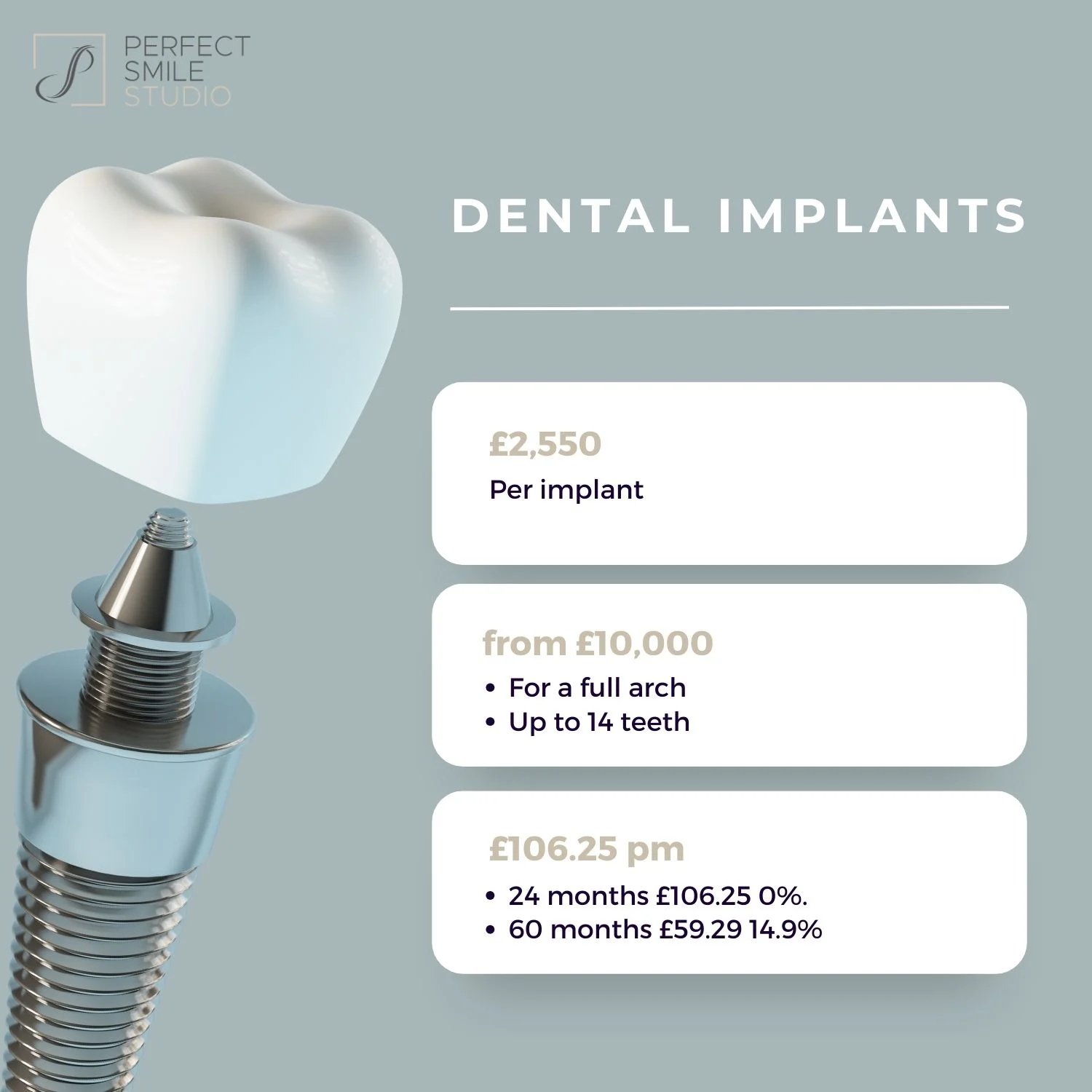
| Cost (UK) | £2,500 – £4,000 per implant (private) | £200 – £800 (NHS Bands) |
| Cost (Albania) | £500 – £1,500 per implant | N/A |
| Waiting Time (NHS) | Potentially very long, if eligible | Relatively short |
| Maintenance | Regular dental check-ups and good oral hygiene | Daily cleaning and occasional adjustments |
| Stability | Highly stable, fixed in the jawbone | Can be less stable, may require adhesives |
For those finding NHS options limited or too expensive, Albania Dental Implants Services presents an appealing alternative. With affordable pricing and high-quality care, you can achieve a lasting solution for missing teeth without financial strain. Our clinic specialises in providing top-notch dental implants, ensuring a comfortable and successful dental experience.
How Long Is the Waiting List for NHS Implants?
One of the significant challenges for patients seeking dental implants on the NHS is the waiting times for NHS implants. Due to limited funding and high demand, waiting lists can be extensive, causing delays and uncertainty for those in need of treatment.
Average Timeframes and Variations by Region
The average waiting time for dental implants on the NHS can vary significantly depending on the region and the specific dental practice. In some areas, patients might wait several months, while in others, the waiting list could extend to a year or more. Factors contributing to these variations include:
- Availability of funding for specialized dental treatments.
- Number of specialists available in the area.
- Prioritization of cases based on clinical need.
It’s essential to check with your local NHS dental practice for the most accurate information regarding waiting times in your region.
Referral Process and Delays
The referral process for NHS dental implants involves several steps, each potentially adding to the overall waiting time:
- Initial consultation with your general dentist.
- Referral to a specialist (e.g., oral surgeon or prosthodontist) for assessment.
- Evaluation of your case and confirmation of eligibility for NHS funding.
- Placement on the waiting list if approved.
Delays can occur at any stage of this process, from scheduling appointments with specialists to securing funding approval. This uncertainty is a key reason many patients consider private options or seek treatment abroad.
Alternative Interim Options
While waiting for NHS implants, there are alternative interim options to consider:
- Dentures: Removable appliances that replace missing teeth.
- Bridges: Fixed dental restorations that span the gap created by missing teeth.
- Partial dentures: Removable appliances that replace a few missing teeth.
These options can help restore function and aesthetics while you wait for a more permanent solution. However, they may not offer the same level of stability and comfort as dental implants.
Considering the lengthy waiting times and strict eligibility criteria for NHS implants, exploring alternatives like dental implants in Albania can be a practical solution. Our clinic offers prompt, high-quality treatment at affordable prices, allowing you to avoid the frustration of long waiting lists. Contact us to learn more about our services and how we can help you achieve a confident, healthy smile.
NHS Funding and Alternatives: What Are Your Options?
Understanding NHS funding for teeth implants and exploring alternative options is crucial for anyone considering this treatment. NHS funding is limited, and eligibility criteria are strict, making it essential to know what alternatives are available if you don’t qualify.
How Funding Is Allocated for Implants
NHS funding for dental implants is primarily allocated based on medical necessity rather than cosmetic reasons. Priority is given to cases where tooth loss is the result of trauma, congenital disabilities, or necessary reconstructive surgery. The allocation process involves:
- Assessment by a specialist to determine medical necessity.
- Application for funding through the local NHS commissioning group.
- Approval based on the severity of the case and available budget.
Due to budget constraints, many applications are turned down, leading patients to explore alternative solutions.
Alternatives if Rejected for NHS Implants
If your application for NHS implants is rejected, several alternatives are available:
- Dental Bridges: These fixed restorations replace missing teeth by anchoring to adjacent teeth.
- Dentures: Removable appliances that can replace a full or partial set of teeth.
- Private Dental Implants: Opting for private dental care allows you to access implants without NHS restrictions.
- Dental Tourism: Traveling abroad for more affordable dental treatment, such as to Albania.
Private vs NHS: Pros, Cons, and Price Differences
Here’s a comparison of private vs NHS dental implants:
| Feature | NHS Dental Implants | Private Dental Implants |
|---|---|---|
| Eligibility | Strict, based on medical necessity | More flexible, based on patient preference |
| Waiting Time | Potentially long | Typically shorter |
| Cost | Subsidized if eligible | Higher, but more options for financing |
| Treatment Options | Limited to essential care | Wider range of options and advanced technologies |
Private dental implants in the UK can range from £2,500 to £4,000 per implant. In contrast, Albania Dental Implants offers implants at significantly lower prices, typically ranging from £500 to £1,500 per implant, making it a highly attractive option for those seeking affordable, high-quality dental care. Traveling to Albania not only saves you money but also provides an opportunity to experience a new culture while receiving top-notch dental treatment. Our clinic uses the latest technology and adheres to strict international standards, ensuring a safe and successful outcome.
The Application Process: How to Request NHS Dental Implants
Navigating how to apply for NHS dental implants can seem daunting, but understanding the step-by-step process can make it more manageable. This section provides a detailed guide to help you through the application, assessment, and appeals process.
Step-by-Step Guide: Referral, Assessment, Processing
The process typically involves these steps:
- Initial Consultation: Visit your general dentist for an initial examination and discussion about your suitability for dental implants.
- Referral to a Specialist: If your dentist believes you are a potential candidate, they will refer you to a specialist, such as an oral surgeon or prosthodontist, for further evaluation.
- Specialist Assessment: The specialist will assess your oral health, medical history, and specific needs to determine if dental implants are the right solution for you.
- Application for Funding: If the specialist deems you eligible, they will submit an application for funding to the local NHS commissioning group.
- Processing and Approval: The NHS will review your application based on medical necessity and available budget. This process can take several weeks or months.
- Treatment Planning: If approved, the specialist will develop a detailed treatment plan, including the number of implants needed and the timeline for the procedure.
Required Documents and Professional Involvement
To support your application, you will typically need the following documents:
- Referral letter from your general dentist.
- Medical history records.
- Dental records, including X-rays and photographs.
- Assessment report from the specialist.
Professional involvement is crucial throughout the process. Your dentist and specialist will provide the necessary documentation and support to strengthen your application.
Appeals and Second Opinions
If your application is rejected, you have the right to appeal the decision. The appeals process typically involves:
- Submitting a written appeal to the NHS commissioning group.
- Providing additional evidence to support your case.
- Requesting a second opinion from another specialist.
While pursuing NHS implants can be a lengthy and uncertain process, remember that alternatives like dental tourism in Albania offer a quicker, more affordable route to restoring your smile. Our clinic provides comprehensive implant services at competitive prices, allowing you to avoid the frustrations of the NHS application process. Contact us to explore how we can help you achieve the smile you deserve.
Success Rates and What to Expect from NHS Implants
Understanding NHS implant success rates and what to expect from the treatment is essential for making an informed decision. While dental implants generally have high success rates, it’s important to know the potential outcomes and aftercare involved.
Common Outcomes and Aftercare
Dental implants on the NHS, when approved, are performed by qualified specialists. Common outcomes include:
- Improved chewing ability and speech.
- Enhanced aesthetics and self-confidence.
- Long-term solution for missing teeth.
Aftercare is crucial for ensuring the longevity of your implants. This typically involves:
- Regular dental check-ups.
- Good oral hygiene practices, including brushing and flossing.
- Avoiding smoking and excessive alcohol consumption.
Patient Satisfaction and Statistics
Patient satisfaction with dental implants is generally high, with many reporting significant improvements in their quality of life. Success rates for dental implants typically range from 90% to 95% over a 10-year period. However, factors such as patient health, implant placement technique, and aftercare can influence these rates.
NHS Aftercare Support
The NHS provides aftercare support to ensure the success of your implants. This may include:
- Regular check-ups and maintenance appointments.
- Advice on oral hygiene practices.
- Treatment for any complications that may arise.
While NHS dental implants offer a reliable solution for missing teeth, the strict eligibility criteria and waiting times often lead patients to explore alternative options. Albania Dental Implants provides a compelling alternative, offering high-quality implant treatments at affordable prices. Our experienced team and state-of-the-art facilities ensure a successful outcome and a positive dental experience. Contact us today to learn more about our services and how we can help you achieve a confident, healthy smile.
Common Questions about NHS Dental Implants (FAQ)
Many people have questions about receiving dental implants through the NHS. This NHS dental implants FAQ section addresses some of the most common concerns to help you make an informed decision.
Are dental implants free on the NHS?
Dental implants are rarely free on the NHS. They are typically only provided in cases of medical necessity, such as significant trauma or congenital disabilities. Even then, you may need to pay a portion of the cost. If you don’t qualify for NHS assistance, explore options like dental tourism to find affordable solutions.
What makes someone eligible for NHS dental implants?
Eligibility for NHS dental implants is based on strict criteria, including:
- Significant tooth loss due to trauma.
- Congenital conditions affecting tooth development.
- Inability to wear dentures due to medical or anatomical reasons.
- Requirement as part of reconstructive surgery.
Are all implants covered, or only for certain medical conditions?
The NHS primarily covers implants for specific medical conditions. Cosmetic reasons are not typically covered. Check with your dentist and local NHS commissioning group for detailed eligibility information.
How do NHS waiting times compare to private clinics?
NHS waiting times can be significantly longer than those at private clinics. NHS patients may wait several months or even years, while private clinics often offer quicker appointments and treatment.
Can I switch from dentures to implants on the NHS?
Switching from dentures to implants on the NHS is possible but rare. You would need to demonstrate a clear medical need, such as an inability to tolerate dentures, to be considered.
Will the NHS pay for replacement or maintenance of implants?
The NHS may cover the replacement or maintenance of implants if they were initially provided by the NHS and require further treatment due to medical reasons. Routine maintenance is typically the patient’s responsibility.
What documents or evidence are needed for an implant application?
You’ll need:
- Referral letter from your dentist.
- Medical history records.
- Dental records (X-rays, photos).
- Assessment report from a specialist.
Are children or only adults eligible for NHS implants?
Both children and adults can be eligible, but cases involving children are very rare and require exceptional circumstances, such as congenital tooth loss.
What if my application is rejected?
If your application is rejected, you can appeal the decision by submitting a written appeal with additional evidence. You can also seek a second opinion from another specialist.
How do NHS implant success rates compare to private care?
NHS implant success rates are comparable to those in private care, as the procedures are performed by qualified specialists. However, private clinics may offer more advanced technologies and a wider range of treatment options. Remember that affordable options abroad, such as dental implants in Albania, provide high-quality care at competitive prices.
NHS Implants – Summary of Pros, Cons, and Alternatives
Navigating the possibility of receiving dental implants through the NHS involves understanding both its advantages and limitations. While the NHS offers a route to potentially subsidised treatment, strict eligibility criteria and long waiting times can be significant hurdles. On the other hand, private dental care and dental tourism provide alternative avenues for those seeking quicker, more flexible, and sometimes more affordable solutions.
Pros of NHS Implants:
- Potentially lower cost if eligible.
- Treatment provided by qualified specialists.
- Aftercare support available.
Cons of NHS Implants:
- Strict eligibility criteria based on medical necessity.
- Long waiting times.
- Limited treatment options.
Alternatives to NHS Implants:
- Private dental implants in the UK.
- Dental bridges and dentures.
- Dental tourism in Albania.
For individuals finding NHS options restrictive or too slow, Albania Dental Implants offers a compelling solution. Our clinic provides high-quality implant treatments at a fraction of the cost in the UK, without compromising on care or expertise. We invite you to contact Albania Dental Implants today to discuss your needs and explore how we can help you achieve a confident, healthy smile with our affordable, world-class services.