


Can I get rid of all my teeth and get implants? Absolutely! If you’re facing the prospect of losing all your teeth or already have, full mouth dental implants offer a stable, functional, and aesthetically pleasing solution. This comprehensive guide explores everything you need to know about complete tooth replacement with dental implants.
What Does “Getting Rid of All My Teeth for Implants” Mean?
The phrase “getting rid of all my teeth for implants,” referring to the tooth extraction process, signifies undergoing a full extraction of your remaining teeth to make way for full mouth dental implants. But who needs full extraction and what are the common reasons for removal?
Who Needs Full Extraction?
Full extraction, where all teeth are removed, is typically considered when:
- Extensive tooth decay makes saving the teeth impossible.
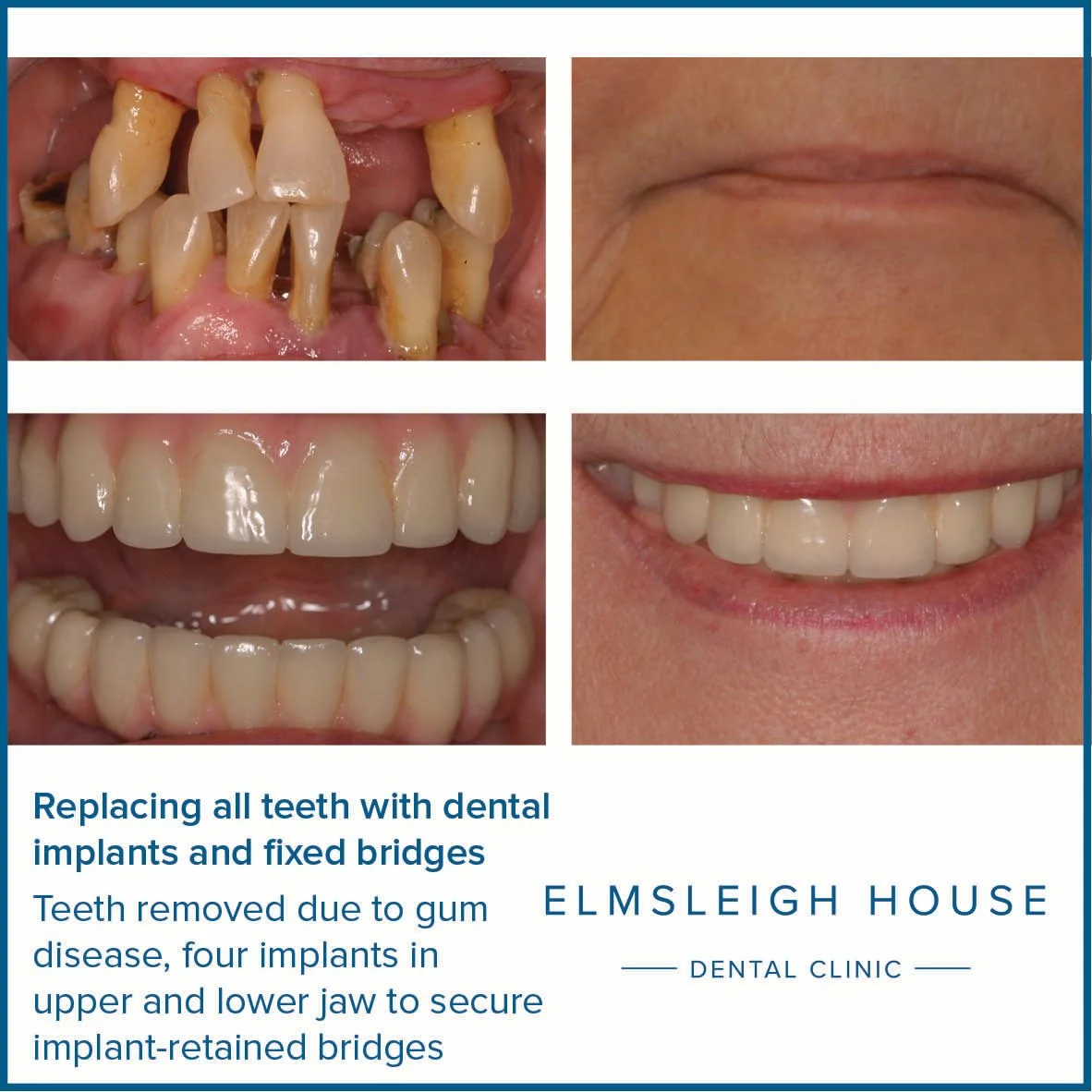
- Severe gum disease (periodontitis) has compromised the supporting bone structure.
- Trauma or injury has resulted in irreparable damage to multiple teeth.
- Other restorative options have been exhausted or are not viable.
The decision to remove all teeth is a significant one, made in consultation with a qualified dentist after a thorough examination and consideration of all available options. It’s important to remember that extraction is usually recommended as a last resort when other treatments are unlikely to succeed.
Reasons for Removal
Several factors can lead to the need for full tooth extraction:
- Advanced Decay: When decay has progressed too far to be treated with fillings, root canals, or crowns.
- Severe Gum Disease: Untreated periodontitis can destroy the bone and tissues that hold teeth in place, leading to tooth loss.
- Trauma: Accidents or injuries can cause teeth to become fractured or dislodged beyond repair.
- Failed Root Canals: In some cases, root canal treatment may fail to eliminate infection, necessitating extraction.
- Bone Loss: Significant bone loss in the jaw can make it impossible to support natural teeth, even with extensive treatment.
Understanding the reasons behind extraction can help you make an informed decision about your oral health and explore the best tooth replacement options available, such as dental implants.
Full Mouth Dental Implants: Your Options
When considering full mouth dental implants, you have several options for full arch implants and complete tooth replacement. These include all-on-4, all-on-6, implant-supported dentures, and traditional dentures vs implants. Let’s explore each of these.
All-on-4 Dental Implants
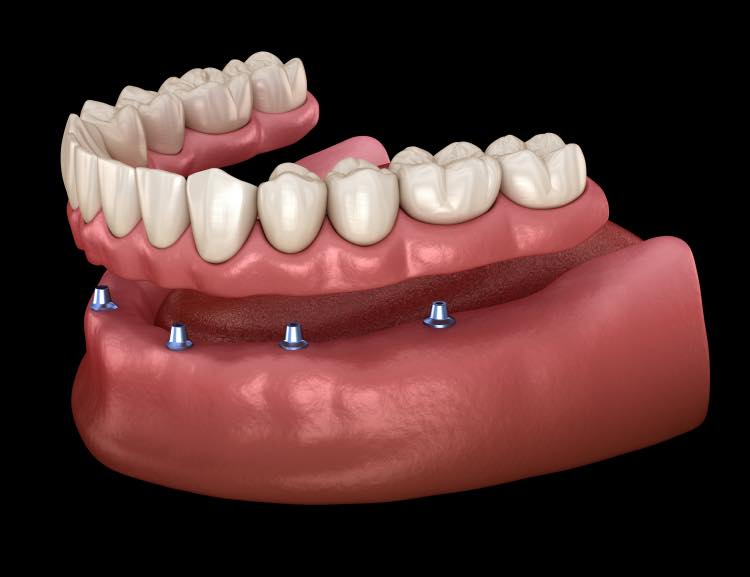
The All-on-4 technique involves placing four dental implants in each arch (upper or lower) to support a full set of replacement teeth. The rear implants are typically angled to maximize contact with the available bone, often negating the need for bone grafting. This provides a stable and functional solution with a relatively shorter treatment time.
The main benefits of All-on-4 include:
- Reduced treatment time compared to traditional implants.
- Often eliminates the need for bone grafting.
- Cost-effective compared to placing individual implants for each tooth.
- Improved stability and chewing ability compared to traditional dentures.
All-on-6 Dental Implants
Similar to All-on-4, the All-on-6 technique uses six dental implants per arch to support a full set of replacement teeth. The addition of two more implants can provide increased stability and support, especially in patients with weaker bone density. This option may be recommended for individuals who require extra support for their new teeth.
The advantages of All-on-6 include:
- Enhanced stability and support compared to All-on-4.
- Improved distribution of biting forces.
- Potentially longer-lasting results.
- Suitable for patients with some bone loss.
Implant-Supported Dentures
Implant-supported dentures, or implant overdentures in Albania, are removable dentures that attach to dental implants for increased stability. Unlike traditional dentures that rest on the gums, implant-supported dentures snap onto the implants, preventing slipping and improving chewing ability. Typically, two to four implants are used per arch.
Key features of implant-supported dentures:
- Improved stability and retention compared to traditional dentures.
- Increased chewing efficiency.
- Reduced gum irritation.
- More affordable than full arch fixed implants.
Traditional Dentures vs Implants
Traditional dentures are removable appliances that rest directly on the gums. While they are a more affordable option upfront, they offer less stability and chewing ability compared to dental implants. They can also cause gum irritation and require frequent adjustments.
Here’s a comparison:
- Stability: Implants offer superior stability compared to dentures.
- Chewing Ability: Implants allow for near-natural chewing function.
- Bone Loss: Dentures can accelerate bone loss, while implants help preserve bone density.
- Maintenance: Implants are easier to maintain than dentures.
- Cost: Dentures are initially cheaper, but implants can be more cost-effective in the long run due to their longevity.
The Procedure: Step-by-Step
Understanding the tooth extraction procedure and dental implant surgery process can ease any anxieties you may have. Here’s a breakdown of the typical timeline and what patients can expect when replacing all teeth with implants.
Tooth Extraction Procedure
If you still have existing teeth, the first step is the tooth extraction procedure. This involves:
- Anesthesia: Local anesthesia is administered to numb the area. Sedation options are also available for anxious patients.
- Extraction: The dentist carefully removes each tooth, minimizing trauma to the surrounding bone and tissues.
- Socket Preservation: In some cases, a bone graft may be placed in the extraction socket to preserve bone volume for future implant placement.
Following extraction, you’ll receive instructions for post-operative care to promote healing and prevent infection.
Dental Implant Surgery
Once the extraction sites have healed (or in some cases, immediately after extraction with immediate loading dental implants in Albania), the dental implant surgery can begin. This involves:
- Anesthesia: Local anesthesia is used to numb the area. Sedation is often available for comfort.
- Implant Placement: The dentist makes small incisions in the gums to expose the bone. The implants are then carefully placed into the jawbone at precise locations and angles.
- Healing Period: Over the next few months (typically 3-6 months), the implants will fuse with the bone in a process called osseointegration.
Healing Process and Temporary Teeth
During the healing process, it is essential to follow the dentist’s instructions carefully to ensure proper osseointegration. Most people ask: How long do you go without teeth when getting implants? To address this concern, temporary teeth options are available:
- Temporary Dentures: These can be worn immediately after extraction and implant placement to maintain aesthetics and function.
- Implant-Supported Temporary Bridge: A temporary bridge can be attached to the implants while they heal.
Once the implants have fully integrated with the bone, the permanent teeth (crowns, bridges, or dentures) can be attached, completing the full mouth restoration.
Who Is Eligible for Full Mouth Dental Implants?
Determining your dental implant eligibility is crucial. Several factors can affect candidacy for full mouth dental implants, including jawbone health, existing health conditions, and lifestyle habits like smoking and implants. A thorough evaluation by a qualified dentist is necessary to determine if you are a suitable candidate.
Jawbone Health
Adequate jawbone density and volume are essential for supporting dental implants. If you have experienced significant bone loss due to tooth loss, gum disease, or other factors, bone grafting in Albania may be necessary to augment the bone before implant placement.
Health Conditions
Certain health conditions can affect your eligibility for dental implants. These include:
- Uncontrolled Diabetes: Can impair healing and increase the risk of infection.
- Autoimmune Diseases: May interfere with osseointegration.
- Bleeding Disorders: Can increase the risk of complications during surgery.
- Severe Cardiovascular Disease: May pose risks during surgical procedures.
It’s important to discuss your medical history with your dentist to determine if any health conditions need to be addressed before considering dental implants. Your dentist may coordinate with your physician to manage these conditions and ensure a safe and successful implant procedure.
Smoking and Implants
Smoking significantly increases the risk of implant failure. Smoking impairs blood flow to the gums and bone, hindering healing and osseointegration. It’s strongly recommended that smokers quit before undergoing dental implant treatment to improve their chances of success.
Pros and Cons of Removing All Teeth for Implants
Weighing the dental implants advantages and disadvantages is essential before making a decision. While full mouth dental implants offer numerous benefits, including improved function, aesthetics, and durability, it’s also crucial to consider the implant risks, cost of full implants, and maintenance requirements.
Dental Implants Advantages
- Improved Function: Dental implants restore near-natural chewing ability, allowing you to enjoy a wider variety of foods.
- Enhanced Aesthetics: Implants provide a natural-looking smile, boosting confidence and self-esteem. If you would like a hollywood smile in Albania then this is the treatment for you.
- Long-Term Durability: With proper care, dental implants can last a lifetime.
- Bone Preservation: Implants stimulate bone growth, preventing bone loss that can occur with tooth loss or dentures.
- Improved Speech: Implants can improve speech clarity compared to dentures.
Implant Risks
- Surgical Risks: As with any surgical procedure, there are risks of infection, bleeding, nerve damage, and sinus problems.
- Implant Failure: In rare cases, implants may fail to integrate with the bone.
- Peri-Implantitis: Inflammation of the tissues surrounding the implant can lead to bone loss and implant failure.
Cost of Full Implants
The cost of full mouth dental implants can be significant. The dental implants cost UK can vary depending on factors such as the number of implants needed, the type of restoration, and the dentist’s fees. However, the long-term benefits and durability of implants often make them a worthwhile investment. For patients searching for more affordable options for dental care, they may consider the cost of dental implants in Albania.
Maintenance
Dental implants require regular maintenance, including:
- Brushing and flossing daily.
- Regular dental check-ups and cleanings.
- Avoiding hard or sticky foods that can damage the restorations.
Alternatives to Full Mouth Implants
If total extraction isn’t optimal or you’re exploring other solutions besides full arch implants, there are alternatives to full mouth implants to consider. Let’s examine dentures vs implants, snap-in dentures, partial implants, bone grafts, and fixed bridges.
Dentures vs Implants
As discussed earlier, dentures are a removable alternative to implants. They are less expensive upfront but offer less stability and chewing ability. Dentures can be a suitable option for those who are not candidates for implants due to health or financial reasons.
Snap-In Dentures
Snap-in dentures, or implant overdentures, offer improved stability compared to traditional dentures. They attach to a few dental implants for added retention and support. This option provides a balance between cost and function.
Partial Implants
If you have some healthy teeth remaining, partial implants can be used to replace only the missing teeth. This involves placing individual implants to support crowns or bridges, preserving the remaining natural teeth.
Bone Grafts
As mentioned before, bone grafts can be used to augment the jawbone and create a suitable foundation for dental implants. Bone grafting can be performed in Albania dental implants, and adds time and cost to the overall treatment but allows patients who might not otherwise be eligible for implants to receive them.
Fixed Bridges
Fixed bridges are another alternative to implants for replacing missing teeth. A bridge involves attaching a false tooth (pontic) to adjacent natural teeth, which are crowned for support. Bridges are less invasive than implants but require altering the adjacent teeth.
Costs and Financing Options in the UK
Understanding the dental implants cost UK is essential when considering full mouth restoration. NHS dental implants are rarely available, so most patients will need to explore private dental costs and payment plans. It’s also worth investigating dental insurance and how it might help. Let’s explore these options in more detail.
Private Dental Costs
The cost of full mouth dental implants in the UK can vary significantly depending on several factors, including:
- The number of implants needed.
- The type of restoration (e.g., All-on-4, All-on-6, individual crowns).
- The location of the dental practice.
- The dentist’s experience and qualifications.
Generally, you can expect to pay between £15,000 to £30,000 or more for a full arch restoration with dental implants in the UK. It’s important to obtain a detailed treatment plan and cost estimate from your dentist before proceeding with treatment. Also, you can look into how much does a full set of teeth implants cost in the UK?
NHS Dental Implants
NHS-funded dental implants are very rare and are typically only available in cases of medical necessity, such as:
- Tooth loss due to trauma or cancer treatment.
- Certain congenital conditions affecting tooth development.
Even in these cases, eligibility criteria are strict, and funding is not guaranteed. Most patients will need to seek private dental care for dental implants.
Payment Plans
Many private dental practices offer payment plans to help patients manage the cost of dental implants. These plans may involve:
- Spreading the cost of treatment over several months or years.
- Low or zero-interest financing options.
- Third-party financing companies specializing in dental loans.
Be sure to carefully review the terms and conditions of any payment plan before committing to it.
Dental Insurance
Some dental insurance policies may cover a portion of the cost of dental implants. However, coverage varies widely depending on the policy and the insurance provider. It’s important to check your policy details and speak with your insurance company to determine what coverage is available.
Recovery and Aftercare
Proper recovery and aftercare are essential for ensuring the long-term success of your dental implants. Understanding the dental implant healing time, following post-surgery tips, and maintaining long-term care can help avoid implant failure.
Dental Implant Healing Time
The initial healing period after dental implant surgery typically lasts for 3-6 months. During this time, the implants undergo osseointegration, fusing with the jawbone. You may experience some discomfort, swelling, and bruising during the first few days after surgery, which can be managed with pain medication and cold compresses.
Post-Surgery Tips
- Follow your dentist’s instructions carefully.
- Take prescribed medications as directed.
- Eat soft foods to avoid putting excessive pressure on the implants.
- Avoid smoking and alcohol.
- Maintain good oral hygiene by gently brushing and rinsing with a saltwater solution.
Long-Term Care
To ensure the longevity of your dental implants, it’s essential to maintain good oral hygiene and attend regular dental check-ups and cleanings. This includes:
- Brushing and flossing daily.
- Using a soft-bristled toothbrush and non-abrasive toothpaste.
- Cleaning around the implants with interdental brushes or floss.
- Visiting your dentist every 6 months for check-ups and professional cleanings.
Avoiding Implant Failure
Several factors can contribute to implant failure, including:
- Poor oral hygiene.
- Smoking.
- Uncontrolled diabetes.
- Bruxism (teeth grinding).
- Peri-implantitis.
By addressing these factors and following your dentist’s recommendations, you can significantly reduce the risk of implant failure.
Finding the Right Implant Dentist
Choosing the right dentist is crucial for a successful full mouth dental implant procedure. Look for a specialist dentist for full implants with the right qualifications, experience, and positive reviews. Here are some questions to ask and factors to consider when selecting an implant dentist.
Questions to Ask
- What are your qualifications and experience in implant dentistry?
- How many full mouth implant procedures have you performed?
- Can I see before-and-after photos of your previous patients?
- What type of implants do you use?
- What is your success rate with dental implants?
- What are the risks and potential complications associated with the procedure?
- What is the cost of treatment, and what financing options are available?
- What is your approach to post-operative care and maintenance?
Qualifications and Experience
Look for a dentist who has completed extensive training in implant dentistry. They should be experienced in performing full mouth implant procedures and have a thorough understanding of the surgical and restorative aspects of implant treatment. A dentist with implantology in Albania can offer high level implant expertise at affordable prices.
Reviews
Read online reviews and testimonials from previous patients to get an idea of the dentist’s reputation and the quality of their work. Pay attention to reviews that mention the dentist’s skill, communication, and patient care.
Frequently Asked Questions
Can I get all my teeth pulled and replaced with implants?
Yes, you absolutely can. This procedure is often referred to as full mouth dental implants or All-on-4, and it’s a viable solution for individuals with significant tooth loss or those needing complete tooth replacement.
Who is a good candidate for full mouth dental implants?
Good candidates typically have sufficient bone density in their jaw to support the implants. They should also be in good overall health, with no uncontrolled medical conditions that could interfere with healing. Non-smokers generally have better success rates with dental implants.
What are the steps involved in replacing all my teeth with implants?
The process typically involves initial consultation and evaluation, tooth extraction (if necessary), implant placement, healing period (osseointegration), and finally, the placement of the permanent prosthetic teeth.
How much do full mouth dental implants cost in the UK?
Costs vary widely, but you can expect to pay between £15,000 to £30,000 or more for a full arch restoration in the UK, depending on the complexity of the case, materials used, and the dentist’s fees. The cost of dental implants in Albania can be significantly lower.
What are the risks or downsides of removing all my teeth for implants?
Risks include infection, bleeding, nerve damage, sinus problems, and implant failure. The procedure is also costly and requires a significant time commitment for healing and follow-up appointments.
Are there alternatives if I’m not suitable for full mouth implants?
Yes, alternatives include traditional dentures, implant-supported dentures, and dental bridges. Your dentist can help you determine the best option based on your individual needs and circumstances. Also, make sure to ask What is the best alternative to dental implants?
How long does recovery take after full mouth implants?
The initial healing period typically lasts 3-6 months, during which the implants fuse with the bone. You may experience some discomfort and swelling during the first few days after surgery.
Is the procedure painful?
Local anesthesia is used during the procedure to minimize pain. Post-operative discomfort can be managed with pain medication. Also, consider are you put to sleep for dental implants.
Will I need to go without teeth while implants heal?
Temporary teeth options are available, such as temporary dentures or implant-supported temporary bridges, to maintain aesthetics and function during the healing period. And consider: How can I cover my missing teeth while waiting for the implant?
Are dental implants available on the NHS?
NHS-funded dental implants are rare and are typically only available in cases of medical necessity. Most patients will need to seek private dental care for dental implants.
If you’re considering full mouth dental implants, Albania Dental Implants offers high-quality, affordable dental solutions. Contact Albania Dental Implants today for a consultation and discover how we can restore your smile and improve your quality of life!