



How long does it take to put in a full mouth of implants? The answer isn’t a simple one, as the treatment time can vary significantly based on a number of factors, including the patient’s individual clinical needs, their overall health, and the specific techniques employed by the dental professional. At Albania Dental Implants, we understand that understanding the timeline is a crucial step in your decision-making process. This article will explore the typical full mouth dental implants timeline, the different types of implant solutions available, and the factors that can influence the overall duration of the treatment, while also considering costs of treatment in Albania versus the UK.
Full Mouth Dental Implants Timeline
Understanding the full mouth dental implants timeline is essential for patients considering this life-changing procedure. The dental implant process, from the initial consultation to the fitting of the final prosthesis, typically spans several months. However, with advancements in techniques like immediate load implants, the timeline can be significantly shortened.
Typical End-to-End Timeline
A traditional full mouth dental implant timeline usually looks like this:
- Initial Consultation and Treatment Planning (1-2 weeks): This involves a thorough examination, including X-rays or CT scans, to assess your oral health and bone density. A detailed treatment plan is then created.
- Implant Placement Surgery (1-2 days): The dental implants are surgically placed into the jawbone. Depending on the case, this may involve bone grafting.
- Healing Period (3-6 months): This crucial phase allows the implants to fuse with the jawbone (osseointegration). Temporary dentures may be used during this time.
- Abutment Placement (1-2 weeks): Once the implants have fully integrated, abutments (connectors) are attached to the implants.
- Final Prosthesis Fitting (2-4 weeks): Custom-made dentures or a fixed bridge are created and fitted onto the abutments, completing the process.
Steps Involved in the Dental Implant Process
Each step plays a crucial role in ensuring the success of the full mouth dental implant procedure:
- Consultation: A comprehensive evaluation to determine your suitability for implants.
- Treatment Planning: Developing a personalized plan based on your needs and goals.
- Surgery: Precise placement of dental implants into the jawbone.
- Healing: Allowing the implants to integrate with the bone for long-term stability.
- Prosthesis Fitting: Crafting and attaching the final restoration for a natural-looking and functional smile.
What Happens During the Dental Implant Process?
The dental implant process involves several key steps to ensure successful and long-lasting results. Understanding what happens during each stage can help alleviate anxiety and prepare you for the journey to a restored smile. The full arch implant procedure is a meticulously planned and executed process.
Description of Surgical Process for Full Mouth Implants
The surgical process for full mouth implants typically involves the following steps:
- Anesthesia: Local anesthesia, or sedation dentistry, is administered to ensure your comfort during the procedure. Are you put to sleep for dental implants? We provide several options and are happy to discuss these with you.
- Implant Placement: The oral surgeon makes small incisions in the gums to access the jawbone. Dental implants are then strategically placed into the bone at precise locations.
- Closure: The gums are sutured closed, and a protective cover screw is placed on each implant.
The implant surgery duration varies depending on the number of implants being placed and whether any additional procedures, such as bone grafting or sinus lifts, are required. However, with experienced oral surgeons in Albania, the surgical phase is streamlined for efficiency and precision. You may wish to contact Albania dental implants for additional information.
How Many Appointments Are Needed for Full Arch Implants?
The number of appointments needed for full arch implants can vary depending on the complexity of the case and the chosen treatment approach. Typically, you can expect the following:
- Initial Consultation: One appointment for evaluation and treatment planning.
- Implant Placement Surgery: One appointment for the surgical procedure.
- Follow-up Appointments: Several follow-up appointments to monitor healing and osseointegration.
- Abutment Placement: One appointment to attach the abutments to the implants.
- Final Prosthesis Fitting: Multiple appointments for adjustments and final fitting of the dentures.
With techniques like immediate load implants, the number of appointments can be reduced, as temporary teeth can be placed on the same day as the implant surgery.
Types of Full Mouth Implant Solutions and Their Timelines
Several full mouth implant solutions are available, each with its own advantages and timeline. The choice of solution depends on your individual needs, bone density, and budget. Comparing All-on-4 dental implants and traditional methods may help in your decision.
Traditional Full Mouth Implants vs. All-on-4/All-on-6
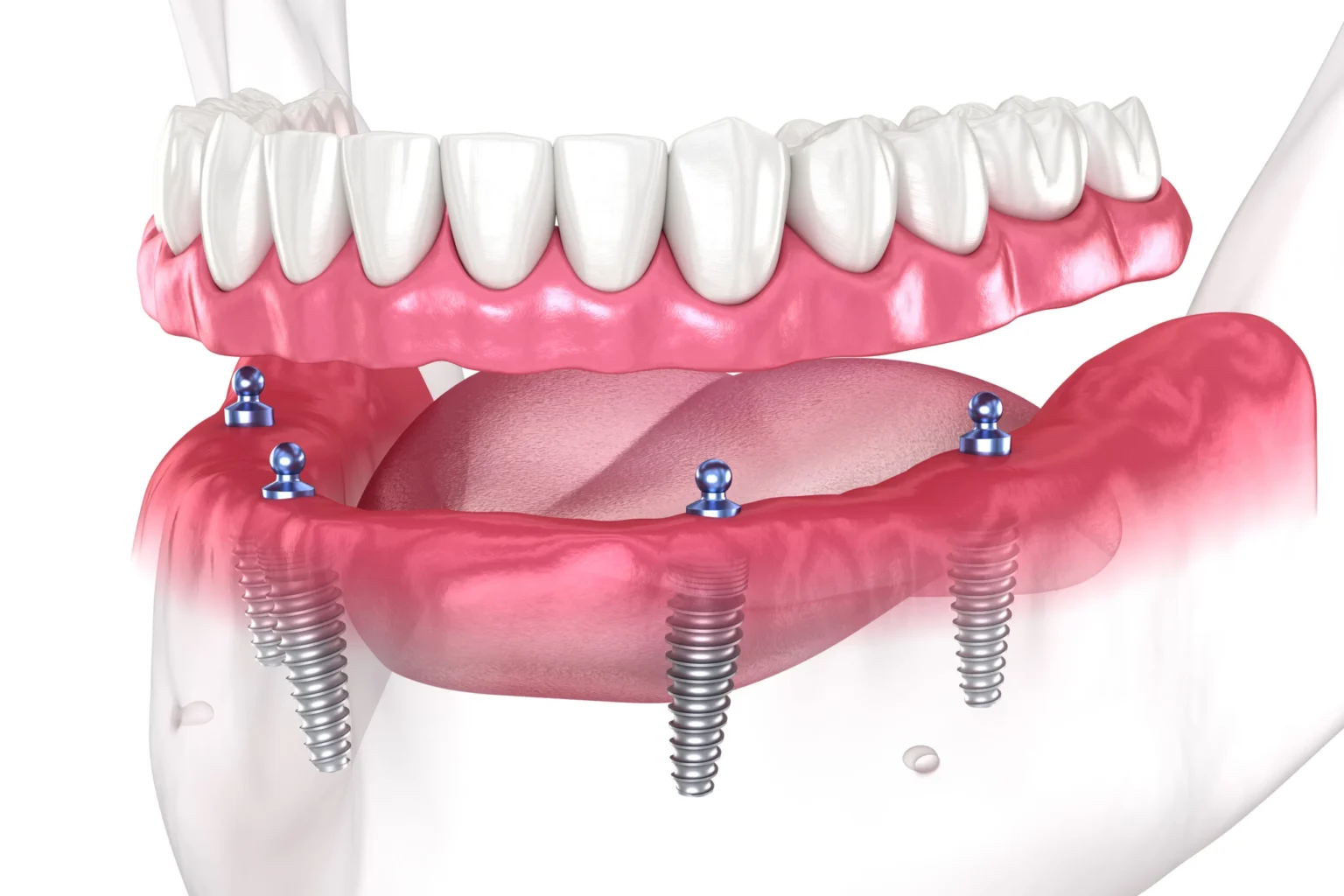
- Traditional Implants: This involves placing individual implants throughout the jawbone, typically requiring 6-10 implants per arch. The healing time is longer, and bone grafting is often necessary.
- All-on-4/All-on-6: This innovative technique uses only four or six implants per arch, strategically placed to maximize support and stability. It often eliminates the need for bone grafting and can significantly shorten the overall timeline.
Which Options Are Faster and Why?
Immediate load implants, such as All-on-4 and All-on-6, are generally faster than traditional implants. The timeline can be significantly reduced due to several factors:
- Fewer Implants: Requiring only four or six implants reduces surgical time and complexity.
- No Bone Grafting: Strategic implant placement often eliminates the need for bone grafting, which can add several months to the healing process.
- Immediate Loading: Temporary teeth can often be placed on the same day as the implant surgery, providing immediate functionality and aesthetics.
Patients looking for a faster solution often opt for immediate load implants. Consulting with a qualified dental professional is crucial to determine the most suitable option for your specific needs.
Healing and Recovery After Full Mouth Implants
The healing after full mouth implants is a crucial phase that directly impacts the long-term success of the treatment. Understanding the healing process and typical recovery milestones can help you manage expectations and ensure proper care.
How Healing Times Vary
Healing times vary depending on several factors, including:
- Bone Grafting: If bone grafting is required, the healing time can be significantly longer, typically adding several months to the overall timeline. The bone grafting in Albania is extremely popular due to its affordability.
- Overall Health: Patients with good overall health tend to heal faster than those with underlying medical conditions.
- Smoking: Smoking can significantly delay healing and increase the risk of complications.
Typical Recovery Milestones
Here are some typical recovery milestones after full mouth implant surgery:
- First Week: Initial swelling and discomfort are common. Pain medication and a soft food diet are recommended.
- 2-4 Weeks: Swelling and discomfort gradually subside. Sutures may be removed.
- 3-6 Months: Osseointegration (fusion of the implants with the jawbone) occurs. Regular check-ups are essential to monitor progress.
- After 6 Months: Final prosthesis is fitted, and you can gradually resume a normal diet.
Temporary Teeth and Final Prosthesis Fitting
Having teeth after implant placement is a major concern for most patients. Knowing when you can expect to have temporary teeth and how long it takes to receive the final prosthetics can ease anxiety and provide a clear roadmap for your treatment journey.
When Can Patients Expect to Have Teeth After Implant Placement?
With traditional dental implants, patients may have to wait several months before receiving any teeth, as the implants must first osseointegrate. During this time, temporary dentures may be used to restore some functionality and aesthetics.
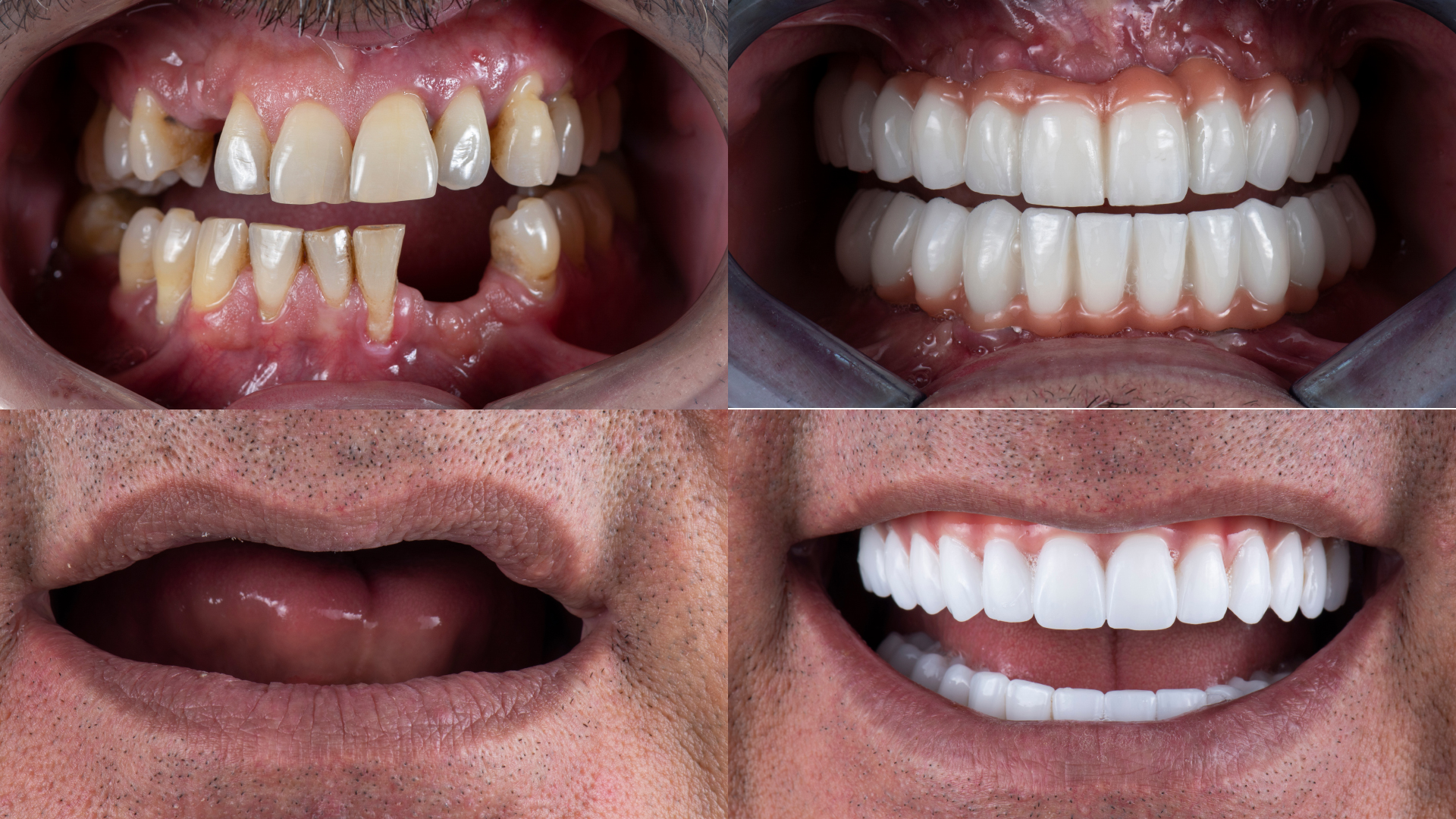
However, with immediate load implants like All-on-4, patients can often receive temporary teeth on the same day as the implant placement surgery. This provides immediate functionality and a more aesthetically pleasing appearance during the healing process.
How Long Does It Take to Receive the Final Prosthetics?
The timeline for receiving the final prosthetics varies depending on the type of implant solution and individual healing progress:
- Traditional Implants: After the 3-6 month healing period, it typically takes 2-4 weeks to fabricate and fit the final prosthesis.
- Immediate Load Implants: The final prosthesis can usually be fitted within 3-6 months after the initial surgery.
The final prosthesis is custom-made to fit your mouth perfectly, providing optimal comfort, function, and aesthetics. Regular check-ups and maintenance are essential to ensure the longevity of your implants and prosthesis.
Factors That Affect Implant Treatment Duration
Several factors can influence the overall duration of implant treatment, making it crucial to have a thorough evaluation and personalized treatment plan. Individual healing time can also impact the length of treatment.
Oral Health and Jawbone Condition
Your oral health and jawbone condition play a significant role in determining the timeline for full mouth implants:
- Bone Density: Adequate bone density is essential for successful implant placement and osseointegration. If you have insufficient bone, bone grafting may be necessary, which can add several months to the treatment timeline.
- Gum Disease: Active gum disease must be treated before implant surgery to prevent complications and ensure successful healing.
- Overall Health: Certain medical conditions, such as diabetes or autoimmune diseases, can affect healing and may prolong the treatment duration.
Number of Implants and Patient Compliance
The number of implants being placed and your compliance with post-operative instructions can also impact the timeline:
- Number of Implants: Placing more implants typically requires more surgical time and may prolong the overall treatment duration.
- Patient Compliance: Following your dentist’s instructions regarding oral hygiene, diet, and follow-up appointments is crucial for successful healing and a timely outcome.
Dental Provider Expertise
The experience and expertise of your dental provider are also essential factors. Skilled oral surgeons can optimize the treatment process and minimize the risk of complications.
Here at Albania Dental Implants, our team of experienced professionals are committed to providing high-quality care and personalized treatment plans to ensure a successful and efficient implant journey. If you are considering Albania Dental Implants services, you should contact us today!
Frequently Asked Questions (FAQs)
Here are some frequently asked questions about the timeline for full mouth dental implants:
How long does the surgery for full mouth implants take?
The surgery for full mouth implants typically takes between 2 to 6 hours, depending on the complexity of the case, the number of implants being placed, and whether any additional procedures, such as bone grafting or sinus lifts, are required.
Can you get teeth in a day with full arch implants?
Yes, with immediate load techniques like All-on-4 or All-on-6, it’s often possible to receive temporary teeth on the same day as the implant placement surgery. This provides immediate functionality and aesthetics during the healing period.
Why does the full process sometimes take several months?
The full process can take several months due to the need for osseointegration, which is the fusion of the implants with the jawbone. This process typically takes 3-6 months and is crucial for the long-term stability and success of the implants.
What is the difference in timeline between traditional and immediate load implants?
Traditional implants typically have a longer timeline due to the need for a longer healing period and the potential for bone grafting. Immediate load implants, on the other hand, can significantly shorten the timeline by placing temporary teeth on the same day as surgery and often eliminating the need for bone grafting.
Is there much pain or downtime after the procedure?
Some discomfort and swelling are normal after the procedure, but pain medication can help manage any discomfort. The downtime is typically minimal, and most patients can return to their normal activities within a few days.
How soon can I eat normally?
Immediately after surgery, a soft food diet is recommended. As you heal, you can gradually reintroduce harder foods. With full mouth dental implants, it is possible to eat steak with all on four implants if you take good care of them. Most patients can resume a normal diet within a few weeks to months, depending on their individual healing progress.
Are temporary teeth provided the same day?
With immediate load techniques like All-on-4, temporary teeth are often provided on the same day as the implant placement surgery. With traditional implants, temporary dentures may be used during the healing period.
What can delay my full mouth implant treatment?
Several factors can delay full mouth implant treatment, including:
- Insufficient bone density
- Active gum disease
- Underlying medical conditions
- Smoking
- Poor oral hygiene
- Failure to follow post-operative instructions
Do I always need bone grafts, and if so, how does that affect the timeline?
Not everyone needs bone grafts, but they are necessary if you have insufficient bone density to support the implants. Bone grafting can add several months to the treatment timeline, as the grafted bone needs time to heal and integrate with the existing bone.
How long do I need to wait for the final set of teeth after surgery?
The waiting period for the final set of teeth varies depending on the type of implant solution:
- Traditional Implants: 3-6 months
- Immediate Load Implants: 3-6 months
Can all dentists in the UK offer full mouth dental implants quickly?
Not all dentists in the UK offer full mouth dental implants, and the speed of treatment can vary depending on the dentist’s experience, expertise, and the techniques they employ. It’s essential to choose a qualified and experienced dental professional who specializes in full mouth implants. If you are considering dental tourism in Albania to get full mouth dental implants quickly, be sure to contact us today.
Choosing Albania Dental Implants can be a great solution for your dental health! The team of expert dental professionals can greatly improve your life!