



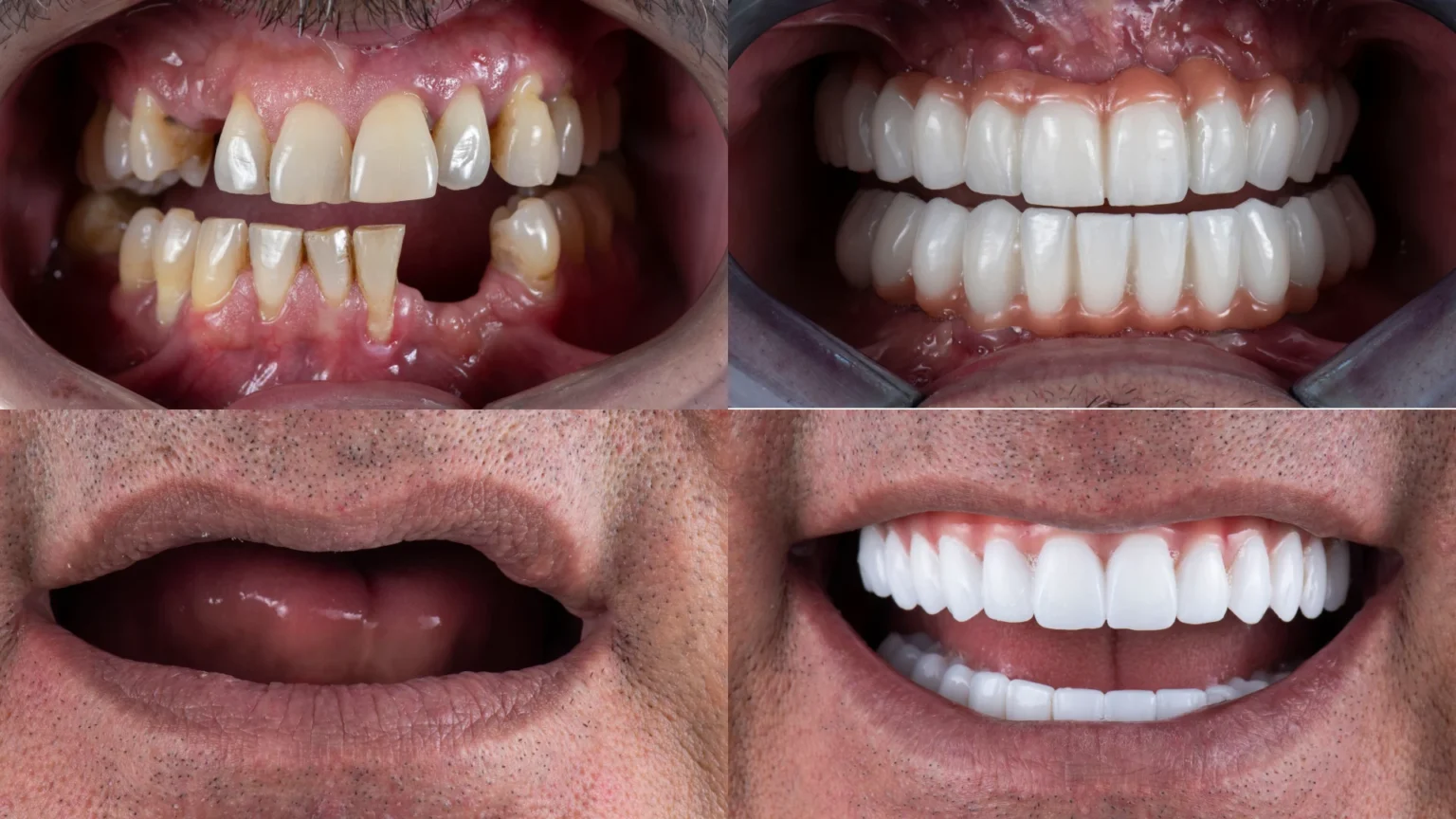

Dental Implants Full Mouth: Your Complete Guide to a New Smile
Dental implants full mouth offer a transformative solution for those seeking to restore their entire smile. If you’re considering replacing all your teeth with a permanent, natural-looking solution, this comprehensive guide will provide you with everything you need to know about the procedure, benefits, options, costs, and more. At Albania Dental Implants, we specialize in providing high-quality, affordable dental implants, including full mouth restorations. Contact us today to learn more about how we can help you achieve a confident, healthy smile with Albania Dental Implants.
What Are Dental Implants Full Mouth?
Cluster Keywords: full mouth dental implants, all on 4 dental implants, implant-supported dentures
Dental implants full mouth, also known as full arch dental implants, provide a comprehensive solution for replacing all teeth in either the upper or lower jaw, or both. Unlike traditional dentures, which rest on the gums, full mouth dental implants are anchored directly into the jawbone, providing superior stability and support. This innovative approach offers patients a permanent, functional, and aesthetically pleasing alternative to removable dentures.
Understanding the Core Concept
Full mouth dental implants involve strategically placing multiple dental implants into the jawbone. These implants act as artificial tooth roots, which then support a full set of prosthetic teeth. The prosthetic teeth are custom-designed to look and function like natural teeth, providing patients with a seamless and confident smile.
Key Differences from Single Implants and Conventional Dentures
- Single Implants: Single implants are used to replace individual missing teeth, while full mouth dental implants replace an entire arch of teeth.
- Conventional Dentures: Conventional dentures are removable and rest on the gums, which can lead to discomfort and instability. Full mouth dental implants are fixed in place, providing superior stability and preventing bone loss.
- All-on-4 Dental Implants: A specific type of full mouth dental implant that uses only four implants to support an entire arch of teeth. All-on-4 dental implants in Albania is popular choice for quick and cost effective treatment.
Benefits of Full Mouth Dental Implants
Cluster Keywords: advantages, long-term results, improved quality of life
Choosing full mouth dental implants offers numerous advantages over traditional dentures and bridges. These benefits extend beyond just aesthetics, impacting your overall health, function, and quality of life.
Comparing Full Mouth Dental Implants to Traditional Dentures and Bridges
- Stability and Security: Dental implants are anchored in the jawbone, providing unmatched stability compared to dentures that can slip or move.
- Bone Preservation: Implants stimulate bone growth, preventing the bone loss that often occurs with dentures.
- Improved Chewing Ability: Implants restore near-natural chewing function, allowing you to enjoy a wider variety of foods.
- Natural Appearance: Implant-supported teeth look and feel like natural teeth, enhancing your smile and confidence.
- Long-Term Solution: With proper care, dental implants can last a lifetime, making them a cost-effective solution in the long run.
Functional, Health, and Aesthetic Benefits
- Functional: Improved chewing and speaking ability, allowing you to eat and communicate with confidence.
- Health: Prevention of bone loss, improved oral hygiene, and reduced risk of gum disease.
- Aesthetic: A natural-looking smile that enhances your appearance and boosts your self-esteem.
Full Mouth Dental Implant Options
Cluster Keywords: all on 4, all on 6, implant-retained dentures
Several options are available for full mouth dental implants, each with its own advantages and considerations. Understanding these options will help you make an informed decision about the best treatment plan for your specific needs.
Overview of Common Systems (All-on-4/All-on-6, Fixed vs. Removable)
- All-on-4: This technique uses four dental implants to support an entire arch of teeth. The implants are strategically placed at an angle to maximize bone support and stability.
- All-on-6: Similar to All-on-4, but uses six dental implants for added support and stability. This option is often recommended for patients with significant bone loss or those who require additional support.
- Implant-Retained Dentures: These dentures are supported by dental implants but can be removed for cleaning. This option offers more stability than traditional dentures but is less permanent than fixed implant solutions.
Suitability for Different Patients
The best option for you will depend on factors such as your bone density, overall health, and budget. All-on-4 is a good option for many, while All-on-6 may be better for those with more bone loss. Albania Dental Implants offers various options including affordable dental implants in Albania to find best solution for your unique situation.
The Step-by-Step Procedure for Dental Implants Full Mouth
Cluster Keywords: consultation, surgery, healing time, aftercare
The process of getting full mouth dental implants involves several key steps, from the initial consultation to the final restoration. Understanding each step will help you prepare for the procedure and ensure a successful outcome.
Consultation Process
Your journey begins with a comprehensive consultation at Albania Dental Implants. During this appointment, our experienced dental team will:
- Evaluate your oral health: Thorough examination of your teeth, gums, and jawbone.
- Discuss your goals and expectations: Understanding your desired outcome and addressing any concerns you may have.
- Determine your candidacy for implants: Assessing your overall health and bone density to ensure you are a suitable candidate.
Planning and Imaging
If you are deemed a suitable candidate, the next step involves detailed planning and imaging. This may include:
- 3D Cone Beam CT Scan: Provides a detailed view of your jawbone and surrounding structures.
- Digital Impressions: Creates a precise model of your mouth for designing your prosthetic teeth.
- Treatment Planning: Developing a customized treatment plan that outlines the placement of your implants and the design of your final restoration.
Surgical Placement
The surgical placement of dental implants is typically performed under local anesthesia with sedation options available. During the procedure:
- Implant Placement: The dental implants are carefully placed into your jawbone at predetermined locations.
- Temporary Restoration (Optional): In some cases, a temporary set of teeth may be attached to the implants on the same day.
Temporary vs. Permanent Restoration
Following the surgical placement of your dental implants, you will typically undergo a healing period of several months. During this time:
- Osseointegration: The dental implants fuse with your jawbone, creating a strong and stable foundation for your new teeth.
- Temporary Restoration: While your implants are healing, you may wear a temporary set of teeth to maintain your appearance and function.
- Permanent Restoration: Once your implants have fully integrated with your jawbone, your permanent, custom-designed teeth will be attached, completing your smile transformation.
Costs and Financing Options for Full Mouth Dental Implants
Cluster Keywords: dental implant cost, payment plans, NHS coverage, insurance
Understanding the costs associated with full mouth dental implants is essential for making an informed decision. The price can vary depending on several factors, and various financing options are available to help make this life-changing treatment more accessible.
Typical Price Ranges in the UK
The cost of full mouth dental implants in the UK typically ranges from £15,000 to £30,000 per arch. This range can vary based on factors such as the number of implants required, the type of restoration, and the location of the clinic. However, considering alternatives such as getting treatment in Albania can significantly reduce these costs.
What’s Included in Cost (Consultation, Surgery, Follow-ups)
The total cost of full mouth dental implants typically includes:
- Initial Consultation: Examination, X-rays, and treatment planning.
- Surgical Placement: Placement of dental implants into the jawbone.
- Abutments: The connecting pieces between the implants and the final restoration.
- Prosthetic Teeth: The custom-designed set of teeth that attach to the implants.
- Follow-Up Appointments: Monitoring the healing process and ensuring proper integration of the implants.
Payment and Financing Options
At Albania Dental Implants, we understand that the cost of dental implants can be a significant investment. That’s why we offer a variety of payment and financing options to help make treatment more affordable. These options may include:
- Payment Plans: Spreading the cost of treatment over a period of time with manageable monthly payments.
- Third-Party Financing: Partnering with reputable financing companies to offer low-interest loans for dental implants.
NHS Funding (If Applicable)
In some rare cases, the NHS may provide funding for dental implants if they are deemed medically necessary. However, this is typically limited to patients with severe medical conditions or those who have suffered significant trauma to the mouth. It’s always best to check with your local NHS trust for more information on eligibility and funding options.
How Much Do Full Mouth Dental Implants Cost in the UK?
The cost of full mouth dental implants in the UK varies widely depending on the specific treatment plan, the materials used, and the location of the clinic. Generally, you can expect to pay between £15,000 to £30,000 per arch (upper or lower). At cost of dental implants in Albania are more afforable than the UK
Am I a Candidate for Dental Implants Full Mouth?
Cluster Keywords: eligibility, bone loss, medical conditions
Determining your eligibility for full mouth dental implants involves assessing various health and dental conditions. While dental implants are a viable option for many, certain factors can affect the success of the procedure.
Necessary Health and Dental Conditions
To be a good candidate for full mouth dental implants, you should:
- Have sufficient bone density in the jaw: Implants require adequate bone to fuse properly.
- Be in good overall health: Certain medical conditions can affect healing and implant success.
- Have healthy gums: Gum disease can compromise the stability of implants.
- Be committed to good oral hygiene: Regular brushing, flossing, and dental visits are essential for long-term implant success.
Addressing Bone Loss/Shrinkage
Bone loss is a common issue for patients who have been missing teeth for an extended period. If you have experienced bone loss, don’t worry – there are options available to restore bone density, such as:
- Bone Grafting: Transplanting bone tissue to rebuild the jawbone and provide adequate support for implants.
- Sinus Lift: A procedure that adds bone to the upper jaw in the area of the molars and premolars.
Who May Not Qualify
In some cases, certain medical conditions or lifestyle factors may make you a poor candidate for dental implants. These may include:
- Uncontrolled Diabetes: Can impair healing and increase the risk of infection.
- Smoking: Reduces blood flow to the gums and can compromise implant success.
- Severe Gum Disease: Can lead to implant failure.
- Certain Medical Conditions: Such as autoimmune disorders or bleeding disorders.
If you are not a good candidate, explore the alternatives to dental implants.
Recovery and Aftercare for Full Mouth Dental Implants
Cluster Keywords: healing, oral hygiene, follow-up care, post-op instructions
Proper recovery and aftercare are essential for ensuring the long-term success of your full mouth dental implants. Following your dentist’s instructions and maintaining good oral hygiene habits will help promote healing and prevent complications.
Immediate Aftercare Steps
In the days following your implant surgery, it’s important to:
- Follow your dentist’s instructions: Take prescribed medications as directed and adhere to any dietary restrictions.
- Apply ice packs: To reduce swelling and discomfort.
- Eat soft foods: Avoid hard, crunchy, or chewy foods that could irritate the surgical site.
- Rinse with salt water: To keep the area clean and promote healing.
Long-Term Oral Hygiene Advice
To maintain the health of your dental implants and prevent complications, it’s crucial to:
- Brush and floss regularly: Use a soft-bristled toothbrush and floss gently around the implants.
- Use an interdental brush: To clean hard-to-reach areas around the implants.
- Visit your dentist regularly: For professional cleanings and check-ups.
What to Expect During Healing
The healing process for full mouth dental implants typically takes several months. During this time, you may experience:
- Swelling and bruising: This is normal and should subside within a few days.
- Discomfort or pain: Can be managed with over-the-counter or prescription pain medication.
- Changes in speech or eating: This is usually temporary and will improve as you adjust to your new teeth.
Are Full Mouth Dental Implants Painful?
While some discomfort is expected, full mouth dental implant surgery is typically performed under local anaesthesia with sedation options available to minimize pain. Post-operative pain can be managed with medication.
Risks, Complications, and Success Rates
Cluster Keywords: risks, potential complications, longevity, failure rates
Like any surgical procedure, full mouth dental implants carry some potential risks and complications. However, with proper planning and execution, the success rates are generally high.
Possible Side Effects and Risks
Potential risks and side effects of full mouth dental implants may include:
- Infection: Can occur at the surgical site.
- Nerve damage: Can cause numbness or tingling in the lips, tongue, or chin.
- Sinus problems: Can occur if implants are placed in the upper jaw.
- Implant failure: The implant may not fuse properly with the jawbone.
How to Reduce Complication Risk
You can minimize the risk of complications by:
- Choosing an experienced and qualified dental implant specialist.
- Following your dentist’s instructions carefully.
- Maintaining good oral hygiene.
- Avoiding smoking.
Average Lifespan and Success Rates
Full mouth dental implants have a high success rate, with many implants lasting a lifetime with proper care. Studies have shown that dental implants have a 5-year success rate of over 95%. Factors that can affect the lifespan of dental implants include:
- Oral hygiene.
- Overall health.
- Lifestyle habits (e.g., smoking).
How Long Do Full Mouth Dental Implants Last?
With proper care and maintenance, full mouth dental implants can last for many years, often a lifetime. Regular dental check-ups and good oral hygiene habits are essential for ensuring their longevity.
Choosing a Dental Implants Provider (UK)
Cluster Keywords: best dental clinics UK, dental implant specialists, what to look for
Selecting the right dental implant provider is crucial for ensuring a successful and satisfying outcome. When choosing a provider, consider their experience, qualifications, and the technology they use.
Qualities of Top Clinics/Providers
Top dental implant clinics typically have:
- Experienced and qualified dentists: Look for dentists with extensive training and experience in implant dentistry.
- Advanced technology: Clinics that use state-of-the-art equipment and techniques.
- Comprehensive treatment planning: A thorough evaluation and customized treatment plan tailored to your specific needs.
- Positive patient reviews: Testimonials and reviews from satisfied patients.
Which Questions to Ask Your Dentist
Before committing to a dental implant procedure, ask your dentist:
- What are your qualifications and experience in implant dentistry?
- What type of implants do you use?
- What is the success rate for full mouth dental implants at your clinic?
- What are the risks and potential complications of the procedure?
- What is the total cost of treatment, and what payment options are available?
Consider getting your dental tourism in Albania with Albania Dental Implants to reduce the cost.
Patient Experiences and Testimonials
Cluster Keywords: before and after, reviews, case studies
Hearing from other patients who have undergone full mouth dental implant procedures can provide valuable insights and help you make an informed decision.
Typical Patient Journey
A typical patient journey with full mouth dental implants involves:
- Initial consultation and evaluation.
- Treatment planning and imaging.
- Surgical placement of dental implants.
- Healing period.
- Placement of permanent restoration.
- Follow-up care and maintenance.
Before-and-After Examples
Many dental clinics showcase before-and-after photos of patients who have undergone full mouth dental implant procedures. These examples can give you a realistic idea of the potential results.
Real Patient Stories
Reading testimonials and reviews from real patients can provide valuable insights into the experience of getting full mouth dental implants. Look for reviews that mention:
- The dentist’s skill and expertise.
- The quality of the results.
- The overall experience at the clinic.
You can find reviews from our customers Albania dental implants reviews .
FAQ Section
Here are answers to some frequently asked questions about full mouth dental implants:
What is the Difference Between All-on-4 and Traditional Dental Implants?
All-on-4 dental implants use only four implants to support an entire arch of teeth, while traditional dental implants typically require more implants per arch. All-on-4 is often a quicker and more cost-effective option.
Is Everyone Eligible for Full Mouth Dental Implants?
Not everyone is a suitable candidate. Factors like bone density, overall health, and gum health can affect eligibility. A thorough evaluation by a qualified dentist is necessary.
What Are the Alternatives to Full Mouth Dental Implants?
Alternatives include traditional dentures, implant-supported dentures, and dental bridges. Each option has its own advantages and disadvantages, and the best choice depends on individual needs and circumstances.
How Do I Care for My New Dental Implants?
Care for your new dental implants by brushing and flossing regularly, using an interdental brush, and visiting your dentist for professional cleanings and check-ups.
Can I Get Full Mouth Dental Implants on the NHS?
Full mouth dental implants are rarely covered by the NHS unless there is a specific medical need.
How Soon Can I Return to Work After Surgery?
Most people can return to work within a few days after surgery, but it depends on the individual and the extent of the procedure.
What Are the Potential Risks or Complications?
Potential risks include infection, nerve damage, sinus problems, and implant failure. However, these risks can be minimized by choosing an experienced dentist and following post-operative instructions carefully.
Will My Dental Implants Look and Feel Natural?
With modern techniques and quality materials, full mouth dental implants can look and feel very natural, providing you with a confident and comfortable smile.
Conclusion: Embrace a New Smile with Full Mouth Dental Implants
Full mouth dental implants offer a life-changing solution for those seeking to restore their entire smile. At Albania Dental Implants, we are committed to providing high-quality, affordable dental implant services that can transform your life. Contact us today to schedule a consultation and learn more about how we can help you achieve a confident, healthy smile with dental implants in Albania.