




Can I get an implant 2 years after extraction? It is a common question for those considering dental restoration long after tooth loss. The good news is that, in many cases, the answer is yes! However, several factors influence your eligibility, and understanding these is key to making an informed decision about restoring your smile. This comprehensive guide will walk you through what to expect, the potential challenges, and the solutions available, especially when considering options like dental tourism in Albania for high-quality, affordable care.
Understanding Dental Implants After Tooth Extraction
The process of getting a dental implant involves careful planning and execution, particularly when there’s a significant delay after tooth extraction. Understanding the dental implant timeline is crucial for managing expectations and ensuring the best possible outcome.
What is a Dental Implant?
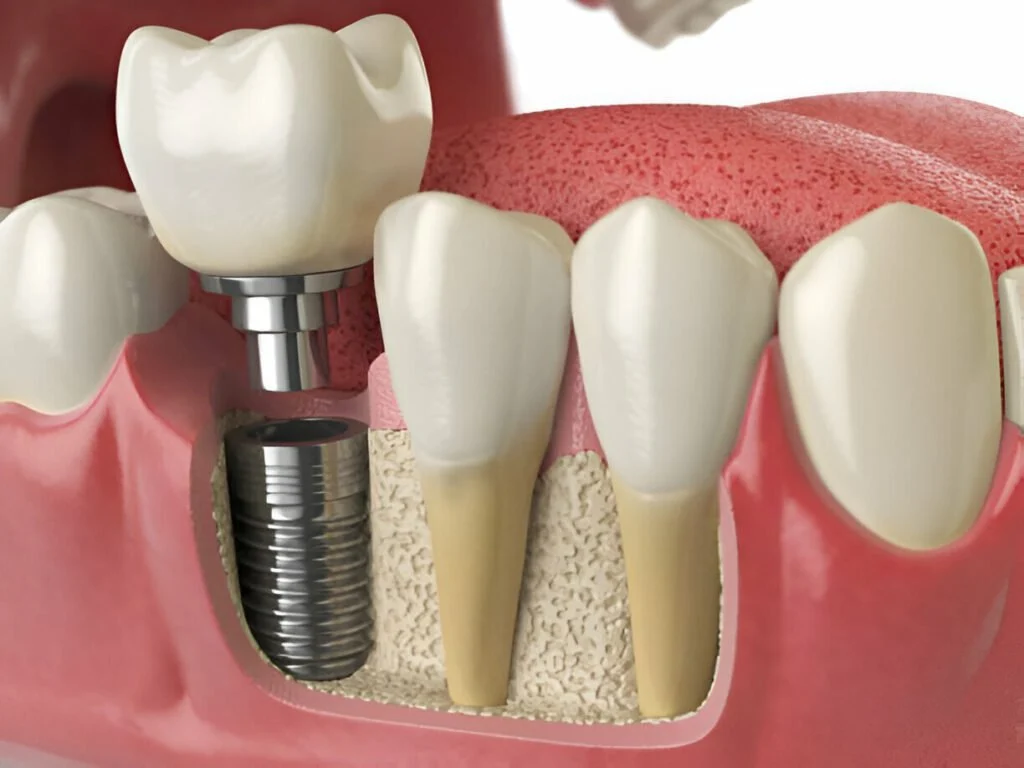
A dental implant is a small, biocompatible titanium post that is surgically inserted into the jawbone. It acts as an artificial tooth root, providing a stable foundation for a replacement tooth, such as a crown, bridge, or denture. Dental implants are a long-term solution for missing teeth, offering superior stability, functionality, and aesthetics compared to other options.
Immediate vs Delayed Implant Placement
When it comes to dental implant placement, there are two primary approaches: immediate and delayed. Immediate implant placement involves placing the implant at the same time as the tooth extraction. This approach can shorten the overall treatment time and preserve bone volume. However, it’s not always suitable, especially if there is infection or significant bone loss.
Delayed implant placement, on the other hand, involves waiting several weeks or months after extraction before placing the implant. This allows the extraction site to heal and the bone to regenerate, which can improve the long-term stability of the implant. While it extends the treatment timeline, it is often the preferred method when dealing with previous extractions.
Typical Timeline for Implant Placement
The typical timeline for implant placement varies depending on individual circumstances. In cases of immediate placement, the entire process, from extraction to final restoration, can take as little as a few months. However, with delayed placement, it may take six months to a year or longer to complete the treatment, especially if bone grafting is required. This is more common after a long delay since extraction, like 2 years.
What Happens to the Jawbone After Extraction?
Following a tooth extraction, the jawbone undergoes significant changes. Bone loss after extraction is a natural process, but it can impact your eligibility for dental implants. Let’s examine what happens and how it affects your options.
Changes in Jawbone Density Over Time
When a tooth is removed, the jawbone that once supported it begins to resorb, or shrink. This happens because the bone no longer receives stimulation from the tooth. The rate of bone loss is most rapid in the first few months after extraction but continues over time. Over two years, the bone loss can become substantial, potentially compromising the success of dental implant placement.
How Bone Loss Affects Implant Eligibility
Dental implants require sufficient bone volume and density to provide adequate support. If significant bone loss has occurred, the implant may not have enough bone to integrate with, leading to implant failure. In such cases, a dental bone graft may be necessary to rebuild the lost bone.
Signs You May Need Bone Grafting
Several signs indicate you may need bone grafting before getting an implant:
- Visible indentations or shrinking of the gums in the area of the missing tooth.
- Looseness or instability of adjacent teeth.
- Difficulty chewing or speaking.
- X-rays showing insufficient bone height or width.
If you experience any of these signs, it’s essential to consult with a dental professional for a thorough evaluation.
Am I Eligible for an Implant 2 Years After Extraction?
Determining whether you are eligible for an implant after a significant delay requires a comprehensive assessment. The criteria for dental implants are fairly standard, but the implant procedure after long extraction may require additional steps.
Key Criteria for Delayed Dental Implant Placement
Several factors determine your eligibility for delayed dental implant placement:
- Sufficient Bone Volume and Density: Adequate bone is essential for implant stability.
- Overall Health: Good overall health is crucial for successful healing and integration.
- Oral Hygiene: Maintaining excellent oral hygiene is necessary to prevent infection and implant failure.
- Absence of Systemic Diseases: Certain systemic diseases, such as uncontrolled diabetes, can compromise implant success.
- Non-Smoker: Smoking significantly increases the risk of implant failure.
Diagnostic Process: X-Rays, Bone Assessment
To assess your eligibility, a dentist will conduct a thorough diagnostic process, which typically includes:
- Clinical Examination: A visual examination of your gums, teeth, and jaw.
- X-Rays: To evaluate bone volume, density, and the presence of any underlying issues.
- Cone Beam Computed Tomography (CBCT) Scan: A 3D imaging technique that provides detailed information about the jawbone.
- Medical History Review: To identify any health conditions or medications that may affect implant success.
These diagnostic tools help determine the best course of action for your specific situation.
Impact of Waiting 2 Years: Risks and Considerations
Waiting two years after extraction can present certain risks and considerations:
- Increased Bone Loss: The longer you wait, the more bone loss you’re likely to experience.
- Changes in Bite: Missing teeth can cause adjacent teeth to shift, affecting your bite and potentially leading to temporomandibular joint (TMJ) disorders.
- Aesthetic Concerns: The collapse of the jawbone can alter your facial appearance, leading to sunken cheeks and premature aging.
Despite these considerations, dental implants remain a viable option for many people who have waited years after extraction. With proper planning and techniques, such as bone grafting, successful outcomes can be achieved.
Procedure for Late Implant Placement
The procedure for placing an implant after an extended delay may involve additional steps compared to immediate or early implant placement. A dental bone graft is often required. Let’s explore the typical process.
Steps Involved in Placing an Implant After Extended Delay
The typical steps involved in placing an implant after an extended delay include:
- Initial Consultation and Evaluation: This involves a thorough examination, X-rays, and discussion of your goals and expectations.
- Bone Grafting (if needed): If there is insufficient bone volume, a bone graft will be performed to rebuild the jawbone. This may involve using your own bone (autograft), donor bone (allograft), or synthetic bone materials.
- Healing Period: After bone grafting, a healing period of several months is required to allow the bone to integrate with the jawbone.
- Implant Placement: Once the bone has healed, the implant is surgically placed into the jawbone.
- Osseointegration: A period of several months is required for the implant to fuse with the surrounding bone through a process called osseointegration.
- Abutment Placement: After osseointegration, an abutment (a connector) is attached to the implant.
- Final Restoration: Finally, a custom-made crown, bridge, or denture is attached to the abutment, completing the restoration.
When is Bone Grafting or Sinus Lift Needed?
Bone grafting is often necessary when there has been significant bone loss after extraction. A sinus lift may be required if the missing tooth was in the upper back jaw, where the sinuses are located. A sinus lift involves lifting the sinus membrane and placing bone grafting material to increase bone height in the area.
Duration and Recovery
The duration of the late implant placement process can vary depending on the need for bone grafting and individual healing rates. In general, it may take anywhere from six months to a year or longer to complete the treatment. Recovery after each surgical procedure typically involves some discomfort, swelling, and bruising, which can be managed with pain medication and proper aftercare.
Alternatives If You Are Not a Candidate
While dental implants are an excellent solution for many people, they may not be suitable for everyone. Fortunately, several alternatives to dental implants are available. Let’s explore some of the most common options.
Dental Bridges
A dental bridge is a fixed restoration that replaces one or more missing teeth by attaching an artificial tooth to adjacent teeth. Bridges are a less invasive and more affordable alternative to implants, but they do require altering the adjacent teeth to serve as anchors.
Dentures
Dentures are removable appliances that replace all or some of the teeth in the mouth. They are a more affordable option than implants or bridges, but they can be less stable and comfortable. Dentures can also affect speech and taste and require regular maintenance. However, a dental implants offer solutions for improving the stability of dentures, such as implant-supported overdentures.
Other Advanced Restoration Options
Other advanced restoration options include:
- Implant-Supported Bridges: Similar to traditional bridges but supported by dental implants for greater stability.
- Partial Dentures: Removable appliances that replace only some of the teeth in the mouth.
- Cosmetic Bonding: A procedure that involves applying a tooth-colored resin to the teeth to improve their appearance.
Your dentist can help you determine the best alternative based on your individual needs, preferences, and budget. Selecting the best alternative depends on factors like your oral health, budget, and desired outcome.
Cost and Success Rate of Late Dental Implants
When considering late dental implant placement, it’s important to understand the cost of dental implant after extraction, as well as the potential for long-term outcomes of dental implants. Success rates can be affected by a variety of factors.
Typical Costs in the UK for Late Implant Placement
The typical costs for late implant placement in the UK can vary depending on several factors, including the complexity of the case, the need for bone grafting, and the location of the dental practice. In general, you can expect to pay anywhere from £2,000 to £4,000 per implant, including the implant, abutment, and crown. Bone grafting can add an additional £500 to £3,000 to the total cost. However, you can get high quality dental service by considering Albania Dental Implants Services.
Success Rates Compared to Immediate Placement
While immediate implant placement generally has slightly higher success rates, late implant placement can still be highly successful with proper planning and techniques. Studies have shown that the overall success rate for dental implants is around 95% after 10 years. However, the success rate can be lower in cases where bone grafting is required or in patients with certain risk factors, such as smoking or uncontrolled diabetes.
Ways to Improve Outcomes
Several strategies can improve the outcomes of late dental implant placement:
- Thorough Evaluation: A comprehensive examination and diagnostic process to assess bone volume, density, and overall health.
- Bone Grafting: Rebuilding lost bone with bone grafting techniques to provide adequate support for the implant.
- Proper Implant Placement: Ensuring the implant is placed in the optimal position and angulation.
- Good Oral Hygiene: Maintaining excellent oral hygiene to prevent infection and implant failure.
- Regular Follow-Up: Attending regular check-ups with your dentist to monitor the implant and address any potential issues early on.
By following these guidelines, you can maximize your chances of a successful and long-lasting dental implant.
FAQs About Implants Years After Extraction
Here are some frequently asked questions about getting implants years after extraction:
Can I get an implant if my tooth was removed several years ago?
Yes, it’s often possible to get a dental implant even if your tooth was removed several years ago. The main factor is the condition of the jawbone. If there has been significant bone loss, a bone graft may be needed to create a stable foundation for the implant. Diagnostic tests, such as X-rays and CBCT scans, can determine the extent of bone loss and the feasibility of implant placement.
How much bone loss is too much for an implant?
There’s no absolute threshold for bone loss that makes implant placement impossible. However, if the remaining bone is insufficient to support the implant, a bone graft will be necessary. The amount of bone required depends on the size and type of implant being used. Your dentist will assess your bone volume and density to determine if bone grafting is needed. Not having enough bone for dental implants requires a bone graft before the procedure.
What if there is not enough bone left?
If there is not enough bone left in the jaw to support a dental implant, a bone grafting procedure can be performed. Bone grafting involves transplanting bone tissue to the area where the implant will be placed. This can be done using your own bone (autograft), donor bone (allograft), or synthetic bone materials. After the bone graft has healed, which can take several months, the implant can be placed.
Is a bone graft always necessary after 2 years?
No, a bone graft is not always necessary after 2 years of tooth extraction. However, it is a common requirement, as bone loss is a natural consequence of tooth loss. The need for a bone graft depends on individual factors, such as the size and location of the missing tooth, the overall health of the jawbone, and your individual healing response. A thorough evaluation by a dentist is essential to determine if bone grafting is needed.
Will the implant look natural if placed after a long delay?
Yes, a dental implant can look very natural even if placed after a long delay. Modern dental implant techniques and materials allow for highly aesthetic restorations that blend seamlessly with your natural teeth. Your dentist will carefully match the color, shape, and size of the implant crown to your existing teeth, creating a natural-looking smile.
How long does the process take if bone grafting is needed?
If bone grafting is needed, the overall process can take longer compared to implant placement without bone grafting. The bone grafting procedure itself typically takes 1 to 2 hours, followed by a healing period of 3 to 9 months to allow the bone to integrate with the jawbone. After the bone graft has healed, the implant can be placed, followed by another healing period of several months for osseointegration. In total, the entire process can take anywhere from 6 months to 1 year or longer.
Are there any increased risks with late implants?
While late implant placement can be highly successful, there are some potential increased risks compared to immediate or early implant placement. These risks include:
- Increased bone loss
- Need for bone grafting
- Longer treatment time
- Slightly lower success rates
- Increased cost
However, with proper planning, techniques, and aftercare, these risks can be minimized.
How do I find out if I am a candidate for a late dental implant?
The best way to find out if you are a candidate for a late dental implant is to schedule a consultation with a qualified dentist or implantologist. During the consultation, the dentist will perform a thorough examination, take X-rays and CBCT scans, and review your medical history to assess your eligibility. They will also discuss your goals and expectations and answer any questions you may have. To contact Albania Dental Implants, visit our website.
Next Steps: Booking a Consultation
The next step in determining your eligibility for dental implants years after extraction is to book a consultation with a qualified dental professional. This will provide you with personalized information and guidance based on your specific circumstances.
How to Get Assessed by a Dental Implantologist
To get assessed by a dental implantologist, start by searching online for reputable dental practices in your area that specialize in dental implants. Check reviews and testimonials to ensure they have a track record of successful implant placements. Once you’ve identified a few potential providers, schedule a consultation to discuss your case.
What to Expect During Your Consultation
During your consultation, you can expect the dentist to:
- Review your medical history and dental records
- Perform a thorough clinical examination
- Take X-rays and CBCT scans
- Assess your bone volume and density
- Discuss your goals and expectations
- Explain the implant procedure and potential risks
- Provide you with a treatment plan and cost estimate
Questions to Ask Your Dentist
Here are some questions to ask your dentist during your consultation:
- Am I a good candidate for dental implants?
- Do I need bone grafting?
- What type of implant is best for me?
- How long will the entire process take?
- What are the potential risks and complications?
- What is the success rate for late implant placement?
- What is the total cost of the treatment?
- What financing options are available?
By asking these questions and gathering as much information as possible, you can make an informed decision about whether dental implants are right for you. Consider exploring options such as dental tourism in Albania for high-quality and affordable dental care.





