



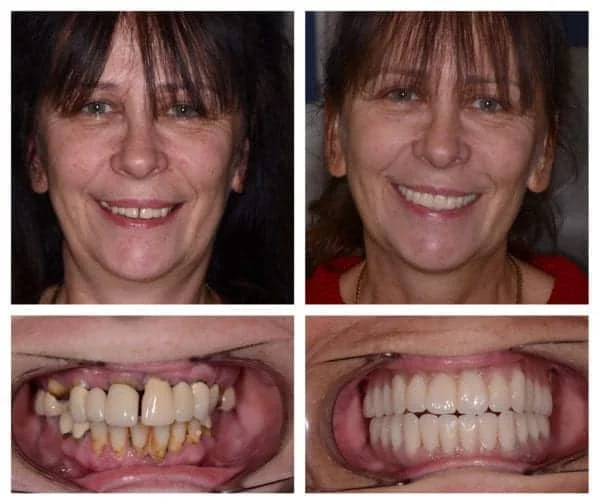

What are Dental Implants?
Dental implants have revolutionized tooth replacement, offering a permanent and stable solution for missing teeth. Understanding the basics of dental implants, including the types of dental implants, the implant procedure, and the materials used, is crucial for anyone considering this treatment.
Defining Dental Implants
A dental implant is essentially an artificial tooth root, typically made of titanium, that is surgically placed into the jawbone. This implant fuses with the bone through a process called osseointegration, providing a solid foundation for an artificial tooth, dental crown, or bridge. Implants can replace a single tooth, multiple teeth, or even support a full set of dentures. This is very common in the services offered by dental tourism in Albania.
Overview of the Implant Procedure
The implant procedure generally involves several steps:
- Consultation and Evaluation: The dentist assesses your oral health, bone density, and overall suitability for implants. X-rays and scans are typically taken.
- Implant Placement: The implant is surgically placed into the jawbone. This may involve one or more surgical appointments, depending on your specific needs.
- Osseointegration: The implant fuses with the jawbone. This process can take several months.
- Abutment Placement: Once osseointegration is complete, an abutment (a connector piece) is attached to the implant.
- Crown Placement: Finally, a custom-made artificial tooth (crown) is attached to the abutment, completing the tooth replacement.
There are different types of dental implants, including endosteal implants (placed in the bone) and subperiosteal implants (placed under the gum but on or above the bone). The choice depends on your bone structure and specific needs.
Advantages of Dental Implants
The benefits of implants extend beyond just replacing a missing tooth. Their longevity, natural appearance, eating comfort, and jawbone preservation make them a popular choice.
Why People Choose Dental Implants
Dental implants offer numerous advantages over other tooth replacement options, such as dentures and bridges. Here are some key reasons why people choose implants:
- Longevity: With proper care, dental implants can last a lifetime, making them a cost-effective long-term solution.
- Appearance: Implants look and feel like natural teeth, providing a seamless and confident smile.
- Comfort and Function: Implants are stable and secure, allowing you to eat, speak, and laugh without worry.
- Jawbone Preservation: Implants stimulate bone growth, preventing bone loss that can occur with missing teeth.
- Improved Oral Health: Implants don’t rely on adjacent teeth for support, which can improve overall oral health.
When Dental Implants are the Best Fit
Dental implants are often the best fit for individuals who:
- Have one or more missing teeth.
- Have sufficient bone density in the jaw to support an implant.
- Are in good general health.
- Are committed to maintaining good oral hygiene.
However, there are situations where implants might not be the most suitable option. This could be due to medical conditions, insufficient bone, or lifestyle factors. This is why services like about Albania Dental Implants, give you a full consultation.
Why Not Replace Teeth with Implants?
Despite the many advantages, replacing teeth with implants isn’t always the best solution. Considering the risks of dental implants, the cost, potential complications, and individual suitability is crucial.
What are the Main Risks of Dental Implants?
While dental implants have a high success rate, there are potential risks and complications to be aware of:
- Infection: Infection at the implant site can lead to implant failure.
- Nerve Damage: Damage to nerves during surgery can cause pain, numbness, or tingling in the gums, lips, or chin.
- Sinus Problems: Implants in the upper jaw can sometimes protrude into the sinus cavity, causing sinus issues.
- Implant Failure: The implant may not fuse properly with the bone, leading to failure.
- Peri-implantitis: Inflammation of the soft and hard tissues around the dental implant that can lead to bone loss.
According to the British Dental Association, the risk of complications is relatively low, but it’s essential to discuss these potential issues with your dentist.
Who is Not Suitable for Dental Implants?
Certain medical and personal reasons can make someone unsuitable for dental implants. These include:
- Medical Conditions: Uncontrolled diabetes, autoimmune diseases, and certain heart conditions can increase the risk of implant failure. Who is not suitable for implants is very important to know for patients.
- Smoking: Smoking impairs healing and increases the risk of implant failure.
- Bone Density: Insufficient bone density in the jaw may require bone grafting before implants can be placed.
- Medications: Certain medications, such as bisphosphonates, can affect bone metabolism and implant success.
- Poor Oral Hygiene: Inadequate oral hygiene can lead to infection and implant failure.
Disadvantages of Dental Implants
Besides the risks and suitability factors, there are other disadvantages to consider:
- Cost: Dental implants can be more expensive than other tooth replacement options.
- Surgery: Implant placement requires surgery, which carries inherent risks and recovery time.
- Healing Time: The osseointegration process can take several months.
- Lifestyle Impact: Temporary dietary restrictions and lifestyle adjustments may be necessary during the healing process.
Alternatives to Dental Implants
When considering tooth replacement, it’s essential to explore alternatives to dental implants. Common options include dentures and bridges, each with its own pros and cons.
Dentures vs Implants
Dentures are removable artificial teeth that can replace a full or partial set of missing teeth. They are a more affordable option than implants but have some limitations:
- Pros: Lower cost, non-surgical, quick to implement.
- Cons: Can be uncomfortable, may slip or move, can affect speech and taste, don’t prevent bone loss.
There are different types of dentures, including full dentures (replacing all teeth in an arch) and partial dentures (replacing some teeth). What are the three types of dentures is a common question.
Bridges vs Implants
Dental bridges are fixed prosthetic devices that replace one or more missing teeth by attaching an artificial tooth to adjacent teeth. They offer a more stable solution than dentures but also have drawbacks:
- Pros: More stable than dentures, natural appearance, less expensive than implants.
- Cons: Require altering adjacent teeth, don’t prevent bone loss, may need replacement over time.
Partial Dentures as Implant Alternatives
Partial dentures are another alternative, filling gaps with a removable appliance. They’re less invasive than implants but share similar drawbacks with full dentures. What is the best alternative to dental implants is a common question for many patients.
Natural Teeth vs Dental Implants
The decision to extract a tooth and replace it with an implant should be carefully considered. Preserving natural teeth is always the preferred option when possible.
Should you keep your Natural Teeth if Possible?
Whenever possible, preserving your natural teeth is generally the best approach. Natural teeth have several advantages:
- Natural Function: Natural teeth are designed to function in harmony with your jawbone, muscles, and nerves.
- Proprioception: Natural teeth have nerve endings that provide feedback about biting force and tooth position.
- Bone Stimulation: Natural teeth stimulate the jawbone, preventing bone loss.
However, there are situations where preserving a tooth isn’t feasible, such as severe decay, infection, or trauma.
When is it better to Preserve a Tooth Instead of Extracting it for an Implant?
In many instances, preserving a tooth may be a better decision than extracting it for an implant. Here are some scenarios to consider:
- Root Canal Treatment: If a tooth is infected but can be saved with root canal treatment, this may be a better option than extraction.
- Crowns and Fillings: If a tooth is damaged but can be restored with a crown or filling, this can preserve the natural tooth.
- Orthodontic Treatment: If a tooth is misaligned, orthodontic treatment may be able to correct the problem without extraction.
Deciding between preserving a tooth and opting for an implant requires careful evaluation by a dentist. Factors such as the tooth’s condition, your overall oral health, and your preferences should be taken into account. Sometimes its best to get a general dentistry in Albania.
Frequently Asked Questions about Implants
Many questions arise when considering dental implants. Addressing common concerns about the procedure, recovery, and aftercare can help you make a more informed decision.
Are Dental Implants Permanent?
Dental implants are designed to be a long-term solution for missing teeth. While they can last a lifetime with proper care, they are not necessarily “permanent” in the sense that they are immune to problems. Regular dental check-ups and good oral hygiene are essential to ensure their longevity.
How Painful is a Dental Implant Procedure?
Most patients report that the dental implant procedure is less painful than they anticipated. Local anesthesia is used during the surgery to numb the area, and post-operative pain can usually be managed with over-the-counter pain relievers. Some swelling and discomfort are normal, but severe pain is rare. You can get more information in our article How painful is a dental implant.
How Long do Implants Last?
With proper care, dental implants can last for many years, even a lifetime. Factors that can affect their longevity include oral hygiene, lifestyle habits (such as smoking), and overall health. Regular dental check-ups and cleanings are essential to ensure the long-term success of implants.
Can Dental Implants Fail?
Yes, dental implants can fail, although the failure rate is relatively low. Factors that can contribute to implant failure include infection, poor bone integration, smoking, and certain medical conditions. Early detection and treatment of problems can often prevent implant failure.
How Much do Dental Implants Cost in the UK?
The cost of dental implants in the UK can vary widely depending on several factors, including the type of implant, the complexity of the procedure, and the location of the dental clinic. On average, a single dental implant can cost between £2,000 and £4,000. For a full mouth restoration with implants, the cost can range from £10,000 to £30,000 or more. However, you could travel to Albania to get this service Cost of dental implants in Albania.
What Happens if I Don’t Replace a Missing Tooth?
If you don’t replace a missing tooth, several problems can occur. Adjacent teeth can shift, leading to misalignment and bite problems. Bone loss can occur in the area of the missing tooth, affecting the stability of surrounding teeth. Additionally, missing teeth can affect your ability to chew and speak properly.
Is it Better to Keep a Bad Tooth or Have an Implant?
The decision to keep a bad tooth or have an implant depends on the specific situation. If a tooth can be saved with treatments such as root canal therapy, crowns, or fillings, preserving the natural tooth is often the best option. However, if a tooth is severely damaged or infected and cannot be saved, an implant may be the better long-term solution.
What are the Options if Implants Aren’t Suitable for Me?
If implants aren’t suitable for you, several alternative tooth replacement options are available. These include dentures, bridges, and partial dentures. Your dentist can help you determine the best option based on your individual needs and circumstances.
Conclusion & Next Steps
Deciding whether to replace teeth with implants is a significant decision that requires careful consideration. Understanding the advantages and disadvantages, as well as exploring alternative options, is crucial for making the right choice.
Seeking Professional Dental Consultation
The best way to determine whether dental implants are the right solution for you is to seek a professional dental consultation. A dentist can evaluate your oral health, discuss your goals, and recommend the most appropriate treatment plan.
Summarising Considerations about Replacing Teeth with Implants
In summary, replacing teeth with implants offers numerous benefits, including longevity, natural appearance, and improved oral health. However, it’s essential to consider the risks, costs, and individual suitability factors. By carefully weighing the pros and cons and seeking professional advice, you can make an informed decision that will restore your smile and improve your quality of life.
For personalized advice and to determine your suitability for dental implants, contact contact Albania Dental Implants today.





