



Dental Implant NHS: Availability, Cost, Eligibility & Alternatives
Securing a dental implant NHS can be a pathway to restoring your smile, but availability is limited and depends on specific circumstances. This guide explains who qualifies, how much it costs, explores alternatives, and offers insights into accessing NHS dental implants and also exploring more affordable options like dental tourism.
Are Dental Implants Available on the NHS?
Cluster keyword: dental implant NHS availability. NHS dental implants are rarely provided. Securing one through the NHS is an exception rather than the norm. Most dental implant procedures are undertaken privately, but it’s crucial to understand the eligibility criteria and potential costs if you consider this route. The NHS primarily offers dental implants in cases of significant medical need, such as trauma, congenital disabilities, or as part of cancer treatment.
Why are NHS Dental Implants So Limited?
- Budget Constraints: NHS resources are stretched, prioritizing essential treatments over cosmetic procedures.
- Eligibility Criteria: Strict guidelines limit implants to those with critical medical conditions.
- Focus on Alternatives: NHS often recommends dentures and bridges as viable, cost-effective solutions.
Keep in mind that while NHS availability is limited, exploring your options is worthwhile. If you do not qualify for implants on the NHS, other routes exist. One route is to explore Albania Dental Implants.
Who Is Eligible for Dental Implants on the NHS?
Cluster keyword: NHS dental implants eligibility. Meeting NHS eligibility for dental implants can be challenging. Qualifying often involves specific medical reasons that justify the procedure. Routine tooth loss, resulting from decay or aging, does not usually meet the criteria for NHS-funded dental implants. The NHS prioritizes treatments based on clinical need, which means implants are reserved for those with the most compelling cases.
What Medical Reasons Qualify for NHS Dental Implants?
- Trauma: Severe injuries causing tooth loss.
- Congenital Defects: Genetic conditions affecting tooth development.
- Cancer Treatment: Reconstruction after tumor removal.
Age restrictions also play a role. While elderly patients are not automatically disqualified, children rarely receive implants due to ongoing jaw development. The NHS must ensure that any intervention aligns with a patient’s overall health and long-term well-being. Understanding these criteria is crucial, but do not let the NHS limitations be a dead end. If you don’t meet the strict criteria of the NHS for dental implants, it is wise to consider other routes for your treatment.
How Much Do Dental Implants Cost on the NHS?
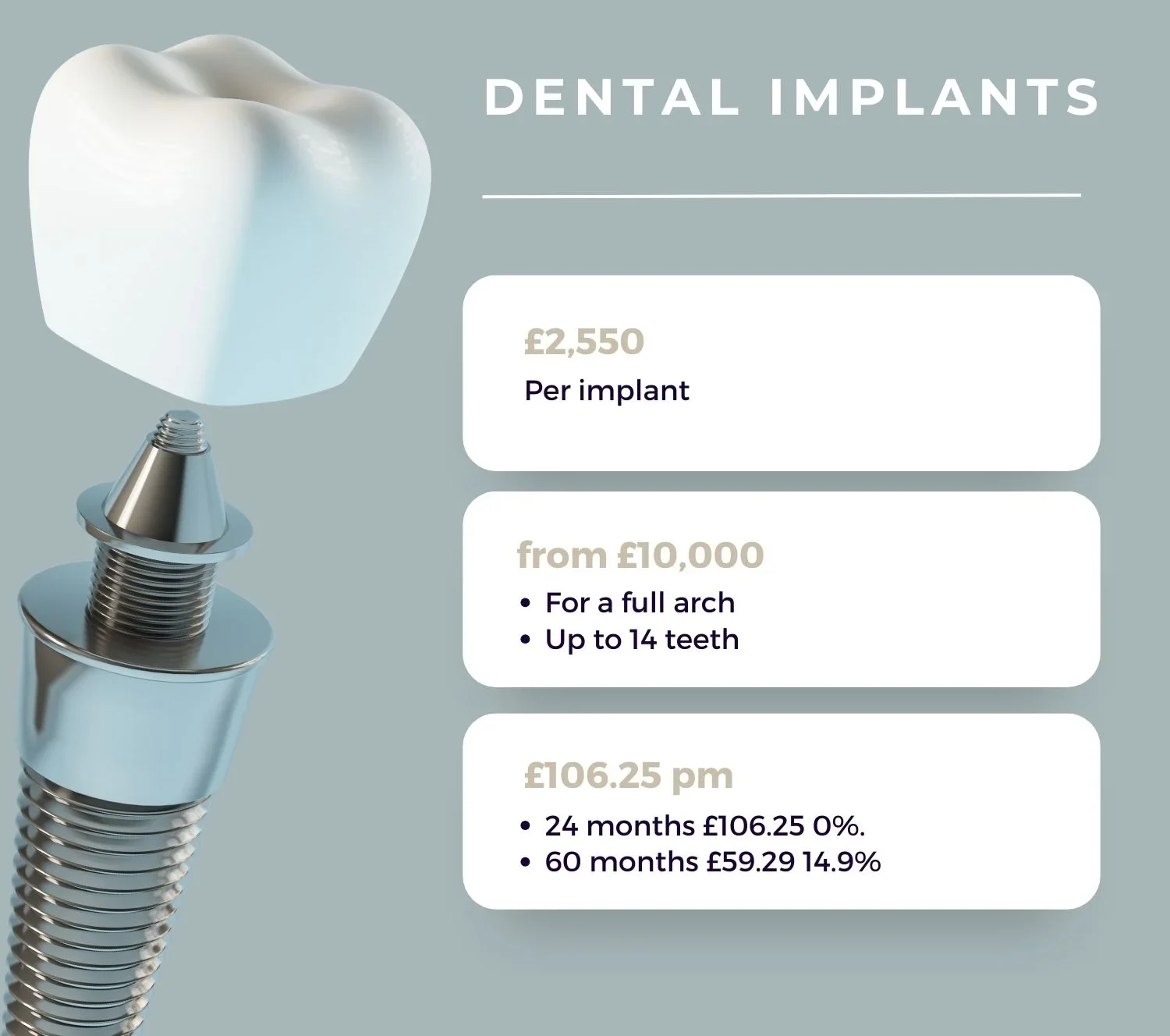
Cluster keyword: NHS dental implants cost. NHS dental implants are free for eligible patients. However, given the stringent eligibility criteria, most individuals will find themselves exploring private options. Private dental implants can range significantly in cost, typically averaging between £2,000 and £3,000 per implant in the UK. This figure includes the implant, abutment, and crown, as well as consultations and aftercare.
Comparing NHS and Private Costs
- NHS: Free for eligible patients, but limited availability.
- Private: £2,000-£3,000 per implant, but greater accessibility.
- Additional NHS Charges: Band 1 (£26.80) to Band 3 (£319.10) for other treatments.
It’s important to note that while NHS implants are free, other dental treatments may still incur NHS dental charges, which range from Band 1 to Band 3 depending on the complexity. If you’re exploring ways to manage the cost of dental implants, consider options like dental tourism. For instance, Albania Dental Implants offers cost-effective solutions, potentially saving you thousands while maintaining high-quality care.
What Is the NHS Dental Implants Waiting List Like?
Cluster keyword: NHS dental implants waiting list. NHS dental implant waiting times can be lengthy, extending from several months to over a year, depending on regional demand and NHS capacity. These delays stem from limited resources and a prioritization of urgent cases. Patients requiring implants due to trauma or medical necessity typically receive precedence, further lengthening the wait for others.
Factors Influencing NHS Waiting Times
- Regional Differences: Urban areas often have longer waits due to higher demand.
- NHS Capacity: Limited specialist availability can bottleneck the process.
- Prioritization: Urgent cases take precedence, extending waits for others.
For those facing extended waits, alternatives may offer quicker solutions. If waiting is not an option, other routes exist for getting the smile that you want, without the long waiting period and higher costs associated with private dentists in the UK.
What Are the Alternatives to Dental Implants on the NHS?
Cluster keyword: NHS dental implants alternatives. NHS-provided alternatives include dentures, dental bridges, and partial dentures. Each option offers distinct advantages and disadvantages compared to dental implants. Dentures are removable appliances that replace missing teeth, while bridges fill gaps using adjacent teeth for support. Partial dentures, meanwhile, address situations where some natural teeth remain.
Comparing Alternatives to Implants
- Dentures: Affordable, non-invasive, but less stable than implants.
- Dental Bridges: Fixed solution, but may require altering adjacent teeth.
- Partial Dentures: Suitable for partial tooth loss, but can feel bulky.
While these alternatives are often preferred due to cost considerations, they may not provide the same level of stability or long-term durability as dental implants. Implants fuse directly with the jawbone, offering a more permanent and natural-feeling solution. When evaluating tooth replacement options, consider your lifestyle, budget, and desired outcome. Consider the best alternative to dental implants
Can Children Get Dental Implants on the NHS?
Cluster keyword: NHS dental implants for children. Dental implants are not commonly offered to children through the NHS. In most cases, children’s jawbones are still developing. Exceptions exist for severe trauma or congenital defects that significantly impact dental function. NHS guidance prioritizes treatments that support natural jaw growth and minimize long-term complications.
Exceptions for Pediatric Dental Implants
- Severe Trauma: Accidents leading to tooth loss.
- Congenital Defects: Conditions affecting tooth development.
If a child meets these criteria, a specialist assessment is necessary to determine eligibility. The NHS will weigh the benefits against the risks, ensuring that any intervention aligns with the child’s overall developmental needs. Alternatives like temporary dentures or bridges may be considered until the child is old enough for implant placement.
Can Elderly Patients Get Dental Implants on the NHS?
Cluster keyword: NHS dental implants for elderly. Age alone is not a barrier to receiving dental implants on the NHS. Elderly patients can qualify if they meet the stringent medical and dental criteria. Health requirements and eligibility criteria are assessed on a case-by-case basis to ensure patient safety and treatment success.
Health Considerations for Elderly Patients
- Overall Health: Must be in good general health.
- Bone Density: Sufficient jawbone density for implant support.
- Oral Hygiene: Ability to maintain good oral hygiene post-surgery.
The NHS will evaluate whether the patient can undergo surgery safely and maintain the implants long-term. Pre-existing conditions like diabetes or osteoporosis can impact eligibility, requiring careful consideration. If NHS options are limited, patients may consider alternatives like dentures or bridges, or explore affordable options in other places.
What Is the Process for Getting Dental Implants on the NHS?
Cluster keyword: NHS dental implants process. This outlines the step-by-step process for getting dental implants on the NHS. It involves several stages, beginning with a referral to a specialist. This process can involve working with multiple NHS departments and healthcare professionals.
Step-by-Step Guide to NHS Dental Implants
- Referral: Your dentist refers you to a specialist for assessment.
- Assessment: The specialist checks your eligibility based on NHS criteria.
- Waiting List: If eligible, you’re placed on a waiting list.
- Treatment Planning: Detailed plan created by a multidisciplinary team.
- Surgery: Implant placement performed in a hospital setting.
- Aftercare: Post-operative care and monitoring.
Multidisciplinary teams, often based in hospital settings, oversee the process. This ensures comprehensive care and management of potential complications. Given the complexity and resource demands, securing NHS dental implants is a rigorous process. NHS implants are possible, but require patience and commitment. Alternative solutions can be the answer to a beautiful smile.
NHS Dental Implants vs Private Dental Implants
Cluster keyword: NHS dental implants vs private. NHS dental implants and private dental implants offer significantly different experiences. NHS implants are free, the eligibility requirements are strict, and waiting lists can be long. In contrast, private implants involve direct costs, but offer quicker access, a broader range of treatment options, and more personalized care.
Comparing NHS and Private Options
- Cost: NHS implants are free; private implants range from £2,000-£3,000 each.
- Waiting Times: NHS waits can be extensive; private appointments are typically faster.
- Eligibility: NHS is limited to specific medical needs; private is more flexible.
- Treatment Options: Private offers advanced techniques and materials.
- Quality and Aftercare: Both strive for high standards, but private care may be more personalized.
Ultimately, the best choice depends on your individual circumstances, budget, and preferences. While NHS options provide essential care, private routes offer enhanced accessibility and customization. Some of the things that people consider in making a decision are how long dental implants last and the long term value of getting dental implants.
How to Find NHS Dental Implants Near Me
Cluster keyword: NHS dental implants near me. The process for finding NHS dental services, including those offering implants, involves contacting your local NHS dental providers. The NHS website also provides a tool to locate dental practices in your area.
Steps to Finding NHS Dental Services
- NHS Website: Use the NHS dental services finder.
- Local NHS Providers: Contact dental practices directly.
- Ask Questions: Inquire about implant availability and eligibility.
When contacting clinics, ask about their acceptance of new NHS patients and the specific criteria for implant eligibility. Be prepared to provide detailed information about your dental history and medical conditions. This proactive approach will help you navigate the NHS system effectively. Explore affordable solutions to dental needs at dental tourism in Albania.
Frequently Asked Questions (FAQs)
Are dental implants available on the NHS?
Dental implants are available on the NHS, but only in limited circumstances. Generally, they are reserved for patients with significant medical needs, such as those who have experienced trauma or congenital defects. Routine tooth loss due to decay or aging typically does not qualify for NHS-funded implants. Most dental implant procedures are conducted privately.
Who is eligible for dental implants on the NHS?
Eligibility for dental implants on the NHS is based on strict criteria. Qualifying medical reasons include severe trauma, congenital defects affecting tooth development, or the need for reconstruction following cancer treatment. Age restrictions also apply, with children rarely receiving implants and elderly patients assessed on a case-by-case basis. The NHS prioritizes treatments based on clinical need and resource availability.
How much do dental implants cost on the NHS?
If you are eligible for dental implants on the NHS, the treatment is provided free of charge. However, given the stringent eligibility criteria, most individuals will need to explore private options. Private dental implants in the UK typically range from £2,000 to £3,000 per implant, including consultations, surgery, and aftercare. Other NHS dental treatments may incur charges ranging from Band 1 to Band 3.
What is the NHS dental implants waiting list like?
The NHS dental implants waiting list can be extensive, with waiting times ranging from several months to over a year. These delays are due to limited resources, high demand, and the prioritization of urgent cases. Regional differences and NHS capacity also influence waiting times. If you cannot afford to wait, you may need to consider alternatives.
What are the alternatives to dental implants on the NHS?
NHS-provided alternatives include dentures, dental bridges, and partial dentures. Dentures are removable appliances that replace missing teeth. Dental bridges fill gaps using adjacent teeth for support, and partial dentures address situations where some natural teeth remain. While these alternatives are more affordable, they may not provide the same stability or long-term durability as dental implants.
Can children get dental implants on the NHS?
Dental implants are not commonly offered to children through the NHS. Due to children’s ongoing jaw development, implants are typically avoided unless there are exceptional circumstances, such as severe trauma or congenital defects. The NHS prioritizes treatments that support natural jaw growth and minimize long-term complications. Temporary solutions may be considered until the child is old enough for implant placement.
Can elderly patients get dental implants on the NHS?
Age alone is not a barrier to receiving dental implants on the NHS. Elderly patients can qualify if they meet the stringent medical and dental criteria. Health requirements and eligibility are assessed on a case-by-case basis to ensure patient safety and treatment success. Pre-existing conditions and the ability to maintain good oral hygiene are considered.
What is the process for getting dental implants on the NHS?
The process involves several stages, beginning with a referral to a specialist. This is followed by an assessment of your eligibility based on NHS criteria. If eligible, you are placed on a waiting list. A detailed treatment plan is created by a multidisciplinary team, and surgery is performed in a hospital setting. Post-operative care and monitoring are provided.
How do NHS dental implants compare to private dental implants?
NHS dental implants and private dental implants differ significantly in cost, waiting times, eligibility, treatment options, and quality of care. NHS implants are free but have strict eligibility requirements and long waiting lists. Private implants involve direct costs but offer quicker access, a broader range of treatment options, and more personalized care. The best choice depends on your individual circumstances, budget, and preferences.
How do I find NHS dental implants near me?
To find NHS dental services, including those offering implants, contact your local NHS dental providers or use the NHS website’s dental services finder. Inquire about their acceptance of new NHS patients and the specific criteria for implant eligibility. Be prepared to provide detailed information about your dental history and medical conditions.
Conclusion: Is a Dental Implant on the NHS Right for You?
NHS dental implants are a potential option, access is restricted to specific cases. NHS dental implants are rare and typically reserved for severe medical needs. Evaluate your eligibility, consider waiting times, and explore alternative solutions to address the problem. If NHS access is challenging, solutions like Albania Dental Implants can help with affordable care that does not compromise on quality.
Additional Resources
- NHS official dental implants page
- NHS dental services finder
- Private dental implant cost calculator
- Patient support groups and forums





