




How much are tooth implants? This is a question on the minds of many individuals in the UK considering a permanent solution to missing teeth, seeking to restore their smile and improve their quality of life. The answer, however, isn’t straightforward, as several factors influence the final cost of dental implants.
Dental Implant Costs in the UK
When exploring the option of dental implants, understanding the dental implant cost UK is crucial. The price can vary significantly depending on the complexity of the case, the materials used, and the dentist’s expertise. Generally, you can expect to pay a certain amount for a single tooth implant, but this price can change.
Average Price Range for Tooth Implants in the UK
The average price range for a single tooth implant in the UK typically falls between £2,000 to £4,000. This is a broad estimate, and it’s essential to get a personalised quote from a dentist for an accurate understanding of the costs involved. Factors such as the need for bone grafting or sinus lifts can significantly increase the overall expense.
Cost Breakdown: Implant, Abutment, Crown
The total cost of a dental implant is typically broken down into three main components:
- The implant itself: This is the titanium screw that is surgically placed into the jawbone.
- The abutment: This is the connector piece that attaches to the implant and supports the crown.
- The crown: This is the artificial tooth that is placed on top of the abutment, restoring the appearance and function of the missing tooth.
Each of these components contributes to the overall dental implant cost. The cost of the implant itself depends on factors like material, manufacturer, and guarantees offered.
Factors Affecting Tooth Implant Prices
Several factors contribute to the final cost of dental implants. Understanding what affects dental implant prices allows you to make informed decisions and potentially find cost-saving options.
Type of Implant (Material, Manufacturer)
The material and manufacturer of the implant can significantly impact the price. Titanium is the most common material used for dental implants due to its biocompatibility and strength. However, zirconia implants in Albania are also available, which may be more expensive. Implants from reputable manufacturers with a long history of success often come at a higher price point.
Number of Implants Required (Single vs Multiple)
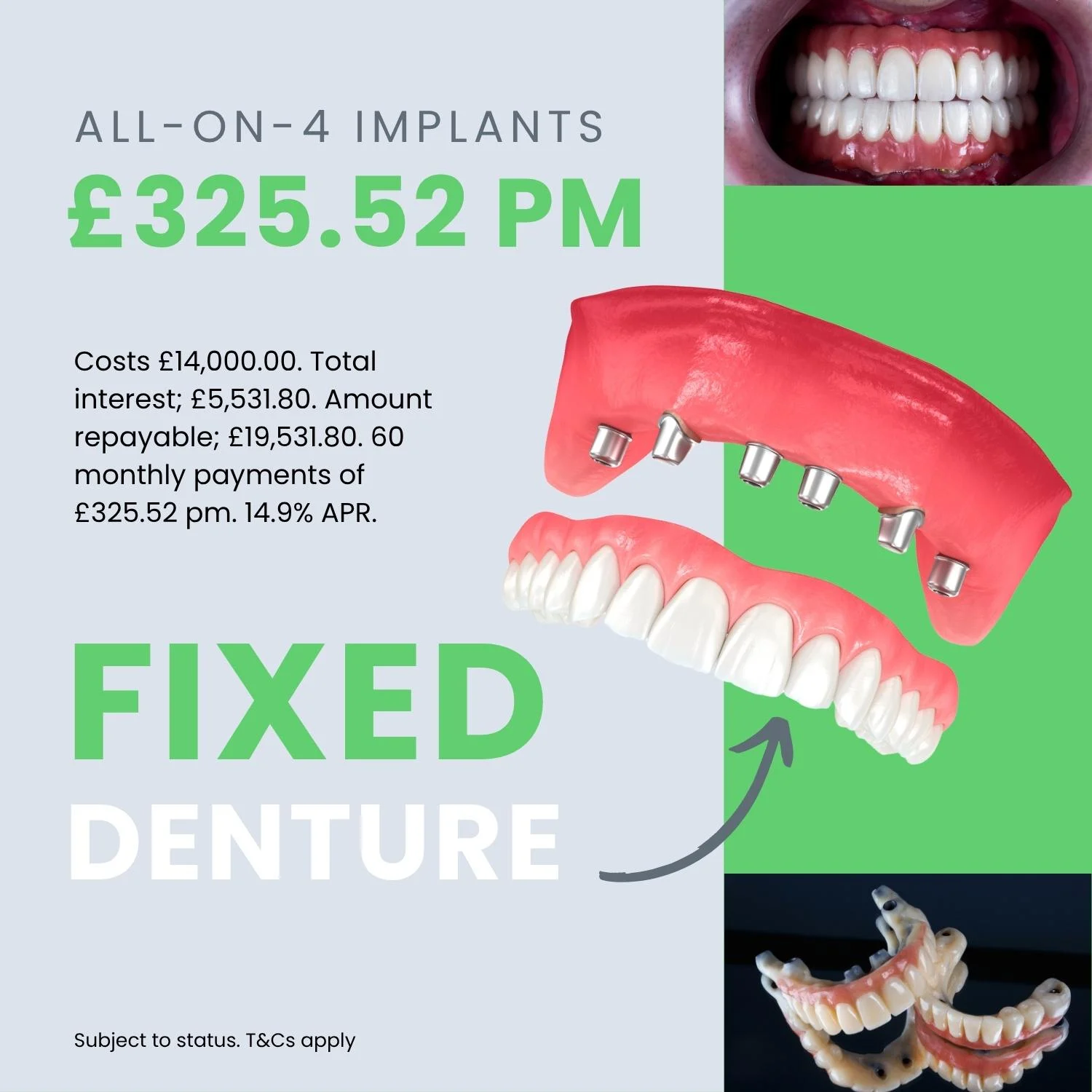
The number of implants required will directly affect the overall cost. A cost of single tooth implant will be less than needing multiple implants. If several teeth are missing, options like implant-supported bridges or full-arch restoration with All-on-4 implants may be more cost-effective than individual implants for each tooth.
Complexity of the Case (Need for Bone Graft, Sinus Lift)
In some cases, additional procedures may be necessary to prepare the jawbone for implant placement. Bone grafting is required when there is insufficient bone volume to support the implant. A sinus lift may be needed when placing implants in the upper jaw to create space between the jawbone and the sinus cavity. These procedures add to the overall cost of the treatment.
It’s important to assess your bone density, because what can you do if you don’t have enough bone for dental implants to be stable without additional work?
Geographic Location and Dental Clinic Reputation
The cost of dental implants can also vary depending on the geographic location and the reputation of the dental clinic. Clinics in major cities or affluent areas may charge higher prices than those in smaller towns or rural areas. Highly experienced dentists or specialists with advanced training may also command higher fees.
Cost Comparison: NHS vs Private Dental Implants
When considering dental implants, it’s essential to understand the differences between NHS vs private dental implants in terms of cost, availability, and eligibility.
What Implants (If Any) Are Available on the NHS
Dental implants are not routinely available on the NHS. In most cases, the NHS will only fund dental implants if there is a medical need, such as when tooth loss is the result of trauma or cancer treatment. Even in these cases, strict eligibility criteria apply, and the process of obtaining NHS funding can be lengthy.
Cost Difference and Eligibility
The cost difference between NHS and private dental implants is significant. Private dental implants are more expensive, but they offer greater flexibility in terms of treatment options, materials used, and appointment availability. Eligibility for NHS dental implants is limited to patients with specific medical conditions or those who meet strict financial criteria.
Single Tooth vs Full Mouth Dental Implant Cost
The overall expense varies greatly depending on whether you require a cost of single tooth implant, multiple implants, or a full mouth restoration. Understanding the cost implications of each option can help you make an informed decision.
Comparing Single, Multiple, and All-on-Four/All-on-Six Solutions
A single tooth implant is the most straightforward and least expensive option for replacing a single missing tooth. Multiple implants are required when several teeth are missing but not adjacent. For patients who have lost all or most of their teeth in one or both jaws, full-arch restoration with All-on-4 or All-on-6 implants can be a cost-effective solution. These techniques use only four or six implants to support an entire arch of artificial teeth.
To help with planning, read our article on how many implants for full mouth for better assistance.
Cheapest Tooth Implants UK & Overseas Options
If cost is a major concern, you might be tempted to look for cheapest tooth implants UK or consider dental tourism. While these options may offer lower prices, it’s essential to weigh the risks and benefits carefully.
Discussing Cost-Saving Options, Dental Tourism Risks and Benefits
One way to save money on dental implants in the UK is to shop around and compare prices from different clinics. Some clinics may offer discounts or payment plans to make treatment more affordable. Another option is to consider dental tourism, which involves travelling to another country for dental treatment. Countries like Albania often offer significantly lower prices for dental implants than the UK. However, it’s crucial to research the quality of care and the qualifications of the dentists before travelling abroad for treatment.
Especially read our article on what is the cheapest country to get dental implants for better research.
Are Dental Implants Worth the Cost?
Despite the initial expense, many people find that dental implants are are dental implants worth it in the long run due to their durability, functionality, and aesthetic appeal.
Long-Term Value, Durability, Quality-of-Life Considerations
Dental implants are a long-term solution for missing teeth that can last for decades with proper care. They are strong, stable, and function much like natural teeth, allowing you to eat, speak, and smile with confidence. Dental implants can also improve your overall quality of life by restoring your self-esteem and preventing bone loss in the jaw.
Patient Testimonials or Data
Many patients who have received dental implants report high levels of satisfaction with their treatment. They appreciate the improved appearance of their smile, the ability to eat their favourite foods without difficulty, and the overall boost in their self-confidence.
Dental Implant Procedure and Additional Costs
Understanding the dental implant procedures involved and potential hidden costs can help you budget accurately for your treatment.
Explaining Consultation, Imaging, Surgery, Aftercare
The dental implant process typically involves several stages:
- Consultation: A comprehensive examination and assessment to determine your suitability for dental implants.
- Imaging: X-rays or CT scans to evaluate the jawbone and plan the implant placement.
- Surgery: The surgical placement of the dental implant into the jawbone.
- Aftercare: Post-operative care and maintenance to ensure the implant integrates properly and remains healthy.
If bone density is a concern, take steps to read and understand what can you do if you don’t have enough bone for dental implants.
Hidden or Additional Costs (Anaesthesia, Aftercare, Complications)
In addition to the main components of the dental implant cost, there may be other expenses to consider, such as anaesthesia fees, aftercare medications, and the cost of treating any complications that may arise. It’s important to discuss all potential costs with your dentist upfront to avoid any surprises.
Alternatives to Dental Implants
While dental implants are an excellent solution for missing teeth, they are not the only option. Understanding the alternatives to dental implants can help you make an informed decision based on your individual needs and budget.
Identifying Prosthetic Options: Bridges, Dentures
The two main alternatives to dental implants are:
- Dental bridges: A bridge is a prosthetic tooth that is anchored to the adjacent teeth.
- Dentures: A denture is a removable appliance that replaces all of the teeth in one or both jaws.
Dentures can be a good option, but if they aren’t kept clean, take steps to read up on what to do if your teeth are rotting and you can’t afford to fix it in the UK.
Pros and Cons Compared to Implants
Dental bridges and dentures are generally less expensive than dental implants. However, they also have some disadvantages. Bridges require the alteration of adjacent teeth and may not last as long as implants. Dentures can be uncomfortable, unstable, and may affect your ability to eat and speak properly. Dental implants offer superior stability, functionality, and aesthetics compared to bridges and dentures.
Frequently Asked Questions about Tooth Implant Costs
Here are some frequently asked questions about the cost of tooth implants to help you make a better decision:
What is the average cost of a tooth implant in the UK?
The average cost of a tooth implant in the UK ranges from £2,000 to £4,000. This includes the implant, abutment, and crown. The cost can increase depending on the complexity of the case and any additional procedures required.
Does the NHS cover dental implants?
The NHS rarely covers dental implants. They are typically only funded when there is a medical need, such as tooth loss due to trauma or cancer treatment, and even then, strict eligibility criteria apply.
Why are tooth implants so expensive?
Tooth implants are expensive due to the cost of materials, the complexity of the procedure, and the expertise of the dental professionals involved. High-quality materials like titanium are used, and the procedure requires precise surgical placement. This is why many are taking steps to see Albania Dental Implants.
How long do dental implants last?
With proper care and maintenance, dental implants can last for decades, and in some cases, even a lifetime. Regular dental check-ups and good oral hygiene are essential for ensuring the longevity of your implants.
Are there cheaper alternatives to dental implants?
Yes, cheaper alternatives to dental implants include dental bridges and dentures. However, these options may not offer the same level of stability, functionality, and aesthetics as dental implants.
If finance is a problem, take steps to read up on how can I fix my teeth if I don’t have money.
Is it worth travelling abroad for dental implants?
Travelling abroad for dental implants, also known as dental tourism, can be a cost-effective option. However, it’s essential to research the quality of care and the qualifications of the dentists before travelling for treatment. Ensure the clinic adheres to international standards of hygiene and safety.
What are the risks associated with cheap dental implants?
Cheap dental implants may involve the use of lower-quality materials or less experienced dentists, which can increase the risk of complications, such as implant failure, infection, or nerve damage. It’s essential to prioritise quality and safety over price when considering dental implants.
Does dental insurance cover implants?
Some dental insurance policies may cover a portion of the cost of dental implants, but coverage varies widely. Check with your insurance provider to determine what benefits are available.
What is the dental implant process from start to finish?
The dental implant process typically involves a consultation, imaging, surgical placement of the implant, healing period (osseointegration), abutment placement, and crown placement. The entire process can take several months to complete.
Considering Dental Implants in Albania
If you’re looking for affordable, high-quality dental implants, consider Albania Dental Implants. We offer a range of comprehensive services, including consultations, implant placement, and full mouth restoration, all at competitive prices. Our experienced team of dentists uses state-of-the-art technology and follows strict international standards to ensure the best possible results.
Many UK patients have found success by considering our dental tourism in Albania options, because not only are they a good value, but they produce good results.
Contact us today to schedule a consultation and learn more about how we can help you restore your smile and improve your quality of life.





