



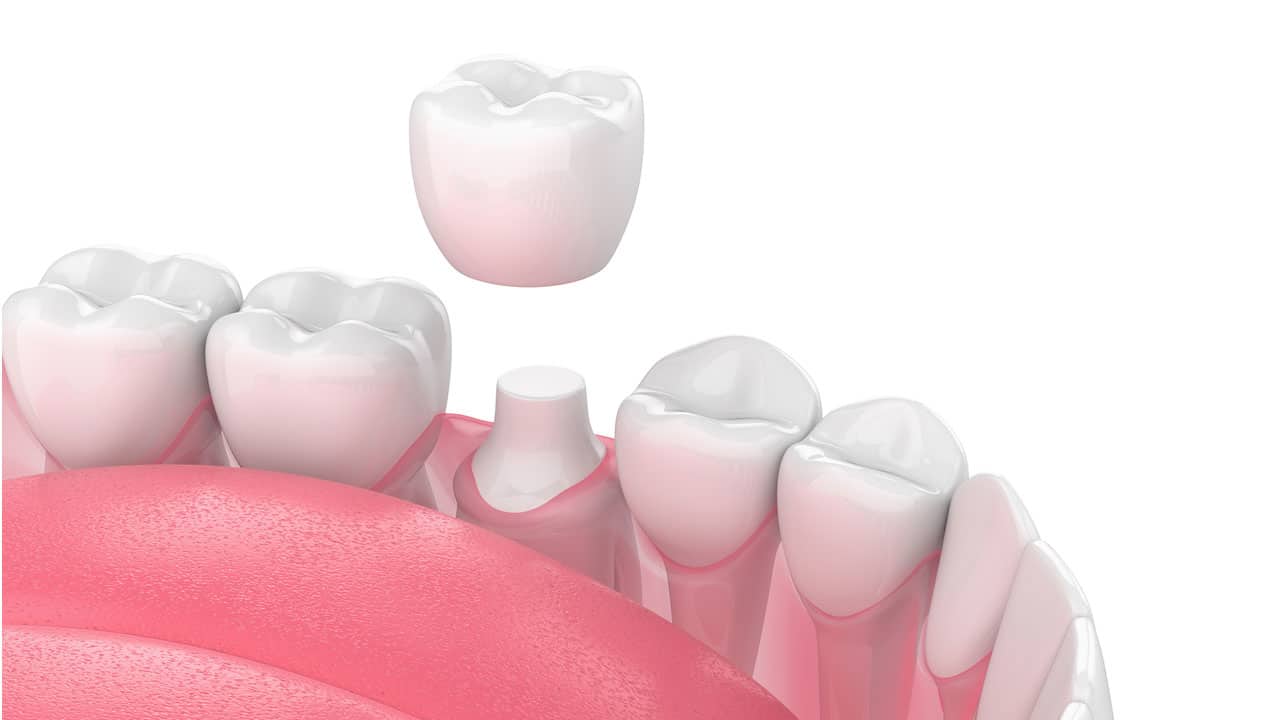

Is getting a crown a big deal? For many, the thought of any dental procedure can trigger anxiety. A dental crown, essentially a cap that covers a damaged tooth, is a common solution for various issues, from a broken tooth and significant decay to cosmetic enhancements. This article will explore the dental crown procedure, what to expect during recovery, the importance of crowns in preserving oral health, and address common patient concerns so you can make a well-informed decision about your smile. You can also explore options of getting dental crowns in albania with Albania Dental Implants.
What Is a Dental Crown?
Understanding the concept of a dental crown is crucial for those considering this tooth restoration option. A dental crown is a custom-made covering that fits over a damaged or weakened tooth, restoring its shape, size, strength, and appearance. It’s like a protective helmet for your tooth, safeguarding it from further damage and improving its function.
Why Are Dental Crowns Recommended?
Crowns are recommended when a tooth is too damaged to be repaired with a filling but not so severely damaged that it needs to be extracted. They can also be used to cover discolored or misshapen teeth for cosmetic purposes. Think of it as a way to give your tooth a new lease on life, ensuring it remains functional and aesthetically pleasing.
Different Types of Dental Crowns
Dental crowns come in various materials, each with its own advantages and disadvantages:
- Porcelain Crowns: These offer the most natural appearance, blending seamlessly with your existing teeth. They are often preferred for front teeth restorations.
- Porcelain-Fused-to-Metal (PFM) Crowns: These provide a combination of strength and aesthetics, with a metal base for durability and a porcelain overlay for a natural look.
- Zirconia Crowns: Known for their exceptional strength and biocompatibility, zirconia crowns are a popular choice for both front and back teeth. At Albania Dental Implants, we offer high-quality zirconia implants in albania, ensuring a durable and aesthetically pleasing result.
- Metal Crowns: Gold alloys or other metal alloys are exceptionally strong and resistant to wear. They are typically used for molars, where strength is more important than appearance.
- Temporary vs. Permanent Crowns: After preparing your tooth, your dentist will place a temporary crown. This is usually made of acrylic or stainless steel to protect the prepared tooth while the permanent crown is created in a lab. The permanent crown will then replace the temporary one.
Choosing the right type of crown depends on factors like the tooth’s location, the extent of the damage, your budget, and your aesthetic preferences. A detailed discussion with your dentist is essential to determine the best option for your specific needs.
Why Might You Need a Crown?
Several situations may lead your dentist to recommend a dental crown. Understanding the reasons for needing a crown can help you appreciate its importance in preserving your oral health. Here are some common indications for a dental crown.
Common Reasons for Dental Crown
- Tooth Damage: When a tooth is severely cracked or fractured, a crown can provide the necessary support and protection to prevent further damage.
- Large Fillings: If a tooth has a large filling that compromises its structural integrity, a crown can reinforce the tooth and prevent it from breaking.
- Root Canal: After a root canal procedure, a tooth becomes more brittle and susceptible to fracture. A crown is typically placed to protect and strengthen the tooth. This is why people search for questions like Does a crown require a root canal?
- Severe Decay: When tooth decay is extensive, a crown can restore the tooth to its original shape and function.
- Cosmetic Improvement: Crowns can also be used to improve the appearance of misshapen, discolored, or unevenly sized teeth, offering a smile makeover.
When Is a Crown Preferred Over Other Treatments?
In many cases, a crown is the preferred treatment option when the tooth is significantly damaged or weakened. Unlike fillings, which only restore a small portion of the tooth, a crown covers the entire visible surface, providing comprehensive protection. Compared to extraction, a crown preserves the natural tooth, maintaining proper bite alignment and preventing shifting of adjacent teeth. In cases where a full set of teeth replacement is necessary, the alternative would be getting a full mouth reconstruction in albania.
Is Getting a Crown a Big Deal? Patient Experience and Expectations
The process of getting a dental crown involves several steps and understanding what to expect can alleviate anxiety and ensure a smoother experience. Many patients wonder about the dental crown procedure and how to prepare for it.
Step-by-Step Walk-Through of the Crown Process
- Initial Consultation: Your dentist will examine your tooth, take X-rays, and discuss the best treatment options for your specific situation.
- Tooth Preparation: The tooth is reshaped to accommodate the crown. This involves removing any decay and filing down the tooth’s outer layer.
- Impressions: An impression of your tooth is taken to create a custom-fit crown. This impression is sent to a dental lab where the crown is fabricated.
- Temporary Crown: A temporary crown is placed to protect the prepared tooth while the permanent crown is being made.
- Permanent Crown Placement: Once the permanent crown is ready, the temporary crown is removed, and the permanent crown is cemented into place. Your dentist will check the fit and bite to ensure proper function and comfort.
Pain and Discomfort During the Crown Process
Local anesthesia is typically used during the tooth preparation to minimize pain and discomfort. Most patients report feeling only slight pressure during the procedure. After the anesthesia wears off, some sensitivity is normal, but this can usually be managed with over-the-counter pain relievers. If you want to know more, read about “Is a tooth crown painful?“.
Aftercare and Recovery
Following the placement of your permanent crown, it’s essential to maintain good oral hygiene. Brush and floss regularly, and avoid chewing hard or sticky foods that could damage the crown. Regular dental check-ups are also crucial to ensure the crown remains in good condition and to detect any potential problems early on. It’s also important to mention how long does a dental crown last. The more you take care of it, the longer it will last.
Pros and Cons of Getting a Crown
Like any dental procedure, getting a crown has both advantages and disadvantages. Weighing these pros and cons can help you make an informed decision that aligns with your oral health needs and goals.
Major Benefits of Getting a Crown
- Restoration of Function: Crowns restore the ability to chew and speak properly, improving overall quality of life.
- Durability: High-quality crowns can last for many years with proper care, providing a long-term solution for damaged teeth.
- Aesthetic Improvement: Crowns can enhance the appearance of teeth, creating a more confident and attractive smile. You can also look into our services for cosmetic dentistry in albania to find better solutions.
Main Drawbacks and Risks
- Cost: Crowns can be more expensive than fillings, particularly if you choose high-quality materials like porcelain or zirconia.
- Tooth Sensitivity: Some patients may experience increased tooth sensitivity after getting a crown, especially to hot or cold temperatures.
- Potential Risks: Although rare, complications like crown fracture, nerve damage, or allergic reactions to the materials can occur.
Myths vs. Facts About Dental Crowns
- Myth: Crowns are only for old people. Fact: Crowns are needed at any age to protect damaged teeth.
- Myth: Crowns are always painful. Fact: Local anesthesia minimizes pain during the procedure, and discomfort after placement is usually mild.
- Myth: Crowns look fake and unnatural. Fact: Modern crowns are designed to match the color and shape of your natural teeth seamlessly.
Alternatives to Dental Crowns
While dental crowns are a common and effective solution for damaged teeth, there are alternative treatments available depending on the extent of the damage and your specific needs.
Summarizing Other Options
- Fillings: Suitable for small cavities or minor tooth damage, fillings restore the lost tooth structure with materials like composite resin or amalgam.
- Onlays and Inlays: These partial crowns are used when the damage is more extensive than a filling but not severe enough to warrant a full crown.
- Veneers: Thin shells of porcelain or composite resin bonded to the front surface of teeth to improve their appearance, often used for cosmetic purposes. To learn more about veneers, visit “dental veneers in albania“.
Pros and Cons Compared to Crowns
- Fillings:
- Pros: Less expensive, less invasive.
- Cons: Less durable, not suitable for large areas of damage.
- Onlays and Inlays:
- Pros: More durable than fillings, less invasive than crowns.
- Cons: More expensive than fillings, require more tooth preparation.
- Veneers:
- Pros: Excellent aesthetics, minimal tooth preparation.
- Cons: Less durable than crowns, primarily for cosmetic issues.
The choice between crowns and their alternatives depends on the individual circumstances, including the degree of tooth damage, aesthetic goals, and budget considerations. Discussing these options with your dentist will help you determine the most appropriate treatment for your oral health needs.
Cost and Insurance Considerations
Understanding the cost of a dental crown and how it fits into your budget is an essential part of making an informed decision. The dental crown cost can vary based on several factors, including the material used and whether you opt for NHS or private treatment.
Typical Price Range in the UK
In the UK, the cost of a dental crown can range from £300 to £1,000 or more per tooth. This range reflects the different materials available, with porcelain and zirconia crowns typically being more expensive than metal or PFM crowns. Your location and the dentist’s experience can also impact the price. However, exploring options like dental tourism in albania, can help you save money.
NHS versus Private Coverage
The NHS provides dental crowns under Band 3 charges, which covers more complex procedures. In England, the cost for a Band 3 treatment is £319.10 (as of 2024). However, NHS crowns are typically made of more basic materials like metal or PFM. Private dental care offers a wider range of materials and often quicker appointment times, but at a higher cost.
Factors Affecting Cost and Insurance Coverage
- Material: Porcelain and zirconia crowns are generally more expensive due to their aesthetic appeal and durability.
- Complexity of the Case: If additional procedures like root canals or extractions are needed, the overall cost will increase.
- Location: Dental costs can vary by region, with London and other major cities often having higher prices.
- Insurance Coverage: Most dental insurance plans cover a portion of the cost of crowns, but the extent of coverage varies depending on the policy. Check with your provider to understand your specific benefits.
Frequently Asked Questions about Dental Crowns
Many individuals have questions and concerns about dental crowns. Here are some of the most frequently asked questions to help you better understand this common dental procedure.
Is getting a crown painful?
The dental crown procedure itself is generally not painful, thanks to the use of local anesthesia. You may feel some pressure during tooth preparation, but sharp pain is rare. After the anesthesia wears off, mild sensitivity or discomfort is possible, but it can usually be managed with over-the-counter pain relievers.
How long does the crown procedure take?
The crown procedure typically requires two visits to the dentist. The first visit involves tooth preparation, impressions, and placement of a temporary crown, which takes about one to two hours. The second visit, for permanent crown placement, is usually shorter, lasting around 30 minutes to an hour.
Can I eat normally after getting a crown?
With a temporary crown, it’s best to avoid sticky, hard, or chewy foods that could dislodge or damage the crown. Once the permanent crown is placed, you can eat normally, but it’s still wise to avoid excessive chewing on hard objects or foods that could potentially crack the crown.
How long do dental crowns last?
Dental crowns can last anywhere from 5 to 15 years, or even longer, with proper care. Factors like oral hygiene, diet, and regular dental check-ups play a significant role in their longevity. Regular dental appointments can also help determine “How long does a dental crown last?“.
Are there risks or side effects?
While crowns are generally safe, potential risks include tooth sensitivity, nerve damage, crown fracture, and allergic reactions to the materials. These complications are rare, but it’s important to discuss them with your dentist beforehand.
Is getting a crown urgent, or can it wait?
The urgency of getting a crown depends on the extent of tooth damage and symptoms. If you’re experiencing severe pain, sensitivity, or have a fractured tooth, prompt treatment is essential to prevent further complications. In some cases, you can afford to wait a few weeks, but delaying treatment indefinitely can lead to more serious problems.
Can a crown be replaced if it fails?
Yes, crowns can be replaced if they fail due to fracture, decay, or other issues. The replacement process is similar to the initial crown placement, involving tooth preparation, impressions, and fitting of a new crown.
Are there alternatives to crowns?
Yes, depending on the extent of tooth damage, alternatives to crowns include fillings, onlays, inlays, and veneers. Fillings are suitable for small cavities, while onlays and inlays are used for more extensive damage. Veneers are primarily for cosmetic improvements.
Conclusion
So, is getting a crown a big deal? While the idea of undergoing a dental procedure might seem daunting, dental crowns are a routine and effective solution for restoring and protecting damaged teeth. Understanding the process, benefits, and potential drawbacks can help alleviate anxiety and ensure a smoother experience. It’s essential to consult with a qualified dentist to determine if a crown is the right choice for your specific needs.
Considering your options for dental restoration? Don’t hesitate to reach out to Albania Dental Implants for personalised advice and high-quality dental care. Contact us today to schedule a consultation and take the first step towards a healthier, more confident smile.