




How long does a crown take? If you’re considering a dental crown in the UK, understanding the timeline—from preparation to fitting—is essential for planning your treatment. This guide explains each step and how long you can expect the process to take.
What Is a Dental Crown and Why Might You Need One?
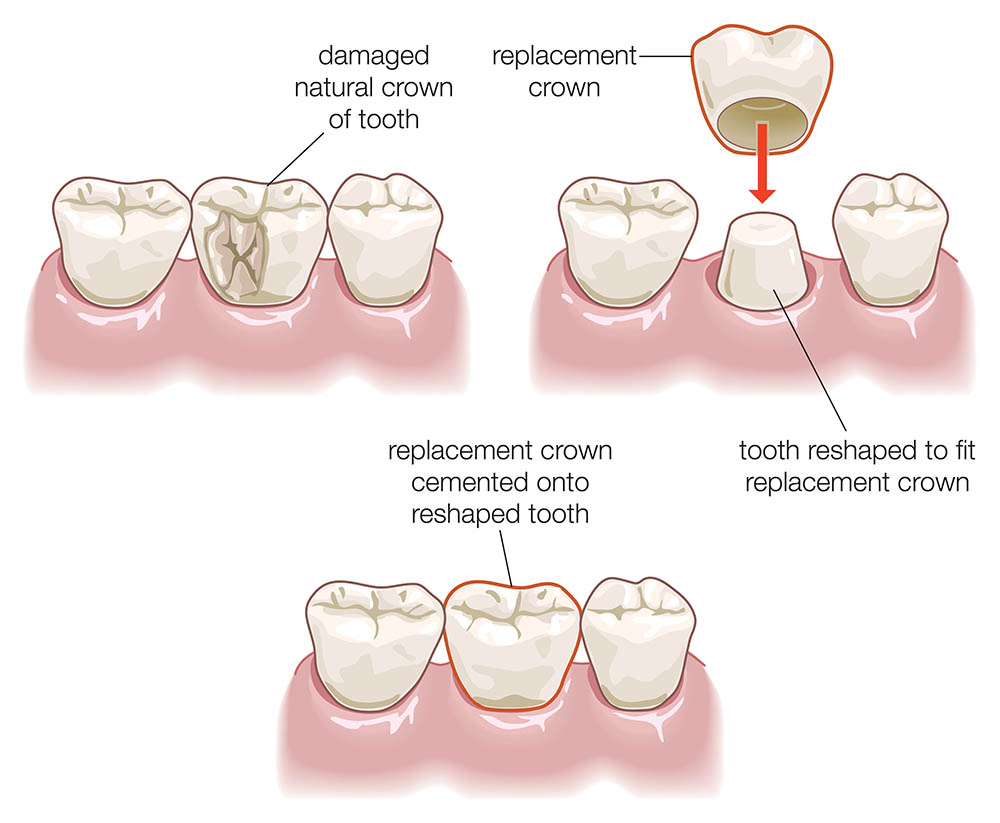
Dental crown procedure time depends on various factors, but before delving into the timeline, it’s important to understand what a dental crown is and why you might need one. A dental crown in Albania is a custom-made, tooth-shaped “cap” that is placed over a damaged or weakened tooth to restore its shape, size, strength, and appearance. It essentially encases the entire visible portion of the tooth above the gum line.
What is a dental crown?
A dental crown acts like a helmet for your tooth, protecting it from further damage and restoring its function. Think of it as a suit of armor for a vulnerable tooth. It’s a versatile solution used to address a wide range of dental issues.
Common dental problems treated by crowns
Reasons for a dental crown are varied, reflecting the crown’s utility in restorative dentistry. Some of the most common include:
- Protecting a weak tooth: From decay or cracking.
- Restoring a broken or worn-down tooth: To its original shape and size.
- Covering a dental implant: A crown is the final step of a dental implant procedure.
- Holding a dental bridge in place: Crowns are used to anchor a dental bridge to the adjacent teeth.
- Covering a discolored or poorly shaped tooth: For cosmetic reasons, to improve the tooth’s appearance with cosmetic dentistry in Albania.
- Covering a tooth after root canal treatment: Providing strength and protection to the treated tooth.
If you have a severely damaged tooth that can’t be fixed with a filling, your dentist might recommend a crown.
Different materials and their impact on procedure time
The dental crown procedure time can be slightly influenced by the material chosen for the crown. Different materials offer varying degrees of durability, aesthetics, and cost. Common materials include:
- Porcelain: Offers excellent aesthetics and is often used for front teeth.
- Porcelain-fused-to-metal (PFM): Provides a good balance of strength and aesthetics.
- Zirconia: A strong and biocompatible material that offers good aesthetics.
- Metal (gold or other alloys): Highly durable and suitable for back teeth, but less aesthetically pleasing.
The choice of material will be discussed with your dentist, taking into account your individual needs and preferences. Zirconia implants in Albania, for instance, are growing in popularity. Some materials, like CEREC crowns (discussed later), can also impact the overall timeline.
Traditional Dental Crown Timeline in the UK
How long to fit a crown using the traditional method in the UK? The traditional dental crown fitting process typically involves two appointments, spread over a couple of weeks. This allows time for the dental lab to fabricate your custom crown. Let’s break down the steps and estimated timeframes.
Preparation Appointment: What Happens and How Long It Takes
Tooth preparation time for a crown is a crucial first step. This initial appointment usually takes between 60 to 90 minutes. Here’s what to expect:
- Examination and X-rays: Your dentist will examine the tooth and take X-rays to assess the root and surrounding bone.
- Anesthesia: Local anesthesia is administered to numb the tooth and surrounding gums.
- Tooth Preparation: The tooth is reshaped to create space for the crown. The amount of tooth removed depends on the type of crown being used.
- Impressions: Your dentist will take impressions of your teeth using a dental putty or digital scanner. These impressions are sent to a dental lab, where your custom crown will be fabricated.
- Temporary Crown: A temporary crown is placed on your prepared tooth to protect it while your permanent crown is being made.
The temporary crown is usually made of plastic or metal and is cemented with temporary cement. It’s important to be careful with your temporary crown, avoiding sticky or hard foods that could dislodge it.
How Long Between Appointments?
The waiting period for your permanent crown largely depends on lab processing times in the UK. The dental lab needs time to create your custom crown based on the impressions taken during your preparation appointment. This typically takes between 1 to 2 weeks.
- Lab Processing Times: Dental labs use sophisticated techniques to fabricate crowns that precisely fit your tooth and bite.
- Material Considerations: The type of material used can also influence the lab processing time. Some materials, like zirconia, may require more time to mill and finish.
During this waiting period, it’s important to maintain good oral hygiene and be mindful of your temporary crown. Contact your dentist immediately if your temporary crown comes loose or breaks.
Fitting Appointment: What to Expect
Crown appointment length UK dentists allocate for fitting appointments is generally shorter than the preparation appointment, usually around 30 to 60 minutes. Here’s what happens during the fitting:
- Removal of Temporary Crown: Your dentist will carefully remove the temporary crown.
- Trial Fit: The permanent crown is placed on your tooth to check the fit, shape, and color.
- Adjustments: If necessary, your dentist will make minor adjustments to the crown to ensure a perfect fit and comfortable bite.
- Cementing: Once the fit is satisfactory, the crown is permanently cemented onto your tooth using a strong dental adhesive.
- Final Check: Your dentist will check your bite again and make any final adjustments to ensure proper function and comfort.
After the fitting, you may experience some mild sensitivity to hot or cold temperatures, but this usually subsides within a few days. Your dentist will provide you with aftercare instructions to help you maintain your new crown.
Same Day Crowns: How Long Does a CEREC Crown Take?
Same day crown duration is a significant advantage for many patients. Also known as single visit crown, these crowns offer a convenient alternative to traditional crowns. CEREC (Chairside Economical Restoration of Esthetic Ceramics) technology allows dentists to design, create, and fit a custom crown in a single appointment.
What is a same day (CEREC) crown?
A CEREC crown is a type of dental crown that is fabricated and placed in a single dental appointment using advanced CAD/CAM (computer-aided design and computer-aided manufacturing) technology. Instead of waiting weeks for a lab to create your crown, the entire process is completed in the dental office.
Chairside process: scan, design, mill, and fit in a single appointment
The process for a same day crown (CEREC crown) duration is as follows:
- Digital Impression: Your dentist uses a digital scanner to take precise images of your tooth, eliminating the need for messy impressions. These digital impression crowns in UK practices are increasingly common.
- Crown Design: The scanned images are used to create a 3D model of your tooth on a computer. Your dentist then designs the crown using specialized CAD software.
- Milling: Once the design is finalized, the information is sent to an in-office milling machine, which precisely carves the crown from a ceramic block in a matter of minutes.
- Fitting and Cementing: The newly milled crown is then fitted onto your tooth, adjusted if necessary, and permanently cemented in place.
The entire process typically takes between 1.5 to 2 hours, making it a convenient option for those with busy schedules. While CEREC crowns offer speed and convenience, they may not be suitable for all situations. Your dentist will assess your individual needs to determine if a CEREC crown is the right choice for you.
What Factors Affect the Crown Timeline?
Factors impacting dental crown procedure time can vary from patient to patient. While the timelines outlined above provide a general idea, several factors can influence the overall duration of the crown process. Understanding these factors can help you prepare for potential delays in crown fitting.
Dentist’s skill and experience
An experienced dentist can often complete the tooth preparation and fitting process more efficiently, potentially shortening the overall timeline. A dentist with extensive experience in implantology in Albania, for example, can streamline the process.
Crown material choice and technology available
As mentioned earlier, the choice of crown material and the technology available in the dental office can impact the timeline. CEREC crowns, for instance, can be completed in a single visit, while traditional crowns require lab processing time.
Complexity of tooth preparation
If the tooth is severely damaged or requires additional procedures, such as a root canal, the preparation time may be longer. The need for bone grafting in Albania before implant placement can also extend the overall timeline.
Lab delays or reworks
In the traditional crown process, delays at the dental lab can extend the waiting period between appointments. Reworks may be necessary if the initial crown doesn’t fit properly or meet the dentist’s standards.
Aftercare and Recovery: How Long Before You’re Back to Normal?
Recovery after dental crown is generally straightforward, but it’s important to follow your dentist’s instructions to ensure proper healing and long-term success. The post-crown appointment care is minimal, but important for longevity.
How soon can you eat/drink?
With a traditional crown, you can usually eat and drink normally soon after the fitting appointment, once the local anesthesia has worn off. However, it’s advisable to avoid sticky or hard foods for the first 24 hours to allow the cement to fully set. With same-day crowns, you can often resume normal eating habits immediately.
Sensitivity and adjustment time
It’s common to experience some sensitivity to hot or cold temperatures for a few days after the crown is fitted. This sensitivity usually subsides on its own. Your mouth may also need some time to adjust to the new crown. If your bite feels uneven or uncomfortable, contact your dentist for an adjustment.
When to contact your dentist
While most crown procedures are successful, it’s important to be aware of potential complications and know when to contact your dentist. Contact your dentist if you experience any of the following:
- Severe pain or persistent sensitivity
- Swelling or signs of infection
- A loose or dislodged crown
- An uneven or uncomfortable bite that doesn’t improve
Frequently Asked Questions About Crown Timelines
Here are some frequently asked questions about crown timelines to provide further clarity:
How long does a temporary crown last?
A temporary crown is designed to last for a short period, typically two to three weeks, while your permanent crown is being fabricated. It’s made of weaker materials and is not intended for long-term use.
Can a crown be fitted in one day?
Yes, a crown can be fitted in one day using CEREC technology. This eliminates the need for a temporary crown and a second appointment.
Why does a traditional crown take multiple appointments?
Traditional crowns require multiple appointments because the fabrication process involves sending impressions to a dental lab, which takes time to create the custom crown.
Is the procedure painful?
The crown procedure is typically not painful, as local anesthesia is used to numb the tooth and surrounding gums. You may experience some mild sensitivity or discomfort after the procedure, but this can usually be managed with over-the-counter pain relievers.
Will I need to take time off work?
Most people do not need to take time off work for a crown procedure, especially if it’s a same-day crown. If you’re having a traditional crown fitted, you may want to take it easy for the rest of the day after each appointment.
What if my crown feels loose after fitting?
If your crown feels loose after fitting, contact your dentist immediately. A loose crown can allow bacteria to enter and cause decay. It’s important to have it recemented as soon as possible.
How long do crowns last after being fitted?
With proper care and maintenance, crowns can last for many years, typically between 5 to 15 years or even longer. Regular dental check-ups and good oral hygiene are essential for extending the life of your crown. This will also help determine if you are an ideal candidate for dental tourism in Albania.
Competitor Review: Who Are We Aiming to Outperform?
To provide the most comprehensive and helpful guide on “how long does a crown take,” it’s important to analyze the content of leading competitors in the UK dental space. These include:
- Bupa Dental Care: “How Long Does a Dental Crown Take?”
- NHS UK: “Dental Crown Procedure”
- Colgate UK: “How Long Does it Take to Get a Crown?”
- MyDentist UK: “Dental Crowns Explained”
- Dentaly.org: “Getting a Dental Crown in the UK”
By understanding their strengths and weaknesses, we can create content that is more informative, engaging, and ultimately, more helpful to readers.
Conclusion and Next Steps
In summary, the average crown timeline can vary depending on the type of crown and the individual’s circumstances. Traditional crowns typically take two appointments spread over 1 to 2 weeks, while same-day crowns can be completed in a single visit lasting 1.5 to 2 hours. Factors such as dentist’s skill, material choice, and lab delays can also affect the timeline.
If you’re considering a dental crown, the best way to get a personalized estimate is to book a consultation with a dentist. Albania Dental Implants offers comprehensive dental services, including crown placement, with options for affordable dental tourism in Albania. Contact us today to schedule an appointment and learn more about how we can help you restore your smile.
Considering other options? You might also explore dental implants in Albania as a long-term solution for missing or severely damaged teeth. We also offer high quality dental veneers in Albania.