



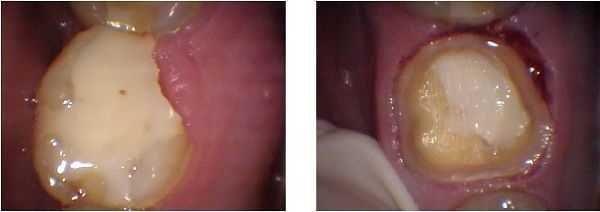
Do they cut your gum for a crown? This is a common concern for patients considering dental crowns, especially when preparation may involve the gum area. Many are apprehensive about the possibility of gum cutting, and it’s important to understand when and why this might be necessary. At Albania Dental Implants, we prioritise patient comfort and provide clear explanations of all procedures, ensuring you’re fully informed and confident in your treatment plan. If you are seeking options for restoring or transforming your smile, we offer comprehensive solutions and affordable dental tourism in Albania.
Understanding the Dental Crown Procedure
When considering a dental crown, it’s essential to understand the overall dental crown procedure. This involves several steps, including assessing the tooth, preparing it, taking impressions, and finally fitting the custom-made crown. But do gums always need to be involved? Let’s break it down.
What is a dental crown and why is it used?
A dental crown is essentially a cap that covers a damaged or weakened tooth. It’s used to restore the tooth’s shape, size, strength, and appearance. Crowns are often recommended when a tooth has extensive decay, is cracked or fractured, or has undergone root canal treatment. They can also be used for cosmetic purposes, such as covering a discoloured or misshapen tooth.
Steps involved in fitting a dental crown
The process of getting a dental crown typically involves these steps:
- Initial Examination: The dentist will examine the tooth and take X-rays to assess the extent of the damage and check for any underlying infections.
- Tooth Preparation: The tooth is carefully reshaped to create space for the crown. This usually involves removing a portion of the outer layer of the tooth.
- Impressions: An impression of the prepared tooth is taken and sent to a dental laboratory, which will fabricate the custom crown.
- Temporary Crown: A temporary crown is placed on the prepared tooth to protect it while the permanent crown is being made.
- Permanent Crown Placement: Once the permanent crown is ready, the temporary crown is removed, and the permanent crown is cemented into place.
Preparation of the tooth—do gums always need to be involved?
In most cases, gum involvement is minimal during standard crown preparation. However, there are situations where the gum tissue might need to be addressed to ensure a proper fit for the crown. This typically occurs when the tooth is broken close to the gum line or if there’s decay extending below the gum line.
Is Gum Cutting Necessary for a Crown?
The need for gum cutting for crowns isn’t always a given. It depends on individual circumstances and the specific condition of the tooth being treated. While it’s not a routine part of every crown procedure, there are cases where it becomes necessary for the long-term success and health of the crown.
Situations where gum tissue may be involved
Gum tissue involvement is more likely in situations like:
- Deep Decay: If decay extends far below the gum line, the dentist needs to access and remove all the infected tissue.
- Tooth Fracture: A fracture that reaches below the gum line can also necessitate gum trimming to expose enough tooth structure for the crown to attach to.
- Short Tooth Structure: Sometimes, if a tooth is too short, there isn’t enough surface area for the crown to properly adhere.
Factors that determine if gum cutting is needed
Several factors influence the decision to involve gum tissue:
- Amount of Remaining Tooth Structure: If there’s insufficient tooth structure above the gum line, cutting the gum might be needed.
- Location of Decay or Fracture: The depth and position of decay or a fracture relative to the gum line are critical.
- Aesthetic Requirements: In some cases, altering the gum line can improve the appearance of the crown, especially in the front teeth.
Explanation of crown lengthening (when and why it’s done)
Crown lengthening is a procedure where gum tissue (and sometimes underlying bone) is removed to expose more of the tooth’s structure. It’s performed when a tooth doesn’t have enough visible surface area for a crown to properly attach. The goal is to create a solid foundation for the crown, ensuring a secure fit and preventing future problems like decay or gum disease. Crown lengthening enhances the retention and longevity of the crown. At Albania Dental Implants, we can assess whether you require crown lengthening, as part of your dental crown treatment plan.
What Happens If the Gum Is in the Way?
If the gum tissue is interfering with the placement of a crown, a procedure like gum surgery for crown placement, or crown lengthening may be necessary. Ignoring this issue can lead to complications down the line, impacting the crown’s fit, aesthetics, and long-term health.
Overview of scenarios (e.g., deep decay, short tooth, fractured tooth)
Here are a few common scenarios where the gum might be in the way:
- Deep Decay: When decay spreads below the gum line, it can be difficult to remove it entirely without addressing the surrounding gum tissue.
- Short Tooth: If a tooth is significantly worn down or naturally short, there might not be enough tooth structure to support a crown effectively.
- Fractured Tooth: A fracture extending beneath the gum line makes it challenging to achieve a secure and sealed crown placement.
How dentists determine if the gum needs to be trimmed
Dentists use several methods to determine if gum trimming or crown lengthening is necessary:
- Visual Examination: A thorough visual inspection can reveal how much tooth structure is available and the position of the gum line.
- X-Rays: Dental X-rays provide a clear picture of the tooth’s root, bone levels, and the extent of decay or fractures.
- Probing: Using a probe, the dentist measures the space between the tooth and gum to assess gum health and attachment levels.
Role of periodontists in crown lengthening procedures
Periodontists are specialists in gum health and are often involved in crown lengthening procedures. They have the expertise to carefully remove gum tissue and, if necessary, reshape the underlying bone to expose more of the tooth’s surface. Their involvement ensures the procedure is performed with precision and minimises the risk of complications. If required, we can arrange for oral surgery in Albania with the assistance of a periodontist.
What to Expect During the Procedure
The process of gum cutting or crown lengthening is typically performed with careful attention to patient comfort. Using dental anesthesia for crowns is essential to manage any potential pain and ensure a positive experience.
Local anesthesia and pain management
Before any gum cutting or crown lengthening begins, a local anesthetic is administered to numb the area. This ensures that you won’t feel any pain during the procedure. The dentist or periodontist will carefully inject the anesthetic around the tooth and gum tissue to be treated. The type of anesthesia used will depend on the extent of the procedure and your individual needs.
Patient experience: what you might feel
During the procedure, you might feel some pressure or movement, but you shouldn’t experience any sharp pain. Most patients describe the sensation as a strange feeling rather than a painful one. Your dentist will constantly check in with you to ensure you’re comfortable. The process of reshaping the gum tissue is precise, and the dentist will take their time to ensure the best possible outcome. Our team at Albania Dental Implants is committed to making your crown experience as pleasant as possible.
Healing timeline and aftercare advice
After the gum cutting or crown lengthening, it’s normal to experience some mild discomfort and swelling. Your dentist will provide you with specific aftercare instructions, which typically include:
- Pain Medication: Over-the-counter pain relievers can help manage any discomfort.
- Saltwater Rinses: Rinsing with warm saltwater helps keep the area clean and promotes healing.
- Soft Diet: Stick to soft foods for a few days to avoid irritating the gums.
- Careful Brushing: Gently brush around the treated area to remove plaque and debris.
The initial healing period usually lasts about one to two weeks. However, complete healing and stabilisation of the gum tissue can take several weeks or months. Regular follow-up appointments with your dentist are important to monitor the healing process and ensure the crown fits properly. At our dental clinic in Albania, we provide comprehensive post-operative care and guidance.
Risks, Recovery, and Healing
While gum cutting and crown lengthening are generally safe procedures, it’s essential to be aware of potential risks of dental crowns and how to manage them. Understanding the recovery process and taking proper care of your gums can minimise complications and ensure successful healing.
Possible side effects of gum cutting/crown lengthening
Some possible side effects of gum cutting or crown lengthening include:
- Swelling and Discomfort: As mentioned earlier, some swelling and discomfort are normal after the procedure.
- Bleeding: You might experience some minor bleeding for the first day or two.
- Sensitivity: The treated area might be more sensitive to hot and cold temperatures for a while.
- Receding Gums: In some cases, the gum line might recede slightly after healing.
Infection risks and prevention
Infection is a potential risk with any surgical procedure. To minimise the risk of infection, it’s important to:
- Follow Aftercare Instructions: Carefully follow your dentist’s instructions for cleaning and caring for the treated area.
- Maintain Good Oral Hygiene: Brush and floss regularly to remove plaque and bacteria.
- Use Antibacterial Mouthwash: Your dentist might recommend an antibacterial mouthwash to help keep the area clean.
- Attend Follow-Up Appointments: Regular check-ups allow your dentist to monitor the healing process and detect any signs of infection early on.
How long does it take for gums to heal after crown-related surgery?
The healing timeline varies from person to person, but here’s a general idea:
- Initial Healing (1-2 weeks): During this time, the swelling and discomfort should gradually subside.
- Soft Tissue Healing (4-8 weeks): The gums will continue to heal and become less sensitive.
- Complete Healing (Several Months): It can take several months for the gums to fully stabilise and reach their final position.
Alternatives to Cutting the Gum for a Crown
In some situations, there may be alternatives to gum cutting for crown placement. However, it’s essential to carefully consider the pros and cons of each option to ensure the best long-term outcome for your tooth.
When alternatives can be considered
Alternatives to gum cutting might be considered when:
- Minimal Decay: If the decay is minimal and doesn’t extend far below the gum line, it might be possible to prepare the tooth without involving the gum tissue.
- Sufficient Tooth Structure: If there’s enough tooth structure above the gum line to support the crown, gum cutting might not be necessary.
- Patient Preference: Some patients might prefer to avoid gum cutting if possible, even if it means exploring alternative options.
Cosmetic vs structural requirements
The choice between gum cutting and alternatives also depends on whether the primary goal is cosmetic or structural. If the main concern is improving the appearance of the tooth, gum cutting might be considered to achieve a more aesthetically pleasing result. However, if the primary goal is to restore the tooth’s strength and function, alternatives that avoid gum cutting might be preferred.
Pros and cons of alternatives
Here are some potential alternatives to gum cutting and their pros and cons:
- Orthodontic Extrusion: This involves slowly pulling the tooth out of the socket to expose more of its structure.
- Pros: Avoids gum cutting, preserves natural tooth structure.
- Cons: Can be time-consuming, requires orthodontic treatment.
- Composite Build-Up: This involves adding composite material to the tooth to increase its height and surface area.
- Pros: Less invasive than gum cutting, relatively quick and inexpensive.
- Cons: Might not be as strong or durable as a crown, might not be suitable for all situations.
Frequently Asked Questions
Here are some common questions patients have about gum cutting and dental crowns. At Albania Dental Implants, we believe it is important to keep our clients informed of all aspects of our implant procedures.
Do they cut your gum for every crown?
No, gum cutting is not a routine part of every crown procedure. It’s only necessary in specific situations where the gum tissue is interfering with proper crown placement or if there isn’t enough tooth structure above the gum line to support the crown.
Is gum cutting painful or dangerous?
Gum cutting, or crown lengthening, is typically performed under local anesthesia, so you shouldn’t feel any pain during the procedure. While there are some potential risks, such as infection or sensitivity, these are rare and can be minimised with proper care and technique.
How do I know if I need gum surgery for a crown?
Your dentist will assess your individual situation and determine if gum surgery is necessary based on factors like the amount of available tooth structure, the location of decay or fractures, and your aesthetic goals. They will explain the reasons for recommending gum surgery and discuss all your options with you.
What is the difference between crown lengthening and regular crown prep?
Regular crown preparation involves reshaping the tooth to create space for the crown. Crown lengthening, on the other hand, involves removing gum tissue (and sometimes bone) to expose more of the tooth’s structure. Crown lengthening is performed when there isn’t enough tooth structure above the gum line to support a crown.
How long does recovery take after gum cutting for a crown?
The initial recovery period after gum cutting typically lasts about one to two weeks, during which time the swelling and discomfort should gradually subside. Complete healing and stabilisation of the gum tissue can take several weeks or months.
Can I avoid gum cutting if I need a crown?
In some cases, it might be possible to avoid gum cutting by exploring alternative options like orthodontic extrusion or composite build-up. However, it’s important to discuss these alternatives with your dentist to determine if they are suitable for your specific situation.
Will cutting the gum affect the longevity of the crown?
In many cases, gum cutting or crown lengthening can actually improve the longevity of the crown by creating a solid foundation and ensuring a secure fit. By exposing more of the tooth’s structure, the crown can adhere properly and prevent future problems like decay or gum disease.
What can I do to make recovery faster or less painful?
You can help speed up your recovery and minimise discomfort by following your dentist’s aftercare instructions carefully. This includes taking pain medication as prescribed, rinsing with warm saltwater, eating soft foods, and practicing gentle oral hygiene.
Considering Dental Crowns? Choose Albania Dental Implants
If you’re considering a dental crowns and want to ensure the best possible outcome, choose Albania Dental Implants. We offer comprehensive dental services, including expert crown placement, with a focus on patient comfort and long-term oral health. Contact us today to schedule a consultation and discover how we can help you achieve a healthy, confident smile.