



Dentistry Implant – Comprehensive Guide to Dental Implants
What Is a Dentistry Implant?
Understanding the dental implant definition is key to exploring your tooth replacement options. When researching types of dental implants or simply asking, what is a dental implant, it’s important to understand the terminology. The term “dentistry implant” is often used interchangeably with “dental implant.” Both terms refer to the same procedure.
Main Types of Dental Implants
- Endosteal Implants: These are the most common type, placed directly into the jawbone. They are suitable for most patients with good bone density.
- Subperiosteal Implants: These are placed under the gum but on or above the jawbone. They are used less frequently, typically when a patient has insufficient bone height for endosteal implants.
How Dentistry Implants Differ
How do dentistry implants differ from other tooth replacement options? Unlike dentures or bridges, dental implants are surgically anchored into the jawbone, providing unparalleled stability and longevity. They function and feel more like natural teeth, offering a permanent solution to tooth loss. If you’re looking for a lasting solution, consider a trip to Albania Dental Implants, where you can receive high-quality treatment at an affordable price.
How Does a Dentistry Implant Work?
Understanding how dental implants work involves knowing the key components and the implant procedure steps. The process of implant integration is crucial for the success of the implant. Here’s a breakdown:
Key Components of a Dentistry Implant
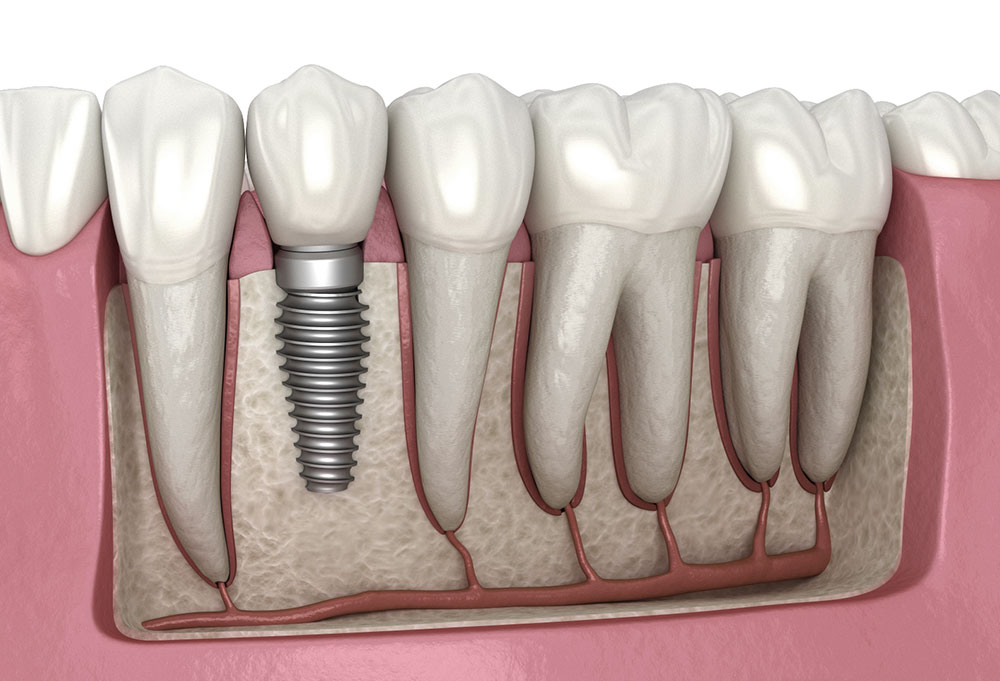
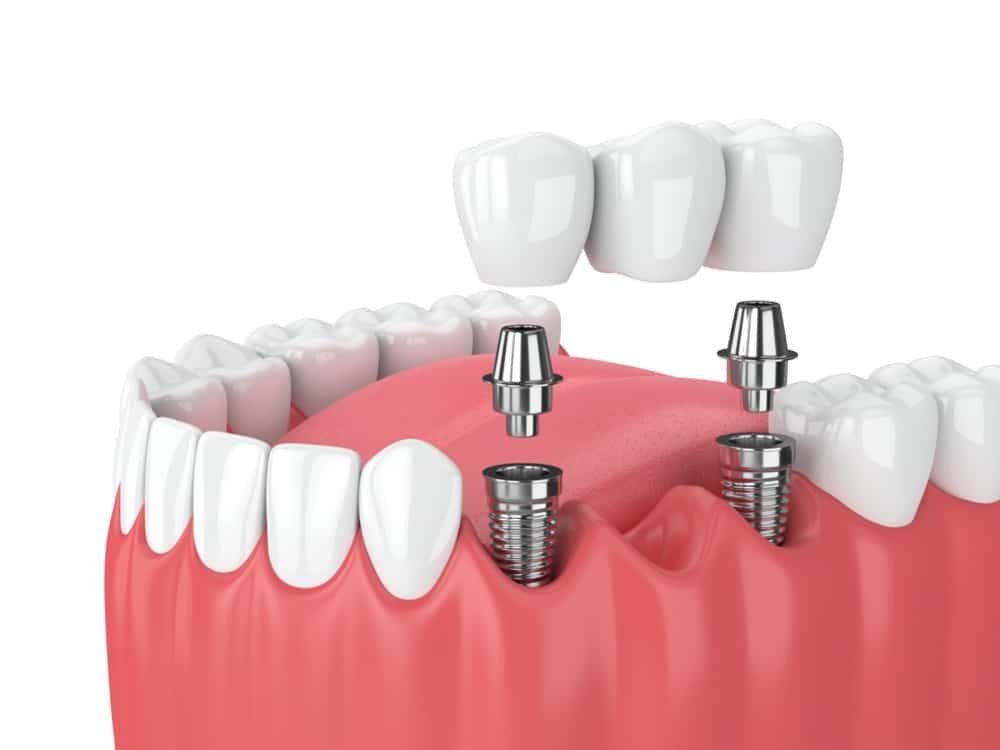
- Implant: A titanium post that fuses with the jawbone, acting as the artificial root.
- Abutment: A connector that attaches the implant to the crown.
- Crown: The artificial tooth that looks and functions like a natural tooth.
Overview of the Implant Procedure
- Consultation: A thorough examination and assessment to determine if you are a suitable candidate.
- Placement: The implant is surgically placed into the jawbone. For a full mouth restoration, explore options like full mouth reconstruction in Albania.
- Healing (Osseointegration): The implant fuses with the jawbone over several months.
- Restoration: The abutment is attached, and the crown is placed, completing the restoration.
The success of a dentistry implant relies on osseointegration, where the bone grows around the implant, providing a solid foundation for the artificial tooth. This process ensures the implant remains stable and functions effectively for many years.
Who Is a Candidate for a Dentistry Implant?
Determining the implant candidate criteria is crucial before moving forward with the procedure. Assessing bone density requirements and exploring tooth loss solutions are key aspects of this evaluation.
Health and Bone Requirements
A good candidate for a dentistry implant generally has good overall health, adequate bone density in the jaw, and healthy gum tissue. Certain medical conditions, such as uncontrolled diabetes or severe immune deficiencies, can affect the success of the implant.
Factors Affecting Eligibility
- Age: While there’s no strict upper age limit, younger patients may need to wait until their jawbone has fully developed. To determine if you are not too old, review the article, ” is 60 too old for dental implants“.
- Health: Certain health conditions and medications can impact the healing process.
- Jawbone Quality: Sufficient bone density is essential to support the implant. If bone density is lacking, a bone grafting in Albania procedure may be necessary.
It’s essential to consult with a qualified dentist to determine if you meet the necessary criteria for a successful dentistry implant. They will assess your individual needs and provide personalized recommendations.
Benefits of Dentistry Implants
Exploring the dental implant benefits will highlight why they are a preferred tooth replacement option. Understanding the advantages of dental implants and their impact on oral health improvement is crucial for making an informed decision.
Comparison to Dentures and Bridges
Compared to dentures and bridges, dentistry implants offer several advantages:
- Stability: Implants are anchored in the jawbone, providing superior stability compared to removable dentures.
- Longevity: With proper care, implants can last a lifetime, unlike bridges that may need replacement.
- Bone Health: Implants stimulate bone growth, preventing bone loss that can occur with dentures.
Functional, Health, and Cosmetic Benefits
- Functional: Restore the ability to chew and speak comfortably.
- Health: Improve oral hygiene and prevent bone loss.
- Cosmetic: Enhance your smile with natural-looking replacement teeth. If you are interested, consider dental tourism in Albania.
The functional and aesthetic benefits of dentistry implants can significantly improve your quality of life. They provide a long-term solution that feels and functions like natural teeth.
Risks and Considerations
Understanding dental implant risks is essential for making an informed decision. Exploring potential complications and oral surgery side effects will help you prepare for the procedure.
Common and Rare Complications
- Infection: Can occur at the implant site.
- Nerve Damage: May cause temporary or permanent numbness or tingling.
- Sinus Problems: More common with upper jaw implants.
- Implant Failure: Can occur if the implant doesn’t properly fuse with the bone.
How to Minimize Risks
- Choose a Qualified Dentist: Ensure your dentist has extensive experience in implant procedures.
- Follow Aftercare Instructions: Proper oral hygiene is crucial for preventing infection and promoting healing.
- Attend Regular Check-ups: Regular dental visits can help detect and address any potential issues early on.
Cost/Insurance Considerations
The cost of dentistry implants can be a significant factor. It’s essential to check with your insurance provider to understand your coverage options. Many dental insurance plans may cover a portion of the implant cost, while others may not.
Dentistry Implant Aftercare and Longevity
Proper dental implant care is essential for ensuring the implant maintenance and maximizing the implant lifespan. Following these guidelines will help you enjoy the benefits of your implants for years to come.
Oral Hygiene Tips
- Brush Regularly: Use a soft-bristled toothbrush to clean your implants and surrounding teeth.
- Floss Daily: Use dental floss or interdental brushes to clean between implants and teeth.
- Use an Antimicrobial Mouthwash: Helps to reduce bacteria and prevent infection.
How Long Implants Last
With proper care, dentistry implants can last a lifetime. Regular dental check-ups and good oral hygiene habits are key to their longevity. Factors such as smoking, poor diet, and certain medical conditions can affect their lifespan. You might be wondering, ” how long do dental implants last?”
Signs of Implant Problems
Be aware of the following signs of implant problems:
- Pain or Discomfort: Persistent pain around the implant site.
- Swelling or Inflammation: Redness and swelling around the gums.
- Loose Implant: Feeling movement or instability in the implant.
- Gum Recession: Gums pulling away from the implant.
If you experience any of these issues, consult your dentist immediately. Early detection and treatment can prevent further complications and ensure the long-term success of your dentistry implant.
Cost of Dentistry Implants in the UK
Understanding the dental implant cost UK is essential for budgeting for this procedure. Exploring private dentist fees and the availability of NHS implants will help you make an informed decision.
Price Range Overview
The cost of a dentistry implant in the UK can vary significantly, typically ranging from £2,000 to £4,000 per implant. This price includes the implant, abutment, and crown. Full mouth restoration options like all on 4 dental implants in Albania can offer more affordable solutions.
Factors Impacting Cost
- Materials: The type of materials used for the implant and crown can affect the cost.
- Procedures: Additional procedures such as bone grafting or sinus lifts can increase the overall cost.
- Location: Prices can vary depending on the location of the dental practice.
NHS Coverage vs. Private Options
Dental implants are rarely covered by the NHS, except in cases of medical necessity. Private dental practices offer a wider range of implant options and services, but at a higher cost.
Choosing the Right Dentist for Implants
Selecting the best dental implant dentist is crucial for ensuring a successful procedure. Knowing how to choose implant dentist and finding an accredited implant surgeon will help you make the right decision.
Skills and Qualifications to Look For
- Experience: Look for a dentist with extensive experience in implant procedures.
- Qualifications: Ensure the dentist has the necessary qualifications and certifications.
- Technology: Choose a practice that utilizes advanced technology for accurate diagnostics and treatment planning.
Questions to Ask During Consultation
- What is your experience with implant procedures?
- What type of implants do you use?
- What is the success rate of your implants?
- What are the potential risks and complications?
- What is the total cost of the procedure, including all components and follow-up care?
Alternatives to Dentistry Implants
Exploring the dental bridge and removable dentures options is essential for understanding all available tooth replacement options.
Pros and Cons of Alternatives
- Dental Bridges: These are fixed appliances that anchor to adjacent teeth. They are less expensive than implants but may require altering healthy teeth.
- Removable Dentures: These are removable appliances that replace multiple teeth. They are more affordable but can be less stable and comfortable than implants.
Each alternative has its own set of advantages and disadvantages. Consider your individual needs and preferences when making a decision. You may want to review the article, ” what is the best alternative to dental implants?”
Dentistry Implant FAQ
How long does a dentistry implant last?
With proper care and maintenance, a dentistry implant can last a lifetime. Regular dental check-ups, good oral hygiene, and a healthy lifestyle are essential for ensuring the longevity of your implant. Factors such as smoking, poor diet, and certain medical conditions can reduce its lifespan.
Does getting a dentistry implant hurt?
Most patients report minimal discomfort during the dentistry implant procedure, as it is typically performed under local anaesthesia. Some post-operative pain and swelling are normal, but they can be managed with pain medication. Your dentist will provide specific instructions to ensure a comfortable recovery.
How do I know if I am suitable for a dentistry implant?
Determining your suitability for a dentistry implant requires a thorough evaluation by a qualified dentist. Factors such as your overall health, bone density, gum health, and lifestyle habits will be assessed to determine if you are a good candidate. A comprehensive examination and consultation are essential for making this determination.
What is the recovery time after a dentistry implant?
The recovery time after a dentistry implant can vary depending on individual factors and the complexity of the procedure. Generally, the initial healing period lasts for a few weeks, during which you may experience some discomfort, swelling, and bruising. Osseointegration, the process of the implant fusing with the jawbone, can take several months. Your dentist will provide specific instructions and follow-up appointments to monitor your progress.
Can a dentistry implant fail?
Yes, a dentistry implant can fail, although the success rate is generally high. Factors that can contribute to implant failure include infection, poor bone quality, nerve damage, smoking, and certain medical conditions. Following your dentist’s aftercare instructions and maintaining good oral hygiene can significantly reduce the risk of failure.
How much do implants cost in the UK?
The cost of dentistry implants in the UK can vary widely depending on factors such as the type of implant, the complexity of the procedure, and the location of the dental practice. On average, a single implant can cost between £2,000 and £4,000. Full mouth restoration options can range from £10,000 to £30,000 or more.
Are implants available on the NHS?
Dental implants are rarely available on the NHS, except in cases of medical necessity. Most patients obtain implants through private dental practices, which offer a wider range of options and services but at a higher cost. To see if the NHS can help with the costs, see “can NHS pay for my dental implants?”
What materials are used for implants?
Dental implants are typically made of titanium, a biocompatible material that fuses well with bone. The abutment, which connects the implant to the crown, can be made of titanium, gold, or ceramic. The crown itself can be made of porcelain, ceramic, or composite resin, depending on the desired aesthetics and durability.
Will I need a bone graft?
You may need a bone graft if you have insufficient bone density in your jaw to support the dentistry implant. A bone graft involves transplanting bone tissue to the area where the implant will be placed. This procedure can increase the stability and success rate of the implant.
How do dental implants compare to bridges?
Dental implants and bridges are both options for replacing missing teeth, but they have several key differences. Implants are surgically anchored into the jawbone, providing superior stability and longevity. Bridges, on the other hand, are fixed appliances that anchor to adjacent teeth, which may require altering healthy teeth. Implants also stimulate bone growth, preventing bone loss, while bridges do not.
Ready to Restore Your Smile? Contact Albania Dental Implants Today!
Don’t let missing teeth hold you back any longer. At Albania Dental Implants, we offer high-quality, affordable dentistry implant solutions to help you regain your smile and confidence. Contact us today to schedule a consultation and learn more about our services.