



Molar Implants: Your Complete Guide to Replacing Missing Back Teeth
Molar implants offer a permanent and reliable solution for replacing missing back teeth, restoring your chewing function and preventing future dental problems. If you’re considering this treatment, this guide provides everything you need to know to make an informed decision, from understanding the procedure to exploring costs and alternatives, and why choosing Albania Dental Implants can be the best choice.
Introduction
Losing a molar can significantly impact your ability to chew properly, affecting your diet and overall health. It can also lead to shifting of adjacent teeth, causing bite problems and increasing the risk of decay. Fortunately, molar implants provide a durable and aesthetically pleasing solution. They not only restore the functionality of your bite but also help maintain the structure and health of your jawbone. At Albania Dental Implants, we offer a comprehensive range of Albania Dental Implants Services to help you regain your confident smile.
- Restored Function: Improve chewing and speech.
- Enhanced Aesthetics: Achieve a natural-looking smile.
- Improved Oral Health: Prevent teeth shifting and bone loss.
What are molar implants?
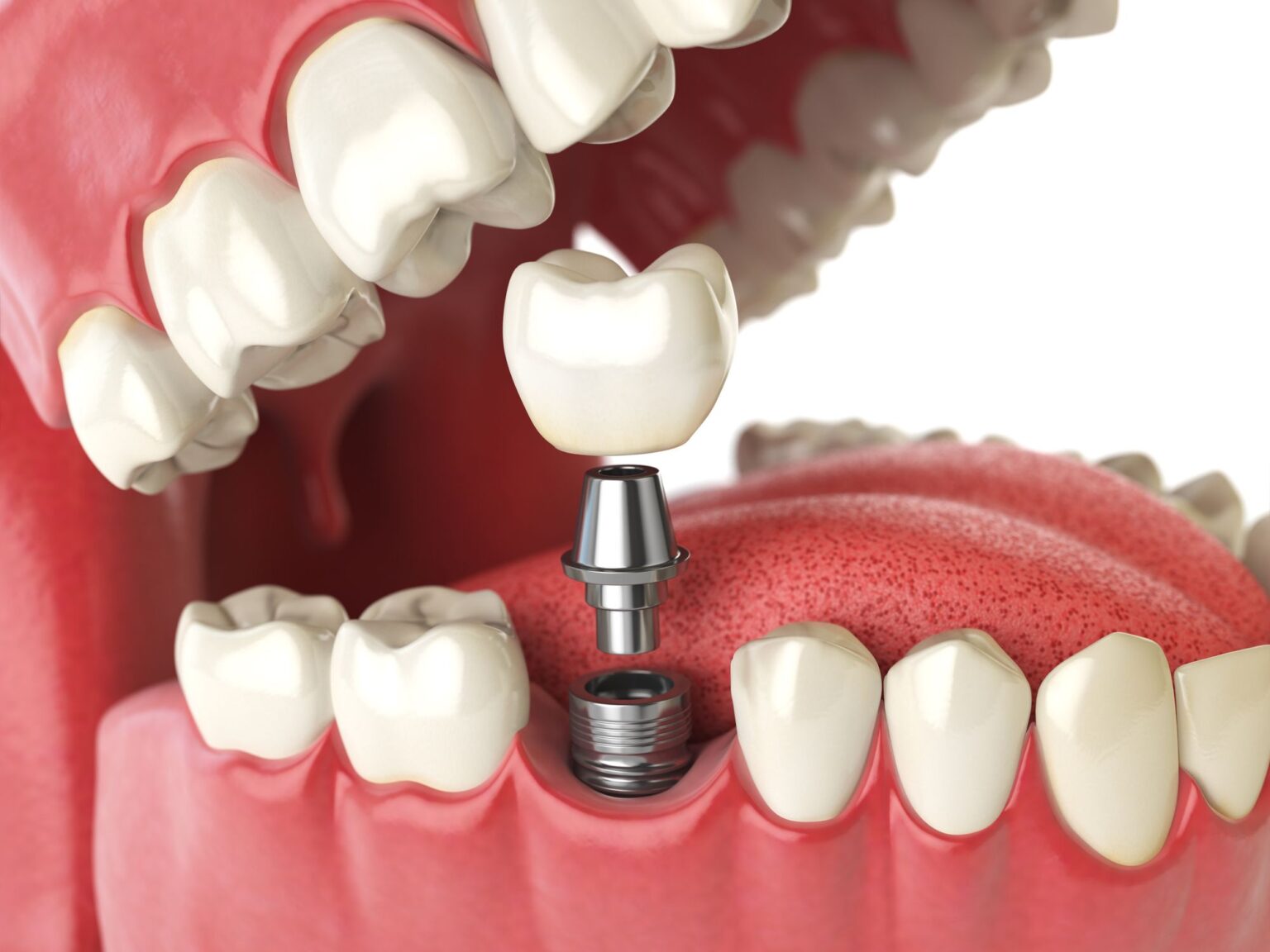
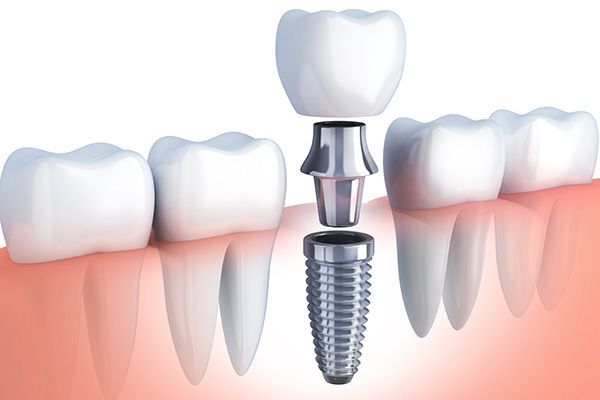
Molar implants are artificial tooth roots, typically made of titanium, surgically placed into the jawbone to support a replacement molar. They consist of three main components: the implant post, the abutment (which connects the post to the crown), and the crown itself (the visible part of the tooth).
Importance of replacing missing back teeth
Replacing missing molars is crucial for maintaining overall oral health. Molars play a vital role in chewing, and when they are missing, it can lead to:
- Difficulty chewing: Affecting your diet and nutrient intake.
- Shifting of adjacent teeth: Causing bite problems and potential jaw pain.
- Bone loss in the jaw: Leading to facial structure changes over time.
- Increased risk of decay and gum disease: Due to difficulty cleaning around shifted teeth.
Furthermore, neglecting to replace missing molars can also affect your self-esteem and social interactions due to aesthetic concerns and difficulty speaking clearly.
Who typically needs molar implants?
Candidates for molar implants are typically individuals who have lost one or more molars due to:
- Tooth decay: Severe decay that cannot be treated with fillings or root canals.
- Gum disease: Advanced periodontal disease leading to tooth loss.
- Injury or trauma: Accidents resulting in tooth extraction.
- Failed root canal: When a previously treated tooth cannot be saved.
Ideal candidates should have sufficient bone density in the jaw to support the implant, be in good overall health, and committed to maintaining excellent oral hygiene.
What are Molar Implants?
Understanding dental implants for molars involves knowing what they are and how they differ from implants for other teeth. Molars, being larger and bearing the brunt of chewing forces, require implants that are robust and precisely placed.
Definition: dental implants for molars
Dental implants for molars are prosthetic tooth roots that are surgically inserted into the jawbone in place of missing molars. These implants provide a stable foundation for replacement teeth that look, feel, and function like natural teeth. Because molars are located at the back of the mouth and are critical for chewing, their replacements must be durable and capable of withstanding significant pressure.
Key differences compared to implants for other teeth
Molar implants differ from implants used for front teeth (incisors and canines) in several key aspects:
- Size and Strength: Molar implants are typically larger and wider to withstand the greater forces of chewing.
- Placement Angle: Due to the location and angle of molars in the jaw, the implant may require a specific angle of placement to ensure optimal support and alignment.
- Bone Density: The bone density in the molar region tends to be higher, which can affect the type and technique of implant placement.
Anatomy of a molar implant (implant post, abutment, crown)
A typical molar implant consists of three main parts:
- Implant Post: This is the titanium screw that is surgically implanted into the jawbone, serving as the artificial root. Titanium is used because it is biocompatible and fuses well with bone through a process called osseointegration.
- Abutment: This is a connector piece that attaches to the implant post and extends above the gum line. It serves as the base for the crown.
- Crown: The crown is the visible part of the replacement tooth, custom-made to match the shape, size, and color of your natural teeth. It is typically made of porcelain, ceramic, or a combination of materials for durability and aesthetic appeal.
Understanding these components helps in appreciating the overall function and stability provided by molar implants.
Who is a Candidate for Molar Implants?
Determining who can get molar implants is a crucial step before proceeding with the treatment. Several factors are considered to ensure the success and longevity of the implant.
Assessment: jawbone health, age, medical history
To determine if you are a suitable candidate for molar implants, a thorough assessment is required, including:
- Jawbone Health: Adequate bone density and volume are essential to support the implant. A CT scan or X-ray will be used to evaluate the bone structure. If bone loss is present, a bone grafting in albania procedure may be necessary.
- Age: While there is no upper age limit, younger patients may need to wait until their jawbone has fully developed before considering implants.
- Medical History: Certain medical conditions, such as uncontrolled diabetes, autoimmune disorders, and smoking, can affect the success of the implant. A comprehensive medical history will be reviewed to assess any potential risks.
Suitability of molar implants vs. other types
The suitability of molar implants compared to other tooth replacement options, such as dentures or bridges, depends on several factors:
- Stability and Function: Implants offer superior stability and chewing function compared to dentures, making them ideal for molars which endure heavy biting forces.
- Long-Term Health: Unlike bridges, implants do not require altering adjacent teeth, preserving their natural structure and preventing potential damage.
- Bone Preservation: Implants stimulate bone growth, preventing bone loss that can occur with dentures or bridges.
- Overall Cost: While the initial cost of implants may be higher, their longevity and long-term health benefits can make them a cost-effective option over time.
The Molar Implant Procedure Explained
The procedure for molar implants is a multi-step process that typically spans several months. Knowing what to expect at each stage can help alleviate anxiety and ensure a smoother experience.
Step-by-step overview: consultation, imaging, surgery, healing, crown placement
The molar implant process generally involves the following steps:
- Consultation: An initial consultation with an implant dentist to assess your oral health, discuss your goals, and determine if you are a suitable candidate for implants.
- Imaging: X-rays and CT scans are taken to evaluate the jawbone and plan the implant placement.
- Surgery: The implant post is surgically inserted into the jawbone under local anesthesia. In some cases, bone grafting may be performed simultaneously if bone density is insufficient. We understand that dental procedures can be daunting, which is why at Albania Dental Implants, we also offer sedation dentistry to help ease anxiety.
- Healing (Osseointegration): A period of 3-6 months is required for the implant post to fuse with the jawbone through a process called osseointegration.
- Abutment Placement: Once osseointegration is complete, an abutment is attached to the implant post.
- Crown Placement: Finally, a custom-made crown is attached to the abutment, completing the restoration.
Surgery specifics for molars (bone density, sinus proximity for uppers)
Molar implant surgery has specific considerations due to the location and function of molars:
- Bone Density: Ensuring adequate bone density in the molar region is critical. If bone loss is present, a bone grafting procedure may be necessary before implant placement.
- Sinus Proximity (for Upper Molars): The upper molars are located close to the sinuses. In some cases, a sinus lift procedure may be required to create enough space for the implant without damaging the sinus membrane. A sinus lift in albania can help create more room for the implant.
Pain management and anaesthesia
Pain management during and after molar implant surgery is a priority. Local anesthesia is typically used during the procedure to numb the area. Sedation options, such as nitrous oxide, oral sedatives, or IV sedation, may be offered to help patients relax. After the surgery, over-the-counter or prescription pain medication can be used to manage any discomfort.
How long does the molar implant process take from start to finish?
The entire molar implant process, from initial consultation to final crown placement, can take anywhere from 6 to 9 months or longer, depending on individual circumstances and the need for additional procedures like bone grafting or sinus lifts. The majority of this time is dedicated to the healing and osseointegration process, which is crucial for the long-term success of the implant.
Cost of Molar Implants in the UK
Understanding the cost of molar implants is an important consideration for many patients in the UK. The price can vary significantly depending on several factors, and it’s important to have a clear understanding of what to expect.
Typical price range (private, NHS context)
The cost of molar implants in the UK can vary widely:
- Private Clinics: The typical price range for a single molar implant in a private clinic is £2,500 to £4,000, including the implant post, abutment, and crown. The dental implant cost can vary based on the materials used and the complexity of the case.
- NHS: Molar implants are rarely available on the NHS, and if they are, it’s usually only in cases of significant medical need, such as after cancer surgery or severe trauma.
What factors influence molar implant cost?
Several factors can influence the cost of molar implants:
- Number of Implants: The more implants needed, the higher the overall cost.
- Material: The type of material used for the implant post, abutment, and crown can affect the price. Titanium implants are generally more expensive than zirconia implants, while porcelain or ceramic crowns are pricier than composite resin crowns.
- Complexity: Complex cases requiring bone grafting, sinus lifts, or other additional procedures will increase the cost.
- Location: The geographic location of the dental clinic can also impact the price, with London and other major cities typically having higher costs.
- Dentist’s Experience: More experienced and specialized implant dentists may charge higher fees.
Are molar implants available on the NHS?
NHS molar implants are very rarely provided and are typically limited to cases where there is a clear medical need, such as:
- Reconstruction after cancer surgery: When tooth loss is a direct result of cancer treatment.
- Severe trauma: Accidents causing significant tooth loss.
- Congenital conditions: Rare genetic disorders affecting tooth development.
Even in these cases, approval is not guaranteed and depends on the availability of funding and the specific criteria of the local NHS trust.
How much do molar implants cost in the UK, and are they available on the NHS?
Molar implants in the UK typically range from £2,500 to £4,000 per implant in private clinics. The NHS rarely covers the cost of molar implants, except in very specific medical cases. This is because the NHS prioritizes treatments that are deemed essential for maintaining basic oral health, and dental implants are often considered a cosmetic or elective procedure. For those seeking more affordable options, Albania Dental Implants offers quality services at a reduced cost.
Recovery & Aftercare
Proper recovery after molar implant surgery and diligent aftercare are essential for ensuring the success and longevity of your implant.
Timeline of healing
The healing timeline after molar implant surgery typically involves:
- First Week: Initial healing of the gum tissue, with potential swelling and discomfort.
- 2-3 Weeks: Gradual reduction of swelling and discomfort, with sutures dissolving or being removed.
- 3-6 Months: Osseointegration, the process of the implant fusing with the jawbone, which requires patience and adherence to post-operative instructions.
- After 6 Months: Final crown placement and long-term maintenance.
Common post-op symptoms
Common post-operative symptoms after molar implant surgery include:
- Swelling: Around the cheek, jaw, and mouth.
- Discomfort or pain: Which can be managed with pain medication.
- Bruising: On the skin around the surgical site.
- Bleeding: Minor bleeding from the surgical site.
Essential aftercare steps
Following these aftercare steps is crucial for a smooth recovery:
- Medication: Take prescribed antibiotics and pain medication as directed.
- Diet: Stick to a soft diet for the first few days to avoid putting pressure on the implant site.
- Oral Hygiene: Gently brush your teeth, avoiding the surgical site, and use an antiseptic mouthwash.
- Cold Compress: Apply a cold compress to the cheek to reduce swelling.
- Rest: Get plenty of rest and avoid strenuous activities.
- Follow-Up: Attend all scheduled follow-up appointments with your dentist.
When to return to normal eating/chewing
You can gradually return to normal eating and chewing habits as the implant site heals. Start with soft foods and slowly introduce more solid foods over several weeks. Avoid hard, crunchy, or sticky foods that could damage the implant or irritate the gums.
Longevity & Success Rate
Understanding the molar implant lifespan and success rate can provide confidence in the long-term benefits of this treatment.
How long do molar implants last?
Molar implants are designed to be a long-term solution for tooth replacement. With proper care and maintenance, they can last for 25 years or even a lifetime. The longevity of molar implants depends on factors such as oral hygiene, lifestyle habits, and overall health. For further reading, see how long do dental implants last?.
Success rates vs. other tooth replacements
Molar implants have a high success rate compared to other tooth replacement options like dentures and bridges:
- Implants: Have a success rate of 95% or higher over 10 years.
- Bridges: Typically last 5-10 years and require altering adjacent teeth.
- Dentures: Can last 5-10 years but may require frequent adjustments and do not prevent bone loss.
Lifestyle factors impacting longevity
Certain lifestyle factors can affect the molar implant lifespan:
- Oral Hygiene: Regular brushing, flossing, and dental check-ups are essential for preventing gum disease and maintaining implant health.
- Smoking: Smoking can increase the risk of implant failure due to reduced blood flow to the gums and bone.
- Diet: A healthy diet that is low in sugar and acidic foods can help prevent decay and gum disease.
- Grinding or Clenching: Teeth grinding or clenching (bruxism) can put excessive pressure on the implant, potentially leading to damage or failure. A night guard may be recommended to protect the implant.
Risks and Potential Complications
While molar implants are generally safe and effective, it’s important to be aware of the potential risks and complications.
Infection, bone loss, nerve damage
Potential risks and complications of molar implants include:
- Infection: Infection at the implant site can occur, especially if proper oral hygiene is not maintained. This can lead to implant failure.
- Bone Loss: Insufficient bone support or bone loss around the implant can compromise its stability.
- Nerve Damage: Damage to nerves during implant placement can cause pain, numbness, or tingling in the gums, teeth, lips, or chin.
Risks unique to molar region
The molar region has specific risks due to its location and function:
- Sinus Proximity (Upper Molars): As mentioned earlier, the upper molars are close to the sinuses, increasing the risk of sinus-related complications.
- Bone Density: Ensuring adequate bone density in the molar region is crucial, and bone grafting may be necessary.
- Chewing Forces: Molars endure heavy chewing forces, which can put stress on the implant and increase the risk of damage or failure.
Preventing and addressing complications
To prevent and address complications, it’s important to:
- Choose an Experienced Dentist: Select a qualified and experienced implant dentist who can properly assess your case and perform the surgery with precision.
- Maintain Excellent Oral Hygiene: Follow your dentist’s instructions for brushing, flossing, and using antiseptic mouthwash.
- Attend Regular Check-Ups: Visit your dentist for regular check-ups and cleanings to monitor the health of your implant.
- Report Any Issues: If you experience any pain, swelling, or other unusual symptoms, contact your dentist immediately.
Alternatives to Molar Implants
While molar implants are often the preferred solution for replacing missing back teeth, several alternatives exist.
Dental bridges
Dental bridges are a traditional option for replacing missing teeth. A bridge consists of a false tooth (pontic) that is held in place by crowns on the adjacent teeth (abutments).
- Pros:
- Lower initial cost compared to implants.
- Shorter treatment time.
- Cons:
- Requires altering adjacent teeth, potentially weakening them.
- Does not prevent bone loss.
- Typically lasts 5-10 years and may need to be replaced.
Dentures
Dentures are removable appliances that can replace multiple missing teeth. Partial dentures are used when some natural teeth remain, while full dentures are used when all teeth are missing.
- Pros:
- Lower cost compared to implants.
- Non-invasive procedure.
- Cons:
- Can be uncomfortable and unstable.
- May affect speech and taste.
- Does not prevent bone loss and may accelerate it.
- Requires frequent adjustments and replacements.
Doing nothing (implications for oral health)
Choosing to do nothing and leaving a missing molar unreplaced can have significant implications for oral health:
- Shifting of adjacent teeth: Causing bite problems and potential jaw pain.
- Bone loss in the jaw: Leading to facial structure changes over time.
- Increased risk of decay and gum disease: Due to difficulty cleaning around shifted teeth.
- Difficulty chewing: Affecting your diet and nutrient intake.
Pros and cons of each
Here’s a comparison of the pros and cons of each option:
- Molar Implants:
- Pros: Long-lasting, stable, preserves bone, natural-looking and functioning.
- Cons: Higher initial cost, longer treatment time, requires surgery.
- Dental Bridges:
- Pros: Lower initial cost, shorter treatment time.
- Cons: Requires altering adjacent teeth, does not prevent bone loss, shorter lifespan.
- Dentures:
- Pros: Lower cost, non-invasive.
- Cons: Uncomfortable, unstable, affects speech and taste, accelerates bone loss.
What alternatives exist to replacing a missing molar?
The main alternatives to replacing a missing molar include dental bridges and dentures. Bridges involve anchoring a false tooth to adjacent teeth, while dentures are removable appliances that can replace multiple teeth. However, these options may not offer the same stability, longevity, and bone-preserving benefits as molar implants. For more on alternatives, visit what is the best alternative to dental implants?.
Conclusion
Molar implants are a highly effective solution for replacing missing back teeth, offering numerous benefits in terms of functionality, aesthetics, and long-term oral health. While the initial cost may be higher than other options, the longevity and superior quality of life make them a worthwhile investment. Choosing Albania Dental Implants ensures you receive top-quality care and affordable treatment, combining expert services with the advantages of dental tourism in albania.
Summary of benefits, key considerations
- Benefits: Improved chewing function, enhanced aesthetics, prevention of teeth shifting and bone loss, long-term solution.
- Key Considerations: Cost, treatment time, bone density, overall health, commitment to oral hygiene.
If you’re ready to restore your smile and improve your oral health with molar implants, we encourage you to take the next step.
Call to action: book a consultation with a qualified implant dentist
Contact us today to book a consultation with one of our qualified implant dentists. We’ll assess your individual needs and develop a personalized treatment plan to help you achieve a healthy, confident smile. Discover the advantages of our dental clinic in albania and let us guide you toward a brighter, healthier future. Contact Albania Dental Implants today!





