




Implants Dental: Your Complete Guide to Modern Tooth Replacement
Implants dental are the most advanced solution for replacing missing teeth and restoring your smile. If you’re seeking a permanent, natural-looking way to regain your confidence and oral health, this comprehensive guide, brought to you by Albania Dental Implants, is for you. We’ll explore everything you need to know about dental implants, from the procedure and types available to costs, benefits, and how you can achieve a stunning smile with affordable dental tourism in Albania.
What Are Dental Implants?
Tooth implant, teeth implants, single tooth implant, dental prosthesis
Dental implants, also known as teeth implants, offer a permanent solution for missing teeth. Unlike dentures or bridges, a tooth implant replaces both the tooth and its root, providing superior stability and a natural feel. A single tooth implant is a versatile treatment option.
Definition, Materials, and Anatomy of an Implant
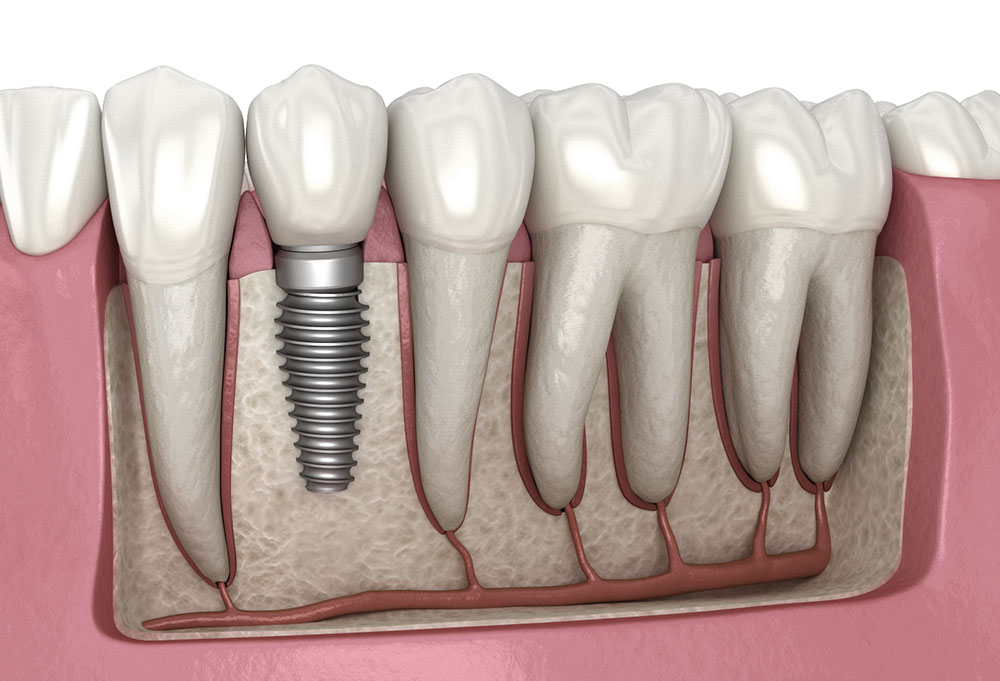
A dental implant is essentially an artificial tooth root, typically made of biocompatible titanium. This titanium post is surgically placed into your jawbone, where it fuses with the bone over time through a process called osseointegration. Once fused, it acts as a sturdy anchor for a replacement tooth (crown). The anatomy of a dental implant consists of three main parts:
- The Implant: The titanium screw that is surgically placed in the jawbone.
- The Abutment: A connector piece that attaches to the implant and supports the crown.
- The Crown: The artificial tooth that is custom-made to match the color, shape, and size of your natural teeth.
These individual parts connect to form the dental prosthesis that offers a durable and robust replacement for your lost tooth.
Benefits of Implants Dental
Permanent tooth replacement, implant advantages, dental implants vs dentures
Opting for implants dental, offers a multitude of benefits over traditional tooth replacement options like dentures. Beyond restoring your smile, dental implants significantly improve your oral health, functionality, and overall quality of life.
Durability, Aesthetics, and Oral Health Benefits
Here’s a look at some of the key implant advantages:
- Permanent Tooth Replacement: Dental implants are designed to be a lifelong solution for missing teeth, unlike dentures that may need to be replaced every few years.
- Enhanced Aesthetics: Implants dental look and feel like natural teeth, providing you with a confident and natural-looking smile.
- Improved Oral Health: Unlike bridges that require altering adjacent teeth, implants dental don’t affect surrounding teeth, preserving your natural tooth structure and making it easier to maintain good oral hygiene.
- Eating and Chewing Comfort: With dental implants, you can enjoy all your favorite foods without worrying about slippage or discomfort, a common concern with dentures.
For example, according to the American Academy of Implant Dentistry, dental implants have a success rate of over 95%, making them a highly reliable and durable option for permanent tooth replacement. Patients who opt for dental implants often report an increased level of confidence and satisfaction due to the natural look and feel.
Am I a Suitable Candidate for Dental Implants?
Implant eligibility, missing teeth options, oral surgery, dental bone graft
Determining your implant eligibility is a crucial first step in the dental implant journey. While dental implants are a suitable option for many, certain factors can affect the success of the procedure. Factors like the need for oral surgery or a dental bone graft may affect implant eligibility.
Health Conditions, Bone Density, Age, and Pre-Treatment Assessment
Here are some key considerations to determine if you are a good candidate for dental implants:
- Overall Health: Good general health is essential for successful implant placement. Conditions like uncontrolled diabetes, severe heart disease, or certain autoimmune disorders can affect healing and osseointegration.
- Bone Density: Adequate bone density in the jawbone is crucial for supporting the implant. If you have experienced bone loss due to missing teeth or other factors, a bone graft may be necessary to create a stable foundation for the implant.
- Age: While there is no upper age limit for dental implants, younger patients may need to wait until their jawbone has fully developed before undergoing the procedure.
- Commitment to Oral Hygiene: Maintaining good oral hygiene is essential for the long-term success of dental implants. You should be committed to brushing, flossing, and attending regular dental check-ups.
A comprehensive pre-treatment assessment, including a thorough medical history, clinical examination, and radiographic imaging (such as X-rays or CT scans), is necessary to determine your suitability for implants dental. At Albania Dental Implants, we provide comprehensive evaluations to ensure the best possible outcome for our patients.
The Dental Implant Procedure: Step by Step
Implant surgery, tooth extraction, implant healing time, aftercare
Understanding the dental implant procedure, including the implant surgery itself, from start to finish can help alleviate any anxieties and allow you to prepare effectively for your journey to a restored smile. From the initial consultation to the final restoration, each step plays a vital role in ensuring a successful outcome.
Initial Consultation, Surgical Placement, Recovery Stages, and Final Restoration
Here’s a breakdown of the typical steps involved in the process for dental implants:
- Initial Consultation: Your dentist will evaluate your oral health, discuss your treatment goals, and determine if you are a suitable candidate for dental implants.
- Tooth Extraction (if necessary): If the tooth in the implant area needs to be removed, this will be done prior to implant placement.
- Surgical Placement: The implant will then be surgically placed into your jawbone under local anesthesia. In some cases, a bone graft may be performed simultaneously to ensure adequate bone support.
- Recovery Stages: The implant healing time, known as osseointegration, typically takes 3-6 months, during which the implant fuses with the jawbone. Temporary crowns can be placed to allow you to have teeth during the healing process.
- Final Restoration: Once osseointegration is complete, an abutment is attached to the implant, and a custom-made crown is placed on top, completing your new tooth.
The entire process, including implant healing time, can take several months, but the result is a permanent and natural-looking tooth replacement. Following proper aftercare instructions and maintaining good oral hygiene are essential for the long-term success of your dental implant.
Types of Dental Implants & Techniques
All-on-4 implants, zygomatic implants, mini implants, implant bridges
The field of implant dentistry offers a variety of dental prosthesis options and techniques to address different needs and situations. From full mouth solutions to technical innovations, it’s essential to understand the available choices to determine the best approach for your individual case.
Implant Types, Full Mouth Solutions, and Technical Innovations
Here’s a closer look at some common types of dental implants and techniques:
- Single Tooth Implants: Used to replace a single missing tooth, providing a stable and natural-looking restoration.
- All-on-4 Implants: A revolutionary technique that uses just four implants to support an entire arch of teeth, offering a cost-effective and efficient solution for full mouth rehabilitation.
- All-on-6 Implants: Similar to All-on-4, but uses six implants for added stability, particularly useful for patients with lower bone density.
- Zygomatic Implants: Longer implants that anchor into the zygomatic bone (cheekbone), used when there is insufficient bone in the upper jaw for traditional implants.
- Mini Implants: Smaller in diameter than traditional implants, mini implants are often used to stabilize dentures or in areas with limited bone availability.
- Implant Bridges: Used to replace multiple missing teeth in a row, with implants supporting a bridge spanning the gap.
According to the American Academy of Implant Dentistry, the All-on-4 technique has a success rate comparable to traditional implants, making it a viable option for patients seeking a full mouth solution. The choice of implant type and technique will depend on your individual needs, bone structure, and treatment goals. Consulting with an experienced implant dentist is crucial to determine the best approach for your specific case.
Risks, Side Effects, and Complications
Implant failure, infection risks, pain after dental implant, allergic reactions
While dental implants are generally safe and successful, it’s important to be aware of potential risks, side effects, and complications. Understanding these issues and how to prevent them can help you make an informed decision and ensure a smooth recovery.
Common Issues, Prevention, and When to Contact a Dentist
Here’s a look at some potential problems associated with implants dental:
- Implant Failure: Although rare, implants can fail to integrate with the bone, requiring removal and replacement.
- Infection Risks: Infections at the implant site can occur, especially if proper oral hygiene is not maintained.
- Pain After Dental Implant: Some discomfort is normal after implant surgery, but excessive or persistent pain should be reported to your dentist.
- Allergic Reactions: Allergic reactions to the implant material (typically titanium) are extremely rare, but possible.
- Nerve Damage: In rare cases, nerve damage can occur during implant placement, leading to numbness or tingling in the lips, chin, or tongue.
Common side effects include swelling, bruising, and mild discomfort around the implant site. To minimize risks and prevent complications, follow your dentist’s instructions carefully, maintain excellent oral hygiene, and attend all follow-up appointments. If you experience any unusual symptoms, such as persistent pain, swelling, fever, or pus discharge, contact your dentist immediately.
Costs, Financing, and Insurance for Dental Implants
Implant prices UK, dental implant cost breakdown, NHS implants, finance options
The dental implant cost is a significant factor for many individuals considering this tooth replacement option. Understanding the breakdown of expenses, financing options, and insurance coverage can help you make an informed decision and find a solution that fits your budget. Many consider dental implants in Albania as a more affordable option.
Typical Price Range, Payment Plans, Insurance Coverage, and Value Comparison
Here’s a look at the key aspects of costs related to dental implants:
- Typical Price Range: The cost of a single dental implant in the UK can range from £2,000 to £4,000 or more, depending on the complexity of the case, the materials used, and the dentist’s fees.
- Dental Implant Cost Breakdown:
- Initial consultation and assessment
- Tooth extraction (if needed)
- Bone grafting (if needed)
- Implant placement surgery
- Abutment and crown fabrication
- Payment Plans: Many dental clinics offer payment plans or financing options to help you spread the cost of dental implants over time.
- Insurance Coverage: Unfortunately, implants on NHS are very rare and difficult to obtain. Some private dental insurance plans may cover a portion of the cost of dental implants, but coverage varies widely. Check with your insurance provider to understand your specific benefits.
The cost of a dental implant can be a substantial investment, but it’s important to consider the long-term value and benefits compared to other tooth replacement options. Dental implants offer superior durability, aesthetics, and oral health benefits, making them a worthwhile investment in your overall well-being.
Aftercare & Maintenance: Ensuring Long-Term Success
Implant cleaning, implant lifespan, oral hygiene, maintenance visits
Proper aftercare and maintenance are crucial for ensuring the long-term success and longevity of your dental implants. Following a consistent oral hygiene routine and attending regular check-ups will help you protect your investment and enjoy your restored smile for years to come. Ensuring a long implant lifespan can be achieved with these processes.
Cleaning Routines, Professional Check-Ups, and Lifestyle Tips for Longevity
Here are some essential tips for maintaining your dental implants:
- Cleaning Routines: Brush your implants at least twice a day with a soft-bristled toothbrush and fluoride toothpaste. Use interdental brushes or floss to clean between the implant and adjacent teeth.
- Professional Check-Ups: Visit your dentist for regular check-ups and professional cleanings. Your dentist can assess the health of your implants and surrounding tissues and provide personalized recommendations for maintenance.
- Lifestyle Tips for Longevity: Avoid smoking, which can compromise blood flow and affect osseointegration. Limit your consumption of sugary and acidic foods and beverages, which can contribute to plaque buildup and gum disease. If you grind or clench your teeth, consider wearing a nightguard to protect your implants from excessive force.
By following these aftercare and maintenance guidelines, you can significantly increase the lifespan of your dental implants and enjoy a healthy, confident smile for many years to come. Remember, consistent effort in maintaining good oral hygiene is critical for preventing complications and ensuring the success of your implants.
Top Alternatives to Implants Dental
Dental bridges, dentures, removable prosthetics, tooth replacement options
While dental implants are the gold standard for tooth replacement, they are not always the best option for everyone. Exploring top alternatives to implants dental can help you make an informed decision based on your individual needs, preferences, and budget.
Pros and Cons vs Other Solutions
Here’s a comparison of some common tooth replacement options:
- Dental Bridges: A dental bridge fills the gap created by a missing tooth by anchoring a replacement tooth to adjacent teeth. Bridges are a more affordable option than implants, but they require altering surrounding teeth and may not last as long.
- Dentures: Dentures are removable appliances that can replace multiple missing teeth. They are a less invasive and more affordable option than implants, but they can be less stable and comfortable, and may affect your ability to eat and speak properly.
- Removable Prosthetics: Partial dentures or flippers are removable appliances that replace one or a few missing teeth. They are a temporary solution that can be used while waiting for implants or other permanent treatments.
Each tooth replacement option has its own set of advantages and disadvantages. When considering dental implants versus dentures, dental implants often provide a more stable, long-lasting and natural-feeling solution. Ultimately, the best choice will depend on your specific needs, budget, and treatment goals. Consult with your dentist to discuss the pros and cons of each option and determine the best approach for your case. If you have bad teeth and no money in the UK, this is what you should do.
Choosing a Dental Implant Provider in the UK
Best dental implant clinic UK, implant specialist, certified dentists
Selecting the right provider for your dental implant treatment is a critical decision that can significantly impact the success and longevity of your results. Consider this as you decide on the best dental implant clinic UK.
Criteria to Look For, Questions to Ask, Accreditations, and Patient Reviews
Here are some key criteria to consider when choosing a dental implant provider:
- Experience and Expertise: Look for a dentist with extensive experience in implant dentistry. An implant specialist has completed additional training and certification in implant procedures.
- Accreditations and Certifications: Check if the dentist and clinic are accredited by reputable dental organizations. This ensures that they meet high standards of care and safety.
- Technology and Equipment: A modern dental clinic should have advanced technology and equipment, such as 3D imaging and computer-guided implant placement, to ensure precise and predictable results.
- Patient Reviews and Testimonials: Read online reviews and testimonials from previous patients to get a sense of their experience with the dentist and clinic.
When consulting with potential providers, ask questions about their experience, success rates, implant systems used, and aftercare protocols. A good dentist will be transparent, informative, and willing to answer all your questions to ensure you feel comfortable and confident in your choice. Many consider Albania Dental Implants as an alternative destination.
FAQ Section (To Be Answered in Detail)
This section provides detailed answers to common questions about dental implants, offering additional information and addressing specific concerns.
What are dental implants and how do they work?
Dental implants are artificial tooth roots, usually made of titanium, that are surgically placed into your jawbone. Over time, the implant fuses with the bone through a process called osseointegration, providing a stable foundation for a replacement tooth or crown. This integration with the bone is what sets dental implants apart from other tooth replacement options.
Are dental implants painful to get?
While some discomfort is normal after dental implant surgery, the procedure itself is typically not painful. Local anesthesia is used to numb the area during implant placement, and many dentists offer sedation options for anxious patients. Post-operative pain can usually be managed with over-the-counter pain relievers or prescription medication.
How long do dental implants last?
With proper care and maintenance, dental implants can last a lifetime. Studies have shown that dental implants have a high success rate, with many lasting for 20 years or more. Regular dental check-ups, good oral hygiene, and a healthy lifestyle can significantly contribute to the longevity of your implants.
Who is not a candidate for dental implants?
While dental implants are a suitable option for many, certain factors can affect your eligibility. Uncontrolled diabetes, severe heart disease, and certain autoimmune disorders can affect healing and osseointegration. Also, who should not get dental implants, includes individuals with inadequate bone density or those who are unwilling to commit to good oral hygiene practices may not be ideal candidates.
How much do dental implants cost in the UK?
The cost of dental implants in the UK can vary depending on several factors, including the complexity of the case, the materials used, and the dentist’s fees. A single dental implant can range from £2,000 to £4,000 or more. Full-mouth restoration with implants can range from £10,000 to £30,000 or more. For a more comprehensive answer on how much does a single dental implant cost UK, read our blog post.
Does insurance or the NHS cover dental implants?
While some private dental insurance plans may cover a portion of the cost of dental implants, coverage varies widely. Dental implants on NHS are rarely available, except in exceptional circumstances with medical necessity. You’ll need to check with your insurance provider or the NHS to understand your specific coverage and eligibility.
How do I care for my dental implants after surgery?
After dental implant surgery, it’s important to follow your dentist’s instructions carefully. This may include taking pain medication, using an antiseptic mouthwash, and eating soft foods. You should also maintain excellent oral hygiene by brushing and flossing gently around the implant site. The procedure for dental implants is worth it to have proper dental care for your smile.
What are the most common complications with dental implants?
The most common complications with dental implants include infection, implant failure, nerve damage, and sinus problems. However, these complications are rare and can often be prevented with proper planning, surgical technique, and post-operative care.
Can I get dental implants if I have gum disease or bone loss?
If you have gum disease or bone loss, you may still be able to get dental implants, but you may require additional treatment first. Gum disease needs to be treated to prevent infection, and bone grafting may be necessary to build up the jawbone and provide adequate support for the implant. In many cases, dental implants in Albania may be possible.
What are the best alternatives to dental implants?
The best alternatives to dental implants include dental bridges, dentures, and removable prosthetics. Each option has its own set of advantages and disadvantages, and the best choice will depend on your individual needs, budget, and treatment goals. Often patients weigh is a dental bridge better than an implant?
How long does it take to recover from dental implant surgery?
The initial recovery period after dental implant surgery typically lasts for a few days to a week. During this time, you may experience some swelling, bruising, and discomfort. The implant healing time, known as osseointegration, can take 3-6 months, during which the implant fuses with the jawbone.
Ready to Transform Your Smile?
If you’re considering implants dental, Albania Dental Implants is here to help. We offer high-quality, affordable dental implant solutions in Albania, combining expert care with the benefits of dental tourism. Contact us today to schedule a consultation and discover how we can help you achieve a healthy, confident smile. Don’t wait any longer to restore your smile and improve your quality of life. Your dream smile is just a phone call away!





