



What are the disadvantages of the implant? The answer depends on the specific type of implant – whether it’s a contraceptive implant, a dental implant, or another kind – as well as the individual’s health and the context of its use. While implants offer numerous benefits, it’s crucial to be aware of the potential drawbacks and side effects. This article will focus on the disadvantages related to dental implants, providing a comprehensive overview to help you make an informed decision about whether this treatment is right for you. If you’re considering a permanent solution for missing teeth, understanding both the pros and cons of dental implants is essential, especially when exploring options like Albania Dental Implants services.
How Does The Implant Work And Who Might Consider It?
CLUSTER: how implants work, who is suitable for an implant, types of implants
Dental implants are a revolutionary solution for replacing missing teeth, offering a permanent and natural-looking alternative to dentures and bridges. But how do they work, and who are the ideal candidates for this procedure?
Understanding the Mechanism of Dental Implants
A dental implant is essentially an artificial tooth root, typically made of biocompatible titanium. It is surgically placed into the jawbone, where it fuses with the bone through a process called osseointegration. This fusion creates a stable foundation for a replacement tooth or crown. Once the implant has fully integrated with the bone, a connector post, called an abutment, is attached. The replacement tooth, custom-made to match your natural teeth, is then secured to the abutment. The result is a durable, functional, and aesthetically pleasing tooth replacement that feels and looks like your own.
Who is a Good Candidate for Dental Implants?
Dental implants are a versatile solution suitable for many individuals with missing teeth. However, certain factors determine candidacy:
- Good Overall Health: Candidates should be in good general health, as certain medical conditions, like uncontrolled diabetes or autoimmune diseases, can affect healing and osseointegration.
- Sufficient Bone Density: Adequate bone density in the jaw is crucial for supporting the implant. If bone loss has occurred, a bone grafting procedure may be necessary.
- Healthy Gums: Candidates should have healthy gums free from periodontal disease. Gum disease can compromise the stability of the implant.
- Commitment to Oral Hygiene: Maintaining excellent oral hygiene is essential for the long-term success of dental implants.
Individuals considering dental implants should consult with a qualified dental professional to determine their suitability. At Albania Dental Implants, our experienced team can assess your individual needs and provide personalized recommendations.
Types of Dental Implants
There are several types of dental implants available, each designed to address specific needs:
- Endosteal Implants: These are the most common type of dental implant, placed directly into the jawbone.
- Subperiosteal Implants: These implants are placed on top of the jawbone but under the gum tissue. They are used when there is insufficient bone density for endosteal implants.
- All-on-4 Implants: This innovative technique uses just four implants to support an entire arch of replacement teeth.
- Mini Dental Implants: Smaller in diameter than traditional implants, mini implants are often used to stabilize dentures.
Understanding how dental implants work and who might consider them sets the stage for evaluating the potential disadvantages of this treatment. While dental implants offer numerous benefits, it’s essential to be aware of the potential drawbacks before making a decision, especially considering factors like cost of dental implants in albania.
Common Disadvantages Of The Implant
CLUSTER: side effects of contraceptive implants, pros and cons, hormonal changes
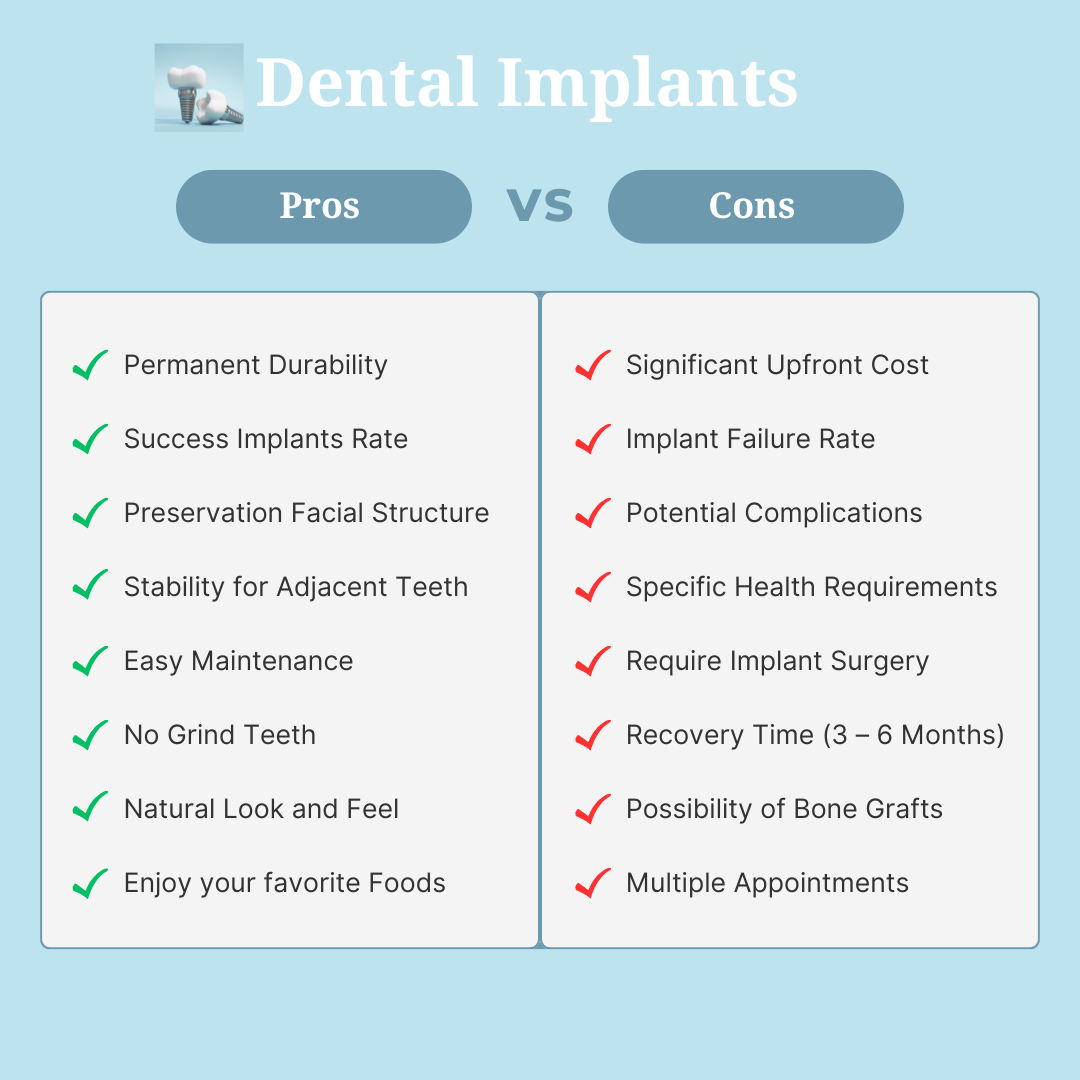
While dental implants are a highly successful and durable solution for replacing missing teeth, it’s important to be aware of the potential disadvantages. Understanding these drawbacks can help you make an informed decision about whether dental implants are the right choice for you.
Cost Considerations
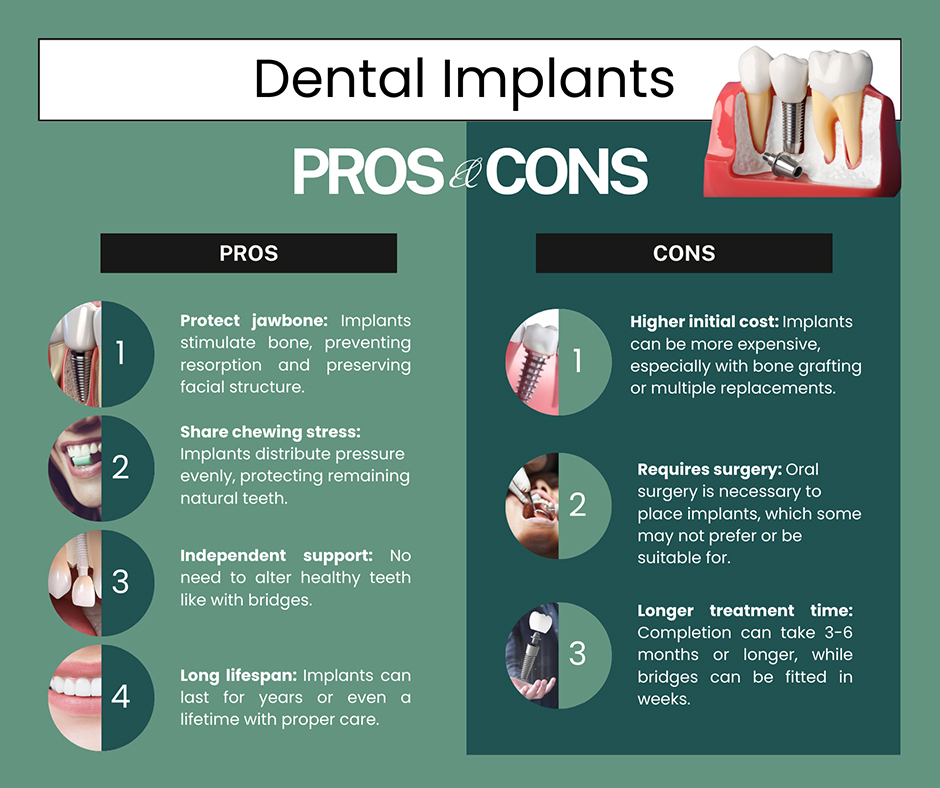
One of the most significant disadvantages of dental implants is the cost. Dental implants are generally more expensive than other tooth replacement options, such as dentures or bridges. The initial investment includes the cost of the implant itself, the abutment, the crown, and the surgical procedure. Additional costs may arise if bone grafting or other preparatory procedures are necessary. However, it’s important to consider the long-term value of dental implants. Their durability and longevity often make them a more cost-effective solution over time compared to alternatives that may require frequent replacements or repairs. Many patients explore options like dental tourism to manage costs effectively.
Surgical Risks and Complications
Dental implant placement is a surgical procedure, and as such, it carries certain risks and potential complications. These may include:
- Infection: Infection at the implant site can occur, although it is relatively rare with proper hygiene and post-operative care.
- Nerve Damage: Nerve damage can result in pain, numbness, or tingling in the gums, lips, or chin.
- Sinus Problems: Upper jaw implants can sometimes protrude into the sinus cavity, leading to sinus problems.
- Implant Failure: In some cases, the implant may not properly fuse with the bone, leading to implant failure.
Choosing an experienced and qualified oral surgeon can help minimize these risks. At Albania Dental Implants, our skilled surgeons take every precaution to ensure a safe and successful procedure.
Time Commitment
The dental implant process typically requires several months to complete. This includes the initial consultation, implant placement, osseointegration period (healing), and the final placement of the replacement tooth. The entire process can take anywhere from 3 to 9 months, depending on individual circumstances and the need for additional procedures like bone grafting. While this time commitment may be a disadvantage for some, it’s important to remember that the result is a permanent and long-lasting tooth replacement.
Is weight gain always a problem?
Weight gain is generally not a direct side effect of dental implants. However, the ability to eat a wider variety of foods comfortably after the procedure may indirectly contribute to weight gain for some individuals. While weight gain is not always a problem, it’s something to be mindful of as you adjust to your new implants.
Understanding these common disadvantages of dental implants is crucial for making an informed decision. Weighing the potential drawbacks against the numerous benefits can help you determine whether this treatment is the right choice for your individual needs. Exploring options for dental tourism in albania can be beneficial.
Less Common Risks And Complications
CLUSTER: rare implant risks, complications during insertion, infections
While dental implants are generally safe and successful, it’s important to be aware of the less common risks and complications that can occur. Being informed about these potential issues can help you make a more comprehensive decision about whether dental implants are right for you.
Peri-Implantitis
Peri-implantitis is an inflammatory condition affecting the soft and hard tissues around dental implants. It is caused by bacterial infection and can lead to bone loss around the implant, potentially resulting in implant failure. Symptoms of peri-implantitis include red, swollen, or bleeding gums around the implant, as well as pain or discomfort. Maintaining excellent oral hygiene and regular dental checkups are crucial for preventing and managing peri-implantitis.
Nerve Damage
As mentioned earlier, nerve damage is a potential risk of dental implant surgery. While it is relatively rare, it can occur if the implant is placed too close to a nerve. Nerve damage can result in pain, numbness, or tingling in the gums, lips, or chin. In most cases, nerve damage is temporary and resolves on its own. However, in rare instances, it can be permanent. Choosing an experienced and qualified oral surgeon can help minimize the risk of nerve damage.
Sinus Problems
In the upper jaw, dental implants can sometimes protrude into the sinus cavity, leading to sinus problems. This is more likely to occur if there is insufficient bone height in the upper jaw. Sinus problems can include sinus infections, pain, and pressure. In some cases, a sinus lift procedure may be necessary to increase the bone height before implant placement.
Adjacent Tooth Damage
During dental implant placement, there is a small risk of damage to adjacent teeth. This can occur if the implant is placed too close to a neighboring tooth or if the surgical instruments inadvertently damage the tooth. Careful planning and precise surgical technique can help minimize this risk.
Can the implant cause long-term health issues?
Generally, dental implants do not cause long-term health issues. They are made of biocompatible materials like titanium, which are well-tolerated by the body. However, long-term complications like peri-implantitis can indirectly affect overall health if left untreated. Maintaining good oral hygiene is essential for preventing such issues.
Is weight gain always a problem?
No, weight gain is not always a problem with dental implants. Some people may experience a slight increase in weight due to improved ability to eat comfortably. At contact albania dental implants today to get started!
Rare but Possible Issues
Discuss rare but possible issues—pain or infection at insertion site, migration of the device, implant expulsion, scarring.
Being aware of these less common risks and complications can help you have a more informed discussion with your dentist about the potential drawbacks of dental implants. While these issues are not common, it’s important to understand the possibilities and how they can be managed. Our team at Albania Dental Implants are committed to providing the best possible care and minimizing the risk of complications.
Disadvantages Compared To Other Contraceptive Methods
CLUSTER: implant vs IUD, implant vs pill, comparing birth control methods
When considering dental implants, it’s important to compare their disadvantages with those of other tooth replacement methods. This can help you determine which option is best suited to your individual needs and preferences.
Dental Implants vs. Dentures
Dentures are a removable tooth replacement option that rests on the gums. While dentures are less expensive than dental implants, they have several disadvantages:
- Instability: Dentures can be unstable and may slip or move when eating or speaking.
- Discomfort: Dentures can cause discomfort, especially when first fitted.
- Bone Loss: Dentures do not stimulate the jawbone, which can lead to bone loss over time.
- Dietary Restrictions: Dentures can make it difficult to eat certain foods.
In contrast, dental implants are a fixed and stable solution that feels and functions more like natural teeth. They also stimulate the jawbone, preventing bone loss. However, dental implants are more expensive and require a surgical procedure.
Dental Implants vs. Bridges
A dental bridge is a fixed tooth replacement option that spans the gap between missing teeth, supported by adjacent teeth. While bridges are less expensive than dental implants, they have certain disadvantages:
- Damage to Adjacent Teeth: Bridges require the grinding down of adjacent teeth, which can weaken them and make them more prone to decay.
- Bone Loss: Like dentures, bridges do not stimulate the jawbone, which can lead to bone loss over time.
- Shorter Lifespan: Bridges typically have a shorter lifespan than dental implants and may need to be replaced every 5 to 10 years.
Dental implants do not require altering adjacent teeth and provide long-term stimulation to the jawbone. However, they are more expensive and require a surgical procedure.
How common are problems like infections or migration?
Problems like infections or implant migration are relatively uncommon with dental implants, especially when proper surgical techniques and post-operative care are followed. Infections occur in a small percentage of cases, and implant migration is even rarer.
Are the disadvantages different for newer implant models?
While newer implant models have improved in terms of design and materials, the fundamental disadvantages remain similar. Cost, surgical risks, and the time commitment are still considerations, although newer techniques may minimize some complications. At Albania Dental Implants Services, we utilize state of the art techniques to address this.
Ultimately, the best tooth replacement method depends on your individual needs, preferences, and budget. Consulting with a qualified dentist can help you weigh the pros and cons of each option and make an informed decision.
Who Should Avoid Using The Implant?
CLUSTER: contraindications, who shouldn’t get an implant, medical conditions
While dental implants are a viable solution for many individuals with missing teeth, certain medical conditions and lifestyle factors can make them unsuitable candidates. Understanding these contraindications is crucial for ensuring the success and safety of the procedure.
Medical Conditions
Certain medical conditions can increase the risk of complications or implant failure. These include:
- Uncontrolled Diabetes: Uncontrolled diabetes can impair healing and increase the risk of infection.
- Autoimmune Diseases: Autoimmune diseases, such as rheumatoid arthritis and lupus, can affect the body’s ability to heal and integrate the implant.
- Severe Cardiovascular Disease: Severe cardiovascular disease can increase the risk of complications during surgery.
- Bleeding Disorders: Bleeding disorders can increase the risk of excessive bleeding during and after surgery.
- Immunodeficiency Disorders: Immunodeficiency disorders can increase the risk of infection.
Individuals with these medical conditions should consult with their dentist and physician to determine if dental implants are a safe and appropriate option.
Lifestyle Factors
Certain lifestyle factors can also affect the success of dental implants:
- Smoking: Smoking impairs healing and increases the risk of implant failure.
- Heavy Alcohol Consumption: Heavy alcohol consumption can also impair healing and increase the risk of complications.
- Poor Oral Hygiene: Poor oral hygiene can lead to infection and peri-implantitis.
Individuals who smoke, consume alcohol heavily, or have poor oral hygiene habits may not be good candidates for dental implants.
Other Considerations
In addition to medical conditions and lifestyle factors, there are other considerations that can affect candidacy for dental implants:
- Age: While there is no upper age limit for dental implants, younger individuals may need to wait until their jawbone has fully developed.
- Pregnancy: Dental implant surgery is generally not recommended during pregnancy.
- Certain Medications: Certain medications, such as bisphosphonates used to treat osteoporosis, can affect bone healing and increase the risk of implant failure.
Patients should always disclose their full medical history, lifestyle habits, and medication use to their dentist to determine if dental implants are a safe and appropriate option. At dental implants in uk we ensure you’re taken care of
What should I do if I experience severe side effects?
If you experience severe side effects after getting a dental implant, contact your dentist or oral surgeon immediately. Signs to watch out for include severe pain, swelling, fever, pus or discharge from the implant site, and significant difficulty eating or speaking.
Determining who should avoid dental implants is a critical step in the decision-making process. A thorough evaluation by a qualified dental professional is essential to assess individual risk factors and ensure the best possible outcome. Our team at Albania Dental Implants are dedicated to providing personalized care and helping you make informed decisions about your oral health.
User Experiences and Case Studies
CLUSTER: patient reviews, real experiences, side effects stories
To provide a more comprehensive understanding of the disadvantages of dental implants, it’s helpful to consider real-world experiences from actual users. Patient reviews and case studies can offer valuable insights into the potential challenges and benefits of this treatment.
Positive Experiences
Many patients report high levels of satisfaction with their dental implants. They appreciate the improved functionality, aesthetics, and confidence that dental implants provide. Some common positive experiences include:
- Improved Chewing Ability: Patients often report being able to eat a wider variety of foods comfortably after getting dental implants.
- Enhanced Aesthetics: Dental implants can significantly improve the appearance of a smile, boosting self-esteem and confidence.
- Long-Term Durability: Many patients appreciate the longevity of dental implants, which can last for decades with proper care.
- Natural Feel: Dental implants feel and function more like natural teeth compared to dentures or bridges.
Negative Experiences
While many patients have positive experiences with dental implants, some encounter challenges or complications. These may include:
- Pain and Discomfort: Some patients report experiencing pain, discomfort, or sensitivity after the implant procedure.
- Infection: Infection at the implant site can occur, leading to pain, swelling, and potential implant failure.
- High Cost: The high cost of dental implants can be a barrier for some patients.
- Time Commitment: The lengthy treatment process can be inconvenient for some individuals.
Case Studies
Examining specific case studies can provide a more detailed understanding of the potential disadvantages of dental implants. For example:
- Case Study 1: A 60-year-old smoker underwent dental implant surgery but experienced implant failure due to poor healing. The patient required additional surgery and bone grafting, increasing the overall cost and treatment time.
- Case Study 2: A 45-year-old patient with uncontrolled diabetes developed an infection at the implant site. The infection was difficult to treat and ultimately led to implant removal.
- Case Study 3: A 55-year-old patient experienced nerve damage during implant placement, resulting in permanent numbness in the lower lip.
It’s important to note that these are just a few examples, and individual experiences can vary widely. However, these case studies highlight the importance of considering potential risks and complications before undergoing dental implant surgery.
Patient Testimonials
“I was so excited to finally get dental implants, but the recovery was much more painful than I expected. It took weeks before I could eat solid food again.” – Sarah J.
“The cost of my dental implants was a real burden. I had to take out a loan to cover the expenses, and it’s been tough to pay it back.” – Michael K.
Can the implant affect my mood?
While dental implants don’t directly affect mood, the process and outcome can indirectly impact emotional well-being. The discomfort and recovery period can cause temporary stress, while a successful implant can boost confidence and improve quality of life.
By considering these user experiences and case studies, you can gain a more realistic understanding of the potential disadvantages of dental implants. It’s important to weigh these factors carefully and discuss any concerns with your dentist before making a decision. Our team at albania dental implants reviews are committed to providing transparent and honest information to help you make the best choice for your oral health.
Alternatives And What To Do If You Experience Problems
CLUSTER: alternative birth control, switching methods, managing side effects
If you’re experiencing problems with your dental implants or are looking for alternative tooth replacement options, it’s important to know what steps you can take. This section will outline some alternatives to dental implants and provide guidance on what to do if you encounter issues after the procedure.
Alternative Tooth Replacement Options
If dental implants are not the right choice for you, there are several alternative tooth replacement options to consider:
- Dentures: Dentures are removable appliances that replace missing teeth. They are a less expensive option than dental implants but may not be as stable or comfortable.
- Bridges: Bridges are fixed tooth replacements that span the gap between missing teeth, supported by adjacent teeth. However, bridges require altering the adjacent teeth and may not last as long as dental implants.
- Implant-Supported Dentures: These dentures are attached to dental implants for increased stability and support. They offer a compromise between traditional dentures and dental implants.
Managing Problems After Implant Procedure
If you experience problems after your dental implant procedure, it’s important to seek prompt treatment. Some common issues and their management include:
- Infection: Infections can be treated with antibiotics and local cleaning of the implant site.
- Peri-Implantitis: Peri-implantitis requires more aggressive treatment, including scaling and root planing, antibiotics, and potentially surgery.
- Nerve Damage: Nerve damage may require medication, physical therapy, or surgery to alleviate symptoms.
- Implant Failure: If an implant fails, it may need to be removed and replaced with a new implant or an alternative tooth replacement option.
Maintaining excellent oral hygiene is crucial for preventing and managing problems after dental implant surgery. Regular dental checkups and professional cleanings are also essential.
What is the best alternative to dental implants?
The best alternative to dental implants depends on individual circumstances, including the number of missing teeth, bone density, and budget. Options include dentures, bridges, and implant-supported dentures. A consultation with a dentist can help determine the most suitable choice.
What should I do if I experience severe side effects?
If you experience severe side effects after getting a dental implant, contact your dentist or oral surgeon immediately. Signs to watch out for include severe pain, swelling, fever, pus or discharge from the implant site, and significant difficulty eating or speaking.
If you’re experiencing significant side effects or are not satisfied with your dental implants, it’s important to consult with your dentist. They can help you explore alternative options and develop a plan to address your concerns. Our team at What is the cheapest option to replace missing teeth? is dedicated to providing comprehensive care and helping you achieve a healthy and confident smile.
FAQs About The Disadvantages Of The Implant
This section addresses frequently asked questions about the disadvantages of dental implants, providing concise answers to common concerns.
What are the main side effects of contraceptive implants?
While dental implants offer numerous benefits, some patients experience side effects such as pain, swelling, bruising, and sensitivity after the procedure. These side effects are usually temporary and can be managed with medication and proper care.
Can the implant cause long-term health issues?
Dental implants are generally safe and do not cause long-term health issues. However, in rare cases, complications such as peri-implantitis or nerve damage can occur. Maintaining good oral hygiene and regular dental checkups are crucial for preventing these issues.
How common are problems like infections or migration?
Problems like infections or implant migration are relatively uncommon, especially when proper surgical techniques and post-operative care are followed. Infections occur in a small percentage of cases, and implant migration is even rarer.
Can the implant affect my mood?
While dental implants don’t directly affect mood, the process and outcome can indirectly impact emotional well-being. The discomfort and recovery period can cause temporary stress, while a successful implant can boost confidence and improve quality of life.
Are the disadvantages different for newer implant models?
While newer implant models have improved in terms of design and materials, the fundamental disadvantages remain similar. Cost, surgical risks, and the time commitment are still considerations, although newer techniques may minimize some complications.
What should I do if I experience severe side effects?
If you experience severe side effects after getting a dental implant, contact your dentist or oral surgeon immediately. Signs to watch out for include severe pain, swelling, fever, pus or discharge from the implant site, and significant difficulty eating or speaking.
Conclusion
In conclusion, while dental implants offer a permanent and effective solution for replacing missing teeth, it’s essential to be aware of the potential disadvantages. These include the high cost, surgical risks, time commitment, and potential complications such as infection or nerve damage. However, with proper planning, skilled surgical technique, and diligent post-operative care, many of these risks can be minimized.
Before making a decision about dental implants, it’s crucial to weigh the pros and cons carefully and discuss any concerns with your dentist. Consider your individual medical history, lifestyle factors, and budget. If dental implants are not the right choice for you, explore alternative tooth replacement options such as dentures or bridges. Dental Implants are also a great option!
Ultimately, the goal is to make an informed decision that will improve your oral health, restore your smile, and enhance your quality of life. Contact us today to schedule a consultation and discover how we can help you achieve a healthy and confident smile!





