




Dental Implants in UK – Everything You Need to Know
Dental implants in UK offer a permanent and reliable solution for missing teeth, restoring both function and aesthetics. This comprehensive guide explores everything you need to know about dental implants, from costs and procedures to finding the best clinics and understanding your options. Discover how dental implants can transform your smile and improve your quality of life, and whether travelling abroad for treatment with Albania Dental Implants could be your ideal solution.
What Are Dental Implants?
Cluster Keyword: dental implants procedure UK
Dental implants are artificial tooth roots, typically made of titanium, that are surgically placed into the jawbone to support a replacement tooth or bridge. The implant fuses with the bone through a process called osseointegration, providing a stable and long-lasting foundation for the replacement tooth. Unlike dentures or bridges that rest on the gums or adjacent teeth, dental implants are anchored directly in the jaw, offering superior stability and comfort. This is what sets them apart.
How Dental Implants Work
A dental implant consists of three main components:
- The Implant: A titanium screw that is surgically placed into the jawbone, acting as the artificial root.
- The Abutment: A connector that attaches to the implant and serves as a base for the crown.
- The Crown: A custom-made artificial tooth that is fitted onto the abutment, designed to match the color, shape, and size of your natural teeth.
Why Choose Dental Implants Over Other Options?
Dental implants offer several advantages over other tooth replacement options, including:
- Durability: With proper care, dental implants can last a lifetime. How long do dental implants last is often a key consideration.
- Stability: Implants are securely anchored in the jawbone, providing excellent stability and preventing slipping or movement.
- Natural Look and Feel: Dental implants look and feel like natural teeth, restoring your smile and confidence.
- Improved Oral Health: Unlike bridges, implants do not require altering adjacent teeth, preserving more of your natural tooth structure.
- Bone Preservation: Implants help to stimulate bone growth in the jaw, preventing bone loss that can occur with missing teeth.
Types of Dental Implants Available in the UK
all-on-4 dental implants UK, private dental implants UK
The UK offers a variety of dental implant options to suit different needs and budgets. These range from single tooth implants to full mouth restorations, with options available in both the private and NHS sectors. Understanding the different types of implants can help you make an informed decision about the best treatment for your specific situation.
Single Tooth Implants
A single tooth implant is used to replace one missing tooth. It involves placing an implant into the jawbone and attaching a custom-made crown to the abutment. This is a great option for those with generally good oral health who are only missing a single tooth implant.
Multiple Tooth Implants
If you are missing several teeth in a row, multiple implants can be placed to support a bridge. This eliminates the need to alter adjacent teeth, as is required with traditional bridges.
All-on-4 Dental Implants
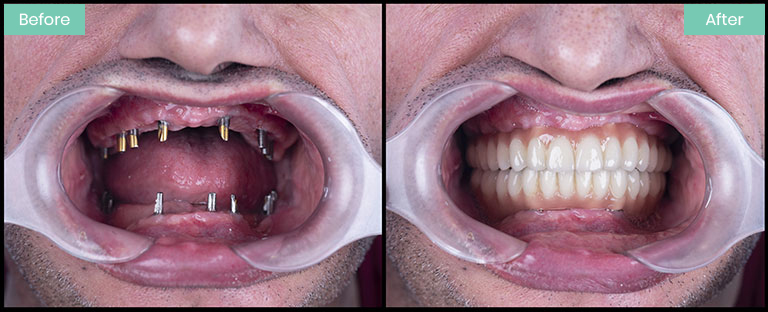
All-on-4 dental implants are a revolutionary solution for replacing an entire arch of missing teeth using only four implants. This technique is often more cost-effective and less invasive than traditional full mouth implants, offering a quicker and more comfortable treatment experience. Many patients ask, “Are All-on-4 worth the money?”
Mini Dental Implants
Mini dental implants are smaller in diameter than traditional implants and are often used to stabilize dentures. They are less invasive and can be a more affordable option for patients with limited bone density.
NHS vs. Private Dental Implants
Dental implants are not widely available on the NHS, and are generally reserved for cases of medical necessity. For instance, where tooth loss has occurred as a result of trauma or cancer treatment. Private dental clinics offer a wider range of implant options, materials, and technologies, but at a higher cost. Many UK residents opt for dental tourism in Albania to make this cost much lower.
Who Is Eligible for Dental Implants?
dental implant consultation UK
While dental implants are a suitable option for many people, not everyone is an ideal candidate. Certain medical and dental requirements must be met to ensure the success of the implant procedure. A thorough dental implant consultation is crucial to determine your eligibility and discuss any potential risks or alternatives.
Medical Requirements
To be eligible for dental implants, you generally need to be in good overall health. Uncontrolled chronic conditions, such as diabetes or heart disease, can increase the risk of complications and may make you unsuitable for the procedure. Certain medications, such as bisphosphonates (used to treat osteoporosis), can also affect bone healing and implant success.
Dental Requirements
Adequate bone density in the jaw is essential for supporting dental implants. If you have experienced significant bone loss due to missing teeth or periodontal disease, you may require a bone graft to increase bone volume. Healthy gums are also necessary to prevent infection and ensure proper healing around the implant.
Who Might Not Be Eligible?
Individuals who may not be eligible for dental implants include:
- Heavy smokers, as smoking impairs healing and increases the risk of implant failure.
- People with uncontrolled diabetes, as it can affect bone healing.
- Patients with active periodontal disease, as it can lead to infection and implant loss.
- Individuals with certain medical conditions or taking medications that affect bone metabolism.
Alternatives to Dental Implants
If you are not eligible for dental implants, alternative tooth replacement options include:
- Dentures: Removable appliances that replace missing teeth.
- Bridges: Fixed appliances that attach to adjacent teeth to fill the gap left by a missing tooth.
Both of these options have pros and cons that will need to be considered.
The Dental Implants Procedure in the UK
Cluster Keyword: dental implants procedure UK
The dental implant procedure involves several steps, from the initial consultation to the final fitting of the crown. Understanding the process can help you prepare for treatment and know what to expect along the way.
Step-by-Step Breakdown
- Consultation and Assessment: A comprehensive examination, including X-rays or CT scans, to assess your oral health and bone density.
- Treatment Planning: A customized treatment plan is developed based on your individual needs and goals.
- Implant Placement: The implant is surgically placed into the jawbone under local anesthesia or sedation.
- Osseointegration: A healing period of several months (typically 3-6 months) is required for the implant to fuse with the bone.
- Abutment Placement: Once osseointegration is complete, an abutment is attached to the implant.
- Crown Fitting: A custom-made crown is fitted onto the abutment, completing the tooth replacement.
- Aftercare: Post-operative care and follow-up appointments to monitor healing and ensure the success of the implant.
Timelines and Expectations
The entire dental implant process can take several months to complete, depending on individual healing times and the complexity of the case. While some clinics offer immediate loading implants (teeth in a day), these are not suitable for everyone and require careful assessment.
Cost of Dental Implants in the UK
cost of dental implants UK, NHS dental implants, private dental implants UK
The cost of dental implants in the UK can vary significantly depending on several factors, including the type of implant, the location of the clinic, and the complexity of the procedure. Understanding the average costs and available financing options can help you make an informed decision about your treatment.
Average Costs (Private/NHS)
The cost of a single dental implant in the UK can range from £2,000 to £4,000 or more. Full mouth implants, such as All-on-4, can cost between £8,000 and £15,000 per arch. NHS dental implants are rarely available and are typically reserved for cases of medical necessity, such as tooth loss due to trauma or cancer treatment. When they are available, the patient will still need to pay a fee.
Breakdown of Fees
The total cost of dental implants typically includes:
- Consultation and assessment fees
- Surgical placement of the implant
- Abutment placement
- Crown fabrication and fitting
- X-rays and CT scans
- Aftercare and follow-up appointments
Why Costs Vary
Several factors can influence the cost of dental implants, including:
- The type of implant used (e.g., titanium, zirconia)
- The location of the clinic (London prices may be higher)
- The experience and expertise of the dentist
- The complexity of the case (e.g., bone grafting required)
Financing and Insurance Options
Many dental clinics offer financing options to help patients spread the cost of treatment over time. Dental insurance may cover a portion of the cost of dental implants, but coverage varies widely depending on the policy. Many patients find travelling to Albania Dental Implants reduces the cost substantially.
Choosing a Dental Implant Clinic in the UK
dental implant clinics UK, best dental implant dentists UK
Selecting the right dental implant clinic and dentist is crucial for ensuring a successful and comfortable treatment experience. Look for a clinic with experienced and qualified dentists, state-of-the-art technology, and a commitment to patient care.
What to Look for in a Clinic/Dentist
Consider the following factors when choosing a dental implant clinic:
- Qualifications and experience of the dentists
- Use of advanced technology, such as 3D imaging and CAD/CAM systems
- Patient reviews and testimonials
- Before-and-after photos of previous implant cases
- Consultation process and treatment planning
- Financing options and insurance coverage
Regulation and Accreditation
Ensure that the dental clinic is registered with the General Dental Council (GDC) and follows strict hygiene and safety protocols. Accreditation from reputable dental organizations can also indicate a commitment to quality and patient care.
Geographic Availability
Dental implant clinics are available throughout the UK, but availability may vary depending on your location. Consider factors such as travel time and convenience when choosing a clinic.
Aftercare and Longevity of Dental Implants
aftercare for dental implants UK, how long do dental implants last UK
Proper aftercare is essential for ensuring the long-term success and longevity of dental implants. Following your dentist’s instructions and maintaining good oral hygiene can help prevent complications and extend the lifespan of your implants. How long do dental implants last in the UK depends on adherence to aftercare routines.
Typical Aftercare Regimen
The typical aftercare regimen for dental implants includes:
- Taking prescribed medications, such as antibiotics and pain relievers
- Following a soft food diet for the first few days
- Avoiding smoking and alcohol
- Practicing gentle oral hygiene, including brushing and flossing
- Using an antibacterial mouthwash
- Attending regular follow-up appointments with your dentist
Lifespan of Implants and Potential Complications
With proper care, dental implants can last a lifetime. However, potential complications can arise, including:
- Infection around the implant (peri-implantitis)
- Implant loosening or failure
- Nerve damage
- Sinus problems
Signs of Problems and When to See a Dentist
Contact your dentist immediately if you experience any of the following signs of problems:
- Persistent pain or swelling
- Bleeding or pus around the implant
- Loose implant or crown
- Difficulty chewing or speaking
Dental Implant Reviews and Patient Experiences in the UK
Cluster Keyword: dental implant reviews UK
Reading reviews and testimonials from other patients can provide valuable insights into the quality of care and treatment outcomes at different dental implant clinics in the UK. Online reviews can help potential patients set expectations and make informed decisions.
Where to Find Reviews/Testimonials
You can find dental implant reviews and testimonials on websites such as:
- Google Reviews
- Yelp
- NHS Choices
- Dental clinic websites
- Online dental forums and communities
What Real Patients Report
Real patients often report on aspects such as:
- The level of pain experienced during and after the procedure
- The clarity of communication and treatment planning
- The professionalism and friendliness of the dental staff
- The overall satisfaction with the results
It’s important to approach reviews with a critical eye, as individual experiences can vary.
Frequently Asked Questions About Dental Implants in UK
Are dental implants available on the NHS in the UK?
The availability of dental implants NHS is limited and primarily reserved for specific cases of medical necessity, such as tooth loss resulting from trauma, cancer treatment, or congenital conditions. Patients must meet strict eligibility criteria and may face long waiting times. The NHS may provide funding for dental implants in cases where the tooth loss significantly impacts a patient’s ability to eat, speak, or maintain their overall health. Patients can discuss their eligibility with their NHS dentist or consult with a specialist to determine if they qualify for NHS-funded dental implants. Those not eligible or seeking more comprehensive options may consider private dental care or explore options such as dental tourism in Albania to reduce costs.
What is the average cost for dental implants in the UK?
The average cost of dental implants in the UK varies based on several factors, including the type of implant, the location of the clinic, and the complexity of the case. A single dental implant can range from £2,000 to £4,000, while full mouth implants can cost between £8,000 and £15,000 per arch. These costs typically include consultation fees, surgical placement, abutment and crown fitting, and aftercare appointments. Additional procedures like bone grafting or sinus lifts can further increase the total cost. Patients should consult with multiple clinics to get accurate cost estimates and explore financing options to manage expenses. Many find cost-effective solutions by considering options like dental tourism in Albania.
How long do dental implants last?
With proper care and maintenance, dental implants can last for many years, often a lifetime. The long-term success of dental implants depends on several factors, including oral hygiene practices, overall health, and regular dental check-ups. To maximise implant lifespan, patients should brush and floss daily, avoid smoking, and maintain a healthy diet. Regular professional cleanings and check-ups are also essential for monitoring the condition of the implants and addressing any potential issues early on. With meticulous care, many patients enjoy the benefits of their dental implants for decades, making it a worthwhile long-term investment in their oral health.
Is the dental implant procedure painful?
Many people considering dental implants worry about the potential for pain during the procedure. However, dental implant surgery is typically performed under local anaesthesia or sedation to minimise discomfort. During the implant placement, patients usually experience little to no pain. Some post-operative discomfort, such as soreness or swelling, is common but can be managed with over-the-counter pain relievers or prescribed medications. The level of pain can vary depending on individual pain tolerance and the complexity of the surgery. The majority of patients report that the discomfort is manageable and subsides within a few days. Dentists provide detailed post-operative instructions to help patients manage any pain and promote healing.
What are the risks or complications of dental implants?
While dental implants are generally safe and predictable, like any surgical procedure, there are potential risks and complications. These include infection at the implant site, nerve damage, sinus problems, and implant failure. Infections can be treated with antibiotics, while nerve damage is rare but can cause temporary or permanent numbness in the jaw. Sinus problems may occur if implants are placed in the upper jaw, particularly if there is insufficient bone. Implant failure, though uncommon, can result from poor bone integration, infection, or other factors. Patients can minimise these risks by choosing an experienced dentist, following pre- and post-operative instructions carefully, and maintaining excellent oral hygiene. Regular check-ups are crucial for early detection and management of any potential issues.
How do I care for my implants after the procedure?
Proper aftercare is essential for the long-term success and health of dental implants. Following the dental implant procedure, patients should follow their dentist’s instructions closely. This typically includes taking prescribed medications, using an antibacterial mouthwash, and maintaining a soft food diet for the first few days. Gentle brushing and flossing around the implant site are crucial for removing plaque and preventing infection. It’s important to use a soft-bristled toothbrush and non-abrasive toothpaste to avoid damaging the implant or surrounding tissues. Regular dental check-ups and professional cleanings are also essential for monitoring the condition of the implants and addressing any potential issues. By practicing good oral hygiene and attending regular dental appointments, patients can help ensure the longevity and success of their dental implants.
How do I know if I am eligible for dental implants?
Determining eligibility for dental implants involves a comprehensive evaluation by a qualified dentist or oral surgeon. The assessment typically includes a thorough oral examination, a review of your medical history, and diagnostic imaging such as X-rays or CT scans. Key factors considered during the evaluation include bone density in the jaw, overall health, and the presence of any underlying dental conditions such as gum disease. Adequate bone density is crucial for supporting dental implants. Patients with insufficient bone may require a bone grafting procedure to improve implant stability. Certain medical conditions, such as uncontrolled diabetes or autoimmune disorders, can affect healing and implant success. The dentist will assess your individual circumstances and recommend the most appropriate treatment plan. A dental implant consultation can help determine eligibility.
What alternatives do I have if I am not suitable for implants?
If dental implants are not suitable for a patient, several alternative tooth replacement options are available. These include dentures, dental bridges, and resin-bonded bridges. Dentures are removable appliances that replace missing teeth and can be a more affordable option for some patients. Dental bridges are fixed appliances that attach to adjacent teeth to fill the gap left by a missing tooth. A resin-bonded bridge, also known as a Maryland bridge, is a conservative option that uses a metal or porcelain framework bonded to the back of adjacent teeth. Each option has its own advantages and disadvantages, and the best choice depends on the individual’s specific needs, preferences, and budget. A dentist can evaluate your oral health and recommend the most appropriate tooth replacement solution.
How can I find the best dental implant clinic or dentist in the UK?
Finding the best dental implant clinic in the UK requires careful research and consideration. Start by seeking recommendations from friends, family, or your general dentist. Online reviews and testimonials can provide valuable insights into the quality of care and treatment outcomes at different clinics. Look for clinics with experienced and qualified dentists, state-of-the-art technology, and a commitment to patient care. Check the dentist’s credentials, experience, and specialisation in implant dentistry. A thorough consultation is essential to assess your oral health, discuss your treatment goals, and receive a detailed treatment plan and cost estimate. Don’t hesitate to ask questions and seek a second opinion before making a decision. A clinic’s commitment to patient care, qualifications and transparent treatment plans are some of the key qualities to be looking for.
What are all-on-4 dental implants and are they suitable for me?
All-on-4 dental implants are a revolutionary technique for replacing an entire arch of missing teeth using only four implants. This approach is often more cost-effective and less invasive than traditional full mouth implants. All-on-4 implants are suitable for patients who have lost most or all of their teeth in one or both jaws and have sufficient bone density to support the implants. The procedure involves placing two implants vertically in the front of the jaw and two implants at an angle in the back of the jaw, providing a stable foundation for a full set of replacement teeth. All-on-4 implants can restore chewing function, improve speech, and enhance aesthetics. A thorough evaluation by a dentist is necessary to determine if All-on-4 implants are the right option for you. Some patients may consider all on 4 dental implants in albania to reduce costs.
How do patient experiences vary between NHS and private dental implants?
Patient experiences with dental implants can vary significantly between the NHS and private dental care. NHS dental implants are typically reserved for cases of medical necessity and may involve longer waiting times and limited treatment options. Patients receiving NHS dental implants may experience delays in scheduling appointments and may not have the same level of choice regarding implant materials or techniques. Private dental implants, on the other hand, offer more comprehensive and personalised care. Private clinics often have shorter waiting times, a wider range of treatment options, and access to advanced technology and materials. Patients in private dental care may experience a higher level of comfort and convenience, as well as more personalised attention from the dental team. However, private dental implants come at a higher cost, which may be a barrier for some patients. The choice between NHS and private dental implants depends on individual circumstances, preferences, and financial considerations.
Considering Dental Implants?
If you’re considering dental implants to restore your smile, Albania Dental Implants offers a high-quality, affordable alternative. Our state-of-the-art clinic in Albania provides comprehensive dental implant services with experienced specialists. Plus, you can enjoy a relaxing dental holiday while saving significantly on treatment costs!
Contact Albania Dental Implants today to schedule your consultation and learn more about how we can help you achieve a confident, healthy smile.





