




The question “how much is dental implant on nhs” is one of the most common for UK dental patients searching for affordable tooth replacement options. Many people dream of restoring their smile and improving their quality of life, and it’s crucial to understand the costs involved and whether the NHS can help. This comprehensive guide explores the possibilities of accessing dental implants through the National Health Service (NHS), eligibility criteria, and alternative affordable routes, including the option of dental tourism in albania with Albania Dental Implants.
What Are Dental Implants?
Related keyword: NHS dental implants cost
Dental implants are a popular and long-lasting solution for missing teeth. They involve surgically placing an artificial tooth root, typically made of titanium, into the jawbone. This provides a stable base for a replacement tooth or crown that closely mimics the look and function of a natural tooth. Understanding the average cost of implants privately versus the NHS is critical for making informed decisions.
Average Cost of Implants Privately vs NHS
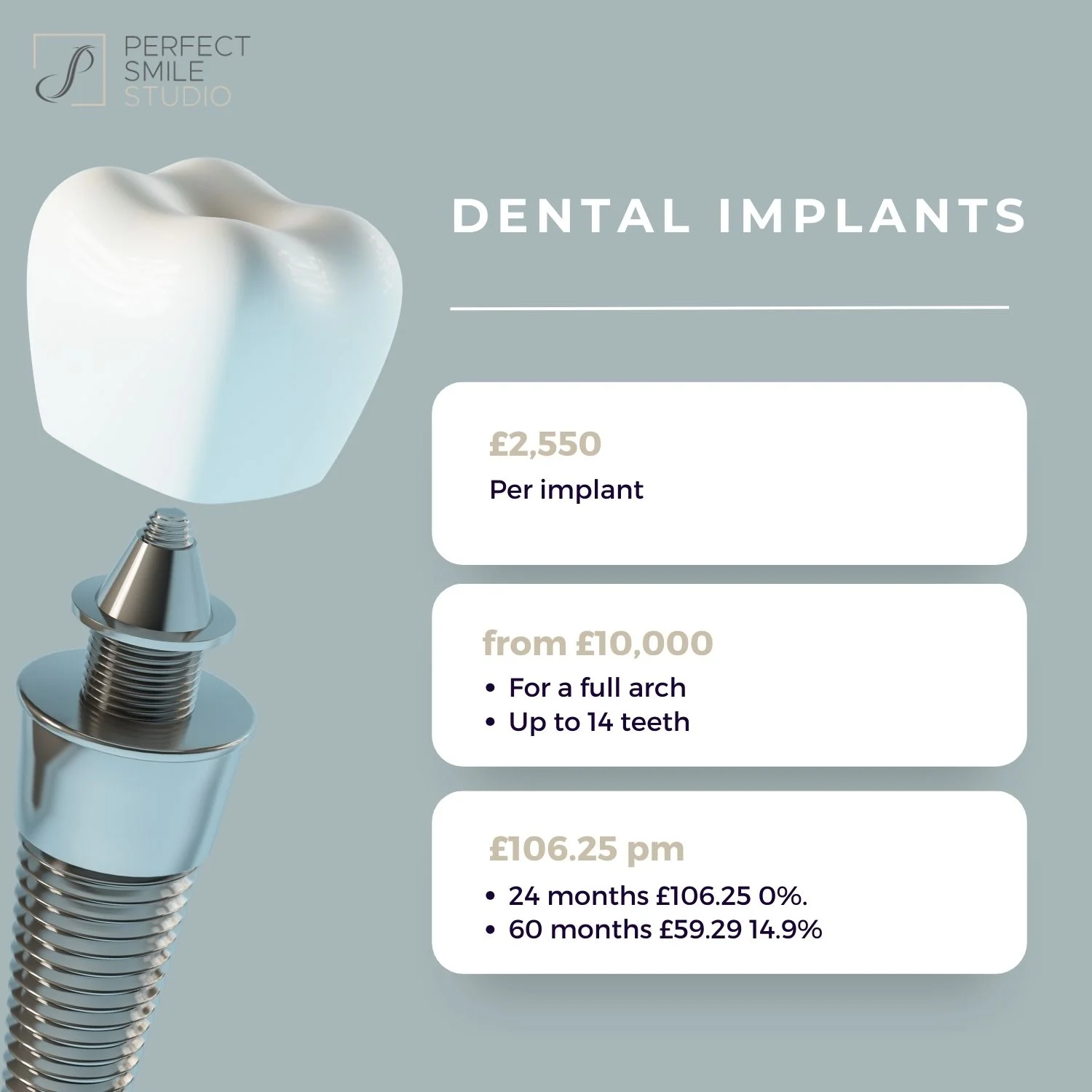
Privately, a single dental implant in the UK can cost anywhere from £2,000 to £2,500 or more. The cost varies depending on the clinic, the materials used, and the complexity of the case. On the NHS, dental implants are rarely offered routinely, but when available, the cost is determined by NHS dental treatment bands. The most relevant band is Band 3, which includes complex treatments and currently costs £306.80 in England. However, availability is severely restricted.
Why Implants Are Not Routinely Offered on the NHS
The NHS has limited resources and prioritises essential dental care. As dental implants are often considered a cosmetic procedure, they are not routinely offered. The NHS primarily focuses on treatments that restore essential function and alleviate pain. Implants are typically only considered when there is a clear medical need, such as:
- Congenital absence of teeth
- Traumatic injury resulting in tooth loss
- Severe medical conditions that make other tooth replacement options unsuitable
Due to these restrictions, many people seek alternative affordable options to restore their smile.
NHS Implants Eligibility Criteria
Related keyword: NHS implants eligibility
Even if implants are not routinely offered on the NHS, certain individuals may qualify based on specific eligibility criteria. This is because the NHS primarily focuses on treatments that restore essential function and alleviate pain, rather than cosmetic procedures. But, who qualifies for NHS dental implants?
Who Qualifies for NHS Dental Implants?
The NHS has strict criteria for determining eligibility for dental implants. Generally, implants are only considered when there is a clear medical or functional need. This often excludes cases where the primary concern is cosmetic. Key considerations include:
- Medical Necessity: Implants are more likely to be approved if tooth loss is the result of a medical condition or trauma.
- Functional Impairment: The absence of teeth must significantly impact the patient’s ability to eat or speak.
- Failed Alternatives: Other tooth replacement options, such as dentures or bridges, must have been proven unsuitable or ineffective.
Medical Conditions Considered
Certain medical conditions can increase the likelihood of NHS implant approval. These might include:
- Ectodermal Dysplasia: A genetic disorder causing abnormal development of teeth.
- Severe Trauma: Significant facial injuries resulting in tooth loss.
- Oral Cancer: Cases where tooth loss is a result of cancer treatment.
Typical NHS Implant Patient Profiles
A typical NHS implant patient might be someone who has lost teeth due to a severe accident, has a congenital condition affecting tooth development, or requires implants as part of reconstructive surgery following cancer treatment. These patients generally have significant functional impairments impacting their quality of life.
Documentation/Proof Required
To apply for NHS dental implants, extensive documentation is typically required, including:
- Referral Letter: From your general dentist outlining the need for implants.
- Medical History: Detailed records of any relevant medical conditions.
- Radiographs: X-rays and scans showing the extent of tooth loss and jawbone condition.
- Photographs: To document the functional and aesthetic impact of missing teeth.
- Specialist Assessment: A report from a consultant assessing the suitability for implants.
Are Cosmetic Needs Covered?
In the vast majority of cases, cosmetic needs are not covered by the NHS. If the primary reason for seeking implants is to improve appearance, you will likely need to consider private dental care. However, even with private care, if affordability is a concern, exploring options such as receiving implant dentistry in Albania Dental Implants might provide a solution.
How Much Is Dental Implant on NHS?
Related keyword: NHS dental treatment bands
Understanding the costs associated with dental implants on the NHS can be confusing. Though implants are rarely available, it is still important to know the cost for dental implants on the NHS. Here’s a detailed breakdown:
Cost for Dental Implants on NHS (England/UK)
In England, NHS dental charges are structured into different bands. Dental implants, when available, typically fall under Band 3, which covers complex treatments like crowns, dentures, and bridges. As of 2024, Band 3 costs £306.80. This price applies to the entire course of treatment within that band. It’s important to note that due to limited availability, very few people actually receive implants through the NHS.
Are They Free or Subsidised?
Dental implants on the NHS are subsidised, meaning the patient pays a portion of the cost while the government covers the rest. However, they are not free, unless you qualify for free NHS dental treatment due to low income or other specific exemptions. Because access is limited they are not typically available.
What Does Band 3 Cover (and Does It Include Implants)?
Band 3 covers a range of complex dental treatments, including:
- Crowns
- Dentures
- Bridges
- Inlays
- Onlays
While Band 3 can include implants, this is at the discretion of the NHS and is subject to the stringent eligibility criteria mentioned above. The treatment must be deemed medically necessary and other options must be unsuitable.
When Would You Need to Pay and How Much?
You would need to pay the Band 3 charge (£306.80 as of 2024) if your application for NHS implants is approved and you do not qualify for free dental treatment. This payment covers the entire course of treatment within Band 3. For low income families you may need to consider resources such as How can I fix my teeth if I don’t have money.
Additional Hidden Costs or Exemptions
There are generally no hidden costs associated with NHS dental treatment. However, it’s crucial to confirm all charges upfront. You may be exempt from paying NHS dental charges if you:
- Receive Income Support, Universal Credit, or other qualifying benefits
- Are under 18 or under 19 and in full-time education
- Are pregnant or have had a baby in the last 12 months
Always provide proof of exemption to avoid unexpected charges.
Private vs NHS Dental Implant Cost Comparison
Related keyword: private vs NHS dental implant cost
Choosing between private and NHS dental implants often comes down to availability, cost, and the extent of coverage. Here’s a detailed comparison.
| NHS Dental Implants | Private Dental Implants | |
|---|---|---|
| Price | Usually Band 3 (£306.80 in England, but implants rarely available on NHS) | £2,000–£2,500+ per implant |
| Availability | Strict eligibility, long waits, limited clinics | Immediate, flexible |
| Coverage | Only in exceptional cases | Cosmetic, medical, all cases |
Why Consider Private Dental Implants?
Many individuals opt for private dental implants due to the following factors:
- Faster Access: Private clinics typically have shorter waiting lists, allowing for quicker treatment.
- Comprehensive Options: Private dentists offer a wider range of implant types and materials, tailored to your specific needs.
- Cosmetic Benefits: Private care allows for cosmetic enhancements that are not typically available on the NHS.
- Flexible Payment Plans: Many private clinics offer payment plans or financing options to make implants more affordable.
Affordable Options Abroad
Considering the high costs of private dental implants in the UK, some individuals explore options such as getting cost of dental implants in albania which offers high-quality dental care at significantly lower prices. This can make dental implants a financially viable option while ensuring excellent treatment.
Alternatives If You’re Not Eligible for NHS Dental Implants
Related keywords: alternatives to dental implants NHS, dental implant grants UK
If you don’t qualify for NHS dental implants or cannot afford private treatment in the UK, several alternatives can help restore your smile and oral function.
NHS Bridges and Dentures
The NHS routinely provides bridges and dentures, which are more affordable than implants. Bridges involve anchoring a false tooth to adjacent natural teeth, while dentures are removable appliances that replace multiple missing teeth. While these options may not offer the same long-term stability and natural feel as implants, they provide functional and aesthetic benefits.
Charity Dental Work and Grants in UK
Several charities and organizations offer dental work or grants to those in need. Some notable organizations include:
- Dentaid: Provides dental services to underserved communities.
- The British Dental Health Foundation: Offers advice and support for oral health.
- Local Charities: Many local charities provide assistance with dental costs for those in financial hardship.
Contacting these organizations can provide potential routes for accessing affordable dental care.
Private Payment Plans/Finance
Many private dental clinics offer payment plans or financing options to help spread the cost of implants over time. These plans may involve monthly installments or partnerships with finance companies. Exploring these options can make private implants more accessible.
Referral Schemes and Dental Schools
Some dental schools offer reduced-cost treatment as part of their training programs. These treatments are performed by supervised students, ensuring a high standard of care at a lower price. Additionally, referral schemes may exist where your dentist can refer you to a specialist clinic offering discounted rates.
Applying for NHS Dental Implants
Related keywords: dental implant waiting lists NHS, NHS dental services
Navigating the process of applying for NHS dental implants can be complex, but understanding the steps involved can help you prepare.
Referral and Assessment Process
The first step is to consult your general dentist. If they believe you meet the criteria for NHS implants, they will refer you to a specialist for assessment. The assessment will involve a thorough examination of your oral health, medical history, and functional needs. The specialist will determine if implants are the most appropriate treatment option.
Dental Hospital Waiting Lists
If approved for NHS implants, you will likely be placed on a waiting list. Waiting times can vary significantly depending on the region and the availability of resources. It is not uncommon to wait several months or even years for treatment to begin. While on the waiting list, it’s important to maintain good oral hygiene to prevent further complications.
What to Expect at an NHS Consultation
At the consultation, expect the specialist to:
- Review your medical history
- Conduct a comprehensive oral examination
- Take X-rays or scans of your jawbone
- Discuss treatment options and potential outcomes
- Explain the risks and benefits of dental implants
Be prepared to ask questions and voice any concerns you may have.
Steps and Timelines Involved
The typical steps and timelines involved in the NHS implant process include:
- Initial Consultation: 1-2 months after referral.
- Assessment: 1-2 hours.
- Approval: Variable, depending on the NHS trust.
- Waiting List: Several months to years.
- Implant Placement: 1-2 hours per implant.
- Healing Period: 3-6 months for osseointegration.
- Abutment and Crown Placement: 1-2 appointments.
Frequently Asked Questions
Related keyword: How much is dental implant on nhs
Can I Get Free Dental Implants on NHS?
No, you cannot get dental implants for free on the NHS unless you qualify for free NHS dental treatment due to low income or receiving certain benefits. Even then, the availability of implants is highly restricted and dependent on strict eligibility criteria.
Does NHS Cover Full Mouth Dental Implants?
NHS coverage for full mouth dental implants is extremely rare. It’s typically only considered in cases of severe medical necessity, such as congenital conditions or significant trauma. Cosmetic considerations are almost always excluded.
Why Are Implants Rarely Offered on the NHS?
Implants are rarely offered on the NHS due to budget constraints and prioritization of essential dental care. The NHS focuses on treatments that restore basic function and alleviate pain, rather than cosmetic procedures. For more information on dental implants and NHS, see Dental Implants NHS.
What if I Can’t Afford Private Dental Implants?
If you can’t afford private dental implants in the UK, consider exploring alternative affordable options such as:
- NHS bridges and dentures
- Charity dental work and grants
- Private payment plans or financing
- Treatment at dental schools
- Affordable options in Albania
Are There Age or Health Limits on NHS Dental Implants?
There is no strict upper age limit for NHS dental implants, but your overall health must be good enough to withstand the surgery. Certain health conditions, such as uncontrolled diabetes or severe heart disease, may make you ineligible.
Can You Transfer From Private to NHS Dental Care for Implants?
It’s generally difficult to transfer from private to NHS dental care mid-treatment for implants. The NHS may not take over ongoing private treatments. It’s best to discuss your options with both your private dentist and the NHS before starting any treatment.
Are Implant Complications (Aftercare) Covered by the NHS?
If you experience complications after receiving private dental implants, the NHS may provide treatment if it is deemed medically necessary and you are a registered NHS patient. However, the NHS may not cover the cost of correcting issues arising from privately performed procedures.
Is There NHS Help for Payment Plans?
The NHS does not typically offer payment plans for dental treatment. However, some private dentists who contract with the NHS may offer payment options for the portion of treatment not covered by the NHS.
Summary & Next Steps
Navigating the world of NHS dental implants can be challenging due to strict eligibility criteria and limited availability. Understanding the costs, alternatives, and application process is crucial for making informed decisions. Here is a good resource on Is there a cheaper alternative to dental implants?
Who Should Ask About NHS Implants?
You should inquire about NHS implants if you:
- Have lost teeth due to a medical condition or trauma.
- Experience significant functional impairment affecting eating or speaking.
- Have explored and exhausted other tooth replacement options.
Private Alternatives and Your Rights to Seek a Second Opinion
If NHS implants are not an option, consider exploring private dental care, payment plans, or affordable treatment abroad. You have the right to seek a second opinion from another dentist or specialist to ensure you are making the best decision for your oral health.
Contact Links for NHS Dental Care and Patient Helplines
For more information on NHS dental care, contact:
- NHS 111: For urgent dental advice.
- NHS Website: Search for local NHS dentists.
- Patient Advice and Liaison Service (PALS): For assistance with NHS services.
Considering dental implants? Contact Albania Dental Implants today for a consultation and explore your options for affordable, high-quality dental care. We provide expert services and can help you restore your smile with confidence!





