



Dental Implants Full – Your Complete Guide to a Full Dental Implant Solution
Dental implants full are a comprehensive, fixed solution for replacing all missing teeth and restoring your complete smile. If you’re struggling with missing teeth and want a permanent, natural-looking solution, this guide will provide a detailed overview of full dental implants, their benefits, and the process involved.
Introduction
- Related keywords: full mouth dental implants, complete dental implants, fixed teeth solutions
Full dental implants, also known as full mouth dental implants or complete dental implants, are a revolutionary treatment option for individuals who have lost all or most of their teeth. They offer a stable, long-lasting, and aesthetically pleasing alternative to traditional dentures. At Albania Dental Implants, we specialize in providing affordable and high-quality solutions, offering you a chance to regain your confident smile.
What are Full Dental Implants?
Full dental implants involve surgically placing multiple dental implants into the jawbone to support a full set of replacement teeth. This fixed solution provides superior stability, function, and aesthetics compared to removable dentures.
Benefits of Full Dental Implants
Here are some key advantages:
- Improved Stability: Implants fuse with the jawbone, providing a secure base for replacement teeth.
- Enhanced Function: You can eat, speak, and smile with confidence, without worrying about slippage or discomfort.
- Natural Appearance: Full dental implants look and feel like natural teeth, restoring your smile’s aesthetics.
- Long-lasting Solution: With proper care, dental implants can last for many years, making them a worthwhile investment. How long do dental implants last?
- Bone Preservation: Implants stimulate bone growth, preventing bone loss that can occur with dentures.
Who is a Candidate for Full Dental Implants?
Full dental implants are an excellent option for individuals who:
- Have lost all or most of their teeth due to decay, injury, or gum disease.
- Are in good general health and have sufficient bone density in the jaw.
- Are looking for a permanent and stable solution for tooth replacement.
Why Choose Full Arch Implants?
Choosing full arch implants can significantly improve your quality of life, restoring your ability to enjoy your favorite foods, speak clearly, and smile confidently. Plus, at Albania Dental Implants, we offer services and dental tourism in Albania, making this life-changing treatment more accessible than ever.
What Are Full Dental Implants?
- Cluster: full arch implants, all-on-4 implants, all-on-6 implants, dental bridge vs implants
“Full dental implants” is an umbrella term describing several techniques used to replace an entire set of missing teeth using dental implants. These techniques provide a fixed, stable alternative to traditional dentures.
Full Arch Implants Explained
Full arch implants involve replacing all teeth in either the upper or lower jaw (or both) with a set of artificial teeth supported by dental implants. These implants act as artificial tooth roots, providing a strong foundation for the replacement teeth.
All-on-4 and All-on-6 Techniques
All-on-4 and All-on-6 are specific types of full arch implant procedures. All-on-4 dental implants utilize just four strategically placed implants per arch, while All-on-6 uses six. The implants are typically placed at an angle to maximize contact with the available bone.
How do All-on-4 implants work?
The All-on-4 technique is designed for efficiency and often eliminates the need for bone grafting. It uses four implants (two straight and two angled) to support a full set of teeth.
How do All-on-6 implants work?
All-on-6 implants provide increased stability due to the use of six implants, which can be beneficial for patients with greater bone loss or stronger bite forces.
Dental Bridge vs Implants: Which is Right for You?
While traditional dental bridges are an option for replacing a few missing teeth, they are not suitable for replacing an entire arch. Full dental implants offer superior stability, longevity, and bone preservation compared to bridges. Is a dental bridge better than an implant?
Visual and Descriptive Overview of Procedure Steps
Here’s a general outline of the full dental implant procedure:
- Consultation and Planning: A thorough examination, including X-rays and scans, to assess your oral health and bone density.
- Implant Placement: Surgical placement of dental implants into the jawbone.
- Healing Period: A period of several months for the implants to fuse with the bone (osseointegration).
- Abutment Placement: Attachment of abutments (connectors) to the implants, which will hold the replacement teeth.
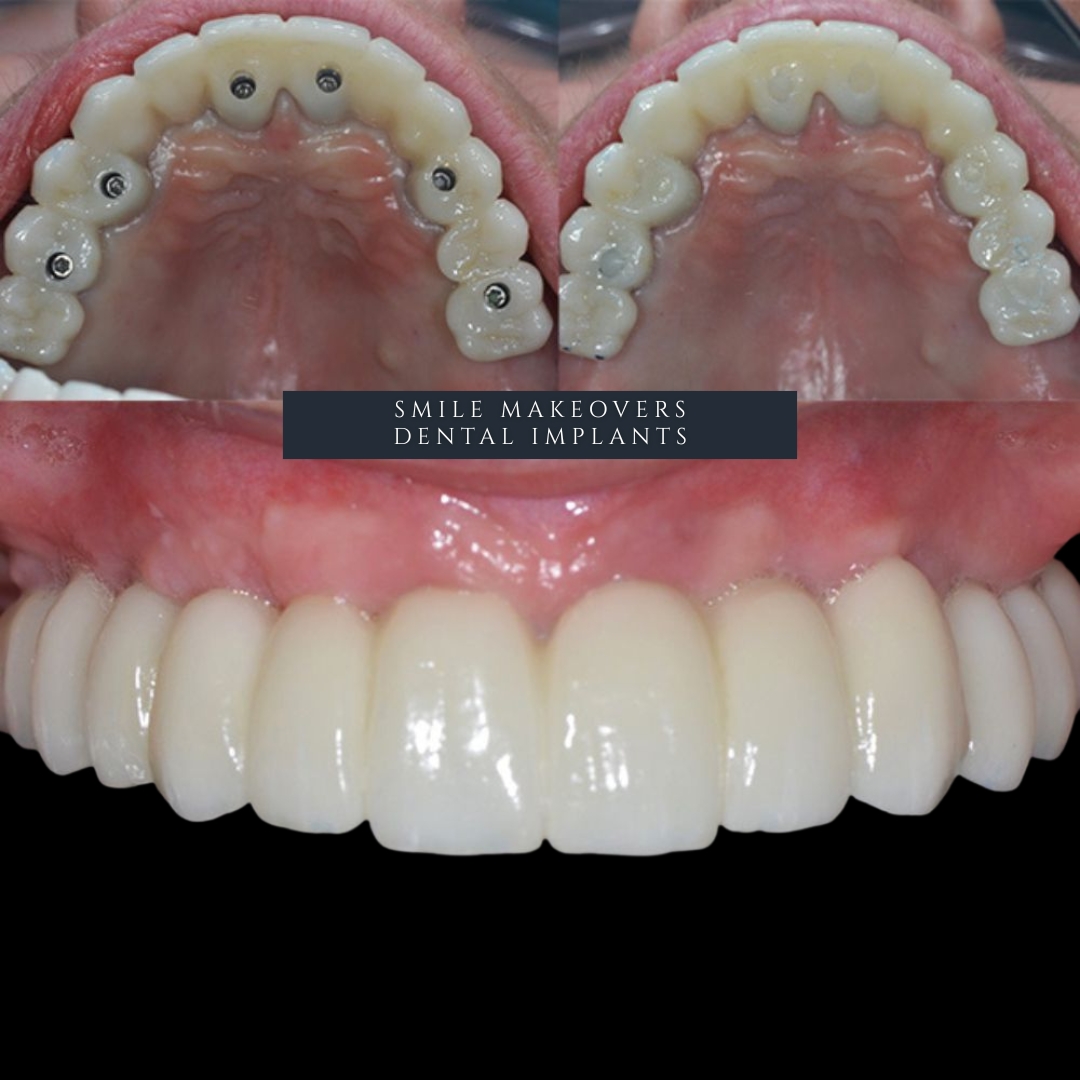
- Final Restoration: Attachment of a custom-made full arch of replacement teeth (bridge or denture) to the abutments.
Who Is a Candidate for Full Dental Implants?
- Cluster: full mouth implant eligibility, bone loss, dental implant consultation, alternative tooth replacement options
Determining whether you are a suitable candidate for full dental implants is crucial for ensuring the success of the procedure. Several factors are considered, including your overall health, bone density, and commitment to oral hygiene.
Suitability for Different Patient Profiles
Full dental implants can be a life-changing solution for many, but not everyone is an ideal candidate.
Age
While there’s no strict upper age limit, younger patients typically need to have reached full skeletal maturity before considering implants. At what age can you not get dental implants?
Health
Good general health is essential. Uncontrolled diabetes, severe heart conditions, or certain autoimmune diseases can affect the healing process and implant success.
Bone Density
Sufficient bone density in the jaw is necessary to support the implants. If you have experienced significant bone loss, bone grafting may be required. What can you do if you don’t have enough bone?
Common Reasons for Full Mouth Implants
- Extensive Tooth Decay: Severe decay that has damaged most or all of the teeth.
- Advanced Gum Disease: Periodontal disease leading to tooth loss.
- Injury or Trauma: Accidents or injuries resulting in the loss of multiple teeth.
- Failed Previous Dental Work: Previous dental treatments, such as dentures or bridges, that have not been successful.
Alternative Solutions for Patients Who Don’t Qualify
If you are not a candidate for full dental implants, alternative options may include:
- Implant Overdentures: Removable dentures that attach to a few dental implants for added stability.
- Traditional Dentures: Removable dentures that rest on the gums.
- Dental Bridges: Fixed restorations that replace missing teeth by attaching to adjacent natural teeth.
What is the best alternative to dental implants?
The Full Dental Implant Procedure Explained
- Cluster: dental implant surgery steps, same day teeth, healing time, aftercare
Understanding the steps involved in the full dental implant procedure can help alleviate anxiety and prepare you for what to expect. The process typically involves several stages, from initial consultation to final restoration.
Consultation and Planning
The first step is a comprehensive consultation with our experienced dental team. This includes:
- Thorough Examination: Assessing your oral health, including teeth, gums, and jawbone.
- Digital Scans: Taking detailed 3D images of your mouth to evaluate bone density and plan implant placement.
- Treatment Planning: Developing a customized treatment plan tailored to your specific needs and goals.
Implant Placement
The implant placement procedure involves surgically inserting the dental implants into your jawbone. This is typically done under local anesthesia, although sedation options are available for nervous patients.
Temporary Solutions
While the implants are healing, temporary solutions may be provided to maintain your appearance and function. These can include temporary dentures or bridges. How can I cover my missing teeth while waiting for the implant?
Fitting the Final Bridge/Teeth
Once the implants have fully integrated with the bone (osseointegration), the final step is to attach a custom-made full arch of replacement teeth to the implants. This can be a fixed bridge or a removable implant-supported denture.
Typical Timeline: Single Day vs Staged Treatments
The timeline for full dental implants can vary depending on individual circumstances.
- Same Day Teeth: In some cases, it’s possible to have implants placed and temporary teeth attached on the same day. Can implants be done in one day?
- Staged Treatments: More commonly, the procedure is staged over several months to allow for proper healing and osseointegration.
Aftercare and What to Expect Post-Surgery
Proper aftercare is essential for ensuring the success of your full dental implants. This includes:
- Pain Management: Taking prescribed pain medication as needed.
- Dietary Restrictions: Following a soft diet during the initial healing period.
- Oral Hygiene: Maintaining meticulous oral hygiene, including brushing, flossing, and using antibacterial mouthwash.
- Regular Check-ups: Attending regular follow-up appointments with our dental team.
Costs of Full Dental Implants in the UK
- Cluster: full mouth dental implant price UK, nhs dental implants, private dental implant costs, insurance, payment plans
Understanding the costs associated with full dental implants in the UK is essential for making an informed decision. The price can vary widely depending on several factors. Cost of dental implants in Albania are more affordable than UK.
Breakdown of Average UK Pricing Models
The average cost of full mouth dental implants in the UK can range from £15,000 to £30,000 per arch. This includes the cost of implants, surgery, abutments, and the final restoration.
What Influences Cost?
Several factors can affect the overall cost:
- Number of Implants: The more implants required, the higher the cost.
- Material Choice: The type of material used for the implants and replacement teeth can impact the price.
- Clinic Location: Dental clinics in major cities or affluent areas may charge more.
- Complexity of the Case: Cases requiring bone grafting or other advanced procedures will typically cost more.
What is the average UK price for full dental implants?
NHS vs Private Options
Accessing full dental implants through the NHS is rare, as they are typically only available in cases of medical necessity. Private dental clinics offer a wider range of options, but at a higher cost. Can you get implants on a NHS dentist?
Availability of Finance/Insurance
Many private dental clinics offer finance options or payment plans to help make full dental implants more affordable. Additionally, some dental insurance plans may cover a portion of the cost.
At Albania Dental Implants, we offer high-quality treatments at a significantly reduced cost, making a beautiful, functional smile accessible.
Benefits of Full Dental Implants Compared to Other Solutions
- Cluster: dentures vs implants, long-term results, oral health, aesthetics, bite strength
Full dental implants offer numerous advantages compared to other tooth replacement options, such as dentures and bridges. These benefits include improved function, comfort, and long-term oral health.
Function, Comfort, Durability
Full dental implants provide superior function, comfort, and durability compared to dentures. Because implants fuse with the jawbone, they offer a stable base for replacement teeth, allowing you to eat, speak, and smile with confidence.
Oral Health Advantages Over Dentures/Bridges
Full dental implants promote better oral health compared to dentures and bridges. Implants stimulate bone growth, preventing bone loss that can occur with dentures. Additionally, implants do not rely on adjacent teeth for support, preserving their health.
Aesthetics and Improved Confidence
Full dental implants look and feel like natural teeth, restoring your smile’s aesthetics and boosting your self-confidence. With implants, you can enjoy a natural-looking smile without worrying about slippage, discomfort, or bone loss.
Implants vs dentures?
Risks, Complications, and How They Are Managed
- Cluster: dental implant failure, infection, recovery, maintenance
Like any surgical procedure, full dental implants carry potential risks and complications. However, these can be minimized by choosing an experienced dentist and following proper aftercare instructions.
Common Complications and Risk Reduction Strategies
- Infection: Infection at the implant site is a potential risk. Reputable dentists use strict sterilization protocols and may prescribe antibiotics to prevent infection.
- Nerve Damage: Nerve damage can occur during implant placement, resulting in numbness or tingling in the lips, chin, or tongue. Careful planning and surgical technique can minimize this risk.
- Implant Failure: In rare cases, dental implants may fail to fuse with the bone. This can be due to infection, poor bone density, or other factors. Who is a poor candidate for dental implants?
Maintenance Tips for Long-Term Success
Proper maintenance is essential for the long-term success of your full dental implants. This includes:
- Meticulous Oral Hygiene: Brushing, flossing, and using antibacterial mouthwash daily.
- Regular Check-ups: Attending regular follow-up appointments with our dental team.
- Professional Cleanings: Getting professional dental cleanings to remove plaque and tartar buildup.
- Avoiding Harmful Habits: Avoiding smoking and excessive alcohol consumption, which can compromise implant health.
By following these maintenance tips, you can help ensure the longevity and success of your full dental implants.
Frequently Asked Questions About Dental Implants Full
What exactly are full dental implants?
Full dental implants are a comprehensive solution for replacing all teeth in one or both jaws. They involve surgically placing dental implants into the jawbone to support a full set of replacement teeth. This fixed solution offers superior stability, function, and aesthetics compared to traditional dentures.
How long do full dental implants last?
With proper care and maintenance, full dental implants can last for many years, even a lifetime. Regular check-ups, meticulous oral hygiene, and avoiding harmful habits can help ensure the longevity of your implants.
Can anyone get full dental implants?
While full dental implants are a great option for many, not everyone is a suitable candidate. Factors such as overall health, bone density, and commitment to oral hygiene can affect eligibility. A thorough consultation with our dental team can help determine if full dental implants are right for you. Who should not get dental implants?
How painful is the full dental implant procedure?
The full dental implant procedure is typically performed under local anesthesia, minimizing discomfort during the surgery. Some post-operative pain and swelling are normal, but this can be managed with pain medication. How painful are full mouth dental implants?
How do full dental implants compare to dentures?
Full dental implants offer several advantages over dentures, including improved stability, enhanced function, natural appearance, and long-term oral health benefits. Dentures are a removable option, while implants are a permanent, fixed solution.
Is the full dental implant procedure done in one day?
In some cases, it’s possible to have implants placed and temporary teeth attached on the same day (same-day teeth). However, more commonly, the procedure is staged over several months to allow for proper healing and osseointegration.
Are full dental implants available on the NHS?
Accessing full dental implants through the NHS is rare, as they are typically only available in cases of medical necessity. Private dental clinics offer a wider range of options, but at a higher cost.
What are the alternatives if I don’t have enough bone?
If you don’t have enough bone density in the jaw to support full dental implants, bone grafting may be an option. Other alternatives include implant overdentures or traditional dentures.
How do I care for my implants after surgery?
Proper aftercare is essential for ensuring the success of your full dental implants. This includes maintaining meticulous oral hygiene, attending regular follow-up appointments, and avoiding harmful habits.
What will my smile look like with full dental implants?
Full dental implants are designed to look and feel like natural teeth, restoring your smile’s aesthetics and boosting your self-confidence.
How soon can I return to work or normal activities?
Most patients can return to work and normal activities within a few days after implant placement. However, it’s important to follow your dentist’s instructions and avoid strenuous activities during the initial healing period.
Choosing the Right Clinic for Full Dental Implants in the UK
- Cluster: best dental implant clinic UK, CQC-registered implant clinic, patient reviews, experienced implantologist
Selecting the right clinic and dental team is crucial for ensuring the success of your full dental implant treatment. Consider the following factors:
What to Consider When Selecting a Provider
- Experience and Expertise: Choose a dentist with extensive experience in implant dentistry, particularly full arch restorations.
- Technology and Equipment: Look for a clinic that utilizes advanced technology, such as digital scans and 3D printing.
- Patient Reviews and Testimonials: Read reviews and testimonials from previous patients to gauge their satisfaction with the clinic.
- Consultation and Communication: Choose a dentist who takes the time to listen to your concerns, answer your questions, and develop a personalized treatment plan.
Checklist of Certifications and Experience
- Board Certification: Verify that the dentist is board-certified in implant dentistry.
- Continuing Education: Look for a dentist who stays up-to-date on the latest advancements in implant dentistry.
- CQC Registration: Ensure the clinic is registered with the Care Quality Commission (CQC) to ensure they meet quality and safety standards.
What to Ask in Your Consultation
Here are some important questions to ask during your consultation:
- How many full arch implant procedures have you performed?
- What is your success rate with full dental implants?
- What type of implants do you use?
- What are the potential risks and complications?
- What is the total cost of treatment, and what payment options are available?
Best dental implant clinic UK
At Albania Dental Implants, we pride ourselves on our expertise, technology, and commitment to patient satisfaction.
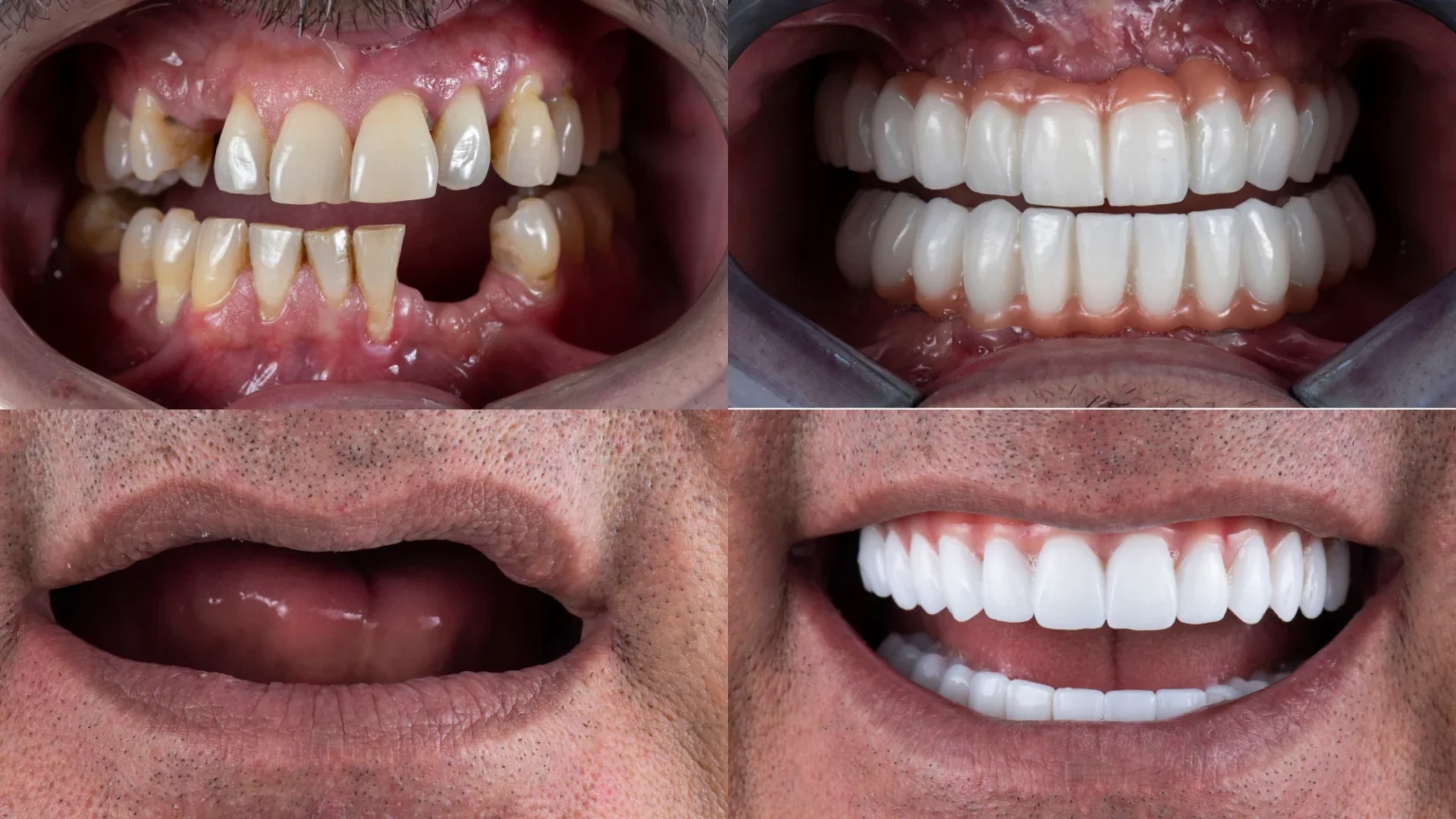
Patient Experiences and Success Stories
- Cluster: patient testimonials, before and after, full mouth dental implant reviews
Reading about the experiences of other patients can provide valuable insights and reassurance. Here are some examples of patient journeys and success stories:
Showcase Real Case Studies or Anonymized Patient Journeys
Case Study 1: Sarah, a 65-year-old woman, had lost all of her teeth due to advanced gum disease. She struggled with traditional dentures for years, experiencing discomfort and difficulty eating. After receiving full dental implants at Albania Dental Implants, Sarah regained her confident smile and ability to enjoy her favorite foods.
Case Study 2: John, a 58-year-old man, had lost his teeth due to an accident. He was self-conscious about his smile and avoided social situations. After undergoing full dental implant treatment, John’s confidence soared, and he began to participate in social activities again.
Next Steps – Booking Your Consultation
- Cluster: dental implant consultation, free implant assessment, what to expect
If you’re ready to take the first step towards restoring your smile with full dental implants, we encourage you to book a consultation with our experienced dental team.
Call-to-Action for Readers to Book a Consultation
Contact Albania Dental Implants today to schedule your consultation and learn more about how full dental implants can transform your life.
Summary of Why to Act Now
- Regain your confident smile.
- Improve your ability to eat, speak, and smile with ease.
- Restore your oral health and prevent bone loss.
- Enjoy a permanent and stable solution for tooth replacement.
Don’t wait any longer to achieve the smile you’ve always dreamed of. Contact us today!
Competitor Articles to Outperform
- Bupa Dental Care – Full Mouth Dental Implants
- {Private Clinic Name} – Full Mouth Dental Implant Solutions UK
- NHS – Dental Implants Information
- {Top UK dentistry brand} – All On 4 & Full Mouth Implants Guide
- Trustpilot & Reviews.io sections for “full mouth dental implants UK”





