



Dental Implant Cost UK NHS: Everything You Need to Know
Understanding the dental implant cost UK NHS is crucial if you’re considering this life-changing tooth replacement option. Many people in the UK face the challenge of missing teeth and seek affordable, long-lasting solutions. This comprehensive guide explores the possibility of accessing dental implants through the NHS, the associated costs, eligibility criteria, and alternatives, including exploring options such as Albania Dental Implants.
What are Dental Implants?
Dental implants are a popular and effective solution for missing teeth. They offer a permanent, stable, and natural-looking alternative to dentures and bridges.
NHS dental implants definition
NHS dental implants involve surgically placing titanium posts into the jawbone to act as artificial tooth roots. These posts then support replacement teeth that look, feel, and function like natural teeth.
Advantages of dental implants over other treatments
- Durability: Dental implants can last a lifetime with proper care.
- Stability: Implants provide a secure base for replacement teeth, preventing slipping or movement.
- Natural Look and Feel: Implants look and feel like natural teeth, restoring your smile and confidence.
- Improved Oral Health: Unlike bridges, implants don’t require altering adjacent teeth, preserving more of your natural tooth structure.
- Bone Preservation: Implants stimulate bone growth in the jaw, preventing bone loss that can occur with missing teeth.
Can You Get Dental Implants on the NHS?
Accessing dental implants on the NHS is possible, but it’s essential to understand the eligibility criteria and limitations. The availability of NHS dental implants is limited, and specific requirements must be met.
NHS dental treatment eligibility
To be eligible for NHS dental treatment, you must be a UK resident. However, eligibility for specific treatments like dental implants is more restricted.
NHS dental implant waiting list
Even if you meet the eligibility criteria for NHS dental implants, be prepared for a significant waiting list. Due to high demand and limited funding, waiting times can be extensive, often stretching into several months or even years.
Circumstances NHS provides implants (trauma, medical necessity)
The NHS primarily provides dental implants in cases of medical necessity, such as:
- Trauma: Significant facial injuries resulting in tooth loss.
- Medical Conditions: Certain medical conditions that affect tooth development or result in tooth loss.
- Congenital Abnormalities: Cases where teeth are missing from birth.
In these instances, the NHS may consider funding dental implants to restore function and quality of life. However, purely cosmetic reasons are very unlikely to be covered.
What Is the Dental Implant Cost UK NHS vs Private?
When it comes to restoring your smile, understanding the cost of dental implants UK is crucial. The NHS and private dental sectors offer different pricing structures, influencing accessibility and treatment options. However for the reader that doesn’t qualify for free nhs treament, the best option is to explore options such as cost of dental implants in albania
Cost of dental implants UK under NHS
If you’re fortunate enough to qualify for dental implants on the NHS, the cost will fall under one of the standard NHS dental charge bands:
- Band 1 (£26.80): Covers examinations, diagnosis, and preventative care.
- Band 2 (£73.50): Includes everything in Band 1, plus fillings, root canal treatment, and extractions.
- Band 3 (£319.10): Covers everything in Bands 1 and 2, plus more complex procedures like crowns, dentures, and bridges.
Dental implants are typically classified under Band 3. However, as NHS funding for implants is rare, it’s unlikely you’ll only pay the standard Band 3 charge. There may be additional costs associated with the implant components and the expertise required.
Private dental implants UK and prices
Choosing the private route for private dental implants UK offers greater flexibility and potentially shorter waiting times, but it comes at a higher cost. Prices vary depending on the clinic, the type of implant, and the complexity of the case. However, you can get better deals by considering dental tourism in Albania where high-quality treatment is available at affordable prices.
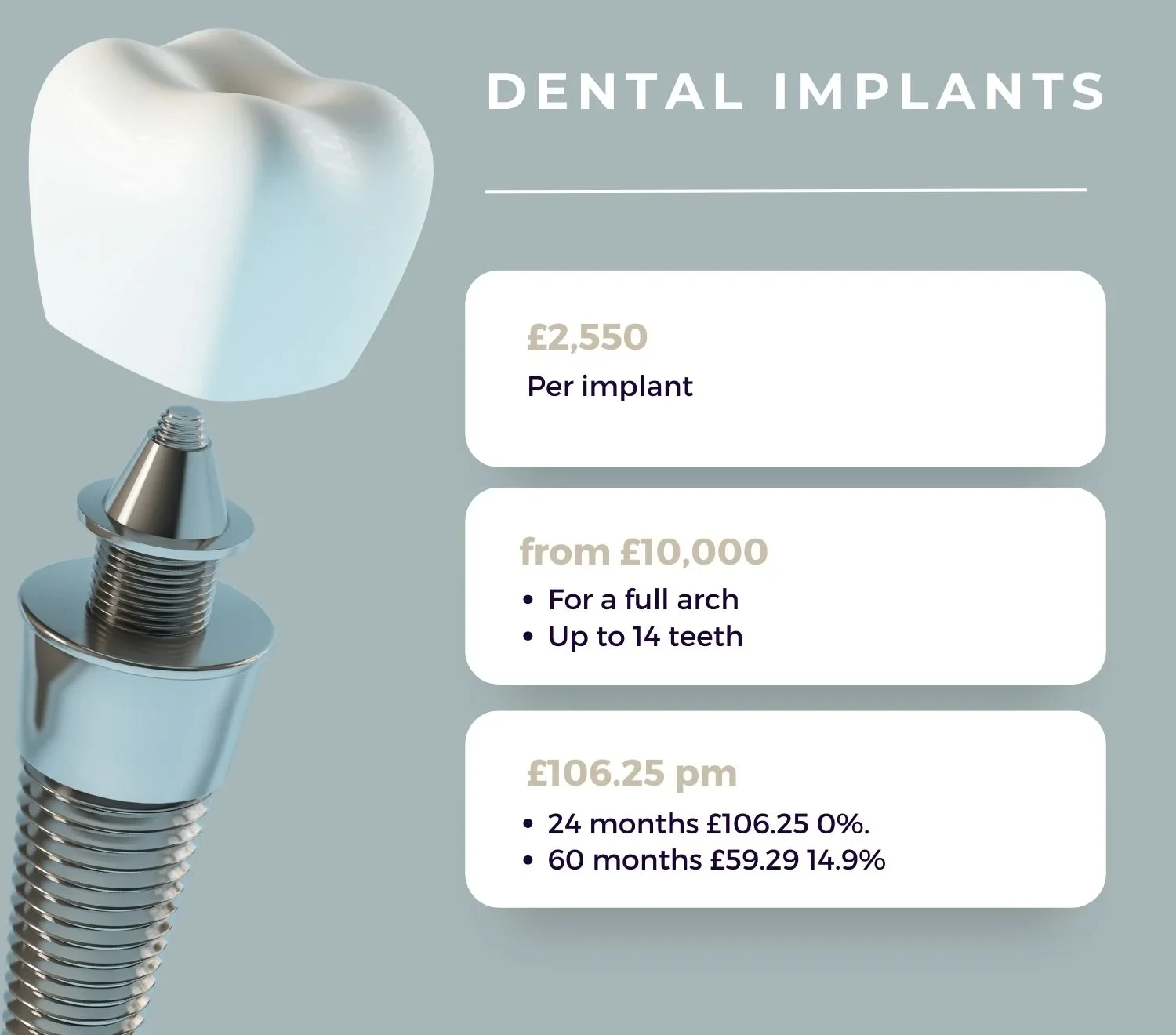
- Single Tooth Implant: £2,000 to £4,000 per implant.
- All-on-4 Implants: £8,000 to £15,000 per arch (upper or lower).
- Full Mouth Implants: £15,000 to £30,000 or more, depending on the complexity and materials used.
Cost comparison NHS vs private
The table below provides a general cost comparison between NHS and private dental implants:
| Treatment | NHS Cost | Private Cost |
|---|---|---|
| Single Tooth Implant | £319.10 (Band 3 charge, rarely covers full cost) | £2,000 – £4,000 |
| All-on-4 Implants (per arch) | Not typically available | £8,000 – £15,000 |
| Full Mouth Implants | Not typically available | £15,000+ |
The NHS offers significantly lower upfront costs, but access is limited. Private dental implants provide greater choice and faster treatment but require a substantial financial investment. Consider Albania Dental Implants as an alternative to avoid high costs in the UK.
Are Dental Implants Free on the NHS?
Many individuals wonder if free dental implants NHS are an option. While it’s rare, certain circumstances may qualify you for free or subsidised treatment.
Free dental implants NHS: eligibility criteria
You may be eligible for free NHS dental treatment, including the possibility of dental implants, if you meet one of the following criteria:
- Aged under 18.
- Receiving certain benefits like Income Support, Income-based Jobseeker’s Allowance, Income-related Employment and Support Allowance, or Pension Credit Guarantee Credit.
- Entitled to or named on a valid NHS Tax Credit Exemption Certificate.
- Entitled to or hold a valid HC2 certificate.
Even if you meet these criteria, free dental implants are only provided in cases of medical necessity, as determined by your dentist.
Funding for dental implants
Funding for dental implants can be a concern for many. If you don’t qualify for free NHS treatment, explore these funding options:
- Dental Insurance: Some dental insurance plans cover a portion of the cost of dental implants.
- Payment Plans: Many private dental clinics offer payment plans to spread the cost of treatment over time.
- Personal Loans: Consider a personal loan to finance your dental implant treatment.
- Dental Tourism: Traveling abroad for dental treatment, such as to Albania, can significantly reduce costs.
NHS dental services overview
NHS dental services provide a range of treatments, but access to advanced procedures like dental implants is limited. Prioritisation is given to essential treatments that maintain oral health and function.
How to Apply for Dental Implants on the NHS
Understanding how to get dental implants on NHS involves navigating a specific process. While not always straightforward, here’s a breakdown of the application steps:
Process and documentation required
The first step is to visit an NHS dentist for a comprehensive dental examination. The dentist will assess your oral health and determine if you meet the criteria for a referral for dental implants. Required documentation may include:
- Medical history.
- Dental records.
- Proof of eligibility for free NHS treatment (if applicable).
GP/dentist referral steps
If your NHS dentist believes you’re a suitable candidate for dental implants, they will refer you to a specialist for further evaluation. This referral doesn’t guarantee you’ll receive implants, but it’s a necessary step in the process.
What to expect after application
After your referral, you’ll be assessed by a specialist who will determine if dental implants are the most appropriate treatment option for your specific case. They will consider factors like your oral health, bone density, and overall medical condition. Be prepared for a potentially long waiting time for assessment and treatment.
Alternatives to NHS Dental Implants
If NHS dental implants aren’t an option for you, explore alternative dental treatments available. These options may be more readily accessible and affordable.
Alternative dental treatments available on NHS
The NHS offers several alternatives to dental implants for replacing missing teeth:
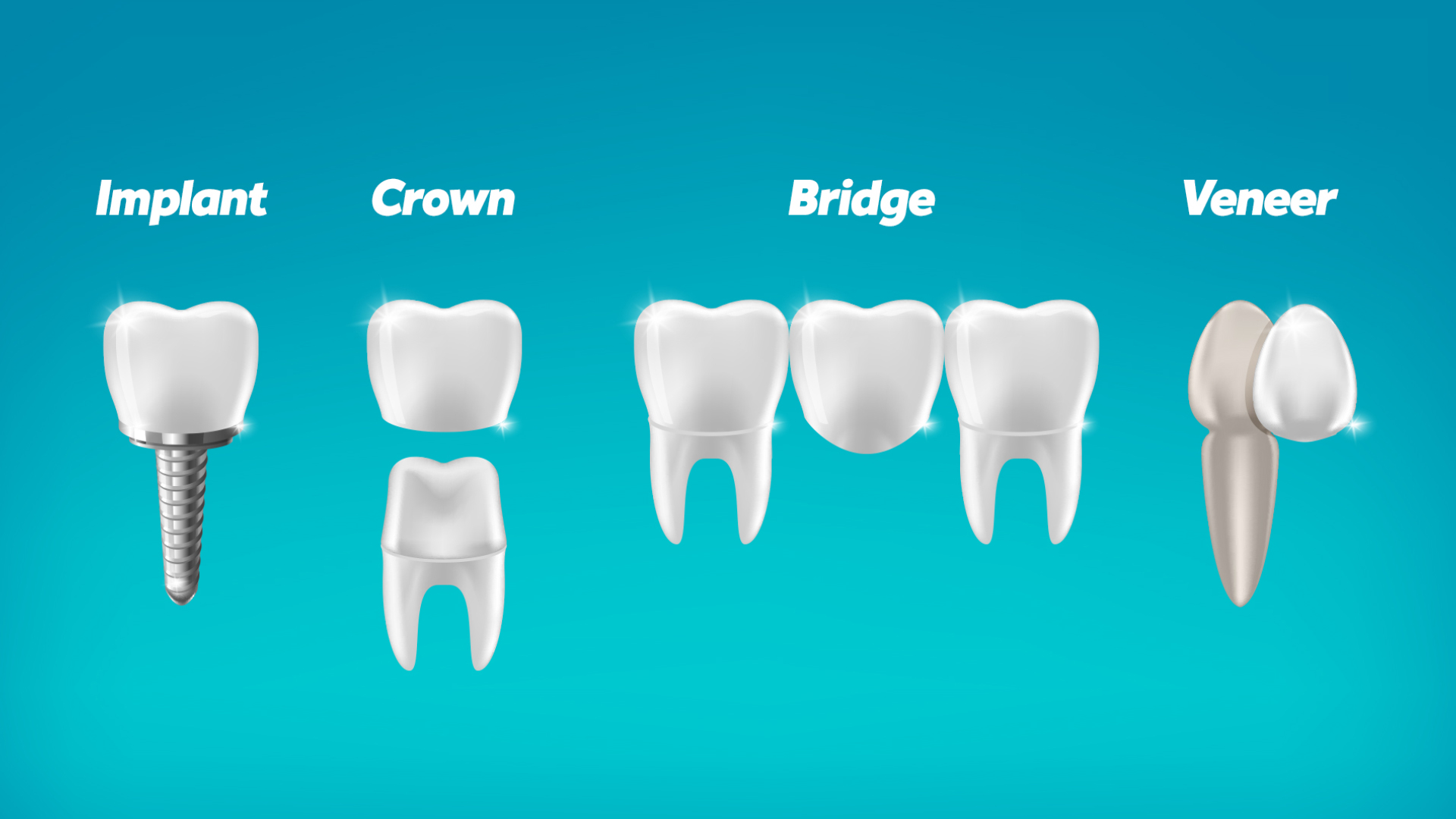
- Dentures: Removable appliances that replace missing teeth.
- Bridges: Fixed appliances that attach to adjacent teeth to fill the gap left by a missing tooth.
Pros and cons of alternatives
Dentures:
- Pros: More affordable than implants, readily available on the NHS.
- Cons: Can be uncomfortable, may slip or move, can affect speech and eating, don’t prevent bone loss.
Bridges:
- Pros: More stable than dentures, fixed in place.
- Cons: Require altering adjacent teeth, don’t prevent bone loss, shorter lifespan than implants.
Consider cheaper alternatives to dental implants in the UK.
Real Patient Experiences & Case Studies
While it’s challenging to find documented case studies of patients receiving dental implants on the NHS due to their limited availability, patient forums and online communities offer insights into the experiences of individuals seeking this treatment.
Patient stories or testimonials on NHS dental implants
Many patients share their experiences online, detailing the challenges of navigating the NHS system and the lengthy waiting times. Some express frustration with the limited availability of dental implants and the strict eligibility criteria. “I lost a tooth in an accident, and my dentist said I qualified for an implant on the NHS. But the waiting list was over a year long! I ended up going private because I couldn’t wait that long.” – Sarah, London
Common challenges (waiting lists, eligibility issues)
Common challenges reported by patients include:
- Long waiting lists: Significant delays for assessment and treatment.
- Strict eligibility criteria: Difficulty meeting the requirements for NHS funding.
- Limited availability: Not all NHS dentists offer dental implant services.
Frequently Asked Questions
Here are answers to some of the most frequently asked questions about dental implant cost UK NHS.
Who qualifies for dental implants on the NHS?
Eligibility for dental implants on the NHS is limited and primarily based on medical necessity. You may qualify if you have experienced significant trauma resulting in tooth loss, have certain medical conditions that affect tooth development, or have congenital abnormalities. Purely cosmetic cases are unlikely to be covered.
How much do dental implants cost on the NHS?
If you qualify for dental implants on the NHS, you’ll typically pay the standard Band 3 charge (£319.10). However, this rarely covers the entire cost of the procedure, and additional expenses may apply. Check your nhs dental implant price
Are NHS dental implants the same as private ones?
The materials and techniques used for NHS dental implants are generally the same as those used in private practice. However, the range of options and the level of customisation may be more limited on the NHS.
What is the waiting time for NHS dental implants?
Waiting times for NHS dental implants can be extensive, often stretching into several months or even years due to high demand and limited funding.
Are there additional costs with NHS dental implants?
While the initial charge may be the standard NHS rate, additional costs may arise for consultations, x-rays, and other related procedures.
What if I’m refused dental implants on the NHS?
If you’re refused dental implants on the NHS, you have the right to appeal the decision. Discuss your concerns with your dentist and follow the NHS complaints procedure. Alternatively, consider private dental treatment or explore options like dental tourism.
Can children get dental implants via the NHS?
Dental implants are generally not recommended for children until their jawbone has fully developed. In exceptional cases, the NHS may consider implants for children with congenital abnormalities or severe trauma, but this is rare.
What alternatives are offered if I’m not eligible for NHS dental implants?
If you’re not eligible for NHS dental implants, your dentist may offer alternative tooth replacement options such as dentures or bridges.
How do I appeal an NHS dental implant decision?
To appeal an NHS dental implant decision, follow these steps:
- Discuss with your dentist: Understand the reasons for the refusal and explore alternative options.
- Formal complaint: Submit a formal written complaint to the dental practice.
- NHS England: If unresolved, escalate your complaint to NHS England.
- Parliamentary and Health Service Ombudsman: As a last resort, contact the Ombudsman.
Are payment plans available for private dental implants in the UK?
Yes, many private dental clinics in the UK offer payment plans to help spread the cost of dental implant treatment. Discuss financing options with your chosen clinic.
Considering financial concerns, you can also explore how do you pay for dental implants UK
Conclusion
Navigating the dental implant cost UK NHS landscape requires understanding eligibility, costs, and alternatives. While NHS dental implants offer a more affordable option, access is limited, and waiting times can be extensive. Private dental implants provide greater flexibility but come at a higher cost. Consider all your options, including dental insurance, payment plans, and dental tourism, to find the best solution for your needs and budget. We at Albania Dental Implants can be your most trusted partner for high-quality and cost-effective dental care abroad.
Ready to restore your smile and confidence? Contact Albania Dental Implants today for a free consultation and discover how we can help you achieve your dream smile at an affordable price!





