



Dental Implants: Your Complete Guide to a Perfect Smile
Dental implants are the gold standard for replacing missing teeth, offering a permanent, natural-looking, and functional solution superior to dentures and bridges. Are you considering a smile makeover? This comprehensive guide will equip you with everything you need to make an informed decision about restoring your confidence and oral health with dental implants.
What Are Dental Implants?
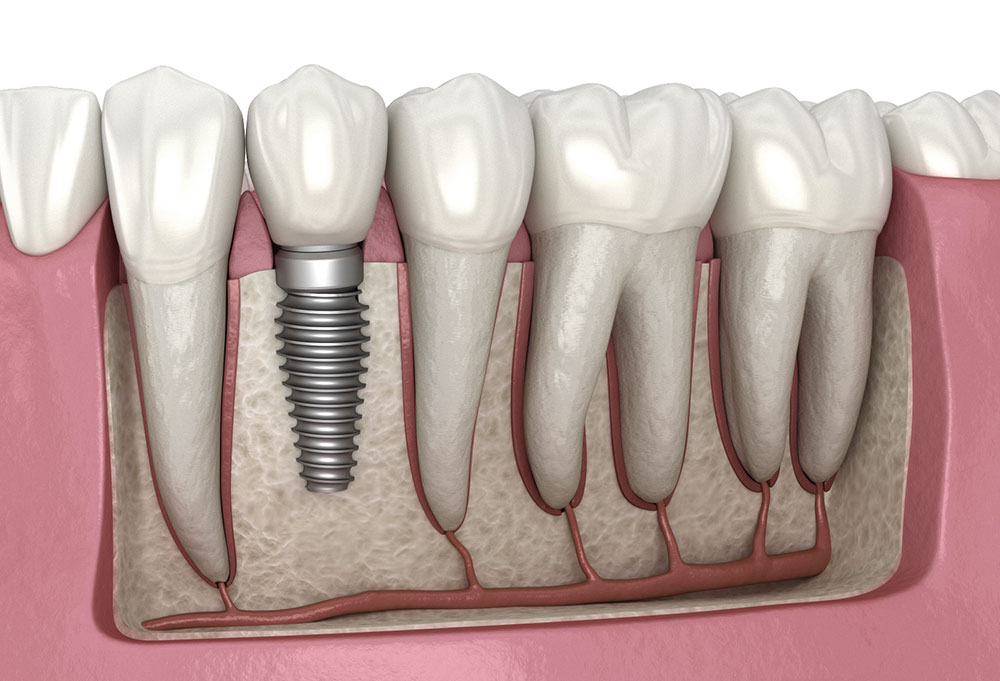
What are dental implants? Dental implants are artificial tooth roots, typically made of biocompatible titanium, surgically placed into the jawbone to support a replacement tooth or bridge. They provide a strong and stable foundation for long-term tooth replacement.
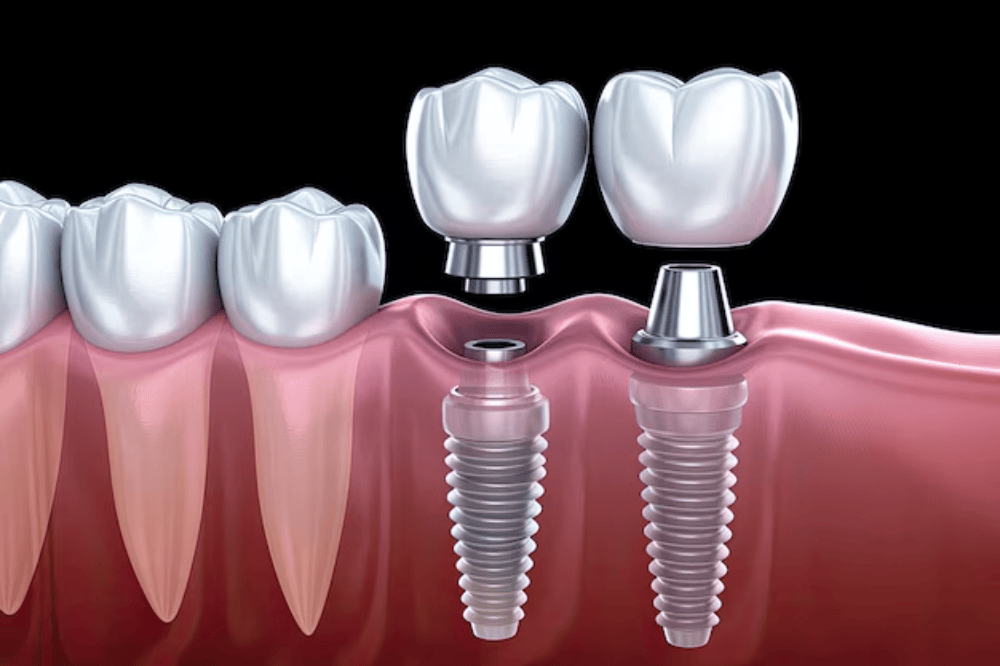
Components of a Dental Implant
- Implant: The titanium post that fuses with the jawbone through a process called osseointegration.
- Abutment: A connector that attaches to the implant and supports the crown.
- Crown: The artificial tooth that is custom-made to match your natural teeth in shape, size, and color.
Who Needs Dental Implants?
Dental implants are an excellent option for individuals who:
- Have one or more missing teeth due to injury, decay, or other reasons.
- Have sufficient bone density in the jaw to support an implant.
- Are in good general health.
- Are committed to maintaining good oral hygiene.
If you’re missing one or several teeth, dental implants in Albania could be the ideal solution to restore your smile.
Types of Dental Implants
What are the three types of dental implants? Understanding the different types of dental implants available can help you choose the best option for your specific needs.
Endosteal vs. Subperiosteal Implants
- Endosteal Implants: These are the most common type, placed directly into the jawbone. They are suitable for patients with good bone density.
- Subperiosteal Implants: These are placed under the gum but on or above the jawbone. They are used when there is insufficient bone for endosteal implants.
Mini Dental Implants
What is a mini dental implant? Mini dental implants (MDIs) are smaller in diameter than traditional implants. They are often used to stabilize dentures or replace small teeth in tight spaces. MDIs are less invasive and require a shorter healing time.
For patients needing support for dentures or smaller tooth replacements, mini dental implants offer a cost-effective and less invasive option.
Dental Implant Procedure Explained
What is the dental implant procedure? The dental implant procedure involves several steps, from the initial consultation to the final placement of the crown. Understanding the process can alleviate anxiety and prepare you for a successful outcome.
Step-by-Step Process: Consultation to Final Crown
- Consultation and Evaluation: A comprehensive dental examination, including X-rays and scans, to assess your oral health and bone density. The dentist will determine if you are a suitable candidate for dental implants.
- Implant Placement: The implant is surgically placed into the jawbone under local anesthesia or sedation.
- Osseointegration: A healing period of several months, allowing the implant to fuse with the jawbone.
- Abutment Placement: Once osseointegration is complete, the abutment is attached to the implant.
- Crown Placement: A custom-made crown is attached to the abutment, completing the tooth replacement process.
Typical Timeline
How long do dental implants last? The entire dental implant process can take several months, typically ranging from 6 to 9 months, depending on individual healing times and the complexity of the case. From the initial consultation to the final placement of the crown, this timeline ensures a stable and long-lasting result.
Costs of Dental Implants in the UK
Dental implant cost UK. The cost of dental implants in the UK can vary widely depending on several factors. Understanding these factors can help you budget and explore options for affordable treatment.
Factors Affecting Cost
- Number of Teeth: Replacing multiple teeth will cost more than a single tooth implant.
- Materials: The type of materials used for the implant, abutment, and crown can affect the overall cost. Zirconia implants in Albania are a popular choice, but other materials may be available.
- Location: The cost of dental treatment can vary depending on the location of the dental clinic.
- Additional Procedures: Procedures such as bone grafting or sinus lifts may be necessary, adding to the overall cost.
Private vs. NHS Options
NHS dental implants (UK). While dental implants are not routinely available on the NHS, they may be provided in specific circumstances where there is a medical need. Private dental clinics offer a wider range of options and materials, but at a higher cost. If you qualify for NHS implants, it’s important to check Can you get implants on a NHS dentist? to understand the costs involved.
Considering the high costs in the UK, many patients opt for affordable solutions like dental tourism in Albania.
Benefits and Risks of Dental Implants
What is the downside to dental implants? While dental implants offer numerous benefits, it’s important to be aware of the potential risks and complications involved.
Advantages of Dental Implants
- Function: Dental implants restore full chewing ability, allowing you to enjoy all types of food.
- Appearance: Implants look and feel like natural teeth, enhancing your smile and confidence.
- Health: Implants help prevent bone loss in the jaw and maintain facial structure.
- Durability: With proper care, dental implants can last a lifetime.
Risks and Complications
- Infection: Infection at the implant site can occur, requiring antibiotic treatment.
- Implant Failure: In rare cases, the implant may not fuse properly with the jawbone, leading to failure.
- Nerve Damage: Nerve damage can occur during surgery, resulting in numbness or tingling in the gums, lips, or chin.
Dental Implant Recovery and Aftercare
Dental implant recovery. Proper aftercare is essential for the long-term success of dental implants. Following your dentist’s instructions and maintaining good oral hygiene can ensure a smooth recovery and prevent complications.
Healing Timeline
The initial healing period after implant placement typically lasts 1 to 2 weeks. During this time, you may experience some discomfort, swelling, and bruising. Osseointegration, the process of the implant fusing with the jawbone, can take several months.
Aftercare Tips for Long-Term Success
- Maintain Good Oral Hygiene: Brush and floss daily, paying special attention to the implant site.
- Use an Antibacterial Mouthwash: Rinse with an antibacterial mouthwash to prevent infection.
- Avoid Hard and Sticky Foods: These can damage the implant or crown.
- Schedule Regular Dental Checkups: Visit your dentist for regular checkups and cleanings to monitor the health of your implants.
Who Is a Candidate for Dental Implants?
Who should not get dental implants? Determining if you are a suitable candidate for dental implants involves assessing various factors, including your oral health, medical conditions, and lifestyle habits.
Eligibility Criteria
- Sufficient Bone Density: Adequate bone volume in the jaw is necessary to support the implant.
- Good Oral Health: Healthy gums and teeth are essential to prevent infection.
- Overall Health: Certain medical conditions, such as uncontrolled diabetes or autoimmune diseases, may affect the success of dental implants.
- Non-Smoker: Smoking can impair healing and increase the risk of implant failure.
Patients with severe bone loss may require bone grafting in Albania to become eligible for implants.
Dental Implants vs. Dentures
What is the best alternative to dental implants? While dentures and bridges are alternative options for replacing missing teeth, dental implants offer several advantages:
- Stability: Implants are anchored in the jawbone, providing a stable and secure foundation for replacement teeth.
- Longevity: Implants can last a lifetime with proper care, while dentures and bridges may need to be replaced every 5 to 10 years.
- Bone Health: Implants stimulate bone growth, preventing bone loss in the jaw.
- Aesthetics: Implants look and feel like natural teeth, enhancing your smile and confidence.
Frequently Asked Questions About Dental Implants
How painful is a dental implant procedure?
How painful is a dental implant? Most patients report minimal discomfort during the dental implant procedure, thanks to local anesthesia and sedation options. Post-operative pain can be managed with over-the-counter pain relievers or prescription medication, if necessary.
How long do dental implants last?
How long do dental implants last? With proper care and maintenance, dental implants can last a lifetime. Regular dental checkups, good oral hygiene, and a healthy lifestyle can contribute to the longevity of your implants.
Are dental implants available on the NHS in the UK?
Can NHS pay for my dental implants? Dental implants are not routinely available on the NHS in the UK, but they may be provided in specific circumstances where there is a medical need. Eligibility is assessed on a case-by-case basis.
Can dental implants be done in one day?
Can implants be done in one day? In some cases, immediate loading dental implants, also known as “teeth in a day,” can be placed in a single visit. However, this option is not suitable for all patients and requires careful evaluation.
What is the success rate of dental implants?
The success rate of dental implants is generally high, with studies reporting success rates of over 95% for implants placed in healthy bone. Factors such as smoking, poor oral hygiene, and certain medical conditions can affect the success rate.
How much do dental implants cost in the UK?
How much do dental implants cost in the UK? The cost of dental implants in the UK can vary widely, ranging from £2,000 to £4,000 per implant, depending on the complexity of the case and the materials used.
Patients seeking affordable options often consider cost of dental implants in Albania, where prices are significantly lower.
What’s the difference between dental implants, dentures, and bridges?
What’s the difference between dental implants, dentures, and bridges? Dental implants are permanent replacements for missing teeth, anchored in the jawbone. Dentures are removable appliances that replace multiple teeth, while bridges are fixed restorations that span the gap between missing teeth, supported by adjacent teeth.
Are there age limits for dental implants?
Are there age limits for dental implants? There is no upper age limit for dental implants, as long as the patient is in good general health. However, dental implants are generally not recommended for young people whose jawbones are still developing.
What foods can I eat after getting dental implants?
What foods can I eat after getting dental implants? After getting dental implants, it’s best to stick to soft foods that are easy to chew, such as yogurt, mashed potatoes, and soup. Avoid hard, sticky, and crunchy foods that can damage the implant site.
How do I care for my dental implants?
Caring for your dental implants involves maintaining good oral hygiene, brushing and flossing daily, and scheduling regular dental checkups. Avoid smoking and limit your intake of sugary and acidic foods that can damage your teeth and gums.
What are mini dental implants, and who needs them?
What is a mini dental implant? Mini dental implants are smaller in diameter than traditional implants. They are often used to stabilize dentures or replace small teeth in tight spaces. Patients with limited bone density or those seeking a less invasive option may benefit from mini dental implants.
Restore Your Smile and Confidence with Dental Implants
Dental implants offer a life-changing solution for replacing missing teeth, restoring your smile, and improving your overall quality of life. If you are considering dental implants, contact Albania Dental Implants today to schedule a consultation and learn more about our comprehensive dental implant services and dental tourism in Albania.
Don’t let missing teeth hold you back any longer. Take the first step towards a healthier, more confident you. Contact Albania Dental Implants today!





