



Dental Implants on NHS: Your Guide to Getting NHS Dental Implants in the UK
Dental implants on NHS are available to eligible patients across the UK who meet strict clinical criteria. This comprehensive guide will provide you with everything you need to know about accessing NHS dental implants, including eligibility, costs, waiting times, and alternatives, so you can make an informed decision about restoring your smile.
What Are Dental Implants and How Do They Work?
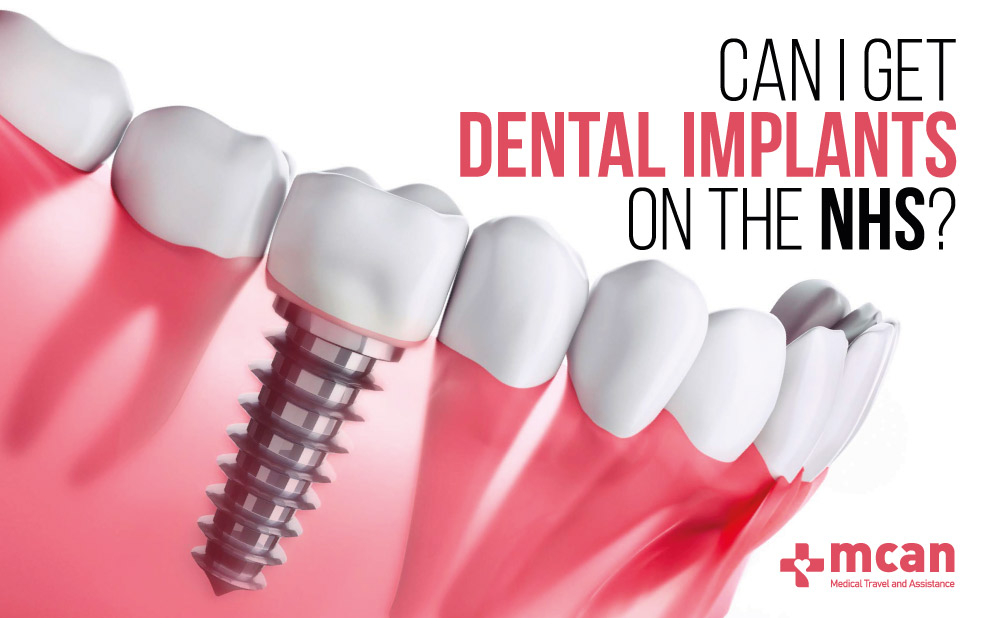
Understanding what dental implants are and how they work is crucial before exploring your options. NHS dental implants explained involve a surgical procedure where a titanium post is implanted into the jawbone to act as a replacement tooth root. This provides a stable foundation for a crown, bridge, or denture.
NHS Dental Implants Explained
NHS dental implant procedure typically involves several stages. First, a thorough assessment is conducted to determine your suitability. If approved, the implant is surgically placed into the jawbone. Over several months, the bone fuses with the implant through a process called osseointegration. Once this is complete, a connecting piece called an abutment is attached, and finally, a custom-made crown is fitted, creating a natural-looking and functional tooth.
While the process might seem lengthy, the long-term benefits are substantial. Dental implants offer superior stability compared to dentures, allowing you to eat, speak, and smile with confidence. They also help prevent bone loss and maintain facial structure. If you are exploring options, bear in mind the long term benefits for your overall health.
Procedure Overview and Typical Outcomes
The typical outcome of an NHS dental implant procedure is a restored smile with improved functionality and aesthetics. The success rate of dental implants is high, with many lasting for decades with proper care. Regular dental check-ups and good oral hygiene are essential for maintaining the longevity of your implant. For a more permanent solution to your dental problems, consider dental implants.
Who Qualifies for NHS Dental Implants?
Determining who qualifies for NHS dental implants involves a strict assessment process. Not everyone is eligible, as the NHS prioritizes cases based on medical necessity. The NHS patient rights also play a crucial role in accessing treatment.
Eligibility Criteria (Medical Necessity, Trauma, Disease)
The eligibility criteria for who qualifies for NHS dental implants are primarily based on medical necessity. This means implants are typically considered when tooth loss is a direct result of trauma, disease, or a congenital condition. For example, if you’ve lost teeth due to a severe accident or as a consequence of cancer treatment, you may be eligible. Cases involving significant functional impairment are also often prioritized.
According to the NHS, the main criteria are that:
- Tooth loss is caused by trauma.
- Tooth loss is due to cancer.
- Tooth loss is due to a congenital disease.
This stringent criteria ensures the funding is allocated to the patients that are most in need.
Exclusions and Limitations (Cosmetic Cases)
Cosmetic cases are generally excluded from NHS dental implant coverage. If your primary concern is improving the appearance of your smile without underlying medical reasons, you’ll likely need to explore private dental options. The NHS focuses on restoring essential dental function rather than aesthetic enhancements. Consider that, at Albania Dental Implants, the prices are 70% less than in the UK.
How to Apply/Assessment Process
The application and assessment process for accessing NHS dental implants starts with a consultation with your general dentist. They will assess your oral health and determine if you meet the eligibility criteria. If they believe you have a case, they will refer you to a specialist dental implant center for a comprehensive evaluation. This evaluation may include X-rays, scans, and a detailed medical history review. It’s essential to gather all relevant medical records to support your application and be prepared to provide detailed information about your dental history.
If you are deemed ineligible, find out if you Can You Get Implants on a NHS Dentist?
What Is the Cost of Dental Implants on the NHS?
Understanding the NHS dental implant cost is a key factor when considering this treatment option. It’s essential to compare the NHS dental implant cost vs private options to make an informed financial decision.
NHS Dental Implant Cost vs Private
The cost of dental implants on the NHS is significantly lower than private dental care. NHS dental treatments are subsidized, making them more affordable for eligible patients. However, the limited availability and strict eligibility criteria mean that many individuals may need to consider private options despite the higher cost. You may find it useful to understand the cost of dental implants in Albania.
Band 3 Treatment Charges and What They Cover
NHS dental implant cost typically falls under Band 3 treatment charges. As of 2024, this band covers complex procedures like crowns, dentures, and implants. The Band 3 charge covers all treatment provided in a single course of care. This includes examinations, diagnosis, and preventative care, as well as the actual implant placement and restoration. So, you can be assured that you are only paying for the treatment once, and there is no additional charge.
Hidden Costs, If Any
While the Band 3 charge covers most aspects of the implant procedure, it’s essential to inquire about potential hidden costs. For example, if additional procedures like bone grafting are required, these may incur extra charges. Always clarify the full scope of the treatment plan and associated costs with your dentist beforehand.
NHS Dental Implants vs Private Dental Implants
Deciding between NHS dental implants vs private dental implants involves weighing several factors, including cost, eligibility, and waiting times. It is important to understand the differences between the services. Dental implant waiting times can also significantly impact your decision.
Key Differences: Cost, Eligibility, Waiting Times
The key differences lie in cost, eligibility, and waiting times. NHS dental implants are more affordable but have strict eligibility criteria and longer waiting times. Private dental implants offer quicker access and more flexible treatment options but come at a higher cost. It’s essential to assess your individual needs and priorities to determine the best course of action.
Quality of Care and Patient Experience
The quality of care and patient experience can vary between NHS and private dental services. Private clinics often offer more personalized care and state-of-the-art facilities. However, skilled and experienced dentists also provide high-quality care within the NHS system. It’s advisable to research the credentials and patient reviews of the dental professionals involved in your treatment, regardless of whether it’s NHS or private.
Typical Waiting Times and How to Access Treatment
Navigating the system to understand dental implant waiting times and how to access treatment on the NHS can be challenging. The NHS referral pathway and NHS dental services availability can vary by region.
NHS Referral Pathway
<
The NHS referral pathway for dental implants typically starts with your general dentist. If they assess that you meet the eligibility criteria, they will refer you to a specialist implant center or a consultant within the NHS system. This referral process can take time, as specialists need to evaluate your case and determine if you are a suitable candidate for implants.
Expected Waiting Periods by Region
Expected waiting periods for dental implants on the NHS can vary significantly by region. Areas with high demand and limited resources may have longer waiting lists. It’s advisable to inquire about the current waiting times in your local area and explore alternative options if the waiting period is too extensive.
Tips for Expediting Assessment
While you can’t bypass the NHS referral pathway, there are steps you can take to expedite the assessment process. Ensure that you provide all necessary medical records and information to your dentist and the specialist implant center promptly. Follow up on your referral to check its status and be prepared to attend all appointments and evaluations promptly.
What Alternatives Are Available on the NHS?
Exploring alternatives to dental implants on NHS is essential if you don’t qualify or want to consider other options. Dentures and bridges are common alternatives, each with its pros and cons.
Dentures and Bridges
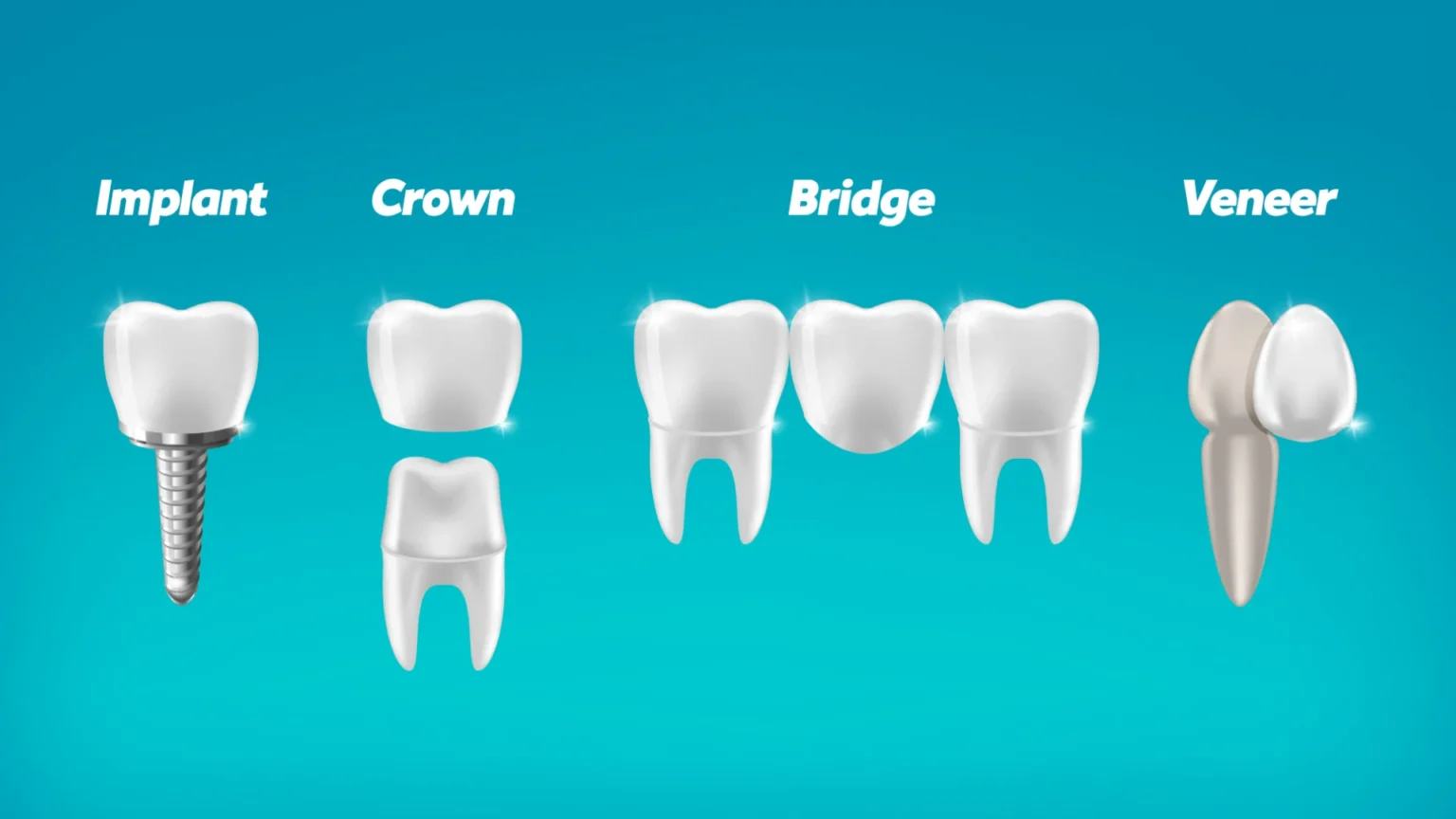
Dentures and bridges are the most common alternatives to dental implants available on the NHS. Dentures are removable appliances that replace missing teeth, while bridges are fixed appliances that anchor to adjacent teeth to fill the gap. Both options can restore function and aesthetics to some extent, but they have limitations compared to implants.
Pros and Cons Compared to Implants
Dentures are more affordable and non-invasive than implants, but they can be less stable and require more maintenance. Bridges are more stable than dentures but require altering adjacent teeth, which can increase the risk of decay and damage. Implants offer superior stability and longevity but come at a higher cost and involve a surgical procedure. It is important to weigh up all the options in order to find the right treatment to suit your needs.
How to Discuss Alternatives with Your NHS Dentist
Discussing alternatives with your NHS dentist is crucial for making an informed decision. Ask about the pros and cons of each option, the long-term maintenance requirements, and the potential impact on your oral health. Your dentist can help you weigh the benefits and drawbacks based on your individual circumstances and preferences. You may want to investigate affordable dental tourism in Albania if costs are a major factor.
Frequently Asked Questions about Dental Implants on NHS
Addressing common queries with official NHS guidance and expert advice can help clarify the process and expectations. Information relating to NHS dental grants can also be useful when planning.
Are dental implants available on NHS for free?
No, dental implants are not typically available for free on the NHS. While treatment is subsidized, you will usually need to pay a Band 3 charge. Free dental care is generally limited to individuals who qualify for specific exemptions, such as those receiving certain benefits or those under 18. For those who need assistance with payment, there is also the possibility of government dental implants grants.
What conditions must be met to get dental implants on NHS?
To get dental implants on the NHS, you must meet strict clinical criteria. This usually involves tooth loss resulting from trauma, disease, or a congenital condition. Cosmetic cases are typically excluded, and you must demonstrate a genuine need for restoring dental function.
How long is the waiting list for NHS dental implants?
The waiting list for NHS dental implants can vary significantly depending on your region and the availability of specialist services. It’s not uncommon to wait several months or even years for an assessment and subsequent treatment.
Are there regional differences in availability?
Yes, there are regional differences in the availability of NHS dental implants. Areas with higher demand and limited resources may have longer waiting times and stricter eligibility criteria.
Can I appeal if denied dental implants on the NHS?
Yes, you can appeal if denied dental implants on the NHS. The NHS has a complaints procedure that allows you to challenge decisions regarding your treatment. Start by discussing your concerns with your dentist or the specialist implant center. If you’re not satisfied with their response, you can escalate your complaint to the local NHS authority or the Parliamentary and Health Service Ombudsman.
Will the NHS cover complications or replacement of implants?
The NHS may cover complications or replacement of implants if they arise due to clinical negligence or issues with the original treatment. However, routine maintenance, repairs, or replacements due to wear and tear may not be covered.
What are the alternatives if I do not qualify?
If you do not qualify for dental implants on the NHS, alternatives include dentures, bridges, and exploring private dental options. Each option has its pros and cons in terms of cost, stability, and maintenance. At Albania Dental Implants, our treatments offer a great alternative to expensive private care within the UK.
Are private dental implants better quality than NHS?
Private dental implants may offer benefits such as shorter waiting times, wider material options, and more personalized attention. However, skilled dentists and high-quality materials are also used within the NHS. The choice depends on your preferences, budget, and the specific details of the treatment plan.
In conclusion, while dental implants on NHS are an option for some, strict eligibility criteria and long waiting times mean that many individuals explore private alternatives. Whether you choose NHS or private care, understanding your options and the associated costs is essential for making an informed decision. At Albania Dental Implants, we offer affordable and high-quality dental implant solutions for UK patients. Contact us today to learn more and restore your confident smile!