



Dental Implants: The Ultimate Guide to Modern Tooth Replacement
Introduction
Losing teeth can have a significant impact on your confidence, ability to eat and speak comfortably, and overall oral health. Fortunately, modern dentistry offers a range of solutions, and dental implants stand out as one of the most effective and reliable options for tooth replacement. Dental implants provide a solid foundation for artificial teeth that look, feel, and function like natural teeth. They are a permanent solution that can improve your smile, boost your self-esteem, and enhance your quality of life. At Albania Dental Implants, we specialize in providing high-quality dental implant services at affordable prices, making it easier than ever to achieve a healthy and beautiful smile.
Dental tourism in Albania is becoming increasingly popular, as patients seek high-quality dental care at significantly lower costs than in the UK. Albania Dental Implants offers comprehensive dental tourism packages that include travel, accommodation, and top-notch dental treatment, all in a beautiful and welcoming environment. Whether you need a single tooth implant or a full mouth reconstruction in albania, our experienced team is dedicated to providing you with the best possible care.
Why Choose Dental Implants?
- Durability: Dental implants are designed to last a lifetime with proper care.
- Natural Look and Feel: They look and function like natural teeth, providing a seamless and comfortable fit.
- Improved Oral Health: Dental implants help preserve the jawbone and prevent bone loss, maintaining the natural shape of your face.
- Enhanced Confidence: Restore your smile and boost your self-esteem with a permanent solution to missing teeth.
What Are Dental Implants?
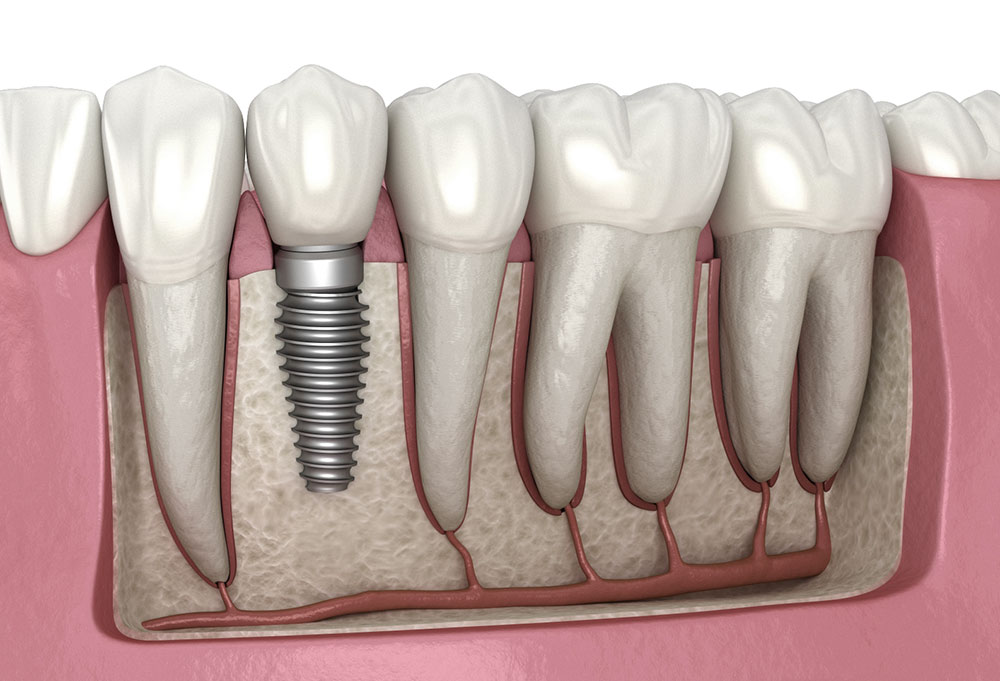
What exactly are dental implants and how do they work? A tooth implant, often referred to as a dental implant procedure, is a surgical procedure that replaces missing teeth with artificial tooth roots. These roots, typically made of titanium, fuse with the jawbone through a process called osseointegration, providing a stable and long-lasting foundation for replacement teeth. Understanding the components and how they work together is crucial for appreciating the benefits of dental implants.
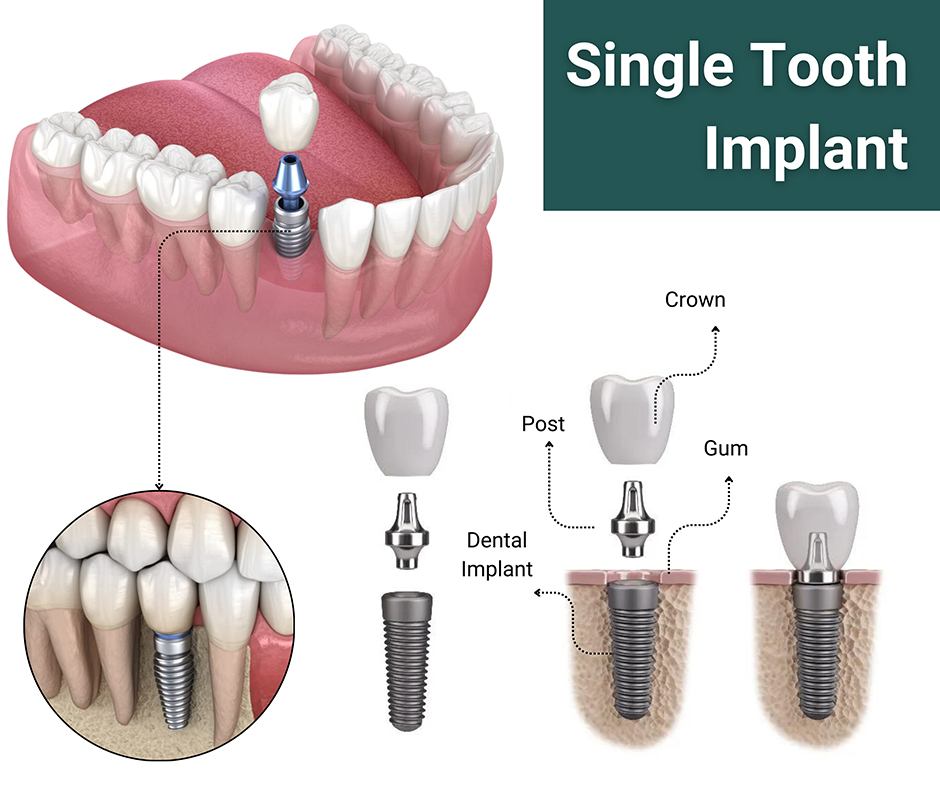
Components of a Dental Implant
- Titanium Post: This is the artificial tooth root that is surgically implanted into the jawbone. Titanium is biocompatible, meaning it integrates well with the body and promotes osseointegration.
- Abutment: This is a connector that attaches to the titanium post and serves as the base for the artificial tooth. The abutment is usually made of titanium, gold, or porcelain.
- Crown: This is the artificial tooth that is attached to the abutment. Crowns are custom-made to match the color, shape, and size of your natural teeth, providing a seamless and natural-looking restoration.
The artificial tooth root provides stability and support for the crown, allowing you to eat, speak, and smile with confidence. Unlike dentures or bridges, dental implants do not rely on adjacent teeth for support, which helps preserve the health and integrity of your natural teeth. If you’re seeking a permanent and reliable solution for missing teeth, dental implants may be the right choice for you.
Types of Dental Implants
What types of dental implants are available? There are several types of dental implants, each designed to address specific needs and conditions. The most common types include endosteal implants and subperiosteal implants. Additionally, there are specialized options like all-on-4 implants and mini dental implants. Understanding the differences between these types can help you make an informed decision about the best solution for your individual needs.
Endosteal Implants
Endosteal implants are the most common type of dental implant. They are surgically implanted directly into the jawbone. These implants are typically made of titanium and are suitable for patients with healthy jawbones that can support the implant. After the implant is placed, it requires a healing period of several months to allow osseointegration to occur, during which the implant fuses with the jawbone.
Subperiosteal Implants
Subperiosteal implants are placed under the gum but on or above the jawbone. This type of implant is used in patients who do not have enough healthy jawbone to support an endosteal implant. The implant consists of a metal framework that is placed on the jawbone, with posts protruding through the gum to support the artificial teeth.
All-on-4 Implants
All-on-4 dental implants in albania are a revolutionary solution for replacing an entire arch of missing teeth using only four implants. This technique is particularly useful for patients who have experienced significant bone loss in the jaw. The implants are strategically placed at an angle to maximize support and stability, allowing for immediate loading of a full set of replacement teeth. The all on 4 dental implants are highly effective in albania. You can also read more about all on 6 dental implants in albania.
Mini Dental Implants
Mini dental implants are smaller in diameter than traditional implants and are often used to stabilize dentures or replace small teeth. They are less invasive than traditional implants and can be placed with minimal surgery. Mini implants are a good option for patients who are not candidates for traditional implants due to bone loss or other health concerns.
Benefits of Dental Implants
What are the main advantages of dental implants compared to other options? Dental implants offer numerous dental implant benefits that make them a superior choice for teeth replacement benefits. From improved functionality and aesthetics to long-term value and preservation of jawbone, dental implants provide a comprehensive solution for missing teeth. Understanding these advantages can help you appreciate the long-term benefits of choosing dental implants.
Functionality and Comfort
Dental implants function like natural teeth, allowing you to eat, speak, and smile with confidence. Unlike dentures, which can be uncomfortable and prone to slipping, dental implants are securely anchored in the jawbone, providing a stable and comfortable fit. You can enjoy your favorite foods without worrying about discomfort or embarrassment.
Aesthetics and Confidence
Dental implants look and feel like natural teeth, providing a seamless and natural-looking restoration. The crowns are custom-made to match the color, shape, and size of your natural teeth, ensuring a beautiful and confident smile. Dental implants can significantly boost your self-esteem and improve your overall quality of life.
Preservation of Jawbone
One of the most significant benefits of dental implants is their ability to preserve the jawbone. When a tooth is lost, the jawbone in that area begins to deteriorate over time. Dental implants stimulate bone growth and prevent bone loss, maintaining the natural shape of your face and preventing premature aging. In some cases, a bone graft for dental implants is required to secure implant.
Long-Term Value
While dental implants may have a higher initial cost than other tooth replacement options, they offer long-term value due to their durability and longevity. With proper care, dental implants can last a lifetime, making them a cost-effective solution in the long run. Additionally, dental implants do not require special maintenance or cleaning products, making them a convenient and hassle-free option.
The Dental Implant Procedure: Step by Step
What is involved in the dental implant procedure? The implant process typically involves several steps, including a consultation, dental implant surgery, healing time, and fitting the crown. Understanding each step can help you prepare for the procedure and ensure a smooth and successful dental implant recovery. At Albania Dental Implants, we provide comprehensive support and guidance throughout the entire process, ensuring your comfort and satisfaction.
Consultation and Evaluation
The first step is a thorough consultation and evaluation with a qualified dental implant specialist. During this appointment, the dentist will assess your oral health, review your medical history, and take X-rays or CT scans to evaluate the condition of your jawbone. Based on this evaluation, the dentist will determine if you are a good candidate for dental implants and develop a customized treatment plan.
Surgical Placement of the Implant
The next step is the surgical placement of the titanium post into the jawbone. This procedure is typically performed under local anesthesia, although sedation options are available for patients who experience anxiety. The dentist will make a small incision in the gum tissue to expose the jawbone and then drill a pilot hole for the implant. The titanium post is then carefully inserted into the hole and the gum tissue is stitched closed.
Healing and Osseointegration
After the implant is placed, it requires a healing period of several months to allow osseointegration to occur. During this time, the titanium post fuses with the jawbone, creating a strong and stable foundation for the replacement tooth. You may be given temporary replacement teeth to wear during the healing period to maintain your appearance and functionality.
Abutment Placement and Crown Fitting
Once osseointegration is complete, the dentist will attach the abutment to the titanium post. The abutment serves as the base for the crown, which is custom-made to match the color, shape, and size of your natural teeth. The crown is then securely attached to the abutment, completing the dental implant procedure.
Who Is a Good Candidate for Dental Implants?
Who should consider dental implants and who is not suitable? Dental implant eligibility depends on several factors, including overall health, bone health, and lifestyle habits. While dental implants are a great solution, it is important to know who can get dental implants. At Albania Dental Implants, we carefully evaluate each patient to ensure they are a good candidate for the procedure. Understanding the criteria can help you determine if dental implants are the right choice for you.
Health Criteria
Good candidates for dental implants are generally in good overall health. Certain medical conditions, such as uncontrolled diabetes, autoimmune diseases, and severe heart conditions, may increase the risk of complications and affect the success of the implant. It is important to discuss your medical history with your dentist to determine if dental implants are a safe and appropriate option for you.
Bone Health
Sufficient bone density and quality are essential for the successful placement and integration of dental implants. Patients who have experienced significant bone loss in the jaw may require a bone graft to augment the bone and provide adequate support for the implant. During your consultation, the dentist will assess your bone health and determine if a bone graft for dental implants is necessary.
Age Considerations
While there is no upper age limit for dental implants, younger patients may need to wait until their jawbone has fully developed before undergoing the procedure. Generally, dental implants are not recommended for patients under the age of 18. Older patients may be good candidates for dental implants as long as they are in good overall health and have sufficient bone density.
Dental Implants vs. Dentures and Bridges
How do dental implants compare with dentures and bridges? Choosing between dentures vs implants, and dental bridges comparison requires considering factors like durability, comfort, maintenance, and appearance. Dental implants offer several advantages over traditional implant alternatives, making them a superior choice for many patients. Understanding these differences can help you make an informed decision about the best solution for your needs.
Durability and Longevity
Dental implants are designed to last a lifetime with proper care, while dentures and bridges typically need to be replaced every 5 to 10 years. The longevity of dental implants makes them a cost-effective solution in the long run.
Comfort and Stability
Dental implants are securely anchored in the jawbone, providing a stable and comfortable fit. Dentures, on the other hand, can be uncomfortable and prone to slipping, affecting your ability to eat and speak comfortably. Bridges rely on adjacent teeth for support, which can put extra stress on those teeth.
Maintenance and Cleaning
Dental implants require the same maintenance as natural teeth, including brushing, flossing, and regular dental checkups. Dentures and bridges require special cleaning products and techniques, and you may need to remove them for cleaning. With dental implants, you can maintain your oral hygiene routine as normal.
Appearance and Aesthetics
Dental implants look and feel like natural teeth, providing a seamless and natural-looking restoration. Dentures and bridges can sometimes look artificial and may not blend in as well with your natural teeth. Dental implants can significantly improve your smile and boost your self-esteem.
Risks and Complications of Dental Implants
What are the dental implant risks or side effects of dental implants? While dental implants are generally safe and effective, it is important to be aware of potential risks and complications. Although uncommon, it is possible to have implant failure. Understanding these risks can help you make an informed decision and take steps to minimize potential problems.
Infection
Infection is a potential risk following dental implant surgery. Proper oral hygiene and adherence to post-operative instructions can help prevent infection. In rare cases, an infection may require antibiotic treatment or additional surgery.
Nerve Damage
Nerve damage is a rare but potential complication of dental implant surgery. Damage to the nerves in the jaw can cause numbness, tingling, or pain in the teeth, gums, lips, or chin. In most cases, nerve damage is temporary and resolves on its own, but in rare cases, it may be permanent.
Sinus Problems
Dental implants placed in the upper jaw can sometimes protrude into the sinus cavity, causing sinus problems such as pain, pressure, and congestion. In some cases, a sinus lift procedure may be necessary to augment the bone and prevent the implant from protruding into the sinus cavity. To avoid sinus issues, a sinus lift in albania may be required.
Implant Failure
In rare cases, dental implants may fail to integrate with the jawbone, leading to implant failure. Factors that can contribute to implant failure include infection, poor bone quality, smoking, and certain medical conditions. If an implant fails, it may need to be removed and replaced.
How Much Do Dental Implants Cost?
How much do dental implants cost in the UK? The dental implant cost can vary significantly depending on several factors, including the type of implant, the complexity of the procedure, and the location of the clinic. Understanding the price of dental implants and the factors that influence it can help you budget for your treatment and explore financing options. For affordable options, consider dental implant UK prices from Albania Dental Implants.
Factors Influencing the Cost of Dental Implants
- Type of Implant: Different types of implants have different costs. For example, all-on-4 implants are generally more expensive than single tooth implants.
- Complexity of the Procedure: Complex cases that require bone grafting, sinus lifts, or other additional procedures will typically cost more than straightforward implant placements.
- Location of the Clinic: Dental implant costs can vary depending on the location of the clinic. Clinics in major cities or affluent areas may charge more than clinics in smaller towns or rural areas.
- Dentist’s Experience and Expertise: Dentists with more experience and expertise may charge more for their services.
Affordable Options at Albania Dental Implants
At Albania Dental Implants, we understand that cost is a major consideration for many patients. That’s why we offer high-quality dental implant services at affordable prices. Our dental tourism packages include travel, accommodation, and top-notch dental treatment, making it easier than ever to achieve a healthy and beautiful smile without breaking the bank. To help reduce costs, a dental tourism in albania package is a great option. You can also read more about the cost of dental implants in albania.
Aftercare and Maintenance for Dental Implants
How should I care for my dental implants? Proper dental implant aftercare is essential for ensuring the long-term success and longevity of your implants. Regular cleaning dental implants and following a consistent implant maintenance routine can help prevent infection, gum disease, and other complications. At Albania Dental Implants, we provide detailed aftercare instructions to help you keep your implants healthy and functioning properly.
Oral Hygiene Routine
Maintain a consistent oral hygiene routine that includes brushing your teeth at least twice a day with a soft-bristled toothbrush and fluoride toothpaste. Pay special attention to cleaning around the implant site, using gentle circular motions to remove plaque and bacteria.
Flossing and Interdental Brushes
Floss daily to remove plaque and debris from between your teeth and around the implant. Interdental brushes can be particularly useful for cleaning hard-to-reach areas around the implant. Be gentle when flossing around the implant to avoid damaging the gum tissue.
Regular Dental Checkups
Schedule regular dental checkups and cleanings with your dentist to monitor the health of your implants and identify any potential problems early on. Your dentist may recommend more frequent checkups if you have a history of gum disease or other oral health issues.
Avoid Harmful Habits
Avoid harmful habits such as smoking, chewing tobacco, and grinding your teeth, as these can damage your implants and increase the risk of complications. If you grind your teeth at night, talk to your dentist about getting a night guard to protect your implants.
Finding a Dental Implant Provider in the UK
How do I choose a reputable dental implant provider in the UK? When searching for a dental implant clinic, consider factors like experience, expertise, and patient reviews. Look for the best dental implants UK has to offer by researching dental implant specialists. At Albania Dental Implants, we pride ourselves on providing top-quality care and exceptional results. To contact albania dental implants to get started.
Check Credentials and Experience
Make sure the dentist is qualified, trained and has extensive experience in placing dental implants. Ask about their qualifications, certifications, and years of experience in implant dentistry. A reputable dentist will be happy to provide this information.
Read Patient Reviews and Testimonials
Read patient reviews and testimonials to get an idea of the dentist’s reputation and the quality of their work. Look for reviews that mention the dentist’s skill, professionalism, and patient care.
Ask About Technology and Techniques
Choose a dentist who uses advanced technology and techniques to ensure accurate implant placement and optimal results. Ask about the types of imaging technology they use, such as 3D cone beam CT scans, and the implant systems they offer.
Consider a Consultation
Schedule a consultation with the dentist to discuss your needs, ask questions, and evaluate your options. During the consultation, the dentist will assess your oral health, review your medical history, and develop a customized treatment plan. Use this opportunity to get to know the dentist and assess their communication skills and patient care approach.
FAQ About Dental Implants
What are dental implants made of?
Dental implants are primarily made of titanium, a biocompatible metal that fuses well with the human bone. The implant itself, which is surgically placed into the jawbone, is typically made of titanium or a titanium alloy. The abutment, which connects the implant to the crown, can be made of titanium, gold, or porcelain. The crown, which is the visible part of the replacement tooth, is usually made of porcelain, ceramic, or a combination of materials to match the color and appearance of natural teeth.
How long do dental implants last?
With proper care and maintenance, dental implants can last a lifetime. The longevity of dental implants depends on factors such as oral hygiene, overall health, lifestyle habits, and the quality of the implant and restoration. Regular dental checkups, professional cleanings, and good oral hygiene practices can help ensure the long-term success of your dental implants. Also be sure to view How long do dental implants last? to learn more.
Is the dental implant procedure painful?
Most patients report minimal discomfort during the dental implant procedure. The surgery is typically performed under local anesthesia to numb the area, and sedation options are available for patients who experience anxiety. After the procedure, you may experience some soreness, swelling, and bruising, but this can be managed with over-the-counter pain relievers. If you are worried about this, you can read more about How painful is a dental implant?
How long does it take to get dental implants from start to finish?
The timeline for getting dental implants can vary depending on individual circumstances, but it typically takes several months from start to finish. The process involves a consultation, surgical placement of the implant, a healing period of several months for osseointegration, abutment placement, and crown fitting. In some cases, additional procedures such as bone grafting may be necessary, which can extend the timeline. However, at Albania Dental Implants, we strive to provide efficient and timely treatment to minimize the overall duration.
Can you get dental implants with bone loss?
Yes, it is possible to get dental implants with bone loss, but additional procedures such as bone grafting may be necessary. Bone grafting involves augmenting the jawbone with bone tissue to provide adequate support for the implant. The bone tissue can be harvested from another area of your body or obtained from a donor source. In some cases, a sinus lift procedure may be required to augment the bone in the upper jaw. You can learn more on what can you do if you don’t have enough bone for dental implants.
Are dental implants safe?
Dental implants are generally safe and effective, with a high success rate. However, as with any surgical procedure, there are potential risks and complications. These can include infection, nerve damage, sinus problems, and implant failure. Choosing a qualified and experienced dentist and following proper aftercare instructions can help minimize these risks. Overall, dental implants are considered a safe and reliable solution for missing teeth.
Does dental insurance cover dental implants in the UK?
Dental insurance coverage for dental implants in the UK varies depending on the insurance provider and policy. Some dental insurance plans may cover a portion of the cost of dental implants, while others may not cover them at all. It is important to review your dental insurance policy and contact your insurance provider to determine your coverage. Additionally, at Albania Dental Implants, we offer flexible financing options to help make dental implants more affordable.
What alternatives exist if I cannot have dental implants?
If you are not a candidate for dental implants due to health concerns, bone loss, or other factors, there are several alternatives available. These include dentures, dental bridges, and implant-supported dentures. Each option has its own advantages and disadvantages, and the best choice for you will depend on your individual needs and circumstances. Your dentist can help you explore these alternatives and determine the most suitable solution for restoring your smile.
Why Choose Albania Dental Implants?
Affordable Prices
We offer high-quality dental implant services at significantly lower prices than in the UK.
Experienced Team
Our team of dental implant specialists has years of experience and expertise in implant dentistry. View what the albania dental implants reviews say.
Advanced Technology
We use advanced technology and techniques to ensure accurate implant placement and optimal results.
Comprehensive Support
We provide comprehensive support and guidance throughout the entire dental implant procedure, ensuring your comfort and satisfaction.
Dental Tourism Packages
Our dental tourism packages include travel, accommodation, and top-notch dental treatment, making it easier than ever to achieve a healthy and beautiful smile.
Conclusion
Dental implants are a reliable, long-lasting solution for replacing missing teeth and restoring your smile. At Albania Dental Implants, we are dedicated to providing top-quality dental implant services at affordable prices, with the added benefit of dental tourism in Albania. Whether you need a single tooth implant or a full mouth reconstruction, our experienced team is here to help you achieve a healthy and confident smile.
Don’t let missing teeth hold you back any longer. Contact us today to schedule a consultation and learn more about how dental implants can transform your life. With Albania Dental Implants, a beautiful and functional smile is within reach!
Albania Dental Implants can help you with all your dental needs.





