



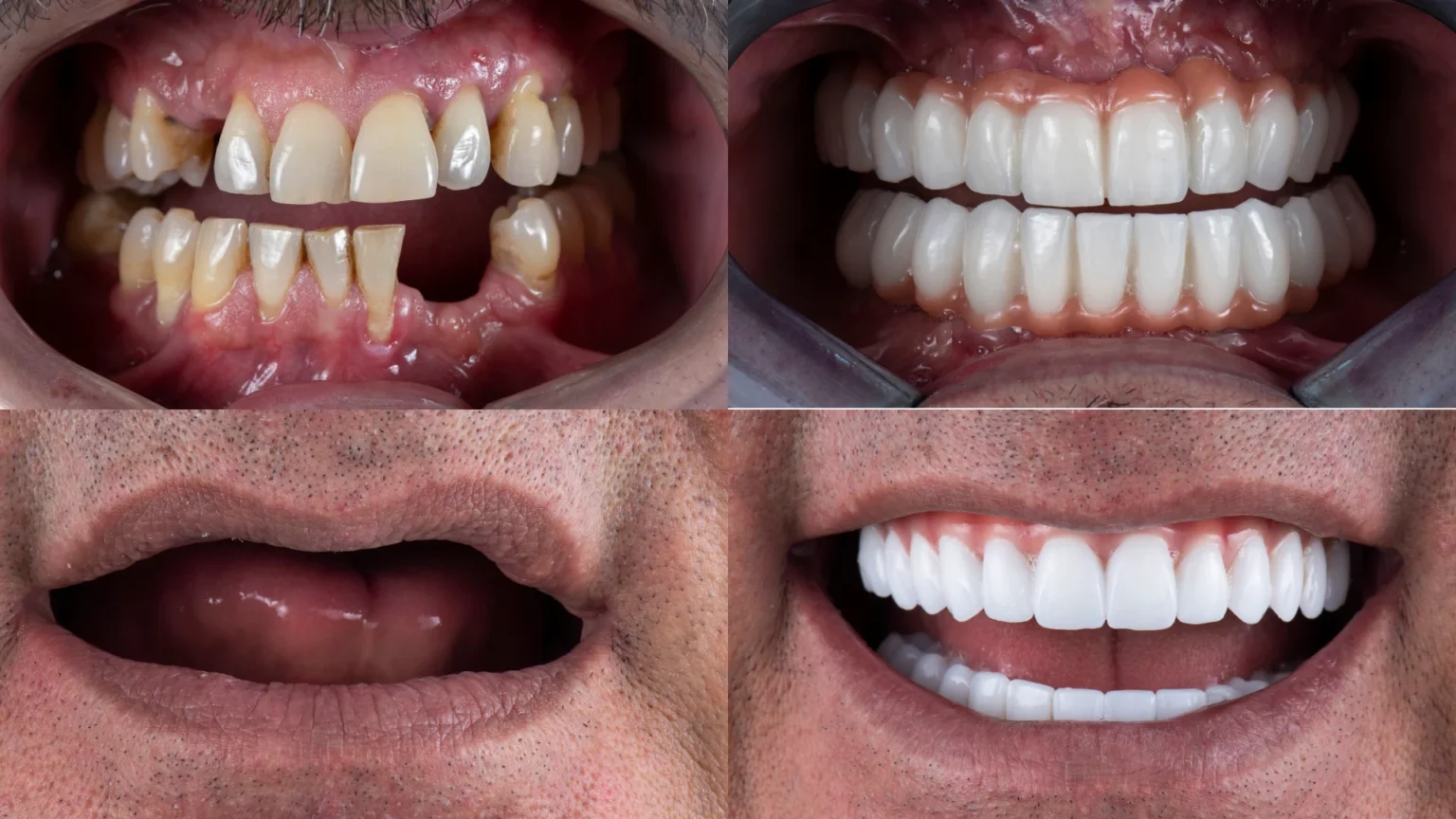

Full Implants – The Complete Guide to Full-Mouth Dental Implants
Full implants provide a permanent solution for patients seeking to replace all of their teeth with a stable, natural-looking smile. If you’re considering restoring your smile with a long-lasting and aesthetically pleasing option, this comprehensive guide will provide you with everything you need to know about full implants, helping you make an informed decision.
What Are Full Implants?
When researching dental implants, understanding the basics of full implants is essential. Dental implants offer a permanent and stable solution for replacing missing teeth, while full arch implants provide a comprehensive restoration for an entire arch of teeth. Unlike traditional dentures, full implants are anchored in the jawbone, providing superior stability and a more natural feel.
Defining Full Implants
Full implants, also known as full-mouth dental implants, are a comprehensive solution designed to replace all teeth in either the upper or lower jaw, or both. They consist of multiple titanium or zirconia posts surgically implanted into the jawbone, which then fuse with the bone through a process called osseointegration. Once the implants are securely integrated, a custom-made dental prosthesis, such as a bridge or denture, is attached, providing a complete and functional set of teeth. With full implants, the need for messy adhesives and uncomfortable dentures is eliminated, offering a permanent and reliable solution for a confident smile.
Full Implants vs. Other Tooth Replacement Options
When considering tooth replacement, it’s important to compare full implants to other options like single tooth implants, bridges, and dentures. Single tooth implants are ideal for replacing individual missing teeth, while bridges fill gaps by anchoring to adjacent teeth. Dentures, on the other hand, are removable appliances that replace an entire arch of teeth. Full implants offer several advantages over these alternatives:
- Stability: Full implants are securely anchored in the jawbone, providing unmatched stability compared to dentures or bridges.
- Longevity: With proper care, full implants can last a lifetime, making them a cost-effective long-term solution.
- Natural Feel: Full implants closely mimic the feel and function of natural teeth, allowing you to eat, speak, and smile with confidence.
- Bone Health: Implants stimulate the jawbone, preventing bone loss that can occur with dentures.
While single implants are great for individuals missing one or two teeth, if you are missing all your teeth, you need a full set.
Types of Full Implants Solutions
Exploring the various types of full implant solutions is crucial for making an informed decision. From all-on-4 implants and all-on-6 implants to traditional full mouth dental implants, understanding the options available can help you choose the best solution for your needs and budget. You can see what is available at Albania Dental Implants Services.
All-on-4 and All-on-6 Implants: A Detailed Overview
All-on-4 and All-on-6 are innovative techniques that provide a full arch of teeth using only four or six dental implants, respectively. These methods offer several advantages:
- Reduced Treatment Time: Fewer implants mean less surgery and a faster recovery period.
- Cost-Effective: Using fewer implants can reduce the overall cost of treatment.
- Bone Grafting Not Always Required: The strategic placement of implants often eliminates the need for bone grafting.
With All-on-4, four implants are strategically placed in the jawbone, two straight implants in the front and two angled implants in the back. All-on-6 uses six implants for added stability, especially beneficial for patients with weaker jawbones. Both methods allow for the attachment of a full arch of replacement teeth, providing a functional and aesthetically pleasing result. See more on all on 4 dental implants in Albania.
The choice between All-on-4 and All-on-6 often depends on factors such as bone density, jaw structure, and individual patient needs. A thorough consultation with a qualified implant dentist can help determine the most suitable option.
Material Options: Titanium vs. Zirconia
When it comes to selecting the right materials for your full implants, titanium and zirconia are two popular options. Titanium has been the gold standard for dental implants for decades, renowned for its biocompatibility, strength, and long-term success. Zirconia, on the other hand, is a ceramic material gaining popularity due to its aesthetic appeal and metal-free composition. Here’s a comparison of the two:
- Titanium:
- Pros: High strength, excellent osseointegration, long-term track record.
- Cons: Metallic appearance (though rarely visible), potential for allergic reactions (rare).
- Zirconia:
- Pros: Tooth-colored, metal-free, biocompatible.
- Cons: Lower flexural strength compared to titanium, shorter track record.
The choice between titanium and zirconia depends on individual preferences, aesthetic goals, and specific clinical considerations. Some patients prefer zirconia for its natural appearance, while others opt for titanium due to its proven durability.
Fixed vs. Removable Implant Solutions
Full implant solutions can be either fixed or removable, each offering unique advantages and disadvantages. Fixed implant solutions, such as All-on-4 and All-on-6, are permanently attached to the implants and cannot be removed by the patient. Removable implant solutions, also known as implant-supported overdentures, can be taken out for cleaning and maintenance.
- Fixed Implants:
- Pros: Stability, natural feel, no need for removal, easy maintenance.
- Cons: Higher initial cost, more complex procedure.
- Removable Implants:
- Pros: Lower cost, easier cleaning, can be removed at night.
- Cons: Less stable than fixed implants, requires daily removal and cleaning, may feel bulky.
Fixed implants are often preferred for their stability and natural feel, while removable implants offer a more affordable option with easier maintenance. You can learn more about implant overdentures in Albania.
The Full Implants Procedure
Understanding the full implants procedure is vital for anyone considering this treatment. From the initial consultation and planning to the surgical placement, healing, and final restoration, knowing what to expect can alleviate anxiety and ensure a smooth experience. The procedure involves both implant surgery to place the physical implant, and fitting of the dental prosthesis to finish off the procedure.
Consultation and Planning: The First Steps
The full implants journey begins with a comprehensive consultation and planning phase. During this appointment, the dentist will:
- Evaluate Your Oral Health: Assess the condition of your gums, jawbone, and remaining teeth.
- Take X-rays and CT Scans: Obtain detailed images of your jawbone to determine the optimal implant placement.
- Discuss Your Goals and Expectations: Understand your desired outcome and tailor the treatment plan to meet your needs.
- Create a Personalized Treatment Plan: Develop a step-by-step plan outlining the entire procedure, including timelines and costs.
This initial consultation is crucial for ensuring the success of the full implants procedure. It allows the dentist to identify any potential issues, such as bone loss or gum disease, and develop a customized treatment plan to address them.
Surgical Placement: Ensuring a Solid Foundation
The surgical placement of dental implants involves a series of precise steps to ensure a solid and stable foundation for your new teeth. The procedure typically involves:
- Anesthesia: Local anesthesia is administered to numb the treatment area, ensuring a pain-free experience.
- Incision: A small incision is made in the gum tissue to expose the jawbone.
- Implant Placement: The dentist carefully drills a small hole in the jawbone and inserts the titanium or zirconia implant.
- Suturing: The gum tissue is sutured back into place, covering the implant.
In some cases, a temporary healing abutment may be attached to the implant to guide gum tissue healing. The implant surgery is performed with meticulous attention to detail, ensuring optimal placement and stability.
We conduct oral surgery in Albania, so contact Albania Dental Implants today.
Healing and Osseointegration: A Crucial Phase
Following the surgical placement of dental implants, a critical healing phase known as osseointegration begins. During this period, the jawbone gradually fuses with the implant surface, creating a strong and stable bond. The healing time typically ranges from 3 to 6 months, depending on individual factors such as bone density and overall health. During this time, its important to adhere to aftercare, such as:
- Avoid Hard and Chewy Foods: Stick to a soft diet to avoid putting excessive pressure on the implants.
- Maintain Excellent Oral Hygiene: Brush and floss gently around the implant site to prevent infection.
- Attend Regular Check-ups: Visit your dentist for regular check-ups to monitor the healing process and address any concerns.
Osseointegration is essential for the long-term success of full implants, providing the necessary stability and support for the final restoration.
Final Restoration Fitting: Completing Your Smile
Once osseointegration is complete, the final restoration fitting phase begins. During this appointment, the dentist will:
- Take Impressions: Create a precise mold of your mouth to fabricate the final restoration.
- Select the Shade and Shape: Choose the appropriate shade and shape for your new teeth to match your natural smile.
- Attach the Restoration: Securely attach the custom-made bridge or denture to the implants, completing your new smile.
The final restoration is carefully designed to provide optimal function, aesthetics, and comfort. With your new full implants, you can enjoy a confident smile and improved quality of life.
Cost of Full Implants in the UK
Understanding the price of full implants is a crucial factor for anyone considering this treatment. Whether you’re exploring private options, NHS dental implants, or simply trying to estimate the dental implants cost UK, knowing the financial aspects can help you make an informed decision.
Private vs. NHS Options: Weighing the Choices
When it comes to full implants, both private and NHS options exist, each with its own set of considerations. Private dental clinics typically offer a wider range of treatment options, advanced technologies, and personalized care. However, private treatment tends to be more expensive. NHS dental implants are less common. If you’re seeking NHS dental implants, it’s essential to understand the eligibility criteria and limitations.
While the NHS may provide some dental implant treatment, it is typically reserved for cases where there is a medical necessity, such as:
- Trauma: Implants may be provided if tooth loss is the result of an accident or injury.
- Congenital Conditions: Implants may be considered for patients with genetic conditions that have resulted in missing teeth.
- Cancer Treatment: Implants may be offered to patients who have lost teeth due to cancer treatment.
For those who do not meet these criteria, private dental treatment is often the only option for full implants.
Price Ranges and Factors Affecting Cost
The price of full implants in the UK can vary significantly, depending on several factors:
- Number of Implants: The more implants required, the higher the cost.
- Type of Restoration: Fixed restorations tend to be more expensive than removable options.
- Materials Used: Zirconia implants are generally more expensive than titanium implants.
- Clinic Location: Prices may vary depending on the location of the dental clinic.
- Additional Procedures: Bone grafting or sinus lifts may add to the overall cost.
On average, full implants in the UK can range from £7,000 to £25,000 per arch, depending on the factors mentioned above. Keep in mind that this is just an estimate, and it’s essential to obtain a personalized quote from a qualified implant dentist.
Payment Plans and Financing: Making Implants Affordable
Many dental clinics offer payment plans and financing options to make full implants more accessible. These options can help you spread the cost of treatment over time, making it easier to fit into your budget. Common financing options include:
- Dental Finance Companies: These companies specialize in providing loans for dental treatment, often with competitive interest rates and flexible repayment terms.
- In-House Payment Plans: Some dental clinics offer their own payment plans, allowing you to pay for treatment in installments.
- Credit Cards: Using a credit card with a low interest rate or rewards program can be a convenient way to finance your full implants.
Before committing to a payment plan, be sure to carefully review the terms and conditions, including interest rates, fees, and repayment schedules. Exploring your financing options can help make full implants a reality. If costs are too high, have you thought about dental implants in Albania?
Benefits and Risks of Full Implants
Weighing the advantages of implants and potential risks of dental implants is crucial for making an informed decision. Full implants offer numerous benefits over traditional dentures, improving oral health and quality of life. However, like any surgical procedure, they also carry certain risks and potential complications.
Advantages of Implants Over Traditional Dentures
Full implants offer several compelling advantages over traditional dentures:
- Improved Stability: Implants are anchored in the jawbone, providing unmatched stability compared to dentures, which can slip and slide.
- Enhanced Comfort: Implants eliminate the need for messy adhesives and uncomfortable dentures, allowing you to eat, speak, and smile with confidence.
- Natural Feel and Appearance: Full implants closely mimic the feel and appearance of natural teeth, restoring your smile’s aesthetics.
- Improved Speech: Dentures can sometimes interfere with speech, while implants allow you to speak clearly and naturally.
- Increased Confidence: A stable and natural-looking smile can boost your self-esteem and improve your overall quality of life.
These advantages make full implants a life-changing solution for many individuals seeking to restore their smile and confidence.
Long-Term Oral Health Impacts
Full implants can have a positive impact on your long-term oral health:
- Prevention of Bone Loss: Implants stimulate the jawbone, preventing bone loss that can occur with dentures.
- Preservation of Adjacent Teeth: Unlike bridges, implants do not require altering adjacent teeth, preserving their natural structure.
- Improved Bite Force: Implants provide a stronger bite force compared to dentures, allowing you to enjoy a wider range of foods.
- Easier Maintenance: Implants are easier to clean and maintain compared to dentures, reducing the risk of gum disease and other oral health issues.
By promoting bone health and preserving natural tooth structure, full implants contribute to a healthier and more functional mouth.
Common Risks and How to Avoid Complications
While full implants are generally safe and effective, it’s essential to be aware of the potential risks and complications:
- Infection: Infection at the implant site can occur if proper oral hygiene is not maintained.
- Nerve Damage: Nerve damage can result in numbness or tingling in the lips, chin, or tongue.
- Sinus Problems: Implants placed in the upper jaw can sometimes protrude into the sinus cavity, causing sinus problems.
- Implant Failure: In rare cases, the implant may not fuse properly with the bone, leading to implant failure.
To minimize these risks, it’s crucial to choose a qualified and experienced implant dentist, follow their post-operative instructions carefully, and maintain excellent oral hygiene. Regular dental check-ups can also help detect and address any potential problems early on.
Candidacy for Full Implants
Determining who is suitable for dental implants is a crucial step in the process. Assessing health requirements, bone quality, and quantity, and considering special situations like smoking, diabetes, and age can help ensure the success of the treatment.
Health Requirements: Ensuring a Safe Procedure
Certain health conditions can affect your candidacy for full implants. It’s essential to disclose your complete medical history to the dentist, including any:
- Systemic Diseases: Conditions like diabetes, heart disease, and autoimmune disorders can impact the healing process.
- Medications: Certain medications, such as blood thinners and immunosuppressants, can increase the risk of complications.
- Smoking: Smoking can impair healing and increase the risk of implant failure.
In some cases, medical clearance from your physician may be required before proceeding with full implants.
Bone Quality and Quantity: A Solid Foundation
Adequate bone quality and quantity are essential for the success of full implants. The jawbone must be dense and thick enough to support the implants and provide long-term stability. If you don’t have enough bone for full implants, don’t fret because bone grafting in Albania is available.
The dentist will assess your bone density using X-rays and CT scans. If bone loss is present, bone grafting may be necessary to augment the jawbone and provide a solid foundation for the implants.
Special Situations: Smokers, Diabetics, Elderly
Certain individuals require special considerations when it comes to full implants:
- Smokers: Smoking impairs healing and increases the risk of implant failure. Smokers may need to quit smoking before and after the procedure to improve their chances of success.
- Diabetics: Uncontrolled diabetes can increase the risk of infection and impair healing. Diabetics need to manage their blood sugar levels carefully before and after the procedure.
- Elderly: Age is not necessarily a barrier to full implants, but elderly patients may have other health conditions that need to be considered.
With proper planning and management, even individuals with these special situations can be good candidates for full implants.
You can see who should not get dental implants for more details.
Caring for Full Implants
Proper aftercare for implants is essential for ensuring their longevity and success. Establishing daily cleaning routines, attending regular dental visits, and knowing how to troubleshoot common issues can help maintain your full implants for years to come.
Daily Cleaning Routines: Keeping Your Implants Healthy
Maintaining excellent oral hygiene is crucial for the health of your full implants. Here are some essential daily cleaning routines:
- Brush Your Teeth Twice a Day: Use a soft-bristled toothbrush and non-abrasive toothpaste to gently clean your implants and surrounding gums.
- Floss Daily: Use floss or interdental brushes to clean between your implants and under the gum line.
- Use an Antimicrobial Mouthwash: Rinse with an antimicrobial mouthwash to kill bacteria and prevent infection.
In addition to these basic routines, your dentist may recommend other cleaning aids, such as a water flosser or specialized implant cleaning tools.
Regular Dental Visits and Monitoring
Regular dental visits are essential for monitoring the health of your full implants. During these appointments, the dentist will:
- Examine Your Implants: Assess the stability and condition of your implants.
- Check Your Gums: Look for signs of inflammation or infection.
- Take X-rays: Monitor bone levels around the implants.
- Clean Your Implants: Remove any plaque or tartar buildup.
These check-ups allow the dentist to detect and address any potential problems early on, helping to prevent complications and maintain the long-term health of your implants.
Troubleshooting Issues: Addressing Common Problems
Despite your best efforts, problems can sometimes arise with full implants. Here are some common issues and how to address them:
- Peri-implantitis: This is an infection of the gums around the implant. See your dentist immediately for treatment.
- Loose Implants: If an implant feels loose, see your dentist as soon as possible.
- Broken Restoration: If your bridge or denture breaks, contact your dentist for repair or replacement.
- Sensitivity: Sensitivity to hot or cold can indicate a problem with the implant or surrounding tissues.
By addressing these issues promptly, you can help prevent further complications and maintain the health of your full implants.
Full Implants vs. Dentures
Comparing dentures vs implants is a common consideration for individuals seeking permanent teeth replacement. Understanding the differences in stability, comfort, appearance, maintenance, and lifespan can help you determine which option is best suited to your needs.
Stability, Comfort, Appearance: A Head-to-Head Comparison
Full implants and dentures differ significantly in terms of stability, comfort, and appearance:
- Stability: Implants are anchored in the jawbone, providing unmatched stability compared to dentures, which can slip and slide.
- Comfort: Implants eliminate the need for messy adhesives and uncomfortable dentures, allowing you to eat, speak, and smile with confidence.
- Appearance: Full implants closely mimic the appearance of natural teeth, while dentures can sometimes look artificial.
Implants offer superior stability, comfort, and aesthetics compared to traditional dentures.
Maintenance and Lifespan: Long-Term Considerations
Maintenance and lifespan are important factors to consider when choosing between full implants and dentures:
- Maintenance: Implants require the same maintenance as natural teeth, including brushing, flossing, and regular dental check-ups. Dentures, on the other hand, require daily cleaning and soaking.
- Lifespan: With proper care, implants can last a lifetime, while dentures typically need to be replaced every 5 to 10 years.
Implants offer a longer lifespan and easier maintenance compared to dentures, making them a cost-effective long-term solution.
Suitability by Patient Need: Which Option Is Right for You?
The best choice between full implants and dentures depends on individual needs and preferences. Full implants may be the best option if you want a stable, comfortable, and natural-looking solution that will last a lifetime. Dentures, on the other hand, may be a more affordable option if you’re on a tight budget. A consultation with a qualified dentist can help you determine the most suitable option for your specific needs.
Common Questions About Full Implants
Navigating the world of full mouth implants can bring up many questions. This section addresses some full mouth implants FAQs to provide clarity and help you feel more informed.
How long do full implants last?
Full implants are designed to be a long-lasting solution for tooth replacement. With proper care and maintenance, they can last a lifetime. Regular dental check-ups, good oral hygiene, and a healthy lifestyle can help ensure the longevity of your implants. Factors such as smoking, poor oral hygiene, and certain medical conditions can reduce the lifespan of your implants.
Are full implants painful?
The placement of full implants involves a surgical procedure, so some discomfort is to be expected. However, the procedure is typically performed under local anesthesia, so you should not feel any pain during the surgery. After the procedure, you may experience some soreness, swelling, and bruising. Pain medication can help manage any discomfort during the healing process. Most patients report that the pain is manageable and subsides within a few days.
How soon can I eat after getting full implants?
After getting full implants, it’s important to follow a soft diet for the first few weeks to allow the implant site to heal properly. Avoid hard, crunchy, and chewy foods that can put excessive pressure on the implants. Some good options include:
- Soups
- Yogurt
- Mashed potatoes
- Scrambled eggs
- Smoothies
Gradually reintroduce harder foods as the implant site heals. Your dentist will provide specific dietary recommendations based on your individual needs.
For further details see Can You Eat With Full Mouth Dental Implants?.
Do full implants look natural?
One of the key advantages of full implants is their natural appearance. With modern dental technology, the dental prosthesis attached to the implants can be custom-made to match the shape, size, and color of your natural teeth. The result is a seamless and natural-looking smile that can boost your confidence and improve your quality of life.
What happens if I don’t have enough bone for full implants?
Adequate bone density and volume are essential for the success of full implants. If you don’t have enough bone, a bone grafting procedure may be necessary. Bone grafting involves adding bone tissue to the jawbone to augment its volume and density. This procedure can create a solid foundation for the implants and improve their long-term stability.
Can full implants be done in one day?
Yes, in some cases, full implants can be done in one day using techniques like All-on-4 or All-on-6. These methods involve placing a full arch of teeth on just four or six implants, reducing the need for multiple surgeries and lengthy healing times. However, not everyone is a candidate for same-day implants. A thorough evaluation by a qualified implant dentist is necessary to determine if this option is right for you.
For further details see Can Full Mouth Dental Implants Be Done in One Day?.
What is the difference between all-on-4 and full mouth implants?
All-on-4 is a specific technique for full mouth implants that uses only four implants to support a full arch of teeth. Traditional full mouth implants may involve placing more implants, depending on the individual’s needs and bone density. All-on-4 is a cost-effective and time-saving option, while traditional full mouth implants may provide greater stability and support.
How do I clean full implants?
Cleaning full implants is similar to cleaning natural teeth. Brush your teeth twice a day with a soft-bristled toothbrush and non-abrasive toothpaste. Floss daily to remove plaque and debris from between the implants and under the gum line. Use an antimicrobial mouthwash to kill bacteria and prevent infection. Your dentist may also recommend a water flosser or specialized implant cleaning tools.
Are full implants safe?
Full implants are generally safe and effective when performed by a qualified and experienced implant dentist. However, like any surgical procedure, there are potential risks and complications, such as infection, nerve damage, and implant failure. Choosing a reputable dental clinic and following their post-operative instructions carefully can help minimize these risks. We can provide you with a dental clinic in Albania.
Will I need bone grafting?
The need for bone grafting depends on the individual’s bone density and volume. If you don’t have enough bone to support the implants, bone grafting may be necessary to augment the jawbone. A thorough evaluation by a qualified implant dentist can determine if bone grafting is needed.
Conclusion
Full implants offer a life-changing solution for individuals seeking to restore their complete smile, function, and confidence. From the initial consultation to the final restoration, the full implants procedure is designed to provide a stable, comfortable, and natural-looking set of teeth. Whether you’re exploring All-on-4 implants, traditional full mouth implants, or other options, understanding the benefits, risks, and candidacy requirements can help you make an informed decision. If you’re ready to take the first step towards a confident smile, contact Albania Dental Implants today to schedule a consultation and discover the transformative power of full implants.





