



Full Set Dental Implants: Comprehensive Guide, Costs, and What to Expect
Full set dental implants offer a life-changing solution for individuals seeking to restore a complete and functional smile. If you’re struggling with missing teeth and are looking for a permanent, natural-looking replacement, this comprehensive guide provides valuable information about full set dental implants, including the different types, procedure steps, costs in the UK, benefits, and potential risks.
What Are Full Set Dental Implants?
Understanding dental implant types is essential before deciding on a treatment. “Full set dental implants” refers to replacing all teeth in one or both jaws with dental implants, offering a fixed and stable alternative to traditional dentures.
Full Set Dental Implants vs. Other Options
When it comes to restoring a full arch of teeth, several options exist besides traditional dentures. Here’s a quick comparison:
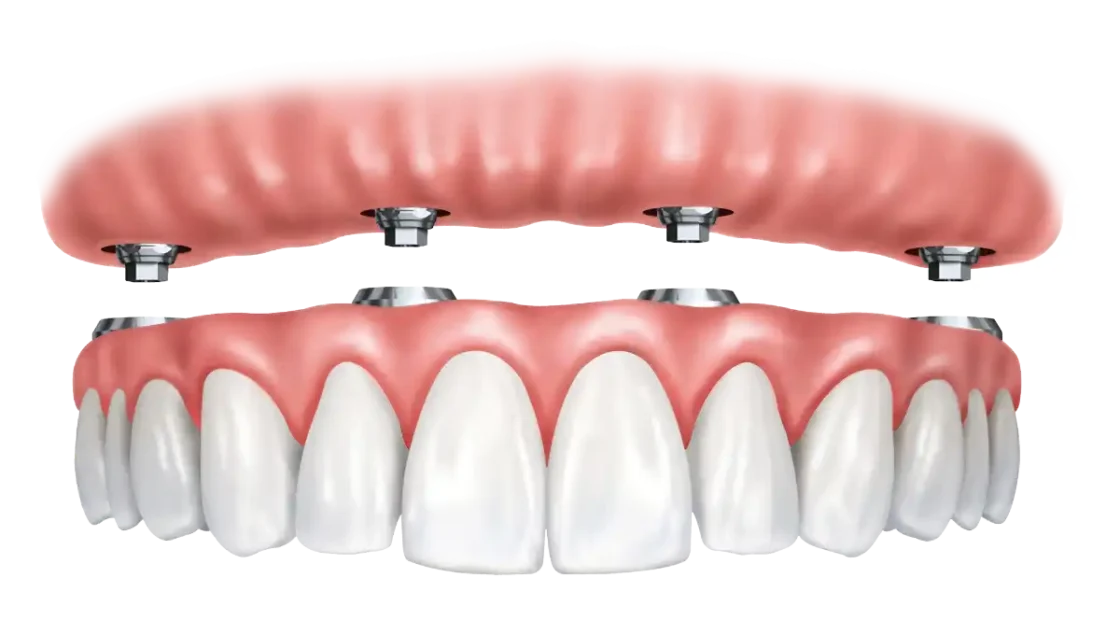
- All-on-4 dental implants: This technique uses just four implants to support a full arch of replacement teeth. It’s often a less invasive and more cost-effective solution compared to using individual implants for each tooth.
- All-on-6 dental implants: Similar to All-on-4, but utilizes six implants for added stability. This is particularly useful if you have sufficient bone density and require extra support.
- Fixed Bridge: A dental bridge involves anchoring artificial teeth to adjacent natural teeth or implants. While effective for replacing a few missing teeth, it isn’t suitable for a full set.
- Removable Dentures: Traditional dentures are removable appliances that sit on the gums. While they are a more affordable option, they lack the stability and natural feel of implants.
Unlike traditional dentures, a full set of dental implants provides superior stability, prevents bone loss, and allows you to eat and speak with confidence. You can explore options like full mouth reconstruction in albania for a comprehensive solution.
Who is a suitable candidate for a full set of dental implants?
Ideal candidates for full set dental implants generally:
- Have lost most or all of their teeth in one or both jaws.
- Have sufficient bone density in the jaw to support implants, or are willing to undergo bone grafting in albania to augment the bone.
- Are in good overall health, with no uncontrolled medical conditions that could interfere with healing.
- Are committed to maintaining good oral hygiene after the procedure.
If you have questions, you can always contact albania dental implants to schedule a consultation.
Implant Materials: Titanium vs. Zirconia
Dental implants are typically made from either titanium or zirconia. Titanium has a long history of successful use in dental implants due to its biocompatibility and strength. Zirconia is a ceramic material that offers a metal-free alternative for patients with metal sensitivities or those who prefer a tooth-colored option. Both materials are durable and can provide excellent long-term results.
Full Set Dental Implants Procedure Step by Step
Understanding the dental implant surgery process can help alleviate any anxiety you may have. The full set dental implants procedure involves several stages, from the initial consultation to the placement of the final prosthesis.
Consultation and Diagnostics
The first step involves a comprehensive consultation with an experienced implantologist. This includes a thorough examination of your oral health, a review of your medical history, and a discussion of your treatment goals. Diagnostics such as X-rays and CT scans are taken to assess bone density and identify any potential issues. Based on this assessment, a personalized treatment plan is developed.
Timeline: How Long Does the Process Take?
The entire process for full set dental implants can take several months, typically ranging from 6 to 12 months. This timeline allows for proper healing and osseointegration, the process by which the implants fuse with the jawbone. In some cases, “immediate load” implants may be an option, reducing the overall timeline.
Surgical Process: Number of Implants, Anesthesia, Healing, and Osseointegration
The surgical process involves placing the dental implants into the jawbone. Typically, 4 to 6 implants are used in each arch to support a full set of replacement teeth. The surgery is performed under local anesthesia, with the option of sedation for anxious patients. After the implants are placed, a healing period of several months is required to allow for osseointegration. During this time, the implants fuse with the surrounding bone, providing a stable foundation for the final prosthesis.
Placement of Temporary and Final Prosthesis
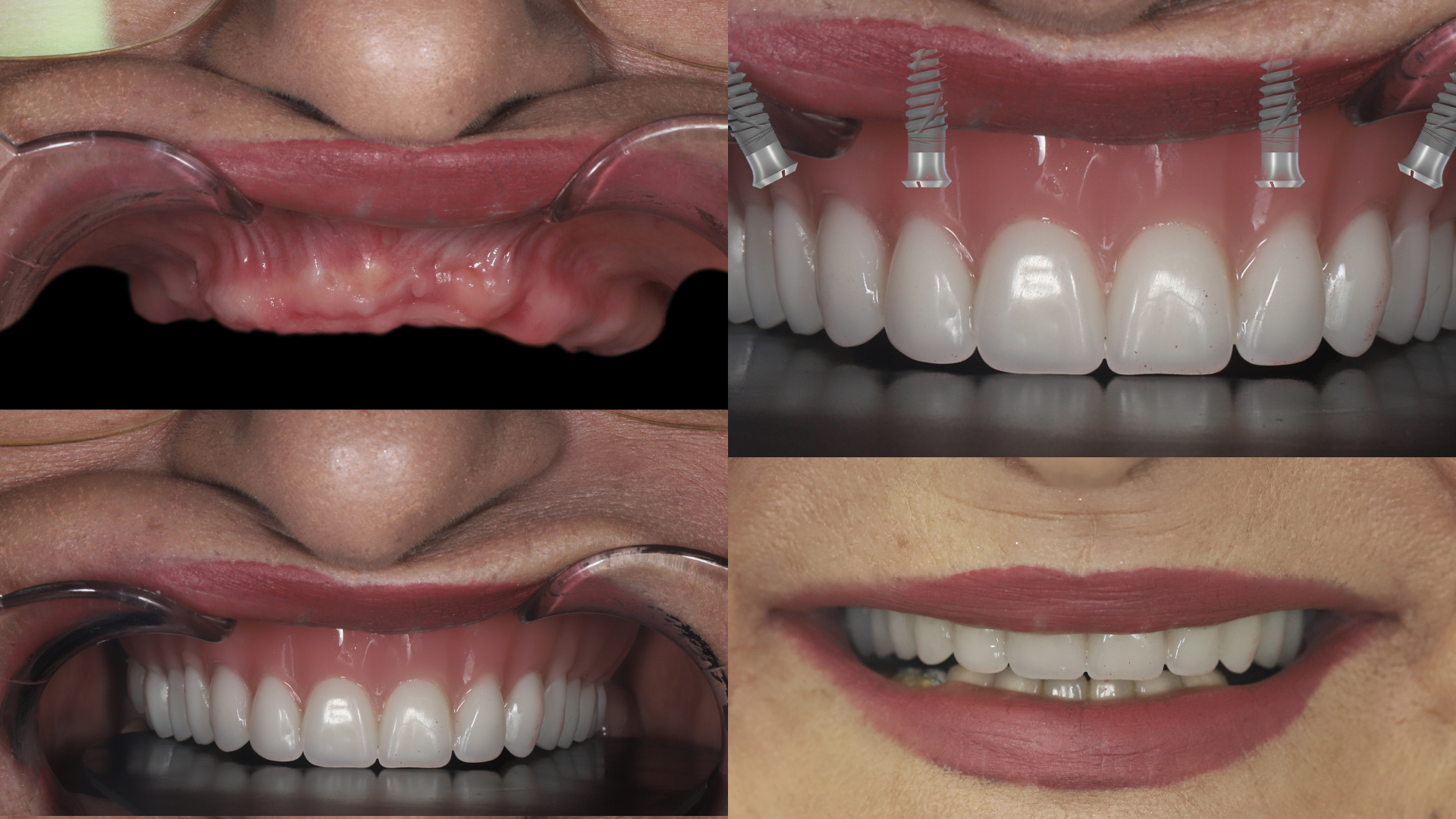
Once osseointegration is complete, abutments (connectors) are attached to the implants. A temporary set of teeth is placed to allow you to function and maintain aesthetics during the final restoration phase. After the gums have fully healed, the final prosthesis, a custom-designed set of teeth, is attached to the abutments. This prosthesis is designed to look and function like natural teeth, providing you with a beautiful and confident smile.
Full Set Dental Implants Cost in the UK
Understanding the price of full set dental implants is a key consideration. The cost of full set dental implants in the UK can vary significantly depending on several factors.
Average Costs for a Full Set (Both Arches vs. Single Arch)
The average cost for a full set of dental implants (both arches) in the UK typically ranges from £15,000 to £30,000 or more. A single arch can cost between £7,500 and £15,000. These are just averages, and the actual cost can vary depending on individual circumstances.
What Influences the Price?
Several factors influence the cost comparison, including:
- Type of implant: The brand and type of implant used can affect the price.
- Clinic location: Clinics in major cities like London may have higher prices than those in smaller towns.
- Materials used: The materials used for the prosthesis (e.g., acrylic, porcelain, zirconia) can impact the cost.
- Complexity of the case: Additional procedures like bone grafting or sinus lifts can increase the overall cost.
Considering dental tourism in albania can significantly reduce costs while maintaining high-quality care.
NHS vs. Private: Can You Get Dental Implants on the NHS?
Unfortunately, NHS funding for dental implants is limited and typically only available in cases of medical necessity, such as after trauma or cancer surgery. In most cases, patients seeking full set dental implants must pursue private treatment.
For those interested in this option, it is beneficial to understand, “Can you get implants on a NHS dentist?” More detailed information can be found here Can you get implants on a NHS dentist.
Additional Costs: Extractions, Bone Graft, Sinus Lift
Be aware of potential hidden fees, as additional procedures can add to the overall cost. These may include:
- Extractions: If any teeth need to be removed before implant placement, there will be an additional cost.
- Bone graft: If you have insufficient bone density, a bone graft may be required to create a stable foundation for the implants.
- Sinus lift: A sinus lift may be necessary if implants are being placed in the upper jaw and the sinuses are too close to the jawbone.
Financing/Payment Options
Many clinics offer financing options to make full set dental implants more affordable. These may include payment plans, dental loans, or third-party financing companies. Be sure to discuss all payment options with your provider to find a solution that fits your budget. You may also want to read more on, “how can i fix my teeth if i dont have money.”
Benefits and Risks of Full Set Dental Implants
Weighing the advantages and disadvantages is crucial before making a decision. Full set dental implants offer numerous benefits compared to traditional dentures, but they also come with potential risks.
Pros versus Traditional Dentures
The pros of full set dental implants compared to traditional dentures include:
- Comfort: Implants are fixed in place and feel more like natural teeth.
- Function: Implants provide superior chewing ability and allow you to eat a wider variety of foods.
- Bone preservation: Implants stimulate bone growth, preventing bone loss that can occur with dentures.
- Aesthetics: Implants look and feel more natural than dentures, enhancing your smile and confidence.
- Stability: Implants do not slip or move around in the mouth, eliminating the need for adhesives.
Potential Risks and Complications
Despite the many benefits, full set dental implants also come with potential risks and complications, including:
- Infection: Infection at the implant site can occur, requiring antibiotic treatment.
- Failure rate: Although rare, implants can fail to fuse with the bone, requiring replacement.
- Nerve damage: Nerve damage can occur during surgery, resulting in numbness or tingling in the lips, chin, or tongue.
- Sinus problems: Sinus problems can occur if implants are placed in the upper jaw.
- Pain: Some pain and discomfort are normal after surgery, but this can usually be managed with pain medication.
Long-Term Outlook and Success Rates
With proper care and maintenance, the success rate of full set dental implants is generally very high, often exceeding 90% over a 10-year period. Regular dental check-ups and good oral hygiene are essential for long-term success. Factors influencing this can be found in this helpful guide, “how long do dental implants last.”
How Do Full Set Dental Implants Compare to Alternatives?
Understanding denture alternatives can help you make an informed decision. Full set dental implants offer a significant upgrade compared to other tooth replacement options.
Comparison Table: Implants vs. Dentures vs. Bridges
| Feature | Implants | Dentures | Bridges |
|---|---|---|---|
| Stability | Excellent | Poor | Good |
| Bone Preservation | Yes | No | No |
| Comfort | Excellent | Fair | Good |
| Aesthetics | Excellent | Fair | Good |
| Maintenance | Easy | Moderate | Moderate |
| Life Expectancy | Long-term | 5-10 years | 7-15 years |
| Cost | Higher | Lower | Moderate |
Pros, Cons, Maintenance, Life Expectancy, Aesthetics
- Dentures: While dentures are a more affordable option, they can be uncomfortable, unstable, and require frequent adjustments. They also do not prevent bone loss.
- Bridges: Bridges are a fixed option, but they require altering adjacent teeth and do not prevent bone loss. They also have a shorter life expectancy than implants.
- Snap-in dentures: These dentures are supported by implants but can be removed by the patient for cleaning. They offer more stability than traditional dentures but less than fixed implants.
- Removable vs. fixed: Implants are better because they do not slip and slide.
Choosing the best option depends on your individual needs, budget, and preferences. Implants offer a long-term, stable, and natural-looking solution, but they come at a higher cost. At Albania Dental Implants you can explore dental veneers in albania for a more cost-effective option.
Frequently Asked Questions about Full Set Dental Implants
Let’s address some frequently asked questions about full set dental implants.
What is a full set of dental implants?
A full set of dental implants involves replacing all teeth in one or both jaws with dental implants. Typically, 4 to 6 implants are placed in each arch to support a full set of replacement teeth, providing a fixed and stable solution.
How many implants are needed for a full set?
The number of implants needed for a full set can vary, but typically 4 to 6 implants are used in each arch. Techniques like All-on-4 utilize just four implants to support a full arch of replacement teeth, while All-on-6 uses six implants for added stability.
Who is eligible for full set dental implants?
Eligible candidates for full set dental implants typically have lost most or all of their teeth in one or both jaws, have sufficient bone density to support implants, and are in good overall health. A thorough evaluation by an implantologist is necessary to determine eligibility.
How long do full set dental implants last?
With proper care and maintenance, full set dental implants can last for many years, often exceeding 10 years or more. Regular dental check-ups and good oral hygiene are essential for long-term success. How long they last depends on clinical circumstances, which you can understand more here, “how long do dental implants last.”
Is the procedure painful?
The implant placement procedure is performed under local anesthesia, with the option of sedation for anxious patients. Some pain and discomfort are normal after surgery, but this can usually be managed with pain medication.
How do you clean and maintain full set dental implants?
Cleaning and maintaining full set dental implants involves regular brushing, flossing, and using interdental brushes to remove plaque and debris. Regular dental check-ups and professional cleanings are also essential.
Can you eat normally with full mouth implants?
Yes, full mouth implants allow you to eat normally and enjoy a wide variety of foods. Unlike dentures, implants provide excellent stability and chewing ability, allowing you to eat with confidence.
What is the recovery time?
The initial recovery time after implant placement is typically a few days to a week. However, the complete osseointegration process can take several months. During this time, you may need to follow a soft diet and avoid strenuous activities.
Are there age or health restrictions?
While there is no strict upper age limit for dental implants, certain medical conditions may make individuals unsuitable candidates. A thorough evaluation of your overall health is necessary to determine your eligibility.
Can I get dental implants if I have bone loss?
If you have experienced bone loss, a bone graft may be necessary to create a stable foundation for the implants. Bone grafting involves transplanting bone tissue to the jawbone to increase its density and volume.
Choosing a Full Set Dental Implants Provider in the UK
Selecting the right top clinics UK is essential for a successful outcome. Choosing the right provider for your full set dental implants is a crucial decision that can significantly impact the success of your treatment. Keep these points in mind as you search for the right practice to complete your procedure:
What to Look for in a Clinic or Dentist
When choosing a clinic or dentist for your full set dental implants, consider the following:
- Experience and qualifications: Look for a dentist who is board-certified in implantology and has extensive experience placing implants.
- Technology and equipment: Ensure the clinic has advanced technology, such as CT scans and 3D printing, to ensure accurate diagnosis and treatment planning.
- Patient reviews and testimonials: Read online reviews and testimonials from other patients to get an idea of the clinic’s reputation and patient satisfaction.
- Before and after photos: Ask to see before and after photos of previous patients to assess the quality of the clinic’s work.
Importance of Aftercare and Maintenance Plans
Aftercare is paramount in the procedure’s long term success. A good clinic should offer comprehensive aftercare and maintenance plans to ensure the long-term success of your implants. This may include regular check-ups, professional cleanings, and instructions on proper oral hygiene practices. You should discuss aftercare with your chosen provider.
Red Flags and Patient Rights
Be aware of potential red flags, such as clinics that offer extremely low prices or make unrealistic promises. Always ensure that you understand your patient rights and that the clinic is registered with the appropriate regulatory bodies.





