




What is an NHS Dental Implant?
NHS dental implant cost is a primary concern for patients in the UK. Let’s define what constitutes a dental implant under NHS provisions and explore its limitations.
Definition of Dental Implants
Dental implants are artificial tooth roots, typically made of titanium, surgically placed into the jawbone to provide a stable base for a replacement tooth or teeth. They offer a permanent solution for missing teeth, restoring both function and aesthetics.
Available Types and Limitations Under NHS
While dental implants are a widely accepted treatment for tooth loss, the NHS offers them under specific circumstances only. The types of implants available on the NHS are generally limited to those considered medically necessary, rather than cosmetic. In many cases, the NHS will consider conventional bridges or dentures as a suitable alternative.
Access to NHS dental implants can be restricted. Patients should ask about available types and the reasons behind these limitations.
Who is Eligible for NHS Dental Implants?
Dental implant eligibility NHS is determined by strict criteria. Not everyone qualifies for dental implants through the National Health Service. Let’s examine the factors that determine eligibility.
Criteria for Receiving Implants on the NHS
The NHS generally provides dental implants only when there is a clear medical need. Typical eligibility criteria include:
- Significant trauma resulting in tooth loss
- Congenital absence of teeth
- Failed previous dental treatments that cannot be resolved with other methods
- Severe difficulties with eating or speaking due to tooth loss
Cosmetic reasons or general tooth replacement are usually not covered. The decision is made on a case-by-case basis by a dental consultant.
Typical Patient Conditions or Circumstances
Patients who might be eligible for NHS dental implants often include those who have experienced:
- Severe facial trauma from accidents
- Certain types of cancer requiring extensive oral surgery
- Genetic disorders affecting tooth development
These cases are assessed to determine if dental implants are the most appropriate solution to restore oral function and health.
Costs of NHS Dental Implants vs Private Implants
NHS vs private implants is a key consideration for many seeking treatment. Understanding the cost differences and what each option entails is crucial.
Breakdown of NHS Dental Band Charges
NHS dental charges are divided into bands, each covering different treatments. As dental implants are not routinely available, they fall under the highest band (Band 3), which covers complex treatments. In England, as of 2024, the Band 3 charge is £319.10. This covers the entire course of treatment, including examinations, planning, and aftercare.
However, it’s important to note that this charge only applies if the NHS approves implant treatment. If you do not meet the strict criteria, you may need to consider private options. Find affordable dental implants in Albania.
How NHS Costs Compare to Private Options
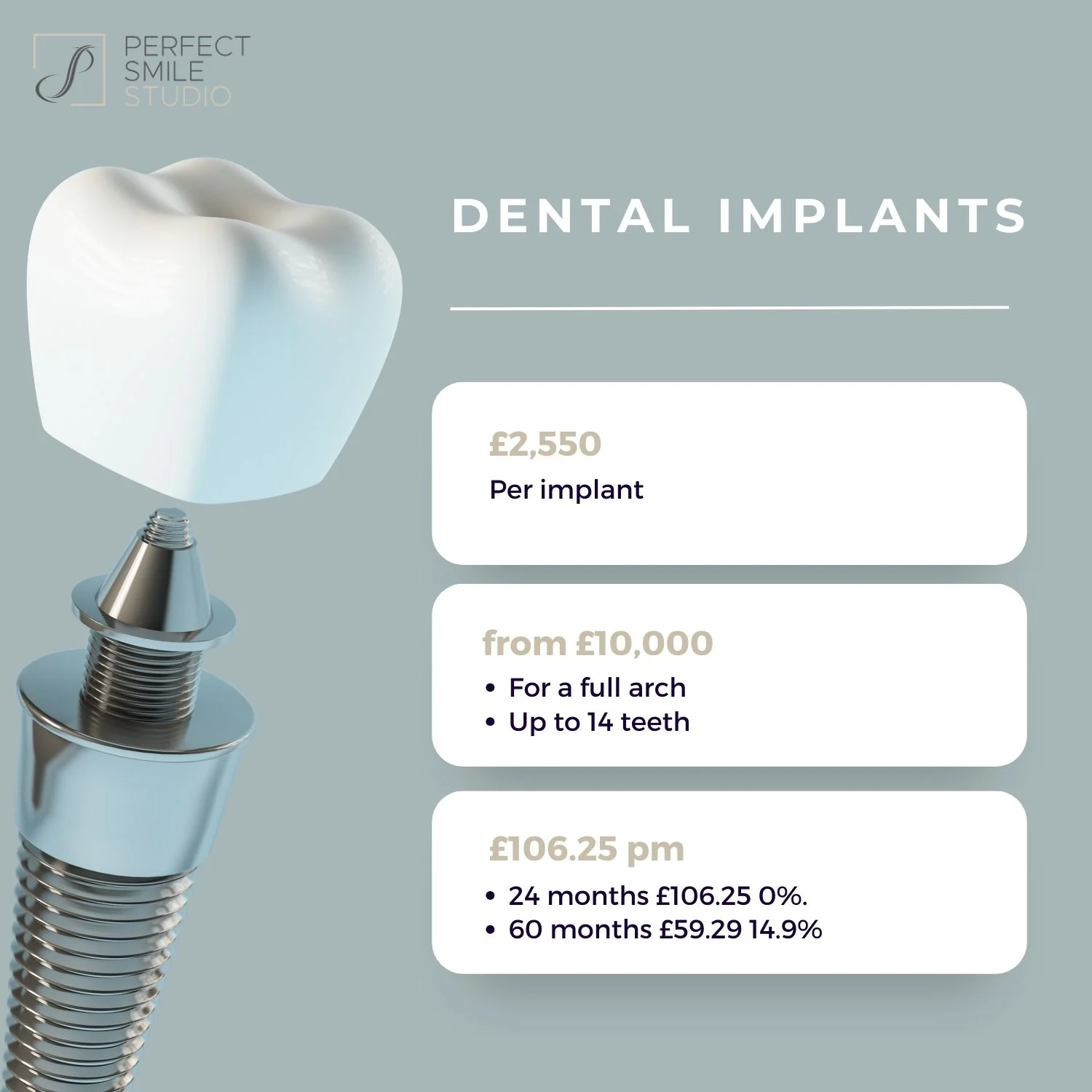
Private dental implant costs in the UK can vary significantly depending on the clinic, location, and complexity of the case. A single dental implant can range from £2,000 to £4,000 or more. Full mouth reconstruction can cost upwards of £20,000. Therefore, if you qualify for NHS treatment, the cost savings can be substantial.
However, the limited availability and strict criteria often lead many to explore private options, including seeking treatment abroad where costs may be lower.
How Do You Access NHS Dental Implants?
NHS dentist appointment and subsequent referral are essential steps. The process for accessing NHS dental implants involves several stages and can be lengthy.
Referral Process
The first step is to schedule an appointment with your general NHS dentist. They will assess your oral health and determine if a referral for implant treatment is appropriate. If your dentist believes you meet the criteria, they will refer you to a specialist dental consultant or a hospital with a dental department.
Waiting Times for Implant Treatment on NHS
Waiting times for NHS dental implant treatment can be significant, often ranging from several months to over a year. This is due to high demand and limited resources. Waiting times can vary depending on the region and the specific hospital or clinic.
Patients should inquire about the estimated waiting time during the referral process to manage their expectations. Contact Albania Dental Implants for an effective process with minimal waiting time.
Alternatives to Implants on NHS
Free dental implants NHS are rare, so understanding alternatives is important. When NHS dental implants are not an option, several alternative prosthetic solutions are available.
Other Prosthetic Solutions Available
The NHS offers several alternatives to dental implants, including:
- Dentures: Removable appliances that replace missing teeth. These can be full or partial, depending on the number of missing teeth.
- Bridges: Fixed appliances that attach to adjacent teeth to fill the gap left by a missing tooth.
These options are typically more readily available and affordable than dental implants on the NHS.
When NHS Does Not Cover Implants
The NHS typically does not cover dental implants for purely cosmetic reasons or when other more conventional treatments are viable. If your case does not meet the strict medical necessity criteria, you will likely need to explore private options.
Patients should discuss all available options with their dentist to determine the most suitable treatment plan.
Frequently Asked Questions (FAQs)
NHS dental services can be complex, and many questions arise regarding implant treatment. Let’s address some common queries about dental implants on the NHS.
Does the NHS cover dental implant costs for everyone?
No, the NHS does not cover dental implant costs for everyone. NHS-funded dental implants are typically reserved for patients with significant medical needs, such as those who have experienced severe trauma, cancer, or congenital conditions affecting tooth development. Cosmetic reasons or general tooth replacement are usually not covered.
What are the main eligibility requirements for NHS dental implants?
The main eligibility requirements include a clear medical necessity, such as severe facial trauma, congenital absence of teeth, or failed previous dental treatments that cannot be resolved with other methods. The NHS assesses each case individually to determine if implants are the most appropriate solution.
What is the actual cost for a dental implant on the NHS?
If you are eligible for dental implants on the NHS, you will typically pay the Band 3 charge, which, as of 2024, is £319.10 in England. This covers the entire course of treatment, including examinations, planning, and aftercare.
Why are NHS dental implants rarely provided?
NHS dental implants are rarely provided due to limited resources and strict eligibility criteria. The NHS prioritizes treatments based on medical necessity, and dental implants are often considered a lower priority compared to other essential medical services.
How do I get referred for a dental implant on the NHS?
To get referred for a dental implant on the NHS, schedule an appointment with your general NHS dentist. They will assess your oral health and determine if a referral is appropriate. If they believe you meet the criteria, they will refer you to a specialist dental consultant or a hospital with a dental department.
How long does it take to get an implant on the NHS?
Waiting times for NHS dental implant treatment can be significant, often ranging from several months to over a year. This is due to high demand and limited resources. Waiting times can vary depending on the region and the specific hospital or clinic.
What alternatives does the NHS offer if it won’t provide an implant?
If the NHS does not provide an implant, they typically offer alternatives such as dentures or bridges. These options are generally more readily available and affordable than dental implants.
How do NHS implant prices compare to private dentists in the UK?
NHS implant prices are significantly lower than those of private dentists in the UK. A single dental implant at a private clinic can range from £2,000 to £4,000 or more, while the NHS Band 3 charge is £319.10 (if eligible).
Are there any cases when dental implants on the NHS are free?
In very rare cases, dental implants on the NHS may be free if you qualify for certain exemptions, such as receiving specific benefits or having a low income. However, these cases are highly exceptional and subject to strict assessment.
Can I appeal if refused an NHS dental implant?
Yes, if you are refused an NHS dental implant, you can appeal the decision. The appeal process typically involves submitting a formal complaint to the dental practice or the NHS commissioning body. It is advisable to seek advice from a patient advocacy group or legal professional to navigate the appeal process effectively.
Affordable Dental Implant Solutions in Albania
For those seeking more affordable options, Albania Dental Implants offers high-quality dental implant services at a fraction of the cost compared to the UK. Our state-of-the-art clinic in Albania provides a range of dental implant solutions, including single implants, full mouth restorations, and all on 4 dental implants in Albania, all performed by experienced and qualified dental professionals.
Cost-Effective Dental Tourism in Albania
Choosing dental tourism in Albania can significantly reduce your dental expenses without compromising on quality. At Albania Dental Implants, we offer comprehensive dental tourism packages that include treatment, accommodation, and transportation, making the entire process seamless and stress-free. Our commitment to excellence and patient satisfaction ensures you receive the best possible care.
Benefits of Choosing Albania Dental Implants
- Significant cost savings: Dental implant costs in Albania are considerably lower than in the UK.
- High-quality care: Our clinic is equipped with the latest technology, and our dentists are highly skilled and experienced.
- Comprehensive services: We offer a full range of dental implant solutions to meet your specific needs.
- Personalized treatment plans: We tailor our treatment plans to ensure the best possible outcome for each patient.
- Convenient dental tourism packages: Our packages include everything you need for a comfortable and hassle-free experience.
Conclusion
While accessing dental implants on the NHS can be challenging due to strict eligibility criteria and limited availability, understanding the costs, criteria, and alternatives is essential for making informed decisions about your dental health. For those seeking more affordable options, Albania Dental Implants offers high-quality dental implant services at a fraction of the cost compared to the UK. Contact us today to learn more about our services and how we can help you restore your smile and confidence with affordable dental solutions.





