



Figuring out how to afford dental implants in the UK can feel overwhelming, but it’s a crucial step towards regaining your smile and confidence. With the rising costs of dental care, understanding your options for affordable dental implants UK is more important than ever. This comprehensive guide will explore various pathways to make dental implants accessible, from NHS provisions to private finance plans, and even exploring options like dental tourism in Albania, where you can receive high-quality treatment at a significantly lower cost.
Dental implant costs in the UK: What to expect
The cost of dental implants in the UK can vary widely, impacting your decision on whether to proceed. Understanding dental implants UK prices is vital for planning your budget. Several factors influence the final price, including the type of implant, the complexity of the procedure, and the clinic’s location.
Average costs for single, multiple, and full arch implants
Here’s a general overview of what you can expect to pay:
- Single dental implant: £2,000 to £4,000 per implant.
- Multiple dental implants: This can range from £4,000 to £10,000 depending on the number of implants needed.
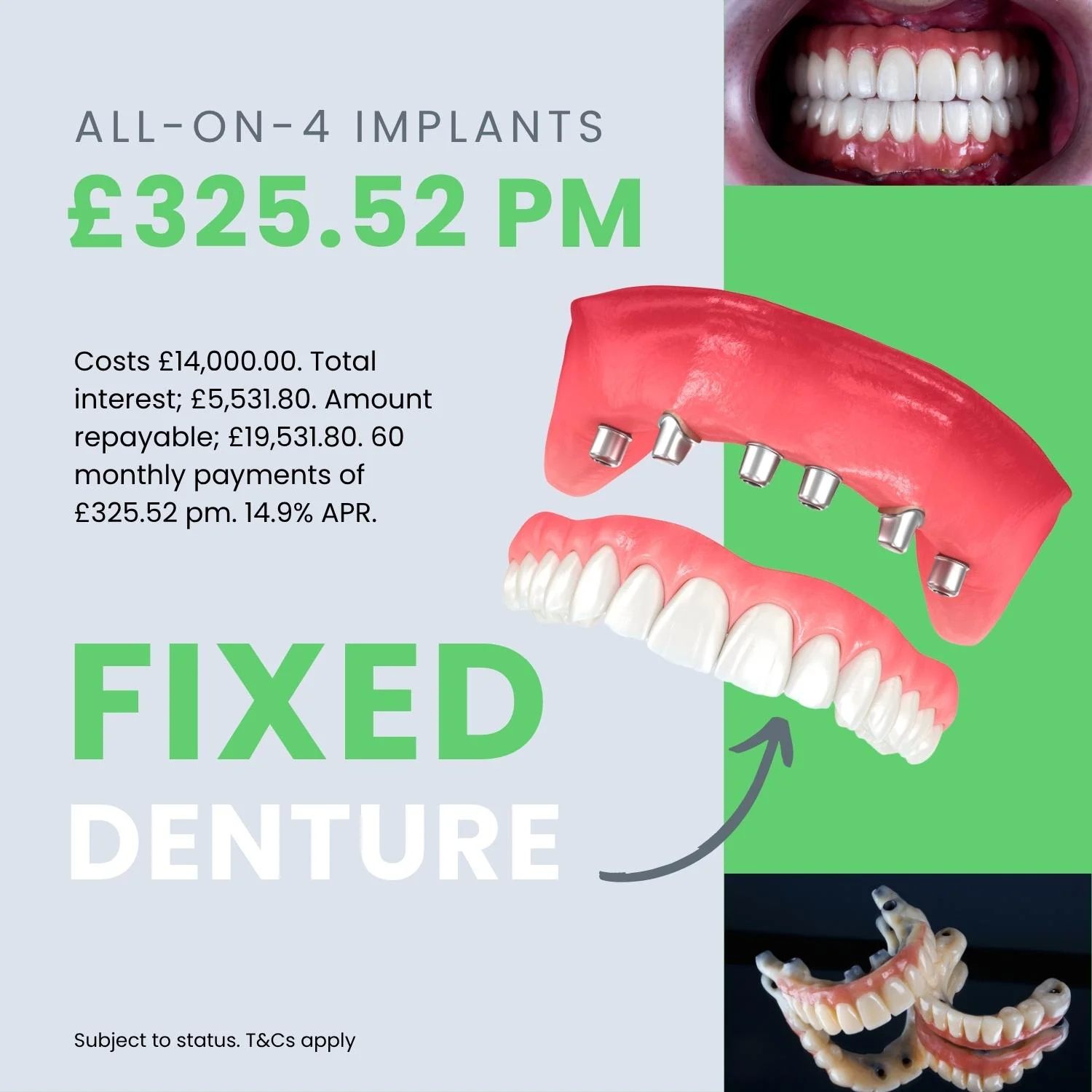
- Full arch implants (e.g., All-on-4): £7,000 to £25,000 per arch.
Factors influencing price (location, clinic, materials)
Several elements contribute to the overall cost:
- Location: Clinics in London and other major cities typically charge more than those in smaller towns.
- Clinic Reputation and Expertise: Highly experienced specialists and clinics with advanced technology may command higher fees.
- Materials: The type of implant and crown material used (e.g., titanium, zirconia) can affect the price.
- Additional Procedures: Bone grafting or sinus lifts, if required, will add to the total cost. You might need a sinus lift in Albania or bone grafting in Albania.
NHS versus private dental implants: What are your options?
When considering dental implants, understanding your options within the NHS and private sectors is crucial. Knowing the difference between NHS dental implants and private vs NHS implants can significantly impact your treatment path and the financial implications.
Availability of implants on the NHS
Can NHS pay for my dental implants? Unfortunately, dental implants are rarely available on the NHS. They are typically only offered in cases where there is a medical need, such as:
- Trauma: If you’ve lost teeth due to an accident or injury.
- Congenital conditions: If you were born with missing teeth.
- Cancer treatment: If tooth loss is a direct result of cancer treatment.
Even if you qualify, the process can be lengthy, and availability varies depending on your location and the specific NHS trust. It’s essential to consult with your dentist to assess your eligibility.
Private care options and what they include
Private dental care offers a wider range of options and often faster treatment times. Here’s what private dental implant treatment typically includes:
- Comprehensive Examination: A thorough assessment of your oral health, including X-rays and scans.
- Personalized Treatment Plan: A customized plan tailored to your specific needs and preferences.
- High-Quality Materials: Access to advanced implant technologies and materials.
- Experienced Specialists: Treatment by skilled implantologists with extensive experience.
- Aftercare and Maintenance: Follow-up appointments and guidance on maintaining your implants.
Private dental implants offer greater flexibility and choice, but they come at a higher cost. This is where exploring options like dental tourism in Albania can provide significant savings without compromising quality.
Spreading the cost: Finance, payment plans, and loans
The cost of dental implants can be a significant barrier, but several finance options can make the treatment more manageable. Exploring dental implant finance UK, dental implant payment options, and interest-free dental loans can help you achieve your desired smile without financial strain.
Types of finance commonly available (in-house, third-party)
Here are the common types of financing available:
- In-House Payment Plans: Many dental clinics offer their own payment plans, allowing you to spread the cost over several months or years. These plans may or may not include interest.
- Third-Party Finance Companies: Companies specializing in dental finance offer loans specifically for dental treatments. These loans often come with competitive interest rates and flexible repayment terms.
- Personal Loans: You can also consider taking out a personal loan from a bank or credit union to cover the cost of dental implants.
Pros and cons of dental credit plans
Dental credit plans, offered by third-party finance companies, have both advantages and disadvantages:
- Pros:
- Affordability: Spreads the cost into manageable monthly payments.
- Accessibility: Often easier to qualify for than traditional loans.
- Interest-Free Options: Some plans offer interest-free periods, reducing the overall cost.
- Cons:
- Interest Charges: If the interest-free period expires, you may face high interest rates.
- Fees: Some plans include setup fees or early repayment charges.
- Credit Score Impact: Failure to make payments can negatively affect your credit score.
Before committing to a dental credit plan, carefully review the terms and conditions to ensure it aligns with your financial situation.
Dental insurance and funding assistance
Navigating the world of dental insurance and funding assistance can be complex. Understanding dental implant insurance UK, dental grants UK, and potential charity dental implants options is essential to reduce your out-of-pocket expenses.
Role of private dental insurance
While some dental insurance policies may contribute towards the cost of dental implants, full coverage is rare. Most policies consider implants a cosmetic procedure and offer limited or no benefits. It’s crucial to:
- Review Your Policy: Carefully examine the terms and conditions to understand what’s covered.
- Contact Your Provider: Speak with your insurance provider to clarify your coverage for dental implants.
- Consider a Supplemental Plan: Some specialized dental insurance plans may offer better coverage for implants, but these often come with higher premiums.
Charitable organisations, grants, or research programmes
Exploring charitable organizations and grant programs can provide financial assistance for dental implants. While these options are limited and highly competitive, they are worth investigating:
- Dental Charities: Some charities offer grants or subsidized treatment for individuals with specific medical conditions or financial hardships.
- Research Programmes: Dental schools and research institutions sometimes offer discounted treatment as part of clinical trials.
- Local Community Organisations: Check with local community centers or social services for potential funding opportunities.
Securing funding from these sources requires thorough research and a compelling application.
Is there a government grant for implants?
Is there a government grant for implants? In the UK, this is a common question for people seeking affordable dental care. Unfortunately, there are very limited government grants specifically designated for dental implants. The NHS primarily covers dental implants only when there is a clear medical need, such as cases of trauma, congenital conditions, or as a result of cancer treatment. This means that most individuals seeking dental implants for aesthetic or restorative reasons will need to explore alternative funding options.
Council or government support (if any)
Direct financial support from local councils or the government for dental implants is extremely rare. NHS support is typically limited to essential treatments, and implants are often considered a cosmetic procedure. However, it’s worth contacting your local council to inquire about potential support schemes for low-income individuals or those with specific health conditions.
Ways to reduce the cost of dental implants
Finding affordable dental implants requires exploring various cost-reduction strategies. Considering cheaper alternatives to dental implants, seeking dental implant deals, and exploring treatment at dental schools UK can significantly lower your expenses.
Traveling abroad (dental tourism): benefits and risks
Dental tourism involves traveling to another country for dental treatment. Countries like Albania offer high-quality dental implants at a fraction of the cost compared to the UK. The benefits include:
- Significant Cost Savings: Treatment costs can be 50-70% lower than in the UK. You should check the cost of dental implants in Albania.
- High-Quality Care: Many clinics abroad employ experienced dentists and use advanced technology.
- Combined Holiday: You can combine your dental treatment with a relaxing holiday.
However, dental tourism also involves risks:
- Travel and Accommodation Costs: These expenses can add to the overall cost.
- Language Barriers: Communication difficulties can affect the quality of care.
- Lack of Legal Recourse: It may be difficult to pursue legal action if something goes wrong.
- Follow-Up Care: Arranging follow-up appointments and aftercare in the UK can be challenging.
Getting treatment at dental schools
Dental schools often offer discounted treatment as part of their training programs. Supervised by experienced instructors, student dentists provide care at a lower cost. The benefits include:
- Reduced Costs: Treatment fees are significantly lower than private clinics.
- High-Quality Supervision: Experienced instructors oversee all procedures.
- Access to Advanced Technology: Dental schools often have state-of-the-art equipment.
However, treatment at dental schools may take longer due to the learning environment.
Looking for package deals or discounts
Many dental clinics offer package deals or discounts on dental implant treatments. These may include:
- Package Deals: Bundled services like consultation, implant placement, and crown fitting at a reduced price.
- Seasonal Discounts: Special promotions during certain times of the year.
- Referral Programs: Discounts for referring new patients to the clinic.
Always compare prices and read reviews before committing to a particular clinic or deal.
Is it worth it? Weighing cost versus benefit
Deciding whether to invest in dental implants requires careful consideration of the long-term value dental implants offer. Comparing them with other treatments like bridges and dentures and assessing the dental implant investment in your overall health is crucial. Understanding the long-term health and quality-of-life considerations will help you make an informed decision.
Comparison with other treatments (bridges, dentures)
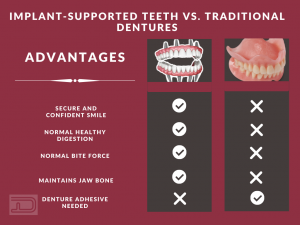
Dental implants, bridges, and dentures are common solutions for missing teeth, each with its own pros and cons:
- Dental Implants:
- Pros: Long-lasting, stable, natural-looking, preserves bone density.
- Cons: Higher initial cost, invasive procedure.
- Dental Bridges:
- Pros: Less expensive than implants, non-surgical.
- Cons: Requires altering adjacent teeth, shorter lifespan than implants.
- Dentures:
- Pros: Least expensive option, non-invasive.
- Cons: Can be uncomfortable, affects speech and taste, requires regular adjustments. Here are the what are the three types of dentures?
Long-term health and quality-of-life considerations
Dental implants offer significant long-term benefits:
- Improved Oral Health: Implants prevent bone loss and maintain the integrity of surrounding teeth.
- Enhanced Quality of Life: Implants restore your ability to eat, speak, and smile with confidence.
- Long-Term Cost Savings: While the initial cost is higher, implants can be more cost-effective in the long run compared to bridges and dentures, which may require frequent replacements. How long do dental implants last?
Investing in dental implants can have a profound impact on your overall well-being.
Next steps: How to plan for affordable dental implants
Planning for affordable dental implants requires a strategic approach. Effective budgeting for dental implants and creating a detailed saving for dental treatment UK plan are essential. Here are the next steps to take:
Step-by-step planning (consultation, quotes, savings plan)
- Consultation: Schedule a consultation with a qualified dentist to assess your oral health and determine if dental implants are right for you.
- Obtain Quotes: Get quotes from multiple clinics to compare prices and treatment options.
- Assess Finance Options: Explore finance plans, loans, and insurance coverage to determine the most affordable payment method.
- Create a Savings Plan: Develop a budget and savings plan to cover the remaining costs.
Finding reputable, affordable clinics
Finding a reputable and affordable clinic is crucial for a successful dental implant treatment. Consider the following:
- Research: Read online reviews and testimonials to assess the clinic’s reputation. Check Albania dental implants reviews.
- Qualifications: Verify the dentist’s qualifications and experience in implant dentistry.
- Technology: Ensure the clinic uses advanced technology and high-quality materials.
- Consultation: Attend a consultation to discuss your needs and assess the clinic’s suitability.
- Transparency: Choose a clinic that provides transparent pricing and a clear treatment plan.
By carefully planning and researching your options, you can make dental implants an affordable and life-changing investment. Consider travelling to our Albania Dental Implants clinic for a much more affordable option.