



Implants Tooth – The Ultimate Guide to Tooth Implants
Implants tooth procedures are revolutionising dental restoration for people seeking permanent and natural-looking tooth replacement. A dental implant is essentially an artificial tooth root, typically made of titanium, that is surgically placed into the jawbone to support a replacement tooth or teeth. This guide will provide you with everything you need to know about dental implants and how Albania Dental Implants can help you restore your smile with affordable and high-quality solutions.
What Is a Tooth Implant?
Cluster keywords: dental implant, artificial tooth root, dental prosthesis, titanium implant, single tooth implant
A tooth implant is a surgical component that interfaces with the bone of the jaw or skull to support a dental prosthesis such as a crown, bridge, or denture. It’s a permanent solution for missing teeth that feels and functions like a natural tooth. At Albania Dental Implants, we specialize in providing comprehensive and affordable dental implant services.
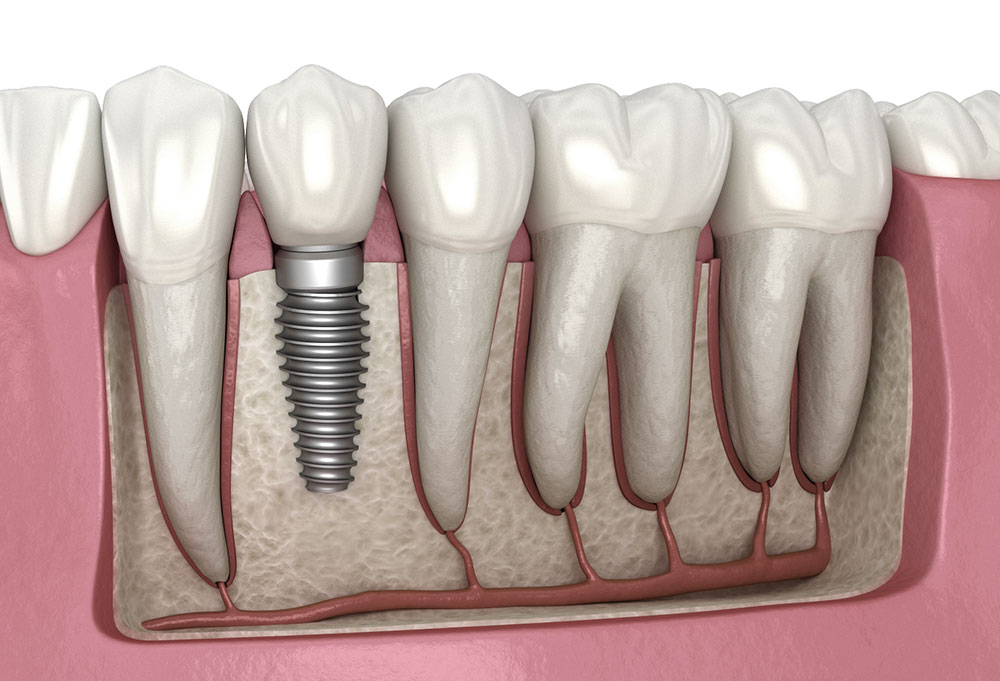
Components of a Tooth Implant
- Implant: The titanium post that is surgically placed into the jawbone, acting as an artificial root.
- Abutment: A connector that is attached to the implant, providing a base for the crown.
- Crown: The artificial tooth that is attached to the abutment, designed to look and function like a natural tooth.
How Implants Differ From Dentures and Bridges
Unlike dentures, which are removable and can sometimes feel uncomfortable, dental implants are permanently fixed in the jawbone, providing stability and a natural feel. Implants also differ from bridges, which require altering adjacent teeth to support the replacement tooth. Implants are stand-alone solutions that do not affect neighboring teeth.
Who is Eligible for Tooth Implants?
Most adults in good general health are eligible for dental implants. However, certain conditions can affect eligibility, including:
- Adequate bone density in the jaw to support the implant.
- Healthy gums and oral tissues.
- Controlled chronic conditions such as diabetes.
- Non-smokers or those willing to quit smoking, as smoking can impair healing.
If you’re unsure whether you’re a candidate, contact Albania Dental Implants for a consultation to assess your specific needs.
Types of Dental Implants
Cluster keywords: endosteal implant, subperiosteal implant, mini dental implants, all-on-4 implants, implant-supported dentures
There are several types of dental implants, each designed for specific needs and situations. Understanding the different options can help you make an informed decision about your treatment.
Major Implant Types
- Endosteal Implants: These are the most common type of dental implant, placed directly into the jawbone. They are typically made of titanium and are suitable for most patients with good bone density.
- Subperiosteal Implants: These implants are placed under the gum but on or above the jawbone. They are used in patients who do not have enough healthy jawbone to support endosteal implants.
- Mini Dental Implants (MDIs): These are smaller in diameter than traditional implants and are often used to stabilize dentures.
- All-on-4 Implants: This technique uses four implants to support a full arch of replacement teeth, providing a stable and efficient solution for patients with significant tooth loss.
Typical Use Cases
The type of implant used depends on the number of missing teeth and the patient’s oral health. For example:
- Single Tooth Implants: Used to replace a single missing tooth without affecting adjacent teeth.
- Multiple Teeth Implants: Used to replace several missing teeth, often with a bridge supported by two or more implants.
- Full Mouth Implants: Techniques like All-on-4 are used to replace an entire arch of teeth with a fixed prosthesis.
Albania Dental Implants offers a range of implant options tailored to your unique needs. Our Albania Dental Implants Services include a thorough assessment to determine the most suitable implant type for you.
Tooth Implant Procedure – Step by Step
Cluster keywords: dental implant surgery, tooth extraction, bone graft, healing period, osseointegration, abutment placement, crown fitting
The tooth implant procedure involves several stages, from initial consultation to final crown placement. Understanding each step can help you prepare for the process and ensure a successful outcome.
Detailed Explanation of the Implantation Process
- Consultation: The process begins with a comprehensive dental exam, including X-rays and CT scans, to assess your oral health and bone density. Your dentist will discuss your treatment options and create a personalized plan.
- Tooth Extraction (if necessary): If the tooth is still present, it will need to be extracted. In some cases, implants can be placed immediately after extraction.
- Bone Graft (if necessary): If you have insufficient bone density, a bone graft may be required to create a solid foundation for the implant. This involves transplanting bone tissue to the jawbone and allowing it to heal.
- Implant Placement: The implant is surgically placed into the jawbone. This is typically done under local anesthesia.
- Healing Period (Osseointegration): Over the next several months, the implant fuses with the jawbone in a process called osseointegration. This ensures a strong and stable base for the replacement tooth.
- Abutment Placement: Once osseointegration is complete, an abutment is attached to the implant. This serves as a connector between the implant and the crown.
- Crown Fitting: Finally, a custom-made crown is attached to the abutment, completing the tooth implant procedure.
Timeline and Expected Experience
The entire process can take several months, depending on individual factors such as healing time and the need for bone grafting. Here’s a general timeline:
- Initial Consultation: 1-2 hours.
- Tooth Extraction (if needed): 30-60 minutes.
- Bone Graft (if needed): 1-2 hours, followed by a healing period of 3-6 months.
- Implant Placement: 1-2 hours.
- Osseointegration: 3-6 months.
- Abutment Placement: 30-60 minutes.
- Crown Fitting: 30-60 minutes.
Albania Dental Implants ensures you are fully informed and comfortable throughout the entire dental implant surgery process. We provide detailed aftercare instructions and support to help you achieve the best possible outcome.
Costs and Financing of Tooth Implants
Cluster keywords: dental implant cost, NHS dental implants, private dental implants UK, dental payment plans, tooth implant price comparison
The dental implant cost can vary significantly depending on several factors. Understanding the costs and available financing options can help you make an informed decision.
Typical Costs in the UK (NHS vs Private)
The cost of dental implants in the UK can vary significantly. Generally, you should consider the following:
- NHS Dental Implants: Dental implants are rarely available on the NHS, and are usually only offered in cases of medical necessity such as oral cancer reconstruction, significant trauma, or congenital defects.
- Private Dental Implants UK: The average cost of a single dental implant in the UK ranges from £2,000 to £4,000. Full mouth implants can cost between £8,000 to £15,000 or more, depending on the complexity of the case and the materials used.
At Albania Dental Implants, we offer high-quality dental implants at a fraction of the cost compared to private clinics in the UK. Our cost of dental implants in Albania is significantly lower, often saving patients 50-70%.
Factors Influencing Price
Several factors can influence the price of dental implants:
- Number of Implants: The more implants required, the higher the overall cost.
- Type of Implant: Different types of implants (e.g., endosteal, subperiosteal, All-on-4) have different costs.
- Materials Used: The type of material used for the implant and crown (e.g., titanium, zirconia) can affect the price.
- Additional Procedures: Procedures such as tooth extraction, bone grafting, or sinus lifts can add to the total cost.
- Clinic Location and Dentist’s Experience: Prices can vary depending on the location of the clinic and the dentist’s level of expertise.
Overview of Insurance and Financing Options
While dental insurance often does not cover the full cost of dental implants, some plans may cover a portion. It’s essential to check with your insurance provider to understand your coverage. Financing options can include:
- Dental Payment Plans: Many dental clinics offer payment plans that allow you to spread the cost of treatment over time.
- Personal Loans: You can take out a personal loan to cover the cost of dental implants.
- Medical Credit Cards: Credit cards specifically designed for medical expenses can offer low-interest rates and flexible payment options.
Albania Dental Implants provides affordable dental implant solutions, and we can assist with travel and accommodation arrangements, making your dental tourism experience as smooth and cost-effective as possible. Dental tourism in Albania is becoming increasingly popular due to the combination of high-quality care and lower prices.
Benefits and Risks of Tooth Implants
Cluster keywords: pros and cons of dental implants, dental implant success rate, risks of dental implants, implant longevity
Tooth implants offer numerous benefits, but it’s also important to be aware of the potential risks and complications. Understanding both can help you make a well-informed decision.
Main Advantages
- Appearance: Dental implants look and feel like natural teeth, enhancing your smile and confidence.
- Durability: With proper care, dental implants can last a lifetime.
- Function: Implants restore your ability to chew, speak, and function normally without discomfort.
- Improved Oral Health: Unlike bridges, implants do not require altering adjacent teeth, which helps maintain overall oral health.
- Bone Health: Implants stimulate bone growth, preventing bone loss in the jaw.
Common Risks and Complications
While dental implants have a high success rate, there are potential risks to consider:
- Infection: Infections can occur at the implant site and require treatment.
- Rejection: Although rare, the body may reject the implant.
- Bone Loss: Insufficient bone density can lead to implant failure.
- Nerve Damage: Nerve damage can occur during surgery, causing pain, numbness, or tingling in the gums, lips, or chin.
- Sinus Problems: Upper jaw implants can sometimes protrude into the sinus cavity.
- Implant Failure: Implants can fail due to various reasons, including poor oral hygiene, smoking, or underlying health conditions.
Albania Dental Implants minimizes these risks through careful planning, advanced technology, and experienced dental professionals. We also ensure you are fully aware of all potential risks and provide detailed aftercare instructions to help prevent complications.
Caring for Your Tooth Implants
Cluster keywords: implant maintenance, oral hygiene, aftercare for dental implants, dental implant cleaning, longevity of dental implants
Proper care and maintenance are essential for ensuring the longevity of dental implants. By following a consistent oral hygiene routine and attending regular dental check-ups, you can keep your implants healthy and functioning optimally.
Daily Care and Recommended Products
Here are some tips for daily care:
- Brush Regularly: Brush your teeth at least twice a day using a soft-bristled toothbrush and non-abrasive toothpaste.
- Floss Daily: Use dental floss or interdental brushes to clean between your implants and around the gum line.
- Use an Oral Irrigator: A water flosser can help remove plaque and debris from hard-to-reach areas.
- Antimicrobial Mouthwash: Rinse with an antimicrobial mouthwash to kill bacteria and prevent infection.
How to Avoid Implant Complications and Ensure Long-Term Success
- Regular Dental Check-Ups: Visit your dentist every six months for professional cleanings and check-ups.
- Avoid Smoking: Smoking can significantly impair healing and increase the risk of implant failure.
- Maintain a Healthy Diet: A balanced diet supports overall health and promotes healthy gums and bones.
- Protect Your Implants: If you grind your teeth (bruxism), wear a nightguard to protect your implants from excessive pressure.
Albania Dental Implants provides comprehensive aftercare support and guidance to help you maintain your implants and enjoy a healthy, confident smile for years to come. Understanding how long dental implants last and taking proactive care measures are crucial for their longevity.
Alternatives to Tooth Implants
Cluster keywords: dentures, dental bridges, removable partial dentures, tooth replacement options
While tooth implants are a popular and effective solution for missing teeth, there are alternative options to consider. Understanding the pros and cons of each can help you make the best choice for your individual needs and circumstances.
Pros and Cons of Common Alternatives
- Dentures: Dentures are removable replacements for missing teeth. They are less expensive than implants but can be less stable and comfortable.
- Pros: More affordable, non-surgical.
- Cons: Can be uncomfortable, may require adjustments, can affect speech and taste.
- Dental Bridges: A dental bridge is a fixed prosthetic that replaces a missing tooth by attaching to adjacent teeth.
- Pros: Less expensive than implants, non-surgical.
- Cons: Requires altering adjacent teeth, shorter lifespan than implants, can increase risk of decay in supporting teeth.
- Removable Partial Dentures: These are similar to full dentures but replace only some teeth.
- Pros: More affordable than implants, can be easily adjusted.
- Cons: Can be uncomfortable, may affect speech and taste, can damage adjacent teeth.
When an Implant is Preferable
Implants are often preferable to other tooth replacement options in the following situations:
- When you want a permanent, stable, and natural-feeling solution.
- When you want to avoid altering adjacent teeth.
- When you want to prevent bone loss in the jaw.
- When you want a long-lasting solution that can improve your overall oral health.
Exploring alternatives to dental implants can help you make a decision that aligns with your oral health goals, budget, and preferences. Albania Dental Implants can provide a comprehensive consultation to help you weigh your options and choose the best solution for your smile.
Frequently Asked Questions (FAQs)
What is a tooth implant and how does it work?
A tooth implant is a surgical component, typically made of titanium, that is placed into the jawbone to support a replacement tooth. It works by fusing with the jawbone through a process called osseointegration, providing a stable and permanent base for the artificial tooth.
Are tooth implants painful?
Most patients report minimal pain during the dental implant procedure, which is typically performed under local anesthesia. Some discomfort is normal after surgery, but it can be managed with over-the-counter or prescription pain medication. The level of pain experienced during a dental implant procedure depends on individual pain tolerance and the complexity of the case.
How long do dental implants last?
With proper care and maintenance, dental implants can last a lifetime. Regular dental check-ups, good oral hygiene, and a healthy lifestyle are essential for ensuring their longevity.
What is the recovery time for a dental implant?
The initial recovery period after dental implant placement is typically 1-2 weeks, during which you may experience some swelling, bruising, and discomfort. Complete osseointegration, the process of the implant fusing with the jawbone, can take 3-6 months.
Can anyone get a tooth implant?
Most adults in good general health are eligible for dental implants. However, certain conditions, such as uncontrolled diabetes, severe gum disease, or insufficient bone density, may affect eligibility. A thorough evaluation is necessary to determine if you are a suitable candidate. Understanding who should not get dental implants is crucial for ensuring the success of the procedure.
How much do dental implants cost in the UK?
The cost of dental implants in the UK can vary significantly. A single implant can range from £2,000 to £4,000, while full mouth implants can cost between £8,000 to £15,000 or more. At Albania Dental Implants, we offer more affordable solutions, often saving patients 50-70% on the cost. The dental implant cost depends on various factors, including the type of implant, materials used, and additional procedures required.
Is the tooth implant procedure safe?
The tooth implant procedure is generally considered safe, with a high success rate. However, like any surgical procedure, there are potential risks, such as infection, nerve damage, or implant failure. Choosing an experienced and qualified dental professional can minimize these risks.
What are the risks or side effects?
Potential risks and side effects of dental implants include infection, rejection, bone loss, nerve damage, sinus problems, and implant failure. These risks are relatively rare and can be minimized with proper planning, skilled surgery, and good aftercare.
Are dental implants available on the NHS?
Dental implants are rarely available on the NHS and are typically only offered in cases of medical necessity, such as oral cancer reconstruction or significant trauma. Understanding if you can get implants on a NHS dentist requires knowing the specific eligibility criteria and available resources.
What makes dental implants better than dentures or bridges?
Dental implants offer several advantages over dentures and bridges, including improved stability, durability, aesthetics, and oral health. Implants do not require altering adjacent teeth and can prevent bone loss in the jaw, making them a long-lasting and natural-feeling solution.
Ready to Transform Your Smile?
If you’re considering implants tooth solutions, Albania Dental Implants is here to help. Our experienced team provides high-quality, affordable dental implants in Albania, combining expert care with the benefits of dental tourism. Contact us today to schedule a consultation and learn more about how we can restore your smile and confidence. Contact Albania Dental Implants to begin your journey towards a confident, healthy smile!