



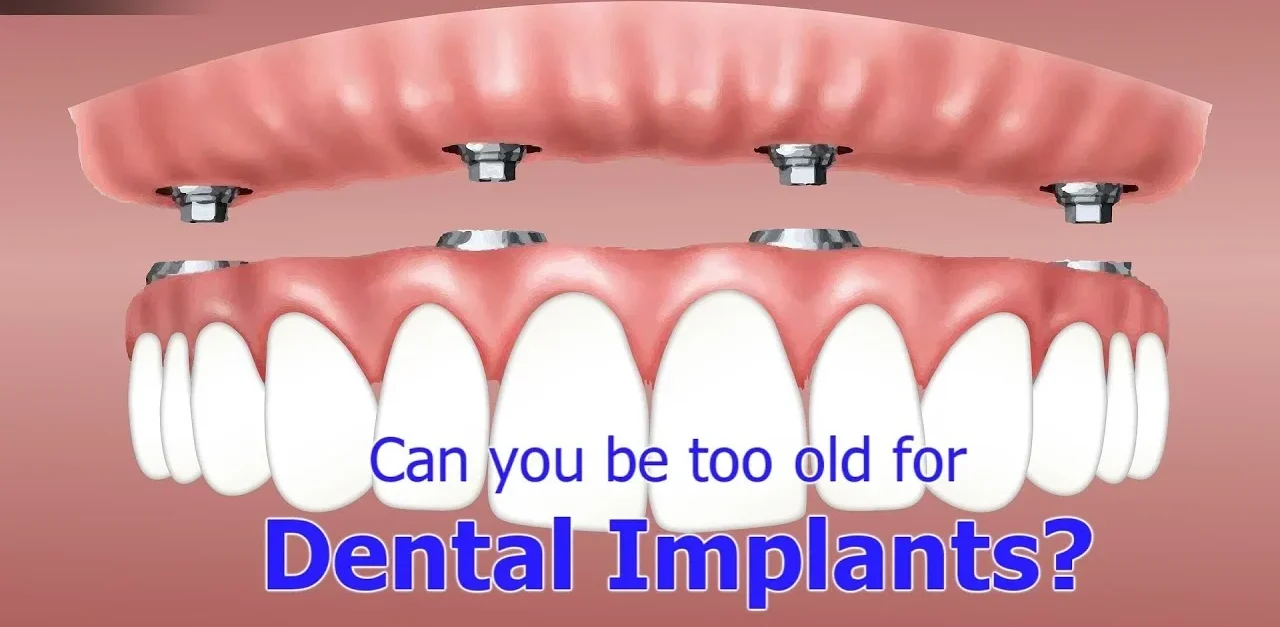
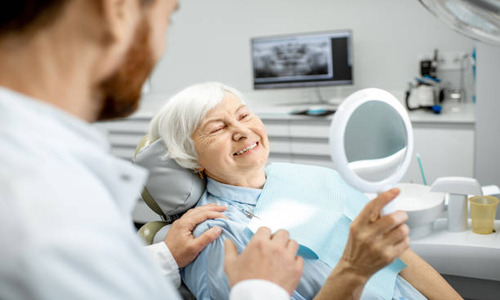
Is 60 too old for dental implants? Absolutely not! Age is rarely a barrier to receiving dental implants, and in many cases, it’s an excellent solution for restoring your smile and improving your quality of life, even well into your senior years. Albania Dental Implants offers comprehensive solutions for missing teeth, and we believe everyone deserves a confident, healthy smile.
Dental Implants for Older Adults and Seniors
Dental implants for seniors have become increasingly common, providing a reliable and long-lasting solution for missing teeth. When considering dental implants after 60, many people wonder about the best age for dental implants and whether there’s an age limit for dental implants. The good news is that advancements in dental technology and techniques have made dental implants a viable option for many older adults.
Why Age Isn’t a Restriction
Unlike some medical procedures, there isn’t a strict upper age limit for dental implants. The primary factor determining candidacy is overall health rather than chronological age. As long as you’re healthy enough to undergo a routine dental procedure, you’re likely a good candidate for dental implants. We at Albania Dental Implants have seen countless patients well into their 70s and 80s successfully receive and benefit from dental implants.
Factors Considered for Senior Patients
When evaluating seniors for dental implants, dentists consider several factors:
- Overall health: Existing medical conditions, such as diabetes or heart disease, must be well-managed.
- Bone density: Sufficient bone density in the jaw is necessary to support the implants. If bone loss has occurred, bone grafting may be an option. More information about bone grafting in Albania can be found on our website.
- Medications: Certain medications, such as bisphosphonates used to treat osteoporosis, can affect bone healing and implant success.
Even with these considerations, most older adults can safely and successfully receive dental implants. If you’re concerned about your eligibility, a thorough evaluation by a qualified dentist is the best way to determine if dental implants are right for you.
What Are the Benefits of Dental Implants Over 60?
The benefits of dental implants extend far beyond just aesthetics. For individuals over 60, tooth replacement options for pensioners can significantly improve their quality of life and overall well-being. These advantages in older age can be transformative.
Improved Oral Health
Dental implants can help prevent bone loss in the jaw, a common issue after tooth loss. They also reduce the risk of adjacent teeth shifting, which can lead to bite problems and further tooth decay. Maintaining good oral health is crucial as we age, and dental implants can play a key role in achieving this.
Enhanced Quality of Life
Missing teeth can make it difficult to eat, speak, and smile confidently. Dental implants restore these functions, allowing you to enjoy your favorite foods, communicate clearly, and feel more comfortable in social situations. Many of our patients at Albania Dental Implants report a significant boost in self-esteem and overall happiness after receiving dental implants.
Long-Term Solution
Unlike dentures, which may need to be replaced every few years, dental implants are a long-term solution that can last a lifetime with proper care. This makes them a cost-effective option in the long run. To understand more about their longevity, check our article How long do dental implants last?.
Are There Age Restrictions for Dental Implants?
Many prospective patients wonder, are there age limits dental implants? While there’s no maximum age to rule out dental implants, the minimum and maximum age for dental implant consideration depend more on individual health than years lived. Elderly eligibility hinges on a comprehensive assessment.
The Importance of Health Assessment
The key factor isn’t age itself, but rather the overall health and well-being of the individual. Can pensioners get dental implants? Absolutely, provided they meet certain health criteria. A thorough health assessment is conducted to evaluate suitability, focusing on factors like:
- Bone Density: Adequate bone density in the jaw is crucial to support the implant.
- General Health: Conditions like diabetes, heart disease, and autoimmune disorders must be well-managed.
- Medications: Certain medications, such as bisphosphonates for osteoporosis, can affect bone healing and implant success.
Setting Realistic Expectations
During the assessment, realistic expectations are established. It’s important to understand the procedure, recovery process, and potential outcomes. This ensures informed consent and patient satisfaction. The team at Albania Dental Implants focuses on transparency and patient education, ensuring that every individual is fully aware of what to expect.
Health Factors Affecting Dental Implant Success in Older Patients
Health requirements play a significant role in the success of dental implants, especially in older patients. Bone density and dental implants are closely linked; similarly, medical conditions and dental implants require careful evaluation. Let’s explore these factors in detail.
Impact of Bone Density
Sufficient bone density is essential for the stability and long-term success of dental implants. As we age, bone density can decrease, particularly in women after menopause. This can make it challenging to securely place and maintain dental implants. A bone graft over 60 might be necessary to augment the jawbone.
Managing Medical Conditions
Certain medical conditions can affect the success of dental implants. These include:
- Diabetes: Uncontrolled diabetes can impair healing and increase the risk of infection.
- Heart Disease: Certain heart conditions and medications can increase the risk of complications during surgery.
- Osteoporosis: Osteoporosis can reduce bone density and affect implant stability.
- Autoimmune Disorders: Conditions like rheumatoid arthritis can affect healing and increase the risk of implant failure.
However, with proper management and close collaboration between your dentist and physician, many of these conditions can be controlled, allowing you to safely receive dental implants.
What Is the Procedure for Dental Implants If You Are Over 60?
The dental implant process is generally the same for patients over 60 as it is for younger individuals. However, there may be some adjustments to account for age-related health factors. Understanding the procedure steps for elderly patients can help alleviate any anxiety. It’s important to be aware of potential risks for seniors, as well as what to expect during recovery time.
Step-by-Step Process
The dental implant process typically involves the following steps:
- Initial Consultation: A thorough evaluation, including X-rays or CT scans, to assess your oral health and bone density.
- Treatment Planning: A customized treatment plan based on your individual needs and health conditions.
- Implant Placement: Surgical placement of the dental implant into the jawbone.
- Healing Period: Several months of healing to allow the implant to fuse with the bone (osseointegration).
- Abutment Placement: Attachment of an abutment to the implant, which will connect to the artificial tooth.
- Crown Placement: Attachment of a custom-made crown to the abutment, completing the restoration.
Considerations for Seniors
For older patients, the dentist may take extra precautions to ensure a successful outcome. This may include:
- Slower Healing: Older adults may heal more slowly, so the dentist may recommend a longer healing period.
- Bone Grafting: If bone density is insufficient, a bone graft may be necessary to provide adequate support for the implant.
- Medication Management: Careful management of medications to minimize the risk of complications.
Costs and Alternative Options for Tooth Replacement After 60
Understanding the dental implant cost UK is crucial for anyone considering this treatment, especially after 60. NHS dental implants are rarely available, so it’s essential to explore other affordable dental solutions for seniors. Comparing dentures vs implants is another key consideration, as each option has its own advantages and disadvantages.
Cost Breakdown
The cost of dental implants in the UK can vary depending on several factors, including:
- Number of Implants: The more implants needed, the higher the cost.
- Type of Implant: Different types of implants have different price points.
- Bone Grafting: If bone grafting is required, this will add to the overall cost.
- Location: Prices can vary depending on the dental clinic and its location.
Alternative Options
If dental implants are not feasible or affordable, several alternative tooth replacement options are available:
- Dentures: Removable appliances that replace missing teeth.
- Bridges: Fixed appliances that attach to adjacent teeth to fill the gap.
While dentures and bridges may be less expensive than dental implants, they also have limitations in terms of stability, comfort, and long-term durability. To understand more about your alternative options, check our article Is there a cheaper alternative to dental implants in the UK?.
Real Patient Outcomes and Success Stories Over 60
Hearing patient reviews and senior testimonials can be incredibly reassuring when considering dental implants. Seeing before and after dental implants over 60 photos can also provide a tangible sense of the possibilities. These real patient outcomes offer valuable insights into the long-term results of dental implants.
Testimonials
Many older adults have shared their positive experiences with dental implants:
“I was hesitant to get dental implants at my age, but it was the best decision I ever made. I can now eat all my favorite foods and smile with confidence again.” – Margaret, 72
“After years of struggling with dentures, dental implants have given me a new lease on life. They feel just like my natural teeth.” – John, 68
At Albania Dental Implants, we pride ourselves on providing personalized care and achieving successful outcomes for our patients. Our team is dedicated to helping you restore your smile and improve your quality of life.
While stories from other countries are encouraging, consider exploring Dental Tourism in Albania. It’s an affordable alternative.
Is 60 years old too old to get dental implants?
No, 60 is absolutely not too old to get dental implants. The decision to get dental implants is based more on your overall health than your age. As long as you’re healthy enough for a routine dental procedure, you’re likely a good candidate. Dental implants can significantly improve the quality of life for individuals over 60 by restoring their ability to eat, speak, and smile with confidence.
Are dental implants safe and effective for people over 60?
Yes, dental implants are generally safe and effective for people over 60. Studies have shown high success rates for dental implants in older adults. However, it’s crucial to have a thorough evaluation by a qualified dentist to assess your overall health and bone density.
What health conditions might affect candidacy for dental implants at age 60+?
Several health conditions can affect candidacy for dental implants at age 60+, including:
- Uncontrolled diabetes
- Heart disease
- Osteoporosis
- Autoimmune disorders
- Smoking
However, with proper management and close collaboration between your dentist and physician, many of these conditions can be controlled, allowing you to safely receive dental implants.
How does bone density impact older patients getting dental implants?
Bone density is a crucial factor for the success of dental implants. As we age, bone density can decrease, making it challenging to securely place and maintain dental implants. If bone density is insufficient, bone grafting may be necessary to augment the jawbone.
Are there any extra risks associated with dental implants for seniors?
While dental implants are generally safe, there are some extra risks associated with dental implants for seniors:
- Slower healing
- Increased risk of infection
- Medication interactions
However, with proper planning and careful management, these risks can be minimized.
What are the benefits of dental implants for older adults compared to dentures?
Dental implants offer several benefits over dentures for older adults:
- Improved stability and comfort
- Better chewing ability
- Prevention of bone loss
- Enhanced aesthetics
- Long-term durability
While dentures may be less expensive, dental implants provide a more natural and functional solution.
Can someone get dental implants on the NHS after 60?
It is rare to get dental implants on the NHS after 60. Dental implants are considered a cosmetic procedure, and NHS funding is typically reserved for medically necessary treatments. However, in some cases, dental implants may be available on the NHS if they are required due to trauma, cancer, or other specific medical conditions. Always check Can you get dental implants on the NHS for the latest information on NHS dental coverage.
How much do dental implants cost in the UK for people over 60?
The cost of dental implants in the UK for people over 60 can vary depending on several factors, including the number of implants needed, the type of implant, and the location of the dental clinic. On average, a single dental implant in the UK can range from £2,000 to £4,000. A full mouth restoration with dental implants can cost between £10,000 and £30,000 or more.
How long is the recovery time for implants in older adults?
The recovery time for implants in older adults can vary depending on individual factors, such as overall health and bone density. Generally, it takes several months for the implant to fully fuse with the bone (osseointegration). During this time, you may experience some discomfort, swelling, and bruising. However, with proper care and pain management, these symptoms can be minimized.
What alternatives are available if dental implants are not possible?
If dental implants are not possible, several alternative tooth replacement options are available:
- Dentures
- Bridges
- Implant-supported dentures
Your dentist can help you determine the best option based on your individual needs and circumstances.
Can I get dental implants if I have diabetes or osteoporosis?
It may be possible to get dental implants if you have diabetes or osteoporosis, but it requires careful management and close collaboration between your dentist and physician. Uncontrolled diabetes can impair healing and increase the risk of infection, while osteoporosis can reduce bone density and affect implant stability. Your dentist will assess your individual situation and determine if dental implants are a safe and viable option for you.
What success rates do dental implants have in patients over 60?
Dental implants have high success rates in patients over 60, with studies reporting success rates of 90% or higher. However, success rates can vary depending on individual factors, such as overall health, bone density, and smoking habits. Your dentist can provide you with a more accurate estimate of your individual success rate.
Does age affect the long-term outcome of dental implants?
While age itself is not a primary factor, age-related health conditions and lifestyle factors can affect the long-term outcome of dental implants. Maintaining good oral hygiene, managing underlying health conditions, and avoiding smoking are crucial for ensuring the longevity of your dental implants.
Do older patients heal more slowly after a dental implant procedure?
Yes, older patients may heal more slowly after a dental implant procedure. This is due to age-related changes in the body’s healing processes. However, with proper care and management, slower healing does not necessarily affect the overall success of the implant. At Albania Dental Implants, we are well-versed in tailoring our approach to meet each patient’s specific needs.
Conclusion
So, is 60 too old for dental implants? The answer is a resounding no! Dental implants can be a life-changing solution for restoring your smile and improving your quality of life, regardless of your age. If you’re considering dental implants, we encourage you to schedule a consultation with a qualified dentist to discuss your individual needs and determine if dental implants are right for you.
Ready to take the next step? Contact Albania Dental Implants today to learn more about our services and schedule a consultation. Let us help you achieve the confident, healthy smile you deserve!