




Transform Your Smile with Teeth Implants in Albania
Teeth implant solutions offer a permanent and natural-looking way to replace missing teeth, restoring your smile and confidence. Are you seeking a long-lasting and effective solution for missing teeth? Albania Dental Implants provides high-quality dental implants in Albania, combining expert care with the benefits of affordable dental tourism.
What is a Teeth Implant? Understanding the Procedure and Types of Implants
Let’s delve into the world of dental implant procedure and explore what types of implants are available. A teeth implant is a surgical component that interfaces with the bone of the jaw or skull to support a dental prosthesis such as a crown, bridge, or denture.
What are the key components of a teeth implant?
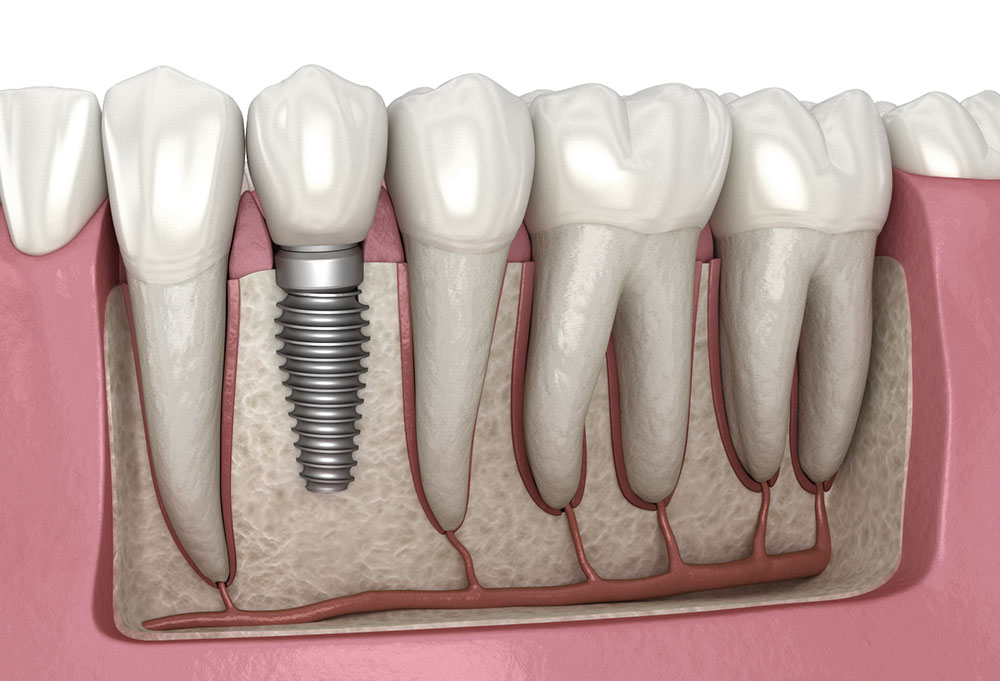
A teeth implant typically consists of three key components:
- The implant: This is a titanium screw that is surgically placed into the jawbone, acting as an artificial tooth root.
- The abutment: This is a connector piece that attaches to the implant and provides a base for the crown.
- The crown: This is the visible part of the artificial tooth, custom-made to match the shape, size, and color of your natural teeth.
What are the different types of implants available?
Understanding what are the three types of dental implants is crucial for anyone considering dental implants.
- Endosteal implants: These are the most common type of teeth implant, placed directly into the jawbone.
- Subperiosteal implants: These are placed under the gum but on or above the jawbone. This type is rarely used today.
- Mini dental implants: These are smaller in diameter than traditional implants and are often used to stabilize dentures.
- All-on-4: This technique involves placing four implants to support an entire arch of replacement teeth.
How Does the Teeth Implant Procedure Work? A Step-by-Step Guide
Let’s look at the dental implant procedure, including dental implant aftercare and the timeline involved. The teeth implant procedure typically involves several steps:
What is the initial assessment and planning process?
The initial assessment involves a thorough examination of your teeth, gums, and jawbone. X-rays and CT scans may be taken to assess the bone density and identify the best location for the implant. A treatment plan will be created based on your individual needs and goals.
What are the steps involved in the teeth implant procedure?
The implant procedure consists of the following main steps:
- Extraction (if needed): If the tooth is still present, it will be extracted.
- Bone grafting (if needed): If the jawbone is not strong enough to support the implant, a bone graft may be necessary. Check if you require bone grafting in albania.
- Implant placement: The implant is surgically placed into the jawbone.
- Healing time (osseointegration): It takes several months for the implant to fuse with the jawbone.
- Abutment placement: Once the implant has fused with the jawbone, an abutment is attached to the implant.
- Crown fitting: Finally, a custom-made crown is attached to the abutment.
What is the typical timeline for a teeth implant procedure?
The typical timeline for a teeth implant procedure can vary depending on individual circumstances, but it generally takes several months from the initial assessment to the final crown placement. This includes healing time and any necessary bone grafting procedures.
Teeth Implant Cost in the UK and Abroad
Understanding the teeth implant cost is crucial. When comparing options, think about visiting our dental clinic in albania. The cost of teeth implants can vary depending on several factors, including the number of implants needed, the materials used, and the dentist’s expertise.
What is the typical price range for teeth implants in the UK?
In the UK, the price range for a single teeth implant can range from £2,000 to £4,000 or more. This cost typically includes the implant, abutment, and crown.
What factors affect the cost of teeth implants?
Several factors can affect the cost of teeth implants, including:
- The number of implants needed: The more implants you need, the higher the cost will be.
- The materials used: The cost of the implant, abutment, and crown can vary depending on the materials used.
- Dentist’s expertise: Dentists with more experience and expertise may charge higher fees.
- Additional procedures: If additional procedures such as sinus lift or bone graft are required the price will increase.
Are teeth implants available on the NHS?
Teeth implants are not always available on the NHS. In some cases the NHS teeth implants, may cover the cost of teeth implants if there is a medical need, such as trauma or cancer treatment.
Teeth Implant Recovery and Aftercare: Ensuring a Smooth Healing Process
Understanding teeth implant recovery and dental implant aftercare is essential for a successful outcome. Proper aftercare can help minimize discomfort and promote healing.
What are the typical post-surgery symptoms and how can they be managed?
After teeth implant surgery, it is normal to experience some pain, swelling, and bruising. These symptoms can be managed with pain medication, ice packs, and a soft diet.
What are the recommended healing times and aftercare tips?
The recommended healing time for teeth implants is typically several months. During this time, it is important to follow these aftercare tips:
- Maintain good oral hygiene: Brush and floss your teeth regularly, being gentle around the implant site.
- Avoid hard or sticky foods: Stick to a soft diet to avoid putting excessive pressure on the implant.
- Attend follow-up appointments: Regular check-ups with your dentist are important to monitor the healing process.
- Avoid smoking: Smoking can impair the healing process and increase the risk of implant failure.
When should I contact my dentist after a teeth implant procedure?
It is important to contact your dentist if you experience any of the following symptoms after teeth implant surgery:
- Severe pain or swelling
- Prolonged bleeding
- Fever
- Signs of infection
Benefits and Longevity of Teeth Implants: A Long-Term Investment
Exploring teeth implant longevity and the benefits of dental implants can help you make an informed decision about your oral health. Teeth implants offer several advantages over other tooth replacement options.
How long do teeth implants typically last?
How long do dental implants last depends on proper care and maintenance. With good oral hygiene and regular dental check-ups, teeth implants can last for many years, even a lifetime.
What are the advantages of teeth implants compared to other treatments?
Teeth implants offer several advantages compared to other tooth replacement options, including:
- Comfort: Teeth implants feel and function like natural teeth.
- Durability: Teeth implants are a long-lasting solution that can withstand the pressures of chewing.
- Bone preservation: Teeth implants help preserve the jawbone, preventing bone loss that can occur with other tooth replacement options.
- Aesthetics: Teeth implants look and feel like natural teeth, improving your smile and confidence.
Risks and Potential Complications of Teeth Implants
Understanding teeth implant risks is important before undergoing the procedure. While teeth implants are generally safe, there are some potential risks and complications to be aware of.
What are the common and rare risks associated with teeth implants?
Common risks associated with teeth implants include infection, bleeding, and nerve damage. Rare risks include implant failure and sinus problems.
How can I minimize the risks associated with teeth implants?
To minimize the risks associated with teeth implants, it is important to:
- Choose an experienced and qualified dentist
- Follow your dentist’s instructions carefully
- Maintain good oral hygiene
- Attend regular dental check-ups
Alternatives to Teeth Implants: Exploring Other Options for Missing Teeth
Let’s examine the alternatives to teeth implants and engage in teeth implant vs bridge comparison. While teeth implants are a popular option for replacing missing teeth, there are other alternatives available.
What are the other options available for replacing missing teeth?
Other options available for replacing missing teeth include:
- Bridges: A bridge is a false tooth that is attached to the adjacent teeth.
- Dentures: Dentures are removable appliances that replace missing teeth.
- Mini implants: As explained earlier, these may be used to stabilise dentures.
How do these alternatives compare in terms of effectiveness, cost, and maintenance?
The effectiveness, cost, and maintenance of these alternatives vary. Teeth implants are generally considered to be the most effective and long-lasting solution, but they are also the most expensive. Bridges and dentures are less expensive, but they may not be as durable or comfortable as teeth implants. Proper maintenance, including regular cleaning and check-ups, is essential for all tooth replacement options.
Frequently Asked Questions (FAQ) About Teeth Implants
Are teeth implants painful?
Most patients report minimal discomfort during the teeth implant procedure, thanks to local anaesthesia. Post-operative pain can be managed with over-the-counter or prescription pain medication. As with any surgical procedure, some discomfort is to be expected, but it is generally well-controlled.
Who is eligible for a teeth implant?
Generally, anyone with good oral health and sufficient bone density in the jaw is a candidate for teeth implants. However, a thorough evaluation by a dentist is necessary to determine eligibility. Factors such as smoking, uncontrolled diabetes, and certain medical conditions may affect candidacy.
How long does a teeth implant last?
With proper care and maintenance, teeth implants can last for many years, even a lifetime. Good oral hygiene, regular dental check-ups, and avoiding habits like smoking can contribute to the longevity of teeth implants.
How do I care for my teeth implant?
Caring for your teeth implant is similar to caring for your natural teeth. Brush and floss regularly, and visit your dentist for regular check-ups and cleanings. A water flosser can be helpful for cleaning around the implant site.
Is a dental implant safe?
Dental implants are generally considered safe when performed by a qualified and experienced dentist. However, as with any surgical procedure, there are some potential risks and complications to be aware of.
What if I need multiple teeth implants?
Multiple teeth implants can be placed to replace several missing teeth. In some cases, techniques like All-on-4 can be used to replace an entire arch of teeth with just four implants.
Can anyone get teeth implants?
While most people are eligible for teeth implants, certain medical conditions and lifestyle factors can affect candidacy. A thorough evaluation by a dentist is necessary to determine if teeth implants are the right option for you. The who should not get dental implants needs to be taken in consideration.
How soon after tooth extraction can I have an implant?
In some cases, an implant can be placed immediately after tooth extraction. However, in other cases, it may be necessary to wait several months for the extraction site to heal before placing the implant.
Are teeth implants noticeable?
With proper planning and execution, teeth implants should be virtually indistinguishable from your natural teeth. A skilled dentist will ensure that the crown matches the shape, size, and color of your existing teeth.
Is there a minimum age for teeth implants?
There is no minimum age for teeth implants. However, it is generally recommended to wait until the jawbone has fully developed before placing an implant. In some cases the patient will need orthodontics in albania.
Are dental implants better than dentures?
Dental implants offer several advantages over dentures, including improved stability, comfort, and aesthetics. However, the best option for you will depend on your individual needs and preferences. A consultation with a dentist can help you weigh the pros and cons of each option.
Will insurance or the NHS cover implants?
In the UK, NHS funding for implants is limited and typically only available in cases of medical necessity. Some private insurance plans may cover a portion of the cost of teeth implants, but coverage varies widely. It is important to check with your insurance provider to determine your coverage.
Conclusion and Next Steps: Restore Your Smile with Confidence
Teeth implants offer a long-lasting and effective solution for replacing missing teeth, restoring your smile and confidence. With proper care and maintenance, teeth implants can last for many years, even a lifetime.
Ready to transform your smile with teeth implants? Contact Albania Dental Implants today to book a consultation and learn more about our affordable and high-quality dental implant solutions. Consider also albania dental implants.
Don’t let missing teeth hold you back any longer. Take the first step towards a brighter, healthier smile today!





