


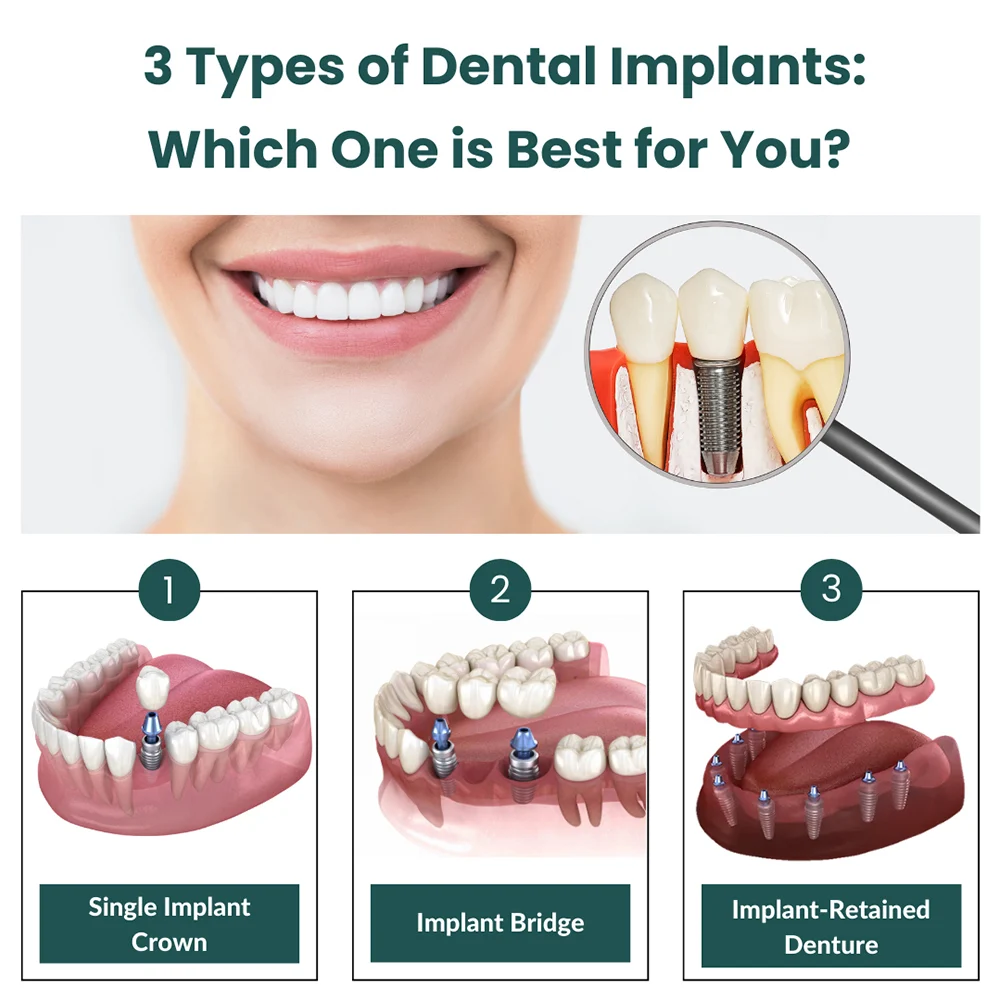
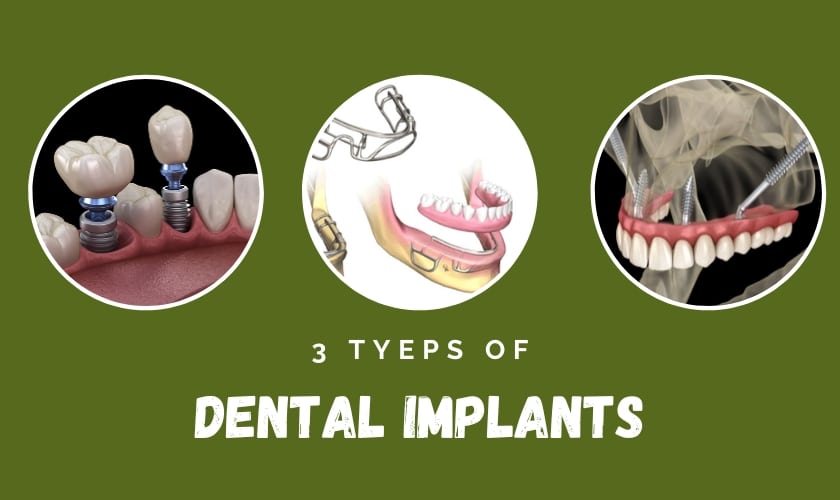
In this article, we answer the question: what are the three types of dental implants? Understanding the different options available is crucial for anyone considering dental implants, a popular and effective solution for replacing missing teeth. At Albania Dental Implants, we offer comprehensive services to help you regain your confident smile, often at a significantly lower cost than in the UK.
Overview of Dental Implants
When exploring dental solutions, understanding the different types of dental implants is key. Dental implants are a long-lasting and natural-looking solution for missing teeth, offering improved comfort and functionality compared to traditional dentures or bridges. The dental implant procedure involves surgically placing a titanium post into the jawbone, which then fuses with the bone over time, providing a stable base for a replacement tooth or teeth. There are primarily three types of dental implants, each designed to address specific needs and jawbone conditions.
What are the benefits of choosing dental implants?
Dental implants offer numerous benefits, including:
- Improved Appearance: Implants look and feel like natural teeth.
- Enhanced Comfort: They eliminate the discomfort associated with removable dentures.
- Improved Speech: Unlike dentures, implants allow you to speak without mumbling or slurring.
- Easier Eating: You can enjoy your favorite foods without difficulty.
- Durability: With proper care, implants can last a lifetime.
- Improved Oral Health: Implants don’t require reducing adjacent teeth, which benefits long-term oral health.
- Increased Confidence: A complete smile can boost your self-esteem and confidence.
At Albania Dental Implants, we understand the transformative impact of dental implants and are committed to providing high-quality, affordable solutions.
Endosteal Implants – The Most Common Type
The most prevalent choice in restorative dentistry is the endosteal dental implant. These implants are surgically placed directly into the jawbone and are typically made of titanium. The success of endosteal implants depends on sufficient bone density to provide adequate support and stability. Given their versatility and high success rate, they are often the first choice for many patients seeking dental implants.
What are the advantages of endosteal implants?
The advantages of endosteal implants are numerous, making them a popular choice for both dentists and patients:
- High Success Rate: Endosteal implants have a proven track record with a high success rate.
- Versatility: They can support single crowns, bridges, or dentures, making them suitable for various tooth replacement needs.
- Natural Feel and Function: They closely mimic the feel and function of natural teeth.
- Long-lasting: With proper care, endosteal implants can last for many years, even a lifetime.
- Bone Stimulation: They stimulate the jawbone, preventing bone loss that can occur with missing teeth.
Who is a candidate for endosteal implants?
Determining who is a candidate for endosteal implants involves assessing several factors. Ideal candidates typically have:
- Good Overall Health: Candidates should be in good general health to undergo the surgical procedure.
- Adequate Bone Density: Sufficient bone density in the jaw is necessary to support the implant.
- Healthy Gums: Healthy gum tissue is essential for successful implant integration.
- Commitment to Oral Hygiene: Candidates must be committed to maintaining good oral hygiene after the procedure.
- Non-Smoker: Smoking can negatively impact the healing process and the long-term success of the implant.
If you are considering endosteal implants, a thorough evaluation by a dentist at Albania Dental Implants can determine your suitability and discuss the best course of treatment.
Subperiosteal Implants – For Difficult Jaw Structures
Subperiosteal dental implant options are chosen for patients with insufficient bone height for endosteal implants. Instead of being placed into the jawbone, these implants rest on top of the bone but under the gum tissue. They consist of a metal framework that is custom-fitted to the existing bone. While less common than endosteal implants, subperiosteal implants can be a viable solution for specific cases.
When is a subperiosteal implant needed, given the jawbone suitability?
Considering jawbone suitability is crucial when choosing an implant type. A subperiosteal implant is typically considered when:
- Insufficient Bone Height: The patient lacks sufficient bone height or density for endosteal implants.
- Bone Grafting Not Feasible: Bone grafting to increase bone volume is not a suitable option for the patient.
- Alternative to Bone Grafting: The patient prefers an alternative to more invasive procedures like bone grafting.
Subperiosteal implants offer a way to secure replacement teeth without requiring significant bone augmentation.
Is a subperiosteal implant a reliable alternative to endosteal implants?
The reliability of a subperiosteal dental implant as an alternative to endosteal implants depends on various factors. While they can provide a stable base for replacement teeth, they generally have a lower success rate and shorter lifespan compared to endosteal implants. However, for patients with significant bone loss, they can be a practical option. At Albania Dental Implants, we carefully evaluate each patient’s situation to determine the most appropriate implant type.
Zygomatic Implants – For Severe Bone Loss
Zygomatic dental implant options are a specialized solution for patients experiencing severe bone loss in the upper jaw. Unlike traditional implants that anchor in the jawbone, zygomatic implants are longer and anchor into the zygomatic bone (cheekbone). This technique avoids the need for extensive bone grafting, offering a quicker and less invasive option for restoring a full upper arch of teeth. This is especially relevant considering Sinus lift in Albania procedures.
When are zygomatic implants necessary for addressing dental implants for bone loss?
The need for zygomatic dental implant options typically arises when dealing with significant dental implants for bone loss in the upper jaw. This situation may occur due to:
- Advanced Periodontal Disease: Severe gum disease can lead to bone loss around the teeth.
- Long-Term Tooth Loss: Prolonged absence of teeth can cause the jawbone to resorb over time.
- Failed Traditional Implants: Previous implant attempts may have failed due to inadequate bone support.
Zygomatic implants provide a reliable solution for patients who might otherwise be ineligible for traditional implants.
What does the procedure entail for complex dental implant procedures like zygomatic implants?
Complex dental implant procedures, such as those involving zygomatic implants, require specialized expertise and advanced surgical techniques. The typical process involves:
- Comprehensive Evaluation: A thorough examination, including CT scans, to assess bone structure and plan implant placement.
- Surgical Placement: The zygomatic implants are surgically placed into the cheekbone under general anesthesia or intravenous sedation.
- Immediate Loading: In some cases, temporary teeth can be attached to the implants immediately after surgery (immediate loading dental implants in Albania).
- Osseointegration: The implants integrate with the bone over several months, providing a stable foundation for the final restoration.
- Final Restoration: Once osseointegration is complete, the final crowns or bridge are attached to the implants.
Albania Dental Implants offers zygomatic implant procedures performed by experienced oral surgeons, ensuring optimal outcomes for patients with severe bone loss.
Comparing the Three Types of Dental Implants
A dental implant comparison reveals the strengths and weaknesses of each type, aiding in informed decision-making. The best choice depends on individual needs, bone structure, and overall health.
What are the pros and cons of dental implant types?
Examining the pros and cons of dental implant types can help you understand which option is best suited for your specific needs:
- Endosteal Implants:
- Pros: High success rate, versatile, natural feel, long-lasting.
- Cons: Requires adequate bone density, may require bone grafting.
- Subperiosteal Implants:
- Pros: Suitable for patients with insufficient bone height, avoids bone grafting.
- Cons: Lower success rate, shorter lifespan compared to endosteal implants.
- Zygomatic Implants:
- Pros: Avoids extensive bone grafting, suitable for severe bone loss in the upper jaw, shorter treatment time.
- Cons: More complex surgical procedure, requires specialized expertise.
How do I go about choosing dental implants that are right for me?
Choosing dental implants involves a comprehensive assessment by a qualified dental professional. Factors to consider include:
- Bone Density: Adequate bone density is crucial for implant stability.
- Overall Health: General health and medical conditions can impact the success of the procedure.
- Lifestyle: Habits like smoking can affect healing and long-term outcomes.
- Cost: The cost of different implant types can vary significantly.
- Personal Preferences: Your preferences and expectations should be considered.
At Albania Dental Implants, we provide personalized consultations to help you make an informed decision and select the most suitable implant type for your needs and budget.
The Dental Implant Procedure – Step by Step
Understanding the dental implant surgery steps can alleviate anxiety and prepare you for the process. The procedure typically involves several stages:
What are the typical dental implant surgery steps?
- Initial Consultation and Evaluation: Comprehensive examination, including X-rays and CT scans, to assess bone density and plan implant placement.
- Implant Placement: The implant is surgically placed into the jawbone under local anesthesia or sedation.
- Osseointegration: The implant fuses with the bone over several months.
- Abutment Placement: An abutment (connector) is attached to the implant to hold the replacement tooth.
- Crown Placement: The final crown is attached to the abutment, completing the restoration.
What does the dental implant recovery entail?
The dental implant recovery process varies depending on individual factors and the complexity of the procedure. Generally, you can expect:
- Initial Healing: Some discomfort, swelling, and bruising in the first few days after surgery.
- Pain Management: Pain medication can help manage discomfort.
- Dietary Restrictions: Soft foods are recommended during the initial healing period.
- Oral Hygiene: Gentle rinsing and brushing to keep the area clean.
- Follow-Up Appointments: Regular check-ups to monitor healing and ensure proper implant integration.
At Albania Dental Implants, we provide detailed post-operative instructions and support to ensure a smooth and successful recovery.
Dental Implant Aftercare & Maintenance
Caring for dental implants is crucial for prolonging their lifespan and maintaining optimal oral health.
How can I prolong implant lifespan through caring for dental implants?
To maximize the prolonging implant lifespan, follow these guidelines:
- Brush Regularly: Brush your teeth at least twice a day with a soft-bristled toothbrush.
- Floss Daily: Floss daily to remove plaque and debris from around the implants.
- Use an Interdental Brush: Clean between the implants and adjacent teeth with an interdental brush.
- Regular Dental Check-Ups: Visit your dentist for regular check-ups and professional cleanings.
- Avoid Smoking: Smoking can negatively impact implant health and longevity.
- Maintain a Healthy Diet: A balanced diet contributes to overall oral health.
Frequently Asked Questions
What are the three types of dental implants and how do they differ?
The three main types of dental implants are endosteal, subperiosteal, and zygomatic. Endosteal implants are placed directly into the jawbone and are the most common type. Subperiosteal implants rest on top of the jawbone under the gum tissue, used when there’s insufficient bone for endosteal implants. Zygomatic implants anchor into the cheekbone and are used for severe bone loss in the upper jaw. They differ in placement, suitability for bone conditions, and complexity of the procedure.
Who is a suitable candidate for each type of implant?
Suitable candidates vary for each implant type. Endosteal implants are best for those with good overall health, adequate bone density, and healthy gums. Subperiosteal implants are suitable for patients with insufficient bone height for endosteal implants. Zygomatic implants are ideal for individuals with severe bone loss in the upper jaw who want to avoid extensive bone grafting. It’s important to note who should not get dental implants at all.
How long do different dental implants last?
How long do dental implants last? Endosteal implants can last a lifetime with proper care. Subperiosteal implants typically last around 5-10 years. Zygomatic implants also have a high success rate and can last for many years, often comparable to endosteal implants. Factors like oral hygiene, lifestyle, and overall health impact longevity.
Are there risks or complications with each type?
Yes, there are potential risks and complications with each type. Endosteal implants can have risks like infection, nerve damage, or implant failure. Subperiosteal implants may have a higher risk of infection and bone resorption. Zygomatic implants can have complications like sinus problems or cheekbone injury. Choosing an experienced surgeon at Albania Dental Implants can minimize these risks.
How much do dental implants cost in the UK?
The cost of dental implants in the UK varies widely, but single implants can range from £2,000 to £4,000 or more. Full mouth restorations can cost £20,000 or higher. In comparison, cost of dental implants in Albania are significantly lower, making it an attractive option for those seeking affordable, high-quality dental care.
Which type of dental implant is best for me?
Determining the best type of dental implant requires a thorough evaluation by a qualified dentist. Factors such as bone density, overall health, and personal preferences should be considered. Schedule a consultation with Albania Dental Implants to receive a personalized recommendation tailored to your specific needs and budget.
Albania Dental Implants: Your Destination for Affordable, High-Quality Dental Care
Are you ready to transform your smile and regain your confidence? At Albania Dental Implants, we offer a comprehensive range of dental implant services at a fraction of the cost compared to the UK. Our state-of-the-art clinic in Albania is equipped with the latest technology, and our experienced team of dental professionals is dedicated to providing exceptional care.
- Cost Savings: Save up to 70% on dental implant costs compared to the UK.
- Experienced Professionals: Our team includes skilled oral surgeons and prosthodontists.
- Advanced Technology: We use the latest dental technology for accurate diagnostics and treatment planning.
- Comprehensive Services: We offer a full range of dental implant options, including endosteal, subperiosteal, and zygomatic implants.
- Dental Tourism Packages: We provide convenient dental tourism in Albania packages that include flights, accommodation, and transportation.
- Personalized Care: We tailor our treatments to meet your unique needs and preferences.
Don’t let the high cost of dental implants in the UK prevent you from achieving the smile of your dreams. Contact Albania Dental Implants today to schedule a consultation and learn more about our affordable, high-quality dental implant solutions. Our team is ready to answer your questions and guide you through the process, from initial assessment to final restoration.
Contact Albania Dental Implants today for a free consultation and start your journey towards a confident, healthy smile!