




What is the cheapest crown for a tooth? If you’re facing dental issues requiring a crown, cost is likely a major consideration. This article explores the most affordable crown options, weighs their pros and cons, and helps you make an informed decision without sacrificing quality. We’ll guide you through understanding crown materials, comparing NHS and private options, and even considering dental tourism in Albania for cost-effective solutions. At Albania Dental Implants, we believe everyone deserves a healthy, confident smile, regardless of budget.
What Determines the Cost of a Tooth Crown?
Understanding the factors influencing the price of a dental crown is crucial for finding affordable dental crowns. Several elements contribute to the final cost, and being aware of these will help you make an informed decision. We will also take a look at a crown materials cost comparison.
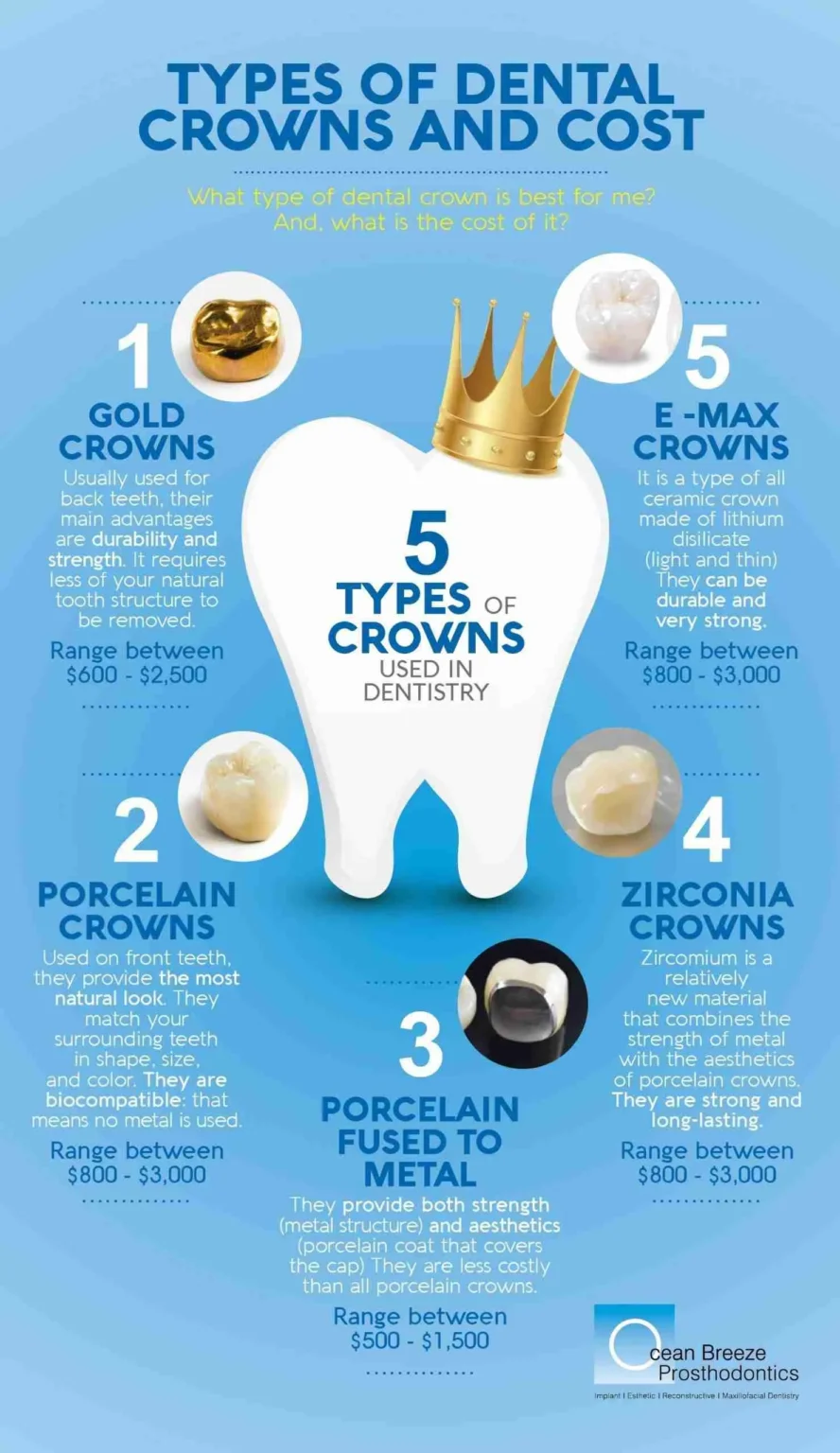
Types of Dental Crowns and Their Impact on Price
The material used for your crown significantly impacts the price. Here’s a breakdown:
- Porcelain Crowns: Known for their natural appearance, they tend to be more expensive.
- Metal Crowns: Durable and cost-effective, often made of gold alloys or base metals.
- Resin Crowns: The most affordable option, but less durable and prone to wear.
- Zirconia Crowns: A balance of aesthetics and strength, with a mid-range price point.
The choice depends on your budget, aesthetic preferences, and the tooth’s location in your mouth.
Other Factors Affecting the Price of a Crown
Beyond the material, several other factors play a role in determining the overall cost:
- Dentist Fees: Experienced dentists or those in specialized practices may charge higher fees.
- Location: Dental costs vary significantly depending on your geographic location. Urban areas often have higher prices.
- Lab Fees: The dental lab creating the crown also charges a fee, which is factored into the final cost.
- Additional Procedures: If you require a root canal or other procedures before the crown placement, this will add to the expense.
NHS vs. Private Treatment Cost Differences
In the UK, you have the option of receiving dental treatment through the National Health Service (NHS) or privately. NHS dental crown charges are typically lower than private, but the materials available may be limited.
Private treatment offers a wider range of materials and potentially shorter waiting times, but comes at a higher cost.
When is a Cheap Crown Appropriate?
While saving money is important, it’s crucial to consider the long-term implications of choosing the cheapest option. A cheaper crown made of resin might be suitable for a temporary solution or a tooth that doesn’t experience heavy biting force. However, for back teeth or situations requiring durability, investing in a stronger material like metal or zirconia may be more appropriate.
Cheapest Materials for Dental Crowns
When exploring options for the best value tooth crown, the material you choose is paramount. Different materials offer varying degrees of affordability, durability, and aesthetics. Let’s examine the most budget-friendly options, considering the Porcelain vs metal crowns price.
Resin Crowns: Availability and Limitations
Resin crowns are generally the cheapest type of crown available. They are made from a composite resin material, similar to what is used for dental fillings. However, their low cost comes with several limitations:
- Durability: Resin crowns are the least durable type of crown and are prone to chipping and wear.
- Aesthetics: While they can be matched to your tooth color, they don’t have the same natural translucence as porcelain.
- Longevity: They typically last only a few years, requiring more frequent replacements.
Resin crowns are best suited for temporary solutions or for teeth that don’t bear significant biting force. Your dentist can advise if they are suitable for your tooth.
Metal Crowns: Cost vs. Aesthetics
Metal crowns, particularly those made from base metals like nickel-chromium alloys, are another cost-effective option. They offer exceptional durability and strength, making them ideal for back teeth that withstand heavy chewing forces. However, the main drawback is their aesthetics:
- Appearance: Metal crowns are silver or gold in color and don’t blend in with natural teeth.
- Allergies: Some individuals may be allergic to the metals used in these crowns.
If aesthetics are not a primary concern, metal crowns can be an excellent long-lasting and affordable solution.
Porcelain-Fused-to-Metal Crowns: Balance of Price and Appearance
Porcelain-fused-to-metal (PFM) crowns offer a compromise between price and aesthetics. They consist of a metal base covered with a layer of porcelain, providing strength and a more natural appearance. Key considerations include:
- Aesthetics: The porcelain layer can be matched to your tooth color, offering a more natural look than metal crowns.
- Durability: While strong, the porcelain layer can chip or fracture over time.
- Cost: PFM crowns are generally more expensive than metal crowns but less expensive than all-porcelain or zirconia crowns.
PFM crowns can be a good option if you want a balance of affordability, strength, and aesthetics, but are not a long-term solution.
How Much Do Crowns Cost in the UK?
Understanding the cost of dental crowns in the UK requires differentiating between NHS and private options. The NHS vs private dental crowns UK pricing structure and available materials significantly impact the final cost.
NHS Dental Crown Charges: Bands and Typical Rates
The NHS operates on a banded system for dental charges. As of 2024, the relevant bands for crowns are:
- Band 2 (£70.70): This covers procedures like fillings, root canal treatment, and extractions, but not crowns.
- Band 3 (£306.80): This covers more complex procedures, including crowns, bridges, and dentures.
It’s important to note that these are standard charges, and your dentist will assess your individual needs to determine the appropriate treatment plan.
Private Dental Crown Price Range: Examples and Averages
Private dental crown prices vary widely depending on the material used and the dentist’s fees. Here’s a general price range:
- Resin Crowns: £200 – £400
- Metal Crowns: £300 – £600
- Porcelain-Fused-to-Metal (PFM) Crowns: £400 – £800
- All-Porcelain Crowns: £500 – £1000
- Zirconia Crowns: £600 – £1200
These are average prices, and some clinics may charge more or less depending on their location and expertise.
Cost Breakdown by Material
The material chosen for your crown is the primary driver of cost. Here’s a closer look at the factors influencing the price of each material:
- Resin: The cheapest material due to its ease of use and lower material costs.
- Metal: Durable and strong, but the cost depends on the type of metal used (gold alloys are more expensive).
- PFM: Combines the cost of metal with the added expense of porcelain layering and firing.
- All-Porcelain: Requires skilled technicians to create a natural-looking and durable crown.
- Zirconia: A high-strength, biocompatible material that requires advanced milling technology.
Consider the trade-offs between cost, aesthetics, and durability when selecting a crown material.
Are Temporary Crowns a Cheap Option?
While temporary crowns are not a permanent solution, understanding their role and cost is important. When are temporary crowns used? And can they be a cheap option?
When are Temporary Crowns Used?
Temporary crowns serve as a placeholder while your permanent crown is being fabricated in a dental lab. They are typically used in the following situations:
- Protection: To protect the prepared tooth from sensitivity and damage.
- Aesthetics: To maintain a natural appearance while waiting for the permanent crown.
- Function: To allow you to chew and speak comfortably.
Temporary crowns are usually made of acrylic or stainless steel and are not designed for long-term use.
Cost and Limitations of Temporary Crowns
The cost of a temporary crown is usually included in the overall price of the permanent crown. However, if you require a temporary crown for an extended period, there may be additional charges. It’s important to note the limitations of temporary crowns:
- Durability: They are not as strong as permanent crowns and can break or come loose easily.
- Fit: They may not fit as precisely as permanent crowns, potentially causing discomfort or sensitivity.
- Aesthetics: They may not perfectly match the color and shape of your natural teeth.
When to Consider as a Short-Term Solution
Temporary crowns are ideal as a short-term solution while you wait for your permanent crown. They are not intended to be a long-term fix due to their limitations in durability and fit. If you are facing financial constraints, discuss your options with your dentist. They may be able to offer a more affordable permanent solution or a payment plan.
Is There a Cheaper Alternative to a Crown?
If cost is a significant barrier, exploring dental crown alternatives is a worthwhile endeavor. Understanding the pros and cons of each option can help you make the right decision for your oral health and budget.
Dental Fillings and Onlays: Affordable Options for Minor Damage
For teeth with minor damage or decay, dental fillings and onlays may be suitable alternatives to crowns. These options involve removing the damaged portion of the tooth and filling it with a material like composite resin or amalgam. Key considerations include:
- Cost: Fillings and onlays are generally much cheaper than crowns.
- Tooth Structure: They require less removal of healthy tooth structure compared to crowns.
- Durability: They may not be as durable as crowns and may need to be replaced more frequently.
Pros and Cons Compared to Crowns
Here’s a comparison of fillings/onlays and crowns:
Fillings/Onlays:
- Pros: More affordable, less invasive.
- Cons: Less durable, suitable only for minor damage.
Crowns:
- Pros: More durable, protects the entire tooth, suitable for extensive damage.
- Cons: More expensive, requires more tooth structure removal.
Discuss the pros and cons of each option with your dentist to determine the best course of action for your specific situation.
When Alternatives Are Appropriate
Fillings and onlays are appropriate when:
- The tooth has a small cavity or area of decay.
- The tooth has a minor fracture or chip.
- The tooth requires a restoration that doesn’t involve the entire tooth structure.
Crowns are more appropriate when:
- The tooth has extensive decay or damage.
- The tooth is weakened and needs protection.
- The tooth has had a root canal and needs to be strengthened.
NHS vs. Private Crowns: Which Is Cheaper?
Deciding between NHS vs private crowns involves considering not only cost but also eligibility, material options, and potential waiting times. Understanding the nuances of each system is crucial for making an informed decision.
NHS Eligibility and Process
To be eligible for NHS dental treatment, including crowns, you must be a UK resident. The process typically involves:
- Registration: Registering with an NHS dentist.
- Examination: Undergoing a dental examination to assess your needs.
- Treatment Plan: Receiving a treatment plan outlining the necessary procedures and costs.
- Treatment: Receiving the treatment according to NHS guidelines and material availability.
It’s important to note that NHS dentists may have long waiting lists, and the availability of certain treatments and materials may be limited.
Private Advantages and Differences
Private dental care offers several advantages over the NHS, including:
- Wider Range of Materials: Access to a broader selection of crown materials, including porcelain and zirconia.
- Shorter Waiting Times: Often shorter waiting times for appointments and treatment.
- More Personalized Care: Potentially more personalized attention and treatment options.
However, these advantages come at a higher cost, and you will need to factor in the increased expense when making your decision.
Are NHS Crowns Lower Quality? Addressing Misconceptions
While NHS crowns may be made from less expensive materials like metal or PFM, they are not necessarily lower quality. NHS dentists are qualified professionals who adhere to strict standards of care. The choice of material is often based on clinical need and budget considerations. If you prioritize aesthetics or want a wider range of options, private treatment may be more suitable. Dental tourism in Albania could be an option if costs are too high in the UK.
How to Get the Best Value on a Tooth Crown
Finding affordable dental crowns involves careful research, comparison, and consideration of various factors. Here are some tips to help you get the best value for your money.
Comparing Quotes: What to Look For
When seeking quotes from different dentists, be sure to compare:
- Material: The type of material used for the crown (resin, metal, PFM, porcelain, zirconia).
- Fees: The dentist’s consultation and treatment fees.
- Lab Fees: The cost of the dental lab fabricating the crown.
- Additional Procedures: Any additional procedures required (e.g., root canal, fillings).
- Warranty: The warranty offered on the crown.
Don’t hesitate to ask questions and clarify any uncertainties before making a decision.
Dental Tourism: Safe or Risky?
Dental tourism, particularly to destinations like Albania, can offer significant cost savings on dental crowns. However, it’s essential to weigh the risks and benefits carefully:
Benefits:
- Lower costs compared to the UK.
- Access to high-quality materials and skilled dentists.
Risks:
- Travel costs and logistics.
- Potential language barriers.
- Difficulty with follow-up care if complications arise.
If considering dental tourism, research the clinic and dentist thoroughly, check their credentials, and read reviews. Albania Dental Implants Services, is a safe option with qualified dentists.
Insurance, Payment Plans, and Finance Options
Explore various payment options to make dental crowns more affordable:
- Dental Insurance: Check if your dental insurance policy covers crowns and what percentage of the cost is covered.
- Payment Plans: Many dental clinics offer payment plans that allow you to spread the cost over several months.
- Finance Options: Consider dental finance options, which provide loans specifically for dental treatment.
By exploring these options, you can make the cost of a dental crown more manageable.
Detailed FAQ Section
What is the cheapest crown for a tooth made from?
The cheapest crown for a tooth is typically made from resin. Resin crowns are made from a composite material similar to that used for fillings. They are the most affordable option, but they are also the least durable.
How much does the cheapest dental crown cost in the UK?
In the UK, the cheapest dental crown, typically a resin crown, can cost as little as £200 – £400 privately. NHS crowns, while more affordable, are not typically resin and would fall under Band 3 charges (£306.80 as of 2024).
Are NHS crowns really the cheapest option?
NHS crowns are generally more affordable than private crowns. However, the material options are limited, and you may have to wait longer for treatment. The actual cost of an NHS crown is £306.80 (Band 3 charge as of 2024), making it cheaper than most private options.
Do cheap crowns last as long as expensive ones?
No, cheap crowns typically do not last as long as expensive ones. Resin crowns, the cheapest option, are prone to wear and chipping and may need to be replaced more frequently. More expensive materials like zirconia and porcelain offer greater durability and longevity.
Is it safe to choose the cheapest dental crown?
Choosing the cheapest dental crown can be safe if it meets your clinical needs and is placed by a qualified dentist. However, it’s crucial to consider the material’s limitations and potential long-term costs of more frequent replacements.
Are there risks with very cheap crowns or “budget” dentists?
Yes, there can be risks associated with very cheap crowns or “budget” dentists. These risks include:
- Lower Quality Materials: Use of substandard materials that may not be biocompatible or durable.
- Inexperienced Dentists: Lack of experience or training, leading to improper crown preparation and placement.
- Poor Hygiene: Inadequate infection control measures.
Always research the dentist’s credentials and read reviews before proceeding with treatment.
Can I get a tooth crown for free?
It is rare to get a tooth crown for free. In limited circumstances, you may be eligible for free dental treatment on the NHS if you receive certain benefits. You can explore NHS or dental tourism for cheaper alternative to dental implants in the UK.
How can I find the best price for a crown near me?
To find the best price for a crown near you:
- Compare Quotes: Obtain quotes from several dentists.
- Ask About Materials: Inquire about the different material options and their costs.
- Check Reviews: Read online reviews to assess the dentist’s reputation and quality of care.
- Consider Payment Options: Ask about payment plans or finance options.
Conclusion
Finding the cheapest crown for a tooth involves balancing cost with durability, aesthetics, and long-term oral health. While resin crowns offer the most affordable option, they may not be suitable for every situation. Exploring NHS options, comparing quotes, and considering dental tourism can help you find a cost-effective solution without compromising quality. Remember to prioritize your oral health and choose a qualified dentist who can provide the best treatment for your needs. At Albania Dental Implants, we offer high-quality, affordable dental crowns and dental implants in Albania. Contact Albania Dental Implants today to learn more about our Albania Dental Implants Services and how we can help you achieve a healthy, confident smile.